Let’s be honest: Australia is a bit of a nightmare for building materials. Between the tropical humidity of the north, the salt spray of our coastal fringes, and the torrential downpours that seem to happen every second Tuesday, moisture is the enemy of longevity.
For decades, we’ve leaned on timber. It’s classic, it looks great, and it’s "what we know." But as we move into 2026, the cracks are literally starting to show. If you’re a builder, developer, or a homeowner tired of watching your deck rot or your bathroom cabinetry swell like a marshmallow in a microwave, it’s time to talk about the heavyweight title fight: Recycled Plastic vs Timber.
In high-moisture environments, one of these materials is a marathon runner, and the other is… well, a bit of a liability. Let’s dive into why recycled plastic sheets are quickly becoming the gold standard for wet-area builds.
The Moisture Problem: Why Timber Eventually Taps Out
Timber is a biological material. It’s porous, it breathes, and most importantly, it drinks. Even the best-treated H3 or H4 timber eventually succumbs to the relentless Australian elements.
When timber gets wet, it expands. When it dries, it contracts. This constant "breathing" leads to:
- Warping and cupping: Ruins the structural integrity and the aesthetic.
- Rot and Decay: Fungi love damp wood. It’s their version of a buffet.
- Termite buffet: Moist wood is a homing beacon for pests.
- Maintenance Headaches: Sanding, oiling, and sealing every 12 months just to keep it from falling apart.
While timber is a fantastic carbon sink (and we love it for that), using it in a high-moisture zone like a public boardwalk, a jetty, or even a laundry splashback is often asking for trouble.
Enter the Challenger: Recycled HDPE Plastic
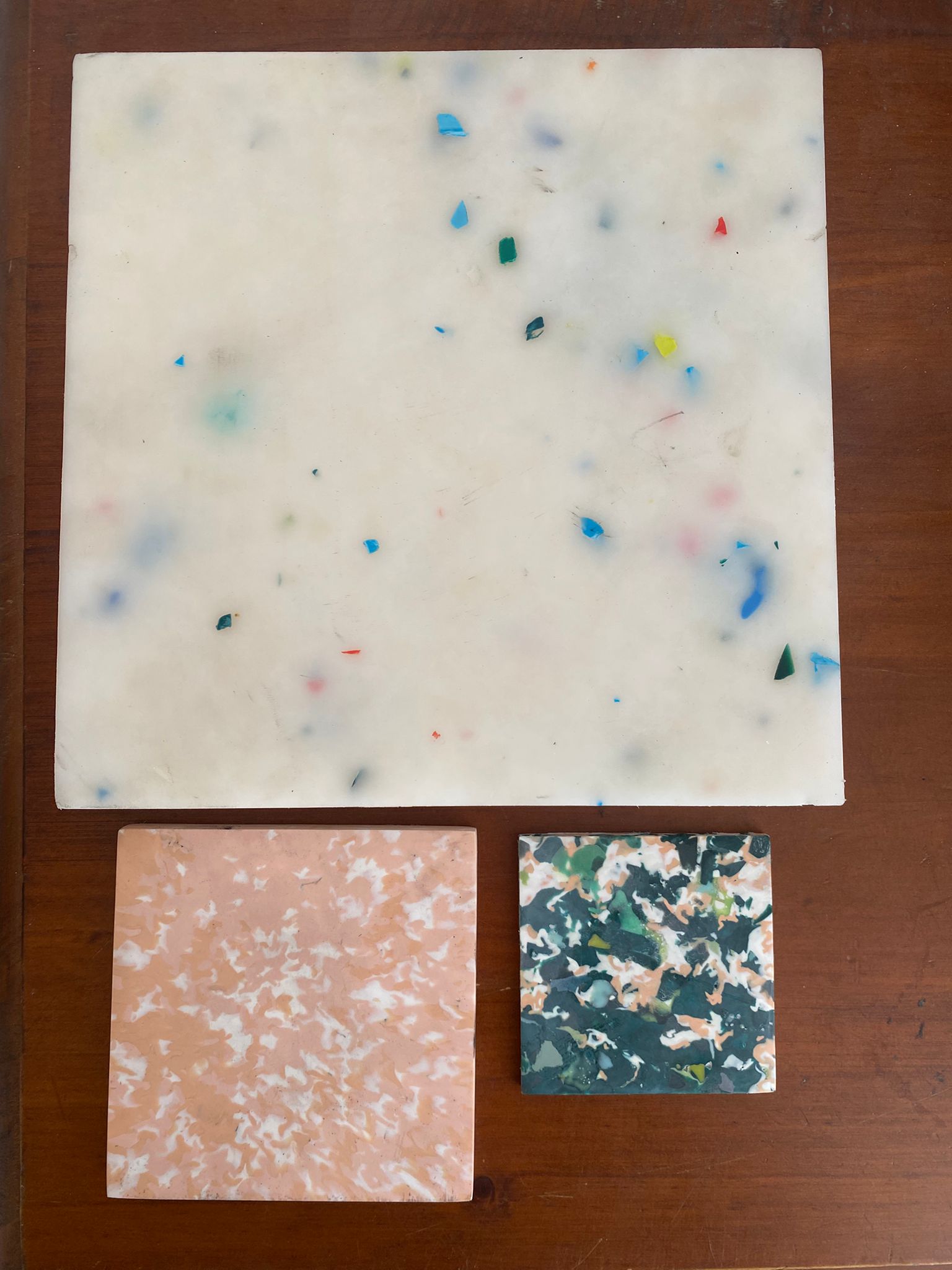
At Resourceful Living, we specialise in 100% recycled High-Density Polyethylene (HDPE). Unlike timber, HDPE is entirely non-porous. It doesn't "drink" water. It doesn't care if it’s submerged in a swamp or blasted by a saltwater gale.
The Stat That Matters: 5x Longer Than Plywood
If you’re comparing our recycled plastic panels to traditional plywood (even marine grade), the durability gap is staggering. Data shows that in high-moisture environments, recycled plastic panels can last up to 5 times longer than plywood.
"When you factor in the replacement costs of timber: labour, new materials, and disposal of the old rotted wood: recycled plastic isn't just a sustainable choice; it's the only one that makes financial sense over a 10-year lifecycle." : Jess Hodge, Sales at Resourceful Living.
Performance Breakdown: High-Moisture Environments
Let’s look at how these materials stack up in the "danger zones" of Australian construction.
1. Bathrooms, Laundries, and Kitchens
Indoor "wet areas" are notorious for destroying MDF and plywood cabinetry. Humidity leads to delamination: that annoying peeling of the edge tape that makes a $20,000 kitchen look like a bargain-bin special within three years.
- The Plastic Advantage: Our panels are solid all the way through. There is no "layer" to delaminate. You can literally hose down a recycled plastic vanity if you want to.
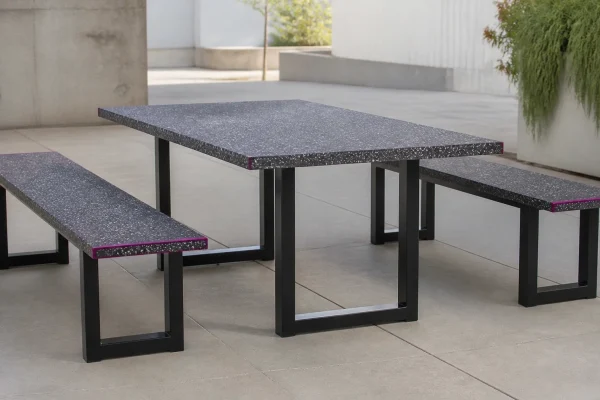
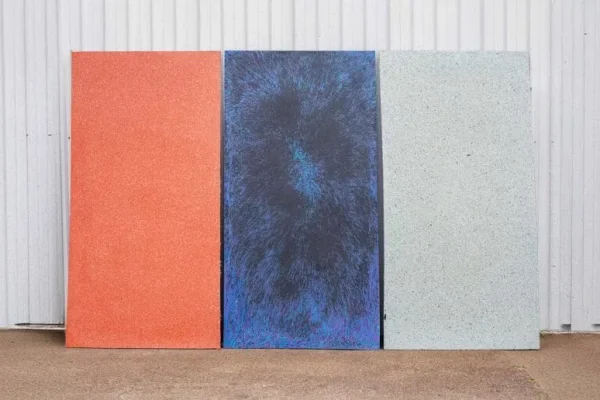
- Aesthetic Check: With patterns like N70 White Confetti, you get a high-end, stone-like finish that is completely waterproof.
2. External Cladding and Facades
Australian sun combined with rain is a brutal combo for timber cladding. It requires constant restaining to prevent greying and cracking.
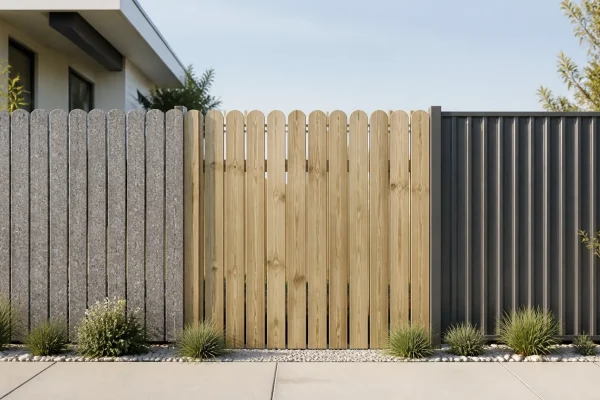
- The Plastic Advantage: Recycled plastic is UV-stabilised. It doesn't rot, peel, or require painting. It stays structurally sound while the timber next door is turning into mulch.

Suggested Image: A comparison photo of weathered, greyed timber next to a vibrant, intact recycled plastic panel in an outdoor setting.
3. Coastal and Marine Builds
Saltwater is the ultimate corrosiveness test. Timber suffers from salt crystallisation which breaks down fibres.
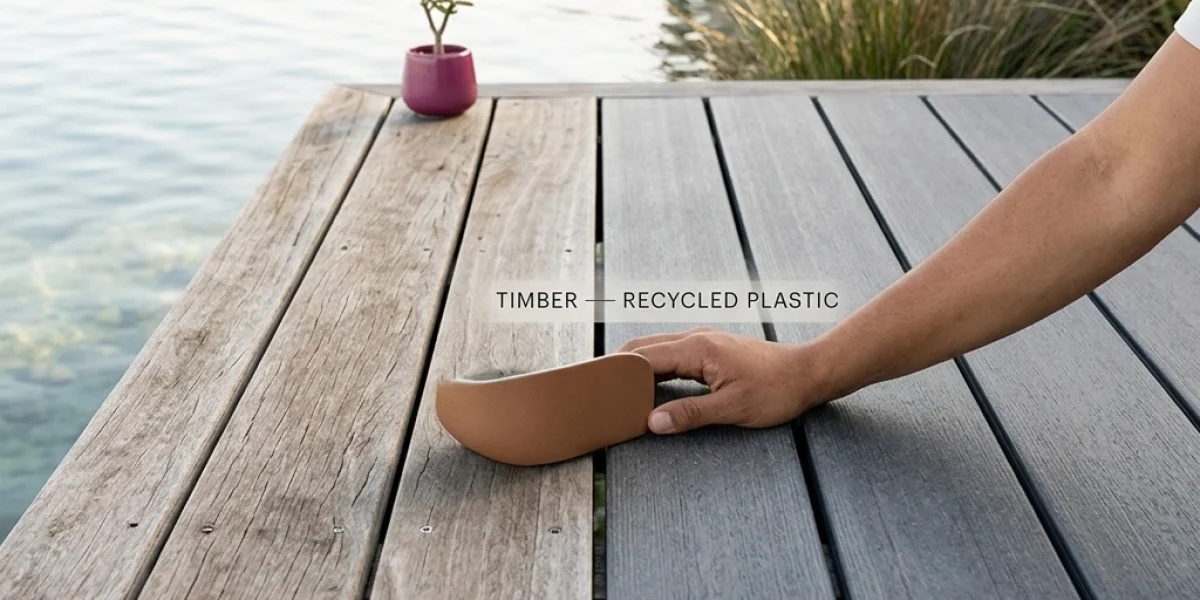
- The Plastic Advantage: Recycled plastic is chemically inert. Saltwater has zero effect on it. This is why local councils are replacing rotting timber boardwalks with maintenance-free recycled plastic.
The Maintenance Myth: Time is Money
We often hear that timber is "cheaper." And sure, the upfront cost of a sheet of structural ply might be lower than a custom-manufactured recycled plastic panel. But let’s look at the "hidden" costs of timber over 10 years:
- Year 1: Purchase and install. Seal and oil.
- Year 3: Clean, sand, and re-oil. (Labour + Materials)
- Year 5: Repair rot in corners. Re-oil.
- Year 7: Major sanding and structural check.
- Year 10: Full replacement because the core has turned to mush.
Recycled Plastic Maintenance Schedule:
- Year 1: Install.
- Year 10: Wipe it down with a damp cloth. It still looks exactly the same.
When you're trying to choose the best recycled plastic sheets in Australia, the lack of maintenance is usually the deciding factor for commercial tenders.
Sustainability: The Elephant in the Room
Wait, isn't timber more "sustainable" because it grows on trees? It’s a fair question. Timber stores carbon, which is great. However, for timber to survive in wet areas, it’s often pumped full of toxic chemicals (like CCA) to prevent rot and bugs. These chemicals make the timber non-recyclable at the end of its life: it usually ends up in a landfill where it eventually releases that stored carbon anyway.
Recycled Plastic (The Resourceful Living Way):
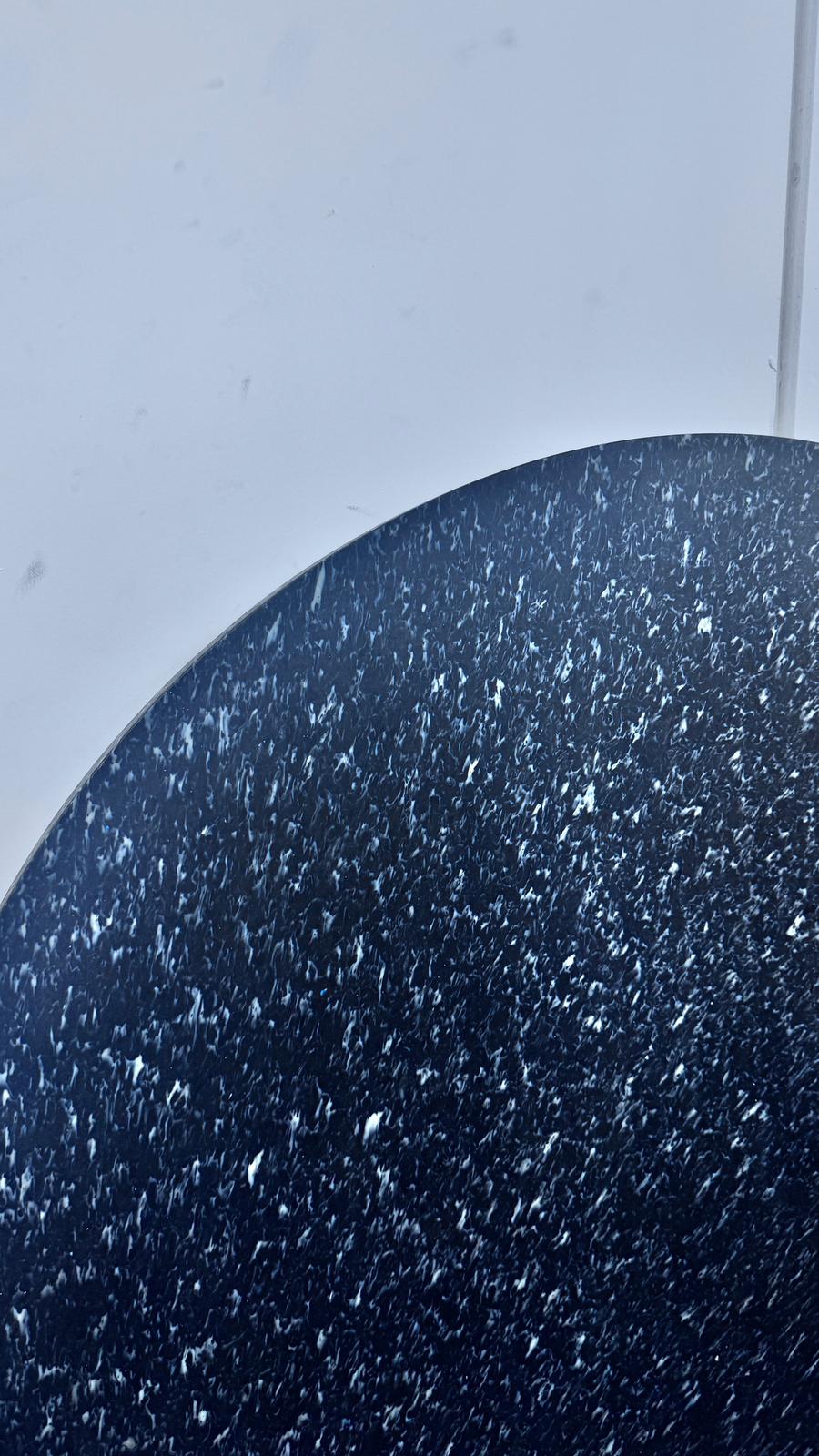
- Circular Economy: We take Australian plastic waste that was destined for the ocean or landfill and turn it into a high-value building product.
- End-of-Life: Our panels are 100% recyclable. If you ever want to change them, we take them back and turn them into new panels. That’s true circular construction.
- Embodied Carbon: By reusing existing plastic, we avoid the massive energy costs of "virgin" plastic production. You can learn more about how this fits into embodied carbon reporting here.
Comparison Summary: At a Glance
| Feature | Timber (Treated/Ply) | Recycled Plastic (HDPE) |
|---|---|---|
| Moisture Resistance | Low to Moderate (Requires sealing) | Extreme (Waterproof) |
| Lifespan in Wet Areas | 3–7 Years | 25+ Years |
| Maintenance | High (Annual oiling/sanding) | Zero (Wipe clean) |
| Pest Resistance | Susceptible to termites/borers | 100% Immune |
| Environmental Impact | Renewable but often chemical-heavy | Waste-diverting & Fully Circular |
| Installation | Standard tools | Standard tools (Work it like wood!) |
How to Work with Recycled Plastic
One of the biggest myths is that you need special equipment to use recycled plastic. You don't.
If you can work with timber, you can work with our panels. You can saw them, drill them, router them, and screw into them using standard woodworking tools. In fact, many of our clients find it easier because there’s no grain to worry about and the material doesn't split.
The Verdict: Which is Better for Your Build?
Look, we aren't saying you should stop using timber altogether. For structural framing in dry areas or internal furniture that isn't near water, timber is brilliant.
But if you are building in moisture-heavy zones: bathrooms, alfresco kitchens, coastal facades, or garden infrastructure: timber is a ticking time bomb.
Recycled plastic is the smarter, tougher, and more resourceful choice. It lasts 5x longer than plywood, requires zero maintenance, and turns a waste problem into a beautiful, functional solution.
Ready to swap the rot for something better?
Check out our full range of recycled plastic sheets or read up on how to hit your Net Zero targets using circular materials.
Stop sanding and start building for the future. Australia’s climate isn’t getting any easier: it’s time your materials stepped up to the challenge.