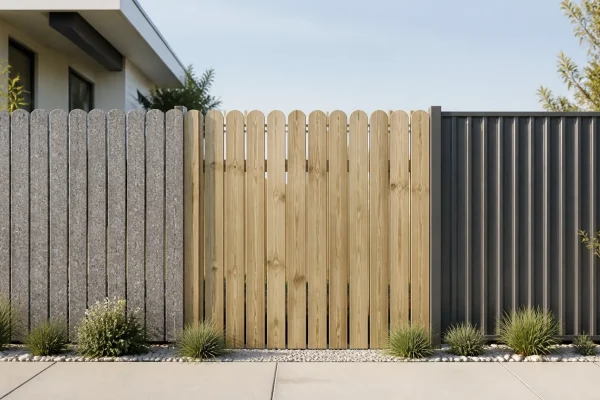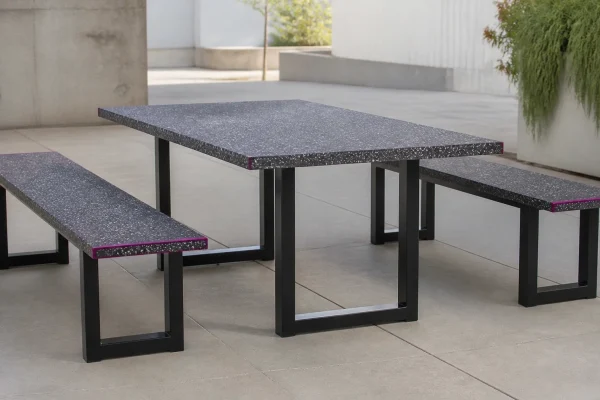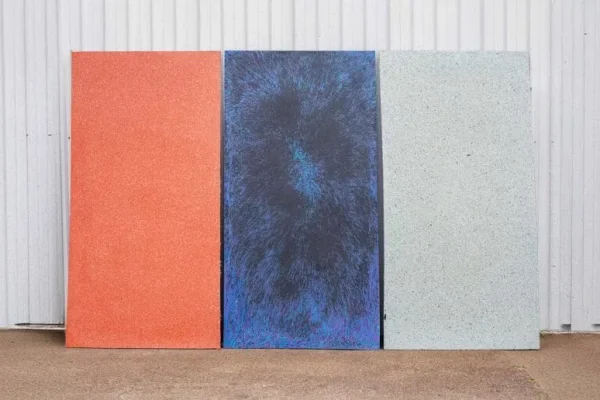
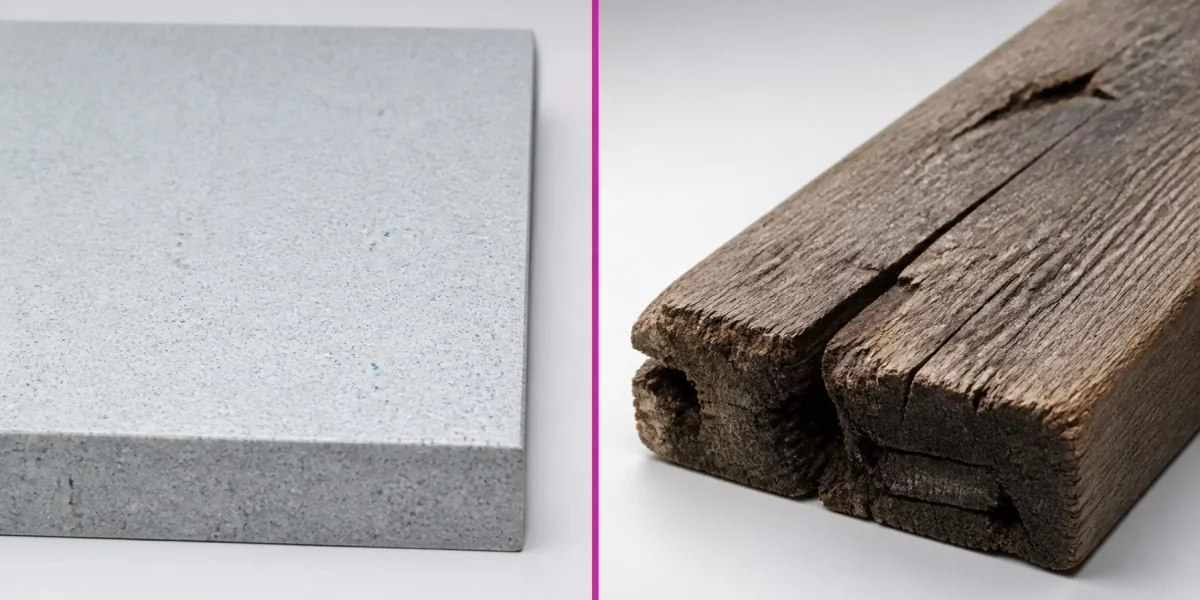
For decades, timber has been the default choice for the Australian built environment. It's familiar, relatively cheap upfront, and "natural." But as we move into 2026, the industry is facing a reckoning. Between tightening embodied carbon reporting standards and the increasing frequency of extreme weather events, the high-maintenance reality of timber is becoming a liability for builders, architects, and facility managers alike.
At Resourceful Living, we see the data every day. The shift toward 100% recycled plastic panels isn't just a "green" trend; it’s a pragmatic response to the performance failures of traditional materials. If you’re tired of replacing rotting plywood or oiling decks every twelve months, it's time to look at the hard metrics.
The Durability Breakdown: Recycled Plastic vs. Timber
When evaluating materials for long-term infrastructure, "durability" isn't just a buzzword: it’s a measurement of structural integrity over time. While timber is a biological material prone to decay, rHDPE (recycled High-Density Polyethylene) is an inert, solid block of performance.
Comparison Table: Performance at a Glance
| Feature | Treated Timber (Pine/Hardwood) | Recycled Plastic (Resourceful Living rHDPE) |
|---|---|---|
| Expected Lifespan | 7 – 15 Years (Outdoor) | 50+ Years |
| Moisture Absorption | 15% – 30%+ (Leads to rot/warp) | 0% (Completely Waterproof) |
| Pest Resistance | Susceptible to termites and borers | 100% Immune |
| UV Resistance | High degradation without coating | UV-Stabilised |
| Workability | Standard tools | Standard tools (Works like wood) |
| End-of-Life | Landfill or incineration | 100% Recyclable (Closed Loop) |

The 0% Absorption Factor: Why Moisture Kills Timber
In the Australian context: particularly in coastal regions or tropical zones like Northern Queensland: moisture is the primary enemy of construction materials. Timber, even when pressure-treated, is porous. It breathes, which means it absorbs water, expands, contracts, and eventually cracks.
This cycle of swelling and shrinking doesn't just affect aesthetics; it compromises fasteners. Screws pull loose as the wood fibres degrade around them. In contrast, our recycled plastic panels have a 0% moisture absorption rate.
✅ Why this matters for your 2026 project:
- Zero Rot: You can submerge these panels in water indefinitely without structural change.
- Dimensional Stability: They won't warp or bow in high-humidity environments.
- Salt Resistance: Ideal for coastal jetties and beachfront signage where salt spray destroys timber grain within years.
For a deeper dive into how these materials handle the most aggressive environments, see our guide on Recycled Plastic vs. Timber for High-Moisture Builds.
The Maintenance Trap: Counting the Hidden Costs
The most common mistake procurement teams make is comparing materials based on upfront invoice price alone. On paper, timber often looks 20–30% cheaper. However, when you factor in the Total Cost of Ownership (TCO), the math flips dramatically in favour of recycled plastic.
20-Year Maintenance Data Comparison
If we look at a standard 100m² installation over two decades, the "Cheap" timber option starts to look very expensive.
| Cost Element | Treated Timber Plywood | Resourceful Living rHDPE |
|---|---|---|
| Initial Material Cost | $10,000 | $18,000 |
| Annual Cleaning/Oiling | $1,200 (Labour + Materials) | $0 (Wash down only) |
| Major Repairs (Year 10) | $4,500 (Partial replacement) | $0 |
| Full Replacement (Year 15) | $12,000 (Inflation adjusted) | $0 |
| 20-Year Total | $44,500+ | $18,000 |
"If timber forces you into a maintenance programme, rHDPE lets you buy performance once and stop paying the 'annual penalty'." : Jess Hodge, Founder of Resourceful Living.
By choosing recycled plastic, you aren't just buying a panel; you're buying back your time and budget. This is why local councils are leading the shift to plastic-based infrastructure.

Termites and Pests: The Buffet vs. The Barrier
In many parts of Australia, building with timber is essentially providing a free buffet for termites. While chemical treatments exist, they leach into the soil and lose efficacy over time.
Recycled plastic panels are biologically inert. Termites, borers, and marine organisms cannot eat or nest in rHDPE. For ground-contact applications like retaining walls, garden sleepers, or mining site wheel stops, this immunity is a critical safety feature. You can't have a structure fail because the core has been hollowed out by pests.
Sustainability: Meeting the 2026 Circular Standards
As of 2026, many Australian government tenders and commercial contracts now require strict embodied carbon reporting. Timber is often marketed as "renewable," but the reality is complex. Much of the treated timber in Australia involves heavy chemical loads (CCA) that make it hazardous waste at the end of its life.
Resourceful Living panels offer a different path:
- 100% Traceable: We use 100% Australian plastic waste. We know exactly where it came from.
- Low Emissions: Manufacturing 1 tonne of our material per day uses significantly less energy than producing "virgin" plastic or processing heavy hardwoods.
- The Take-Back Program: Unlike timber, which ends up in landfill, our panels are part of a Closed Loop ESG Partner Program. When the project is eventually decommissioned in 50 years, we take the panels back, shred them, and turn them into new products.
You can read more about how this helps you hit your Net Zero targets here.

Workability: Does it Handle Like Wood?
A common myth is that you need specialized industrial equipment to work with recycled plastic panels. You don't.
Our solid block construction is designed to be worked with standard woodworking tools.
- Cutting: Use a standard circular saw or track saw.
- Drilling: Standard HSS bits work perfectly.
- Routing: You can CNC route these panels for signage or intricate retail displays.
- Fastening: Because it's a solid block (not hollow or capped), screws bite and hold with extreme grip strength.
In many ways, it's actually easier to work with than timber because there is no grain. It won't split, splinter, or "blow out" at the edges when you're driving screws close to the margin.
Case Study: Coastal Retaining Wall Success
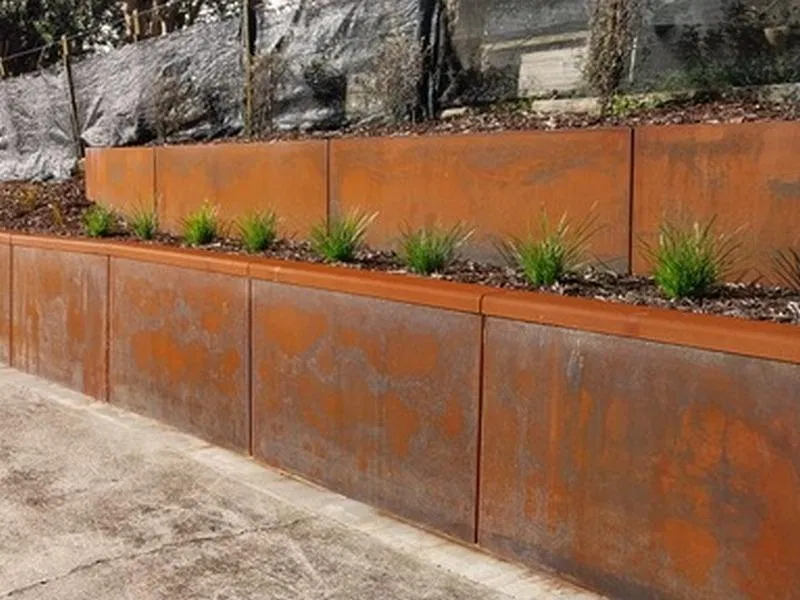
Consider a recent project where a coastal council replaced a rotting timber retaining wall with our rust-effect recycled plastic panels.
The original timber wall had failed after just 8 years due to salt-spray rot and termite damage. The replacement using rHDPE panels not only provided a superior aesthetic: mimicking the look of weathered steel or timber: but it also came with a 50-year structural guarantee. The council eliminated their annual maintenance budget for that site, redirecting those funds to other community projects.
The Verdict: Which Material Should You Choose?
While timber still has its place in internal, dry framing where costs are the absolute priority, the data is clear for almost everything else.
Choose Timber If:
- Your project is internal and protected from all moisture.
- The design life is less than 5 years (temporary structures).
- Upfront capital is extremely limited and maintenance labour is "free."
Choose Recycled Plastic If:
- The project is outdoors or in a wet area (bathrooms, kitchens).
- You want to eliminate ongoing maintenance costs.
- You need to meet Green Star or NABERS embodied carbon ratings.
- You are building in a termite-prone or coastal zone.
Ready to Make the Switch?
The transition to circular construction is no longer optional: it's the new benchmark for the Australian building industry. Don't wait for your timber to rot before you realize there was a better way.
Your Next Steps:
- Audit your current maintenance costs: How much are you spending on oil, sanders, and labour?
- Request a Sample: See the texture and feel the density of our 100% Australian recycled panels.
- Get a Quote: Send us your project dimensions for a TCO comparison.
Stop maintaining the past and start building the future. Browse our full range of 100% recycled plastic sheets today.