Choosing the right material for your next construction or infrastructure project isn't just about the upfront price tag anymore. In 2026, project managers and developers are juggling stringent ESG reporting, rising labour costs for maintenance, and a changing climate that tests the limits of traditional materials.
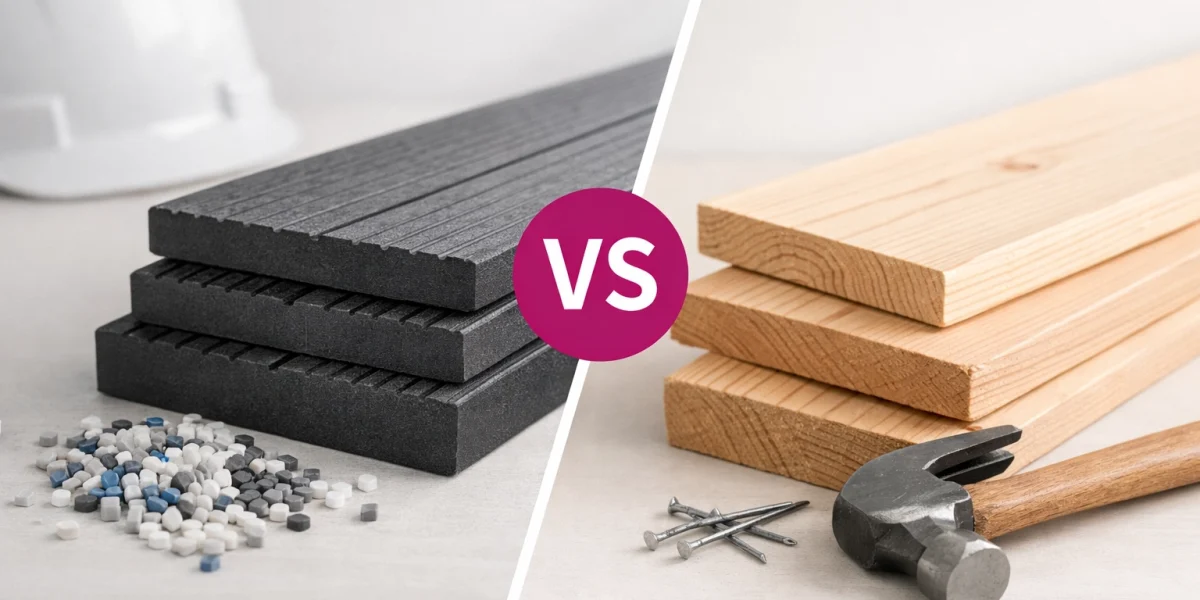
For decades, treated timber and marine plywood were the default choices for everything from site hoarding and landscaping to marine infrastructure. But as we move toward a circular economy, 100% recycled plastic sheets are no longer just an "alternative": they are often the superior engineering choice.
In this guide, we’ll break down exactly how these materials stack up across durability, cost, and environmental impact.
The Definitive Comparison: Recycled Plastic vs. Timber vs. Marine Plywood
When you're comparing materials, you need to look at the entire lifecycle. While timber might be cheaper at the checkout today, the "hidden tax" of rot, termites, and refinishing adds up quickly.
| Feature | 100% Recycled Plastic Sheets | Treated Timber (H4/H5) | Marine Plywood |
|---|---|---|---|
| Expected Lifespan | 50+ Years | 10–15 Years | 5–12 Years (exposed) |
| Moisture Resistance | 100% Waterproof (Zero rot) | Water-resistant (Needs sealing) | High (But prone to delamination) |
| Maintenance | Zero (No painting/oiling) | High (Annual sealing/staining) | Moderate to High (Varnishing) |
| Termite/Pest Proof | Yes (Naturally immune) | No (Requires chemical treatment) | No (Susceptible over time) |
| Workability | Standard woodworking tools | Standard woodworking tools | Standard woodworking tools |
| Sustainability | Circular (100% Recyclable) | Renewable (If FSC certified) | Moderate (Contains glues/resins) |
| Embodied Carbon | Low (Avoids landfill/virgin plastic) | Low (Carbon sequestering) | Moderate (Manufacturing energy) |
| 10-Year Cost | Lowest (Zero upkeep) | Highest (Labour + Materials) | High (Replacement costs) |
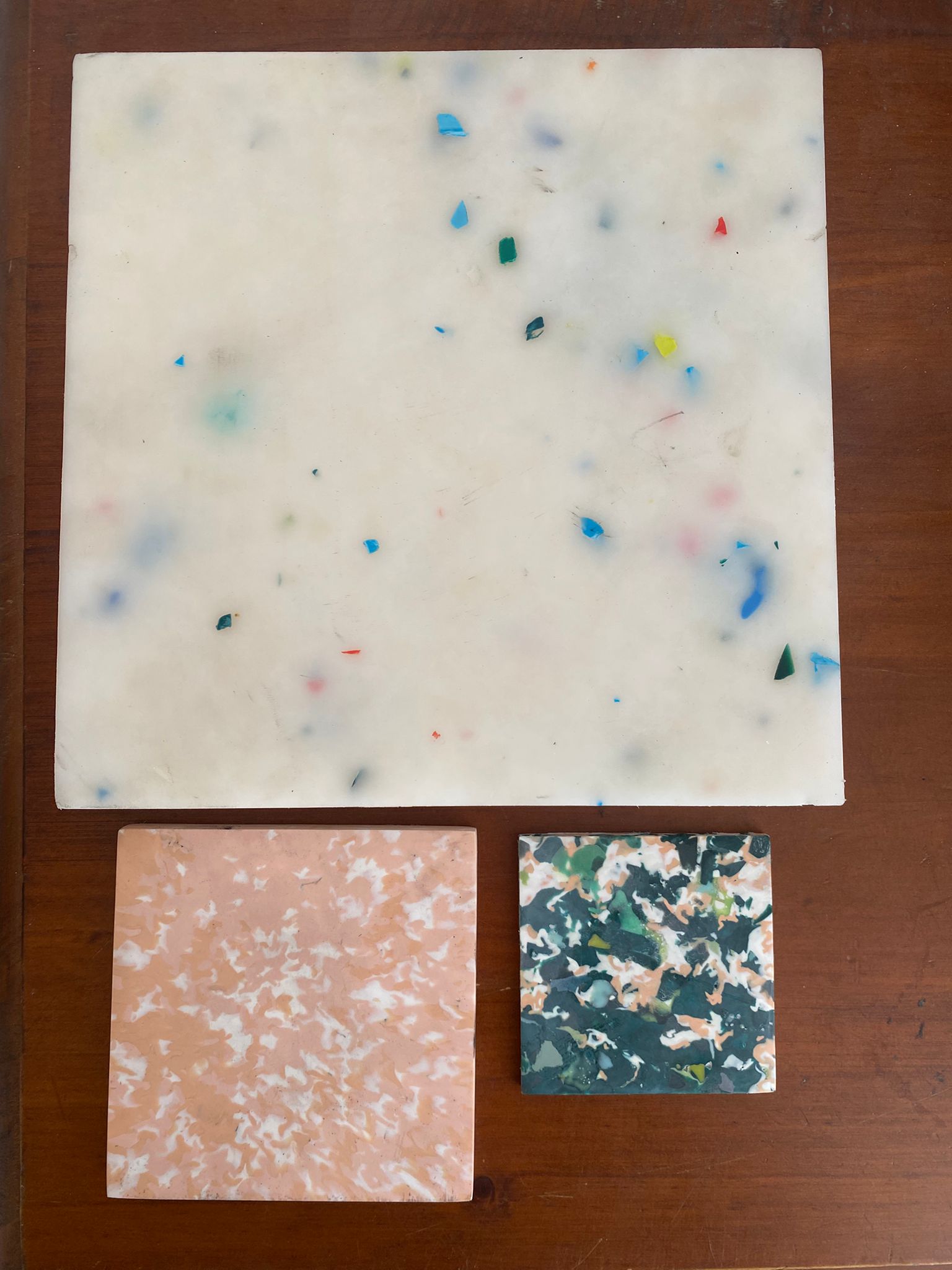
Durability: Fighting Rot, Moisture, and the Australian Sun
In harsh Australian environments: think coastal salt spray or tropical humidity: moisture is the enemy of traditional building materials.
Treated timber relies on chemical infusions (like CCA or ACQ) to ward off rot and insects. However, these chemicals can leach into the soil, and as the wood undergoes natural thermal expansion and contraction, it develops micro-cracks. Once moisture enters those cracks, the structural integrity begins to decline.
100% recycled plastic panels function differently. They are non-porous. This means:
- Zero absorption: They won't swell or warp in flood-prone areas.
- No Splinters: Unlike aged timber, plastic remains smooth, making it ideal for public-facing infrastructure or recycled plastic furniture.
- Chemical Resistance: They stand up to salt water and industrial cleaning agents without degrading.
If you’re deciding specifically for a retail or commercial interior, you might want to see how this compares to high-end ply. Check out our deep dive on Recycled Plastic Board vs Marine Plywood.
Maintenance: The Hidden "Timber Tax"
Let's talk about the cost of ownership. If you install a timber deck or retaining wall in a public space, your budget doesn't stop at installation. You have to factor in:
- Labour costs for sanding and re-staining every 12-24 months.
- Material costs for oils, sealants, and replacement boards.
- Downtime or restricted access during maintenance.
Recycled plastic is "set and forget." It doesn't need to be painted because the colour is consistent throughout the material. If it gets dirty, you simply pressure wash it. For local councils and commercial developers, this represents a massive reduction in operational expenditure (OPEX).
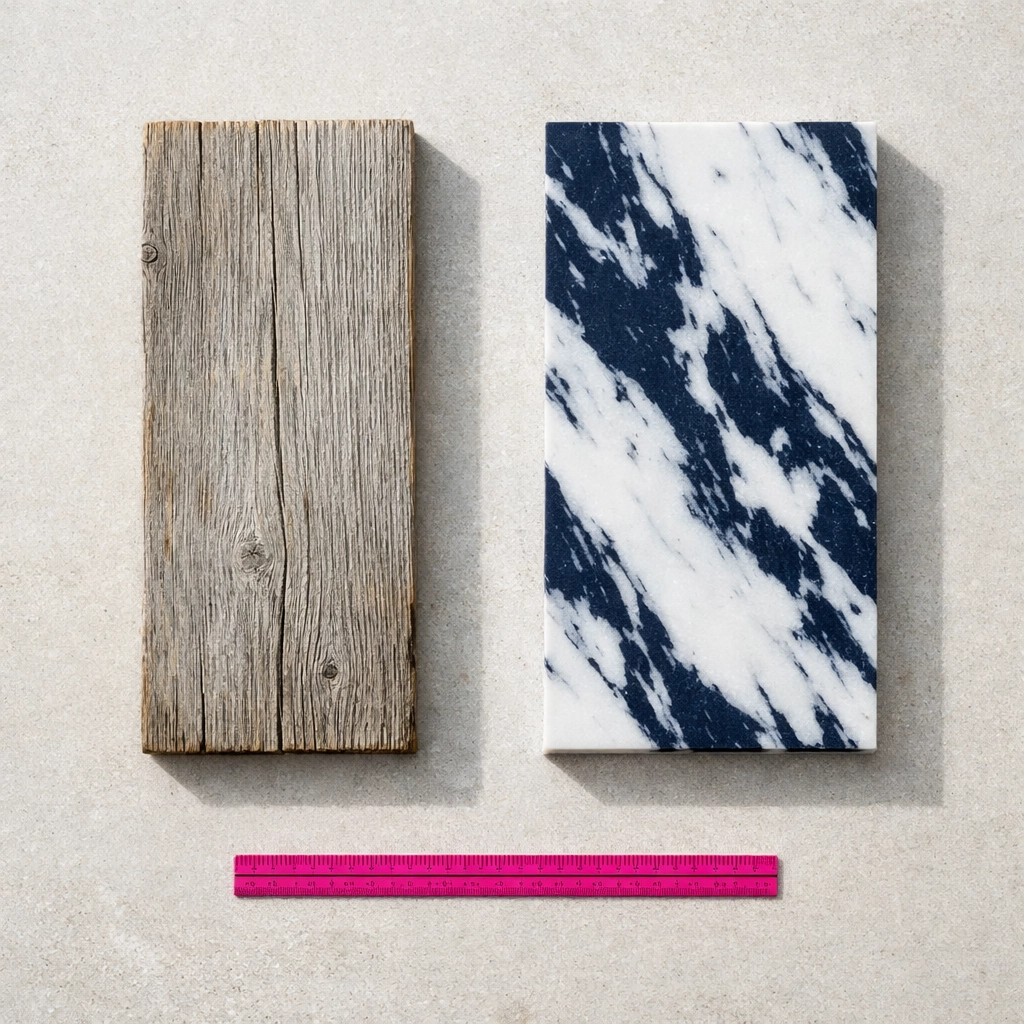
Sustainability and the Circular Economy
In 2026, Australia’s new embodied carbon rules are changing how we source materials. Timber is often touted as the ultimate green material because it sequesters carbon. While this is true for sustainably managed forests, the story changes when you consider chemical treatments and the short replacement cycle of timber in harsh conditions.
Using 1,000kg of Resourceful Living recycled plastic panels:
- Diverts 1 tonne of plastic from Australian landfills.
- Saves approximately 30 trees from being harvested for short-term applications.
- Supports Circularity: Unlike treated timber (which often cannot be burned or easily recycled due to chemicals), our panels can be returned to us at the end of their life to be shredded and remade into new products.
This "closed-loop" approach is a cornerstone of circular procurement, helping your project meet NABERS ratings and ESG targets.
The Financials: A 10-Year Cost Analysis
Let's look at a hypothetical comparison for a 100m² public walkway.
| Cost Item | Treated Timber | 100% Recycled Plastic |
|---|---|---|
| Initial Material Cost | $5,500 | $7,500 |
| Installation Labour | $4,000 | $4,000 |
| Maintenance (Year 2, 4, 6, 8, 10) | $5,000 ($1k per cycle) | $0 |
| Replacement Material (Year 10) | $5,500 (End of life) | $0 (40 years remaining) |
| Total 10-Year Investment | $20,000 | $11,500 |
The Verdict: While the upfront cost for recycled plastic is roughly 35% higher, the 10-year total investment is nearly 43% lower than timber. When you extend that to 20 or 30 years, the savings are astronomical.
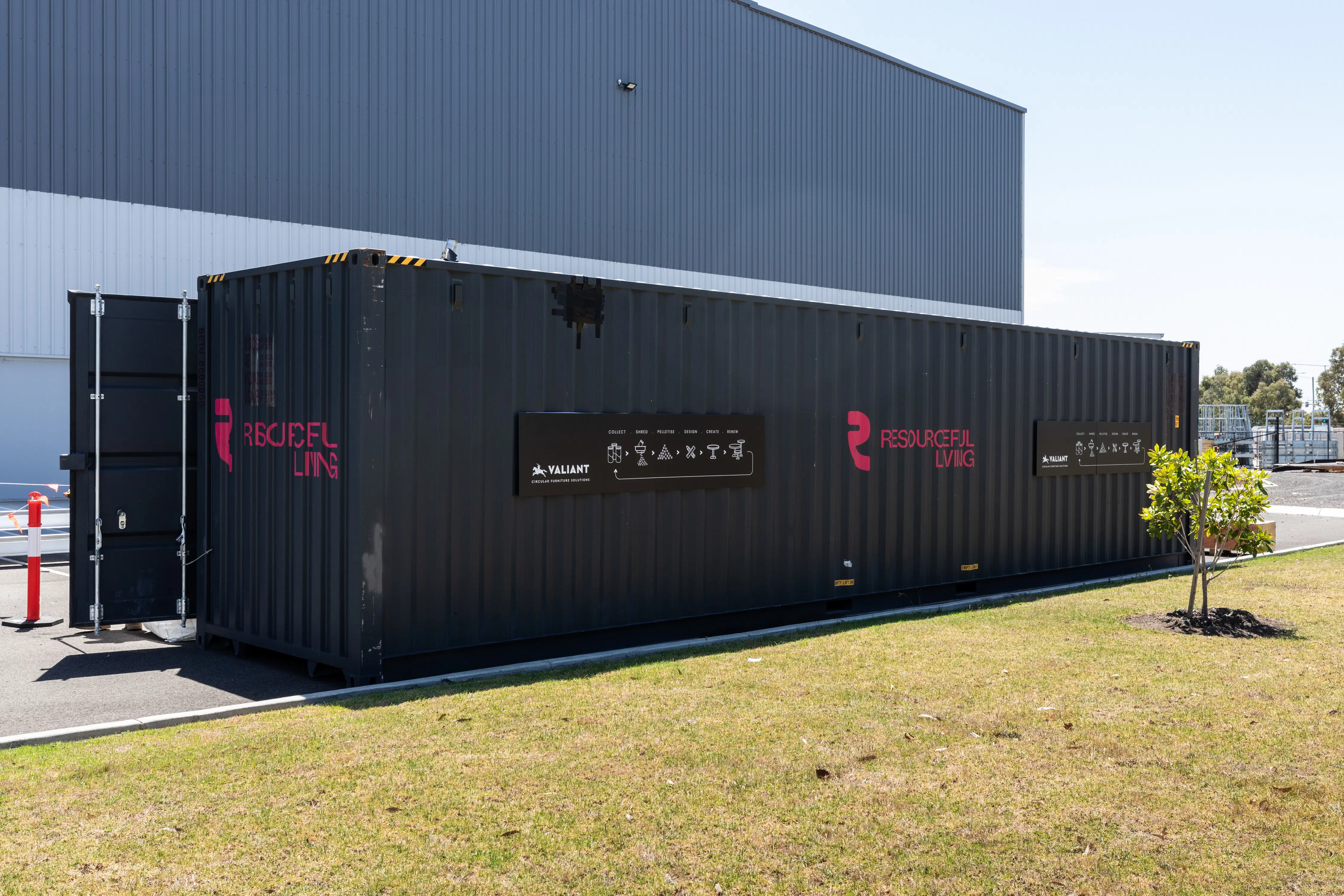
Fire Safety and Compliance
A common question we get is about fire ratings. Many builders assume plastic is a fire risk. However, high-density recycled plastic panels can be engineered to meet specific Bushfire Attack Level (BAL) requirements.
In fire-prone regions across Australia, traditional timber often requires expensive fire-retardant coatings that need frequent re-application. Recycled plastic offers a durable alternative that fits within a sustainable construction procurement strategy.
Best Use Cases: Where Each Material Wins
We aren't saying timber has no place in 2026. It’s about using the right material for the right application.
Choose 100% Recycled Plastic for:
- Marine & Coastal: Jetties, boardwalks, and seawall fendering.
- In-Ground Use: Retaining walls, garden beds, and bollards where rot is guaranteed.
- High-Traffic Public Spaces: Park benches, picnic tables, and playground equipment.
- Industrial Interiors: Wall cladding in wash-down bays or food processing plants.
Choose Timber for:
- Internal Structural Framing: Where the material is protected from the elements and pests.
- Authentic Heritage Restorations: Where visual historical accuracy is mandated.
- Short-Term Temporary Structures: Where the material will definitely be removed within 2-3 years (though even here, recycled plastic hoarding is often more cost-effective).
How to Make the Switch on Your Next Site
If you're ready to move away from the "replace-and-repair" cycle of timber, the transition is simpler than you think. Our recycled plastic sheets can be cut, drilled, and routed using the exact same tools your team already uses for wood.
To ensure you're getting the most out of the material, we recommend following these 3 steps:
- Conduct a Material Audit: Look at your current site waste and maintenance logs. Are you spending too much on timber repairs? Use our waste audit template to get started.
- Check Your ESG Requirements: If your project needs to meet specific low-carbon or circularity goals, recycled plastic panels are an easy win. You can even integrate these panels with your NABERS rating.
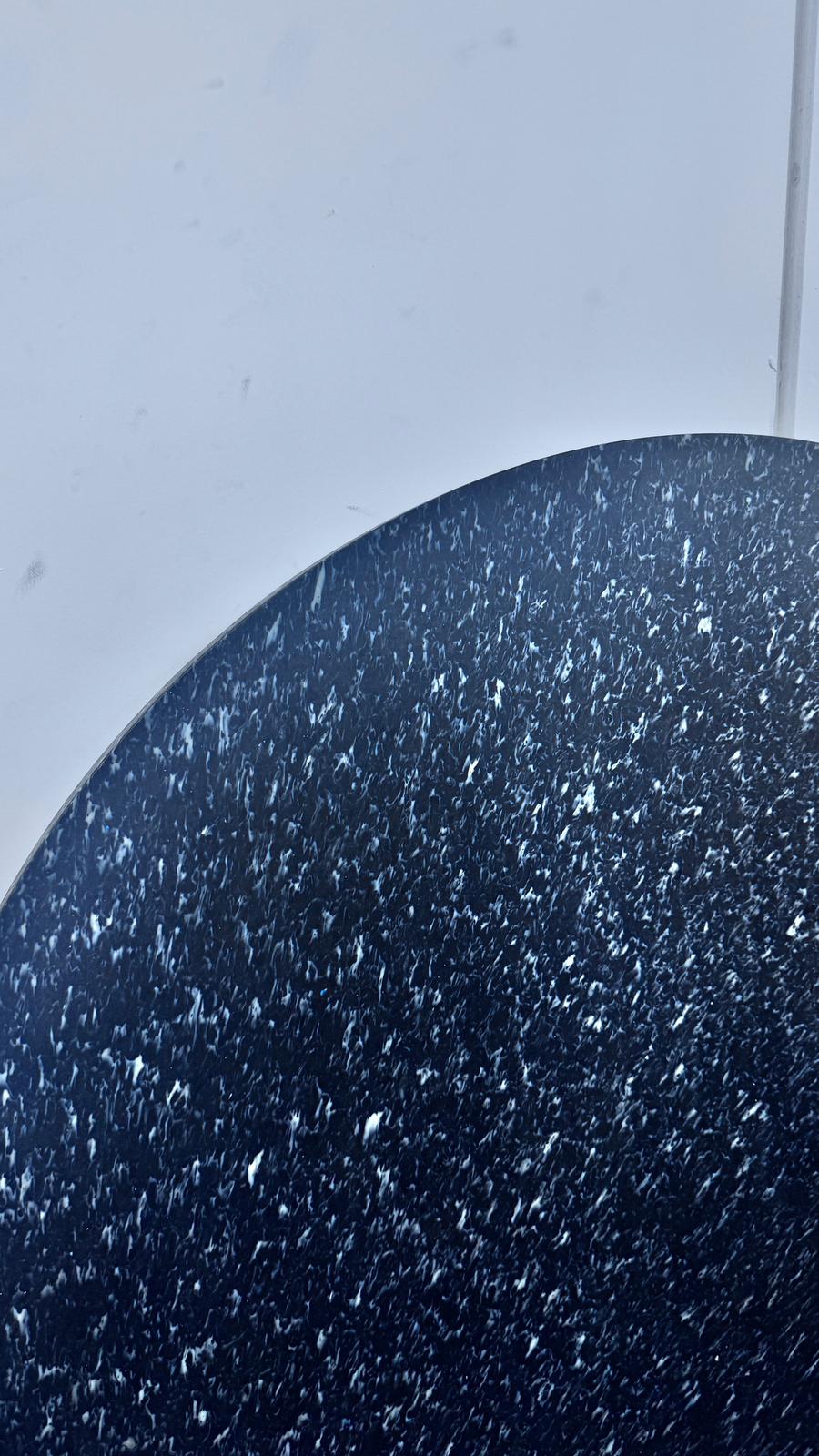
- Request a Sample: Testing the weight and "feel" of the material is the best way to understand its structural density.
Final Thoughts
The "Recycled Plastic vs. Timber" debate is effectively over when you look at the long-term data. While timber remains a beautiful, traditional choice, the economic and environmental realities of 2026 demand materials that last longer, require less work, and keep waste out of our oceans and landfills.
At Resourceful Living, we believe in building for the future: not just for the next few years. By choosing recycled materials, you’re not just saving on maintenance; you’re helping us close the loop on Australian plastic waste.
Ready to specify recycled plastic for your next tender? Download our technical data sheets or contact us to discuss your project requirements.