As we move deeper into 2026, the Australian construction landscape has shifted. It’s no longer enough to just "talk" about sustainability; circularity is now a core requirement for government tenders and large-scale infrastructure projects. When you’re looking at the next phase of your development, you’re likely staring down a choice between the traditional reliability of concrete and the innovative, low-carbon promise of recycled plastic.
But which one actually delivers the best value for your project?
Choosing between recycled plastic vs concrete structural applications isn't just about picking a material; it’s about weighing up embodied carbon, long-term maintenance costs, and site safety. In this guide, we’ll break down how these materials stack up in the 2026 market, specifically through the lens of sustainable building materials in Australia.
1. The Carbon Footprint: A Deep Dive into Embodied Emissions
In 2026, embodied carbon reporting has moved from a "nice-to-have" to a mandatory metric for most Tier 1 contractors. If you’re not tracking the carbon cost of your materials from extraction to installation, you’re already behind.
The Concrete Challenge
Concrete is the backbone of modern civilization, but it comes with a massive environmental price tag. Cement production alone accounts for approximately 8% of global CO2 emissions. While the industry has made strides with low-carbon mixes: replacing a portion of cement with fly ash or slag: the primary structural workhorse remains energy-intensive.
The Recycled Plastic Advantage
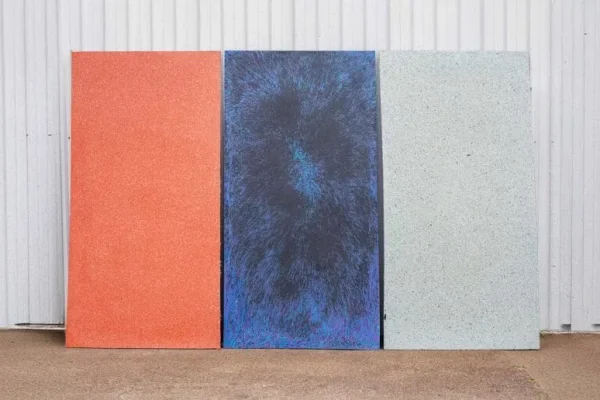
At Resourceful Living, our rHDPE (recycled High-Density Polyethylene) panels represent a radical departure from traditional manufacturing. By diverting Australian plastic waste from landfills and processing it into high-performance sheets, we bypass the heavy emissions associated with virgin material production and cement kilns.
- Waste Diversion: Every tonne of recycled plastic used is a tonne of waste kept out of Australian ecosystems.
- Low-Energy Processing: Unlike the extreme heat required for concrete or steel, recycled plastic manufacturing is relatively low-energy.
- Traceability: With modern local traceability standards, you can prove exactly where your material came from, which is vital for meeting 2026 circularity targets.
"Decarbonising a project often starts with substituting over-specified concrete in non-critical structural roles with high-performance recycled polymers."

2. Structural Performance: Strength vs. Stiffness
When comparing recycled plastic vs concrete structural integrity, we have to be realistic about the engineering.
Where Concrete Wins
For high-rise foundations, heavy-load bridges, and massive retaining walls, concrete’s compressive strength is unparalleled. It is stiff, predictable, and has decades of established building codes. If you are building a 20-storey tower, concrete isn't going anywhere.
Where Recycled Plastic Wins
Recycled plastic excels in strength-to-weight ratio and impact resistance. While it has a lower modulus of elasticity (meaning it’s more flexible than concrete), it is the superior choice for:
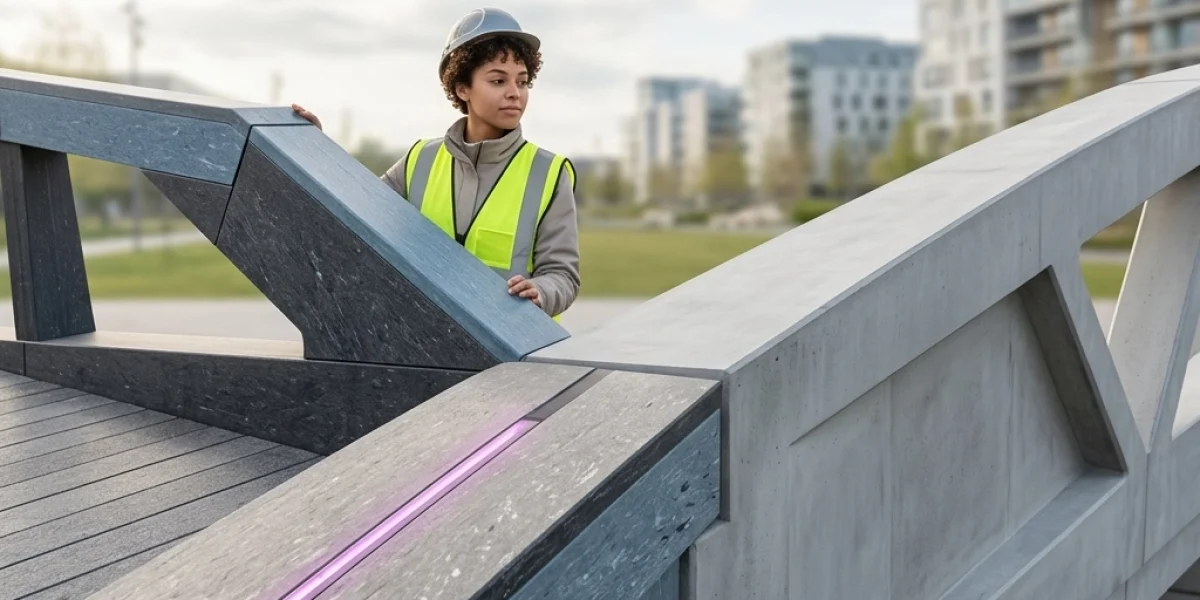
- Low-load infrastructure: Boardwalks, pedestrian bridges, and noise barriers.
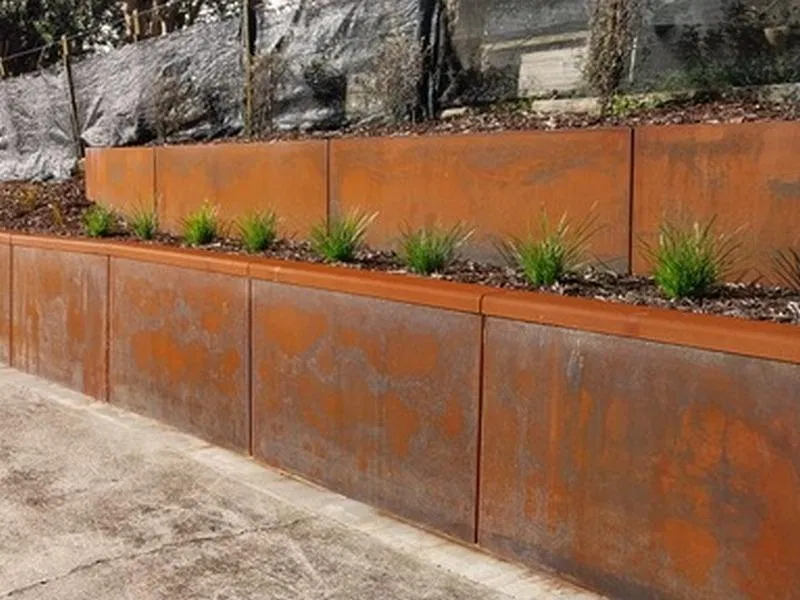
- Modular retaining walls: Where flexibility helps manage soil movement without cracking.
- Marine environments: Where concrete often suffers from "concrete cancer" (rebar corrosion).
For more on choosing between these materials for specific sites, check out our breakdown on sustainable building materials in Australia.
3. Maintenance and The "Zero-Rot" Factor
One of the biggest drains on infrastructure budgets is the lifecycle maintenance cost. Concrete structures are prone to cracking, spalling, and environmental degradation over time.
The Silica-Free Revolution
A major point of concern in 2026 is site safety, particularly regarding crystalline silica. Traditional concrete and stone products pose significant respiratory risks during cutting and installation. Recycled HDPE is 100% silica-free.
When your team is on-site fabricating or installing Resourceful Living panels, there is:
- No risk of silicosis.
- No specialized PPE required for silica dust.
- No toxic leaching into the surrounding soil or water table.
Durability in Harsh Conditions
Unlike concrete, which can be porous and susceptible to salt-spray or chemical erosion, recycled plastic does not rot, rust, or corrode. It is inert. In a coastal Australian environment, a recycled plastic structural element will look and perform the same in Year 10 as it did on Day 1.
4. Why "Australian Made" is Your Secret Weapon in 2026
The global supply chain shocks of the early 2020s taught the Australian construction industry a hard lesson: local matters. By choosing Australian-made recycled plastic, you aren't just hitting a "green" target: you're securing your project timeline.
Supporting the Local Circular Economy
When you specify Resourceful Living products, you are directly supporting the Australian Made and Owned initiative. We take 100% Australian plastic waste and turn it into 100% Australian building materials.

Key Benefits of Local Sourcing:
- Reduced Transport Emissions: Lowering the "Scope 3" emissions in your embodied carbon reporting.
- Supply Chain Security: No waiting for international shipping containers to clear port delays.
- Local Buy Compliance: For many councils and government bodies, being a Pre-Qualified Local Buy Supplier is a non-negotiable requirement.

5. Cost Comparison: Upfront vs. Lifecycle
Let’s talk numbers. Many procurement managers hesitate because the upfront cost per cubic metre of recycled plastic can be higher than standard-grade concrete. However, this is a narrow way to view a budget.
Total Cost of Ownership (TCO)
When you factor in the following, recycled plastic often emerges as the more economical choice:
- Installation Speed: Recycled plastic panels are lightweight and can often be installed without heavy machinery or specialized concrete pumping crews.
- Zero Maintenance: No sealing, no patching cracks, and no anti-corrosion treatments required.
- End-of-Life Value: In a truly circular economy, these panels can be reclaimed and recycled again at the end of their 50-year lifespan. Concrete, conversely, often ends up as low-value road base.
For a detailed look at how these savings manifest, read our 10-year total cost of ownership breakdown.
6. Making the Switch: A 2026 Decision Framework
If you’re deciding between recycled plastic vs concrete structural components for your next project, ask yourself these four questions:
- Is the load-bearing requirement critical or secondary? If it’s a primary bridge pier, use low-carbon concrete. If it’s the bridge decking or a retaining wall, go with recycled plastic.
- Is the environment corrosive? For marine, high-moisture, or chemically sensitive sites, recycled plastic's rot-resistance is a massive advantage.
- What are the safety requirements? If you want to eliminate silica dust risk on-site, recycled plastic is the clear winner.
- How much does "Australian Made" matter to your client? If you are pitching for a government project, local content and circularity are your strongest selling points.
The Future is Hybrid
In 2026, the best projects don't choose one or the other: they use both strategically. They use low-carbon concrete where they need mass and stiffness, and they use sustainable building materials in Australia like our recycled plastic panels where they need durability, safety, and circularity.
Ready to see how Resourceful Living can help you hit your 2026 sustainability targets?
Whether you’re looking for circular construction solutions or need to meet strict government recycled content targets, we’ve got the local, traceable materials to make it happen.
Let’s build something that lasts( without the carbon hangover.)