If you're managing a build in 2026, you know the drill. It’s no longer just about the bottom line; it’s about embodied carbon reporting, material traceability, and meeting those tightening Australian building standards. When it comes to structural or semi-structural infrastructure, the default choice for decades has been concrete.
But things are shifting. Recycled High-Density Polyethylene (HDPE) is moving from "experimental" to "essential."
So, how does the old-school heavyweight (concrete) stack up against the new-age performer (recycled plastic)? We’ve broken it down into a three-minute read so you can make an informed call for your next tender.
The Weight Problem: Logistics and Site Safety
Let’s start with the most obvious difference: density. Concrete is heavy, unforgiving, and expensive to move.
- Concrete: Requires heavy machinery for even small-scale installations. This means higher fuel costs, more site traffic, and a higher risk of manual handling injuries.
- Recycled HDPE: Roughly one-third the weight of concrete.
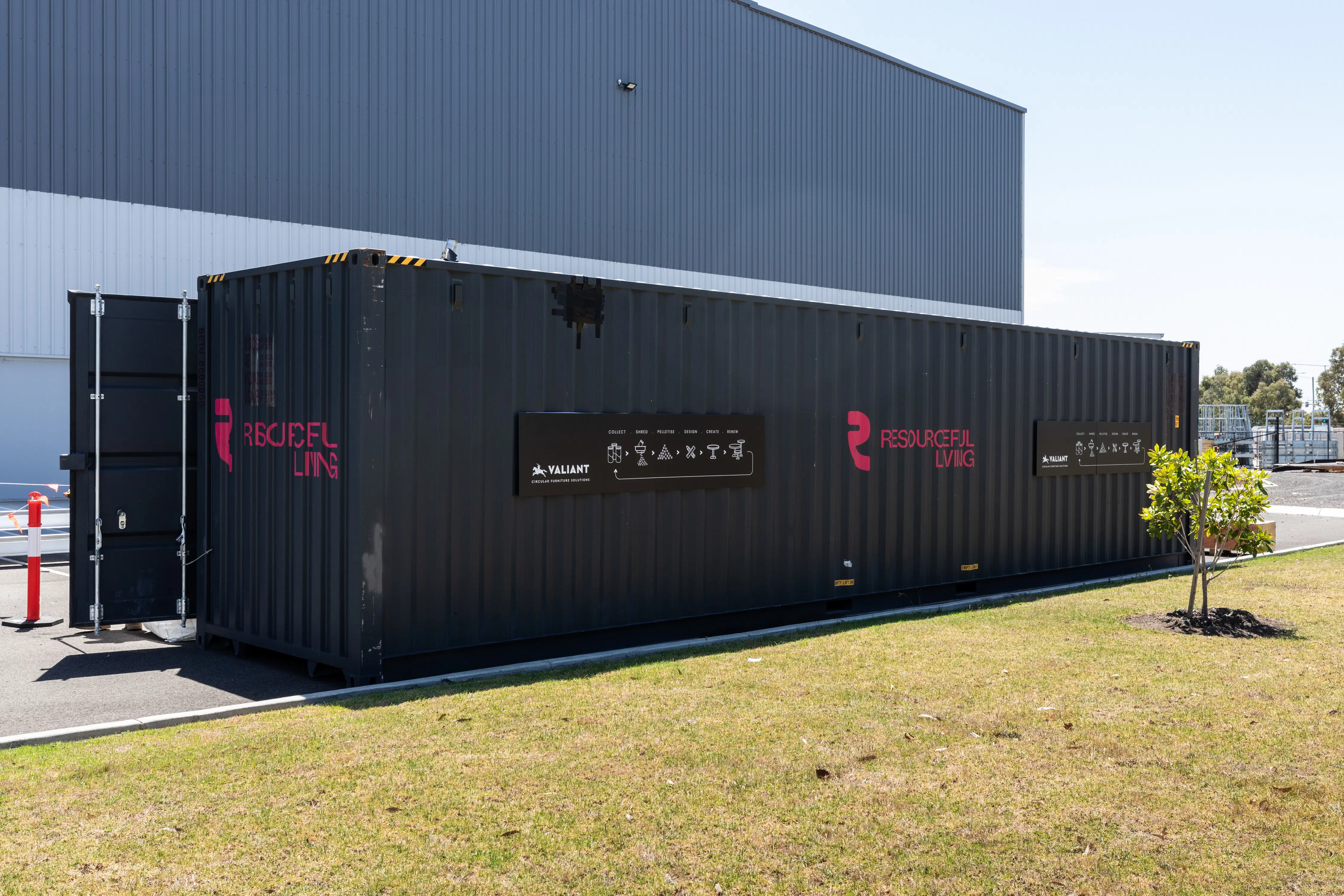
At Resourceful Living, our panels are designed to be handled by smaller crews without needing a crane for every single placement. This isn't just a "nice to have", it’s a massive win for installation efficiency. When you reduce the weight of your materials, you slash your transport emissions and your labour costs in one go.
Structural Integrity: Strength vs. Toughness
We need to clear something up: strength and toughness are not the same thing.
Concrete has incredible compressive strength. It’s built to hold up skyscrapers. However, it is inherently brittle. Once it cracks, the integrity is compromised, and moisture gets to the rebar, leading to concrete cancer, a nightmare for Australian coastal builds.
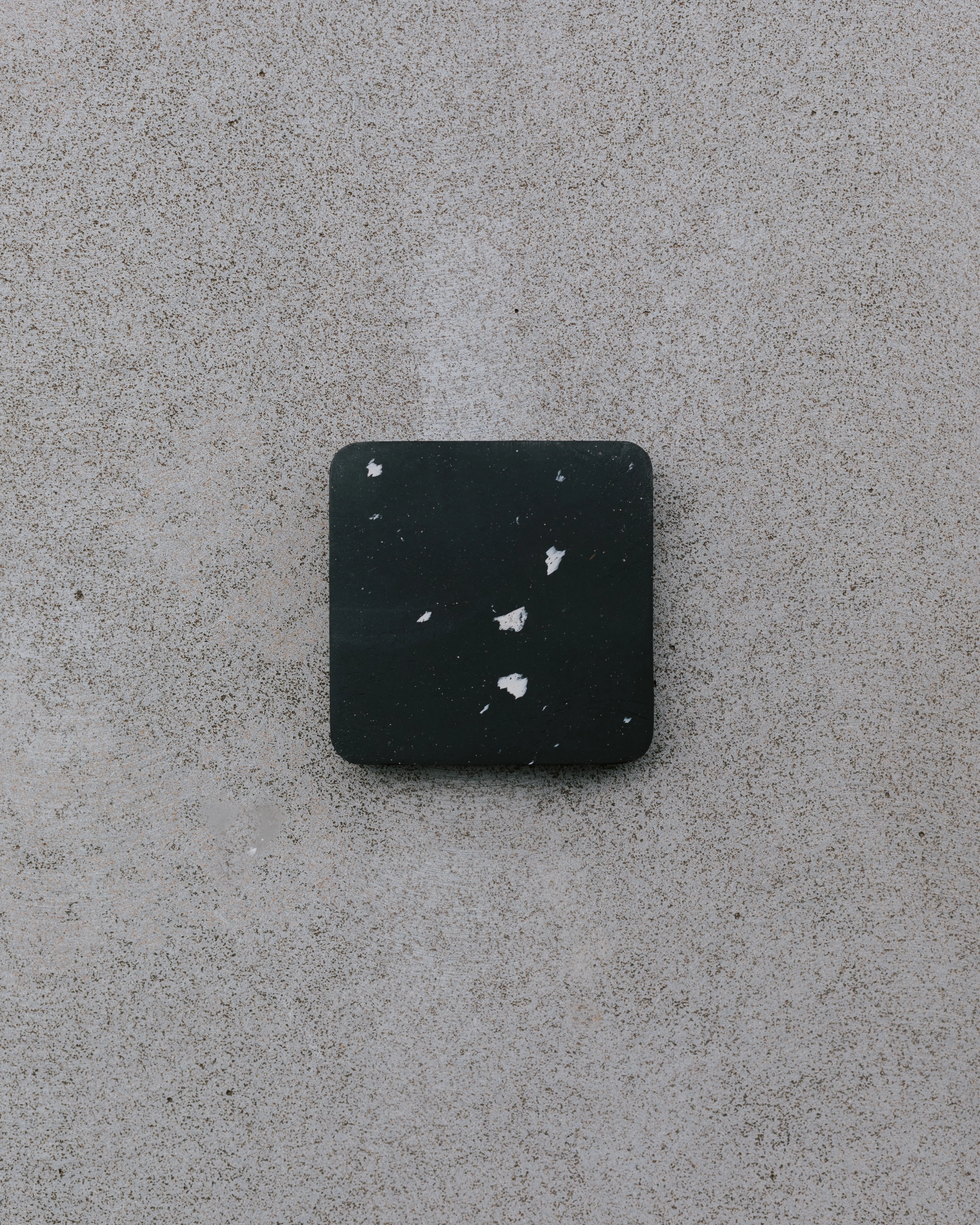
Recycled HDPE panels, specifically the ones we manufacture here in Australia, are tested for high impact resistance. While you wouldn't use a plastic sheet as the primary foundation for a 10-storey building, it is the superior choice for:
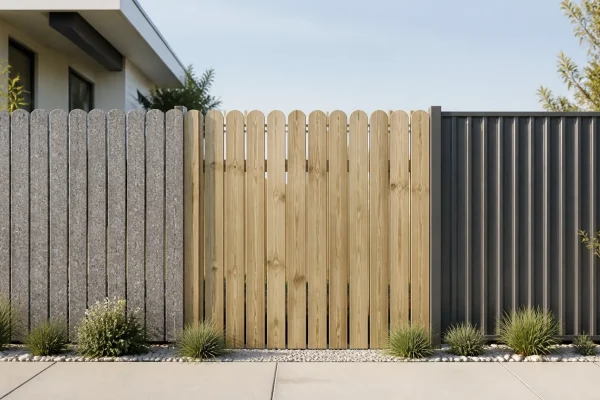
- Retaining walls and garden structures
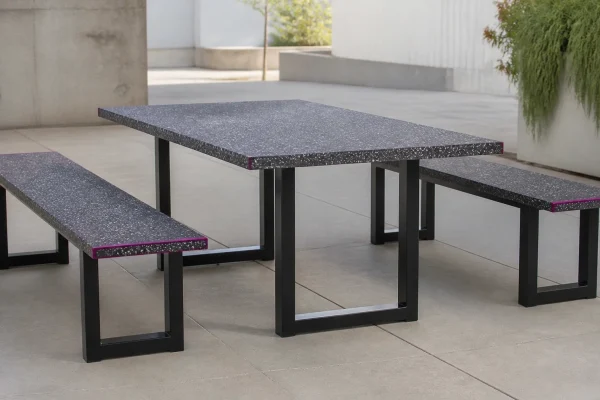
- Public infrastructure like boardwalks and bollards
- Acoustic barriers and cladding
- Internal structural fit-outs
Expert Insight: "Concrete fails through cracking; HDPE fails through deformation. In high-impact environments or areas with shifting soil, the flexibility of recycled plastic is actually its greatest structural asset."
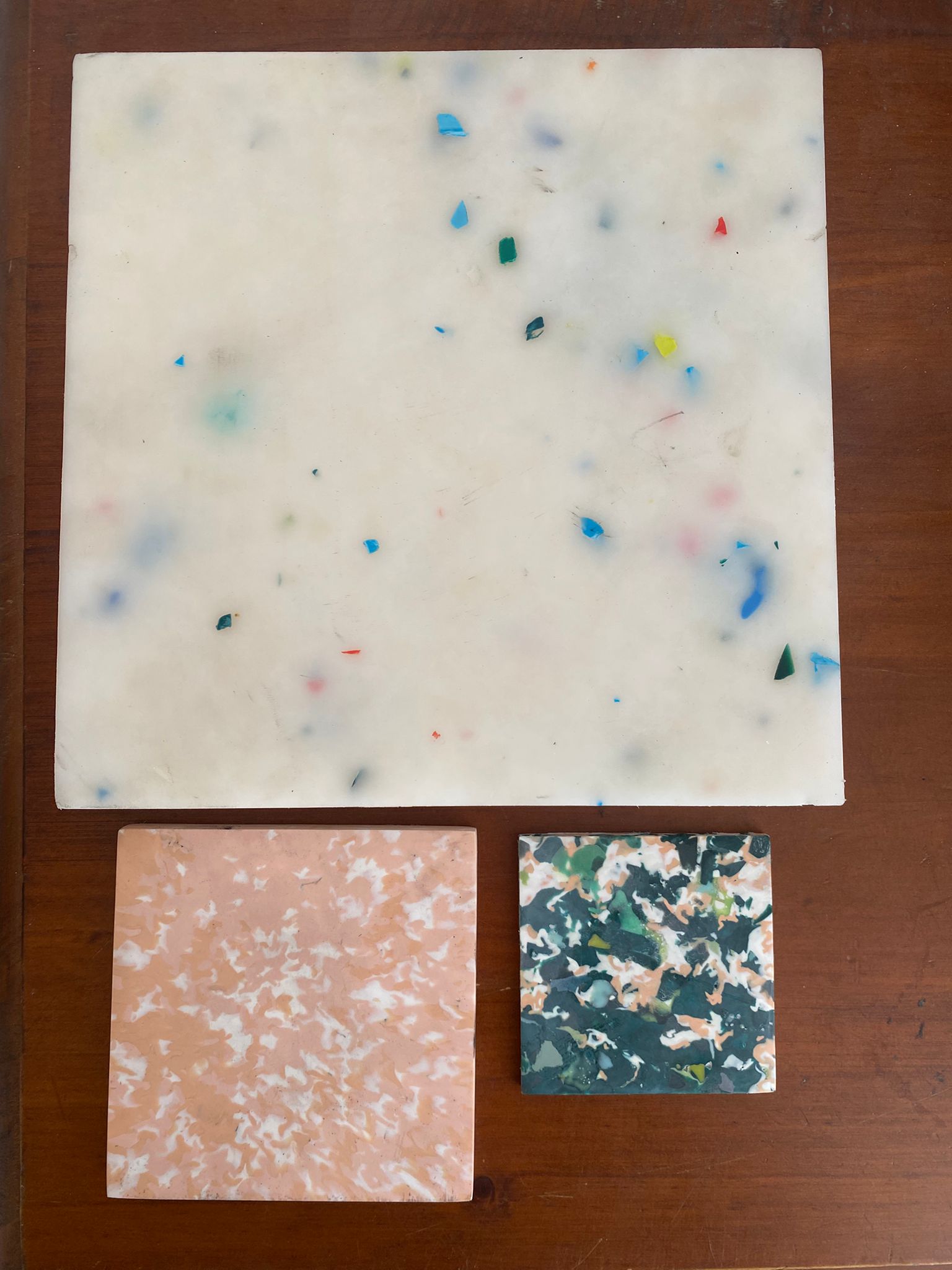
Our HDPE is engineered to handle the harsh Australian sun and heavy-duty use without the risk of shattering or degrading like traditional cement-based products. To see how these materials stack up in specific builds, check out our guide on choosing the best recycled plastic sheets.
The Emissions Battle: Why Your ESG Manager is Sweating
If you’ve seen the latest embodied carbon reporting rules, you know that concrete is under fire.
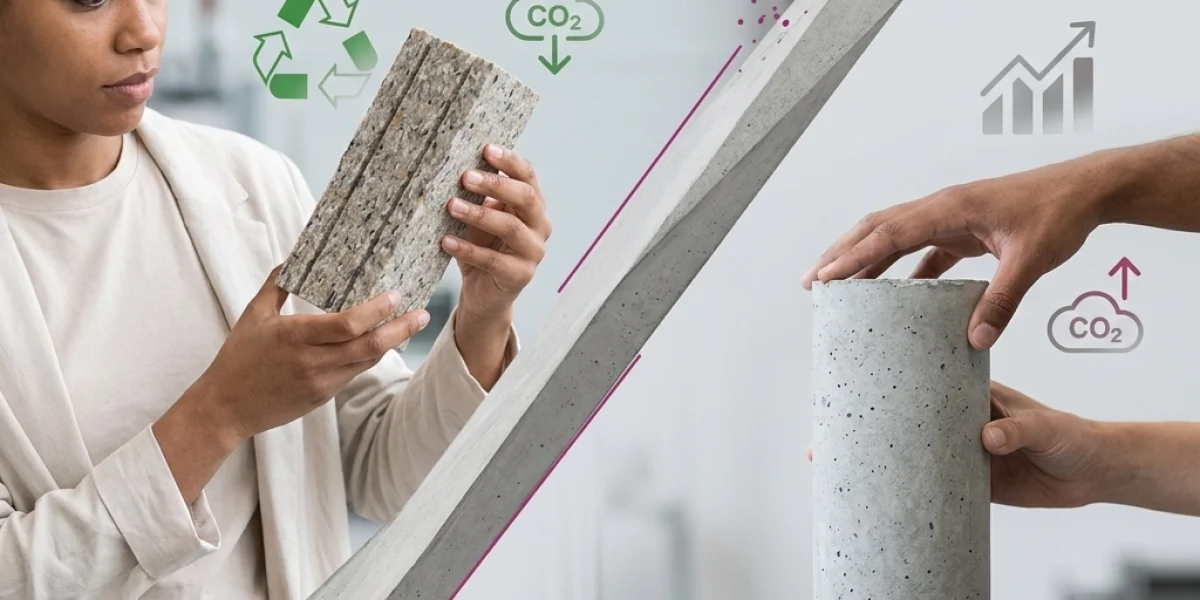
The production of cement is responsible for roughly 8% of global CO2 emissions. It’s an energy-intensive process that involves mining virgin materials and high-heat chemical reactions.
In contrast, choosing recycled plastic is a double win:
- Carbon Sequestration: You are literally locking away plastic waste that would otherwise off-gas in a landfill or be incinerated.
- Low Energy Manufacturing: Creating a recycled HDPE panel uses significantly less water and energy than pouring a concrete slab of the same volume.
By swapping just a portion of your traditional materials for recycled HDPE, you can dramatically lower the embodied carbon of your project, making your bid much more attractive for government and Tier 1 commercial contracts. You can find out more about how this impacts your targets in our article on hitting Net Zero with recycled plastic.

Visual comparison chart: Embodied Carbon of Concrete vs. Recycled HDPE per cubic metre.
Durability and Maintenance: The "Install and Forget" Factor
Concrete might seem "permanent," but it requires constant monitoring. It stains, it spalls, and in Australia’s climate, it’s prone to thermal expansion cracks.
Recycled Plastic is virtually maintenance-free.
- ✅ Impervious to Moisture: Unlike concrete, it won't absorb water or rot.
- ✅ Chemical Resistance: It stands up to oils, acids, and salt spray (perfect for marinas and coastal parks).
- ✅ UV Stabilised: Our panels are designed to withstand the brutal Australian UV index without becoming brittle.
- ✅ Graffiti Resistant: Paint doesn’t bond well to HDPE, making it easy to clean in public spaces.
When you look at the Lifecycle Cost (LCC), recycled plastic often beats concrete. You might pay a similar price upfront, but you’ll spend $0 on sealing, patching, or crack repairs over the next 20 years.
Speed on Site: Why Your Installers Will Thank You
Have you ever tried to drill into 40MPa concrete? It’s loud, it’s dusty (hello, silica risks), and it requires specialised tools.
Working with our recycled HDPE is much closer to working with timber. You can use standard power tools to:
- Cut it to size on-site.
- Drill holes for fasteners.
- Router the edges for a clean finish.
There’s no "curing time." You don't have to wait 28 days for a panel to reach its full strength. You install it, bolt it down, and move to the next task. This speed can shave days off a project timeline, which we all know is where the real profit is made.
Circularity: What Happens in 50 Years?
This is the clincher. When a concrete structure is demolished, it usually ends up as "clean fill" (landfill) or, at best, gets crushed into low-grade road base.
Our HDPE panels are part of a truly circular economy.
We offer a take-back program. If a project is decommissioned in 30 years, those panels can be sent back to Resourceful Living, shredded, and turned into brand-new panels. This is the definition of circular construction, and it’s exactly what modern procurement officers are looking for.
Quick Comparison Table
| Feature | Concrete (Traditional) | Recycled HDPE (Resourceful Living) |
|---|---|---|
| Weight | Very High (Heavy machinery needed) | Low (Hand-manoeuvrable) |
| Embodied Carbon | High (8% of global CO2) | Low (Diverts waste from landfill) |
| Installation | Slow (Curing time required) | Instant (Mechanical fixing) |
| Maintenance | Regular (Sealing, crack repair) | Zero (UV and rot-resistant) |
| Tooling | Specialised (Hammer drills, masonry bits) | Standard (Timber-working tools) |
| Circularity | Low (Downcycled or landfilled) | High (100% recyclable via take-back) |
Which One Should You Choose?
Concrete still has its place for primary load-bearing foundations and high-rise structural cores. However, for almost everything else: cladding, public infrastructure, fit-outs, and site amenities: recycled plastic is the smarter, faster, and greener choice.
If you're looking to ace your next tender by showing off a lower carbon footprint and a more efficient build schedule, it’s time to look at the numbers. Don't make the common mistakes in circular construction by sticking to "the way we've always done it."

Close-up of a construction worker easily cutting an HDPE panel with a circular saw.
Ready to make the switch?
At Resourceful Living, we’re helping Australian builders move away from carbon-heavy materials and toward high-performance, 100% recycled solutions.
- View our range of recycled plastic panels.
- Read more about the lifecycle of our materials.
- Get a quote for your next project by contacting our sales team today.
Stop pouring emissions into the ground. Start building with the future in mind.