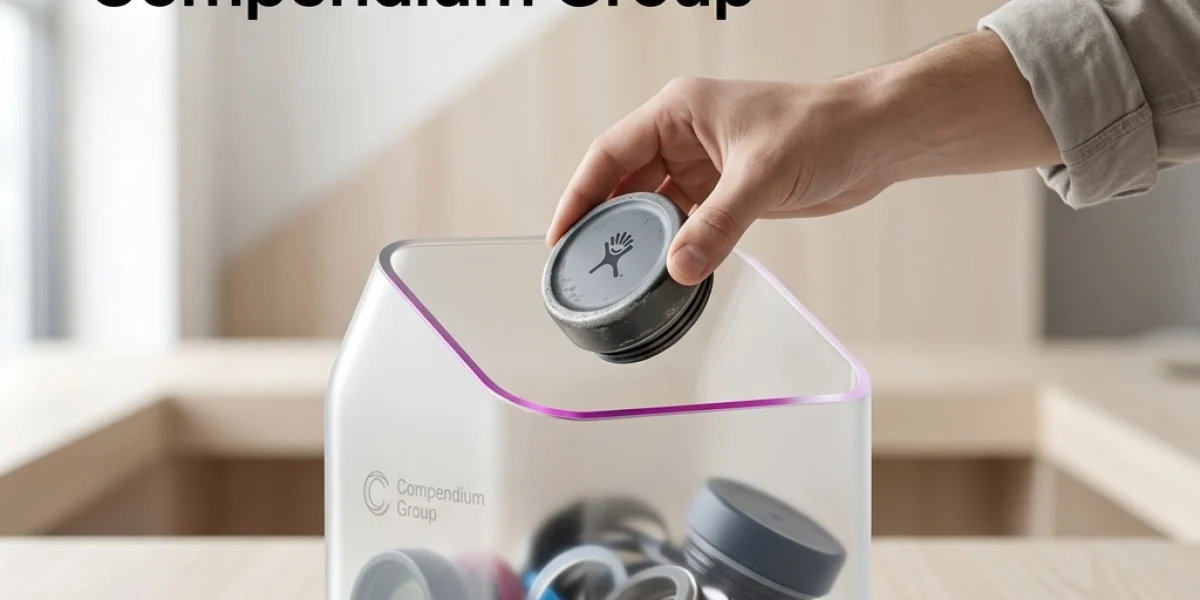
Executive Summary: Transforming a Waste Stream into a Resource
This Research and Development (R&D) proposal outlines a collaborative framework between Resourceful Living and Compendium Group. Our objective is to establish a viable, scalable, and socially responsible pathway for recycling Hydro Flask bottle lids, a complex waste stream that typically evades standard recycling processes due to multi-material construction.
By leveraging our expertise in recycled material manufacturing and partnering with local social enterprises, we aim to provide Caitlin and the Compendium Group team with a data-driven roadmap. This project will move beyond theoretical circularity, delivering a physical prototype and a comprehensive commercial analysis to determine the best future applications for this specific polymer blend.
The Challenge: Why Lids Require a Bespoke Solution
Most people assume that if a bottle is recyclable, the lid is too. However, Hydro Flask lids are engineered for durability, which often means they are composed of multiple components, including hard plastics (typically Polypropylene), silicone gaskets, and occasionally metal pins or hinges.
Standard Material Recovery Facilities (MRFs) are not equipped to dismantle these items at scale. To solve this, we are proposing a "manual-first, mechanical-second" approach. This ensures the purity of the plastic stream, which is critical for maintaining the structural integrity of the final recycled plastic panels.
Strategic Partnership: The Role of Mai Wel
A core pillar of this R&D project is our partnership with Mai Wel, a leading disability support agency. At Resourceful Living, we believe that the circular economy should be as much about people as it is about plastic.
Mai Wel’s role in this project includes:
- Manual Dismantling: Carefully separating the silicone seals and metal components from the plastic lid bodies.
- Contamination Control: Ensuring that only the target polymers enter our granulation line.
- Social Impact: This project provides meaningful, supported employment opportunities, adding a layer of social procurement value to Compendium Group’s ESG reporting.
By involving Mai Wel, we guarantee a level of feedstock purity that automated systems simply cannot match, while simultaneously supporting the local Hunter region community.
R&D Phase 1: Prototype Production
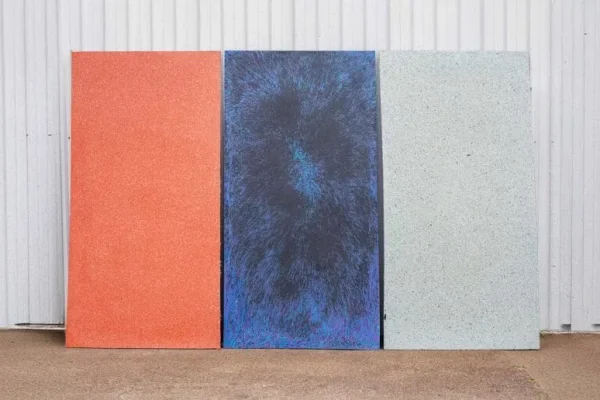
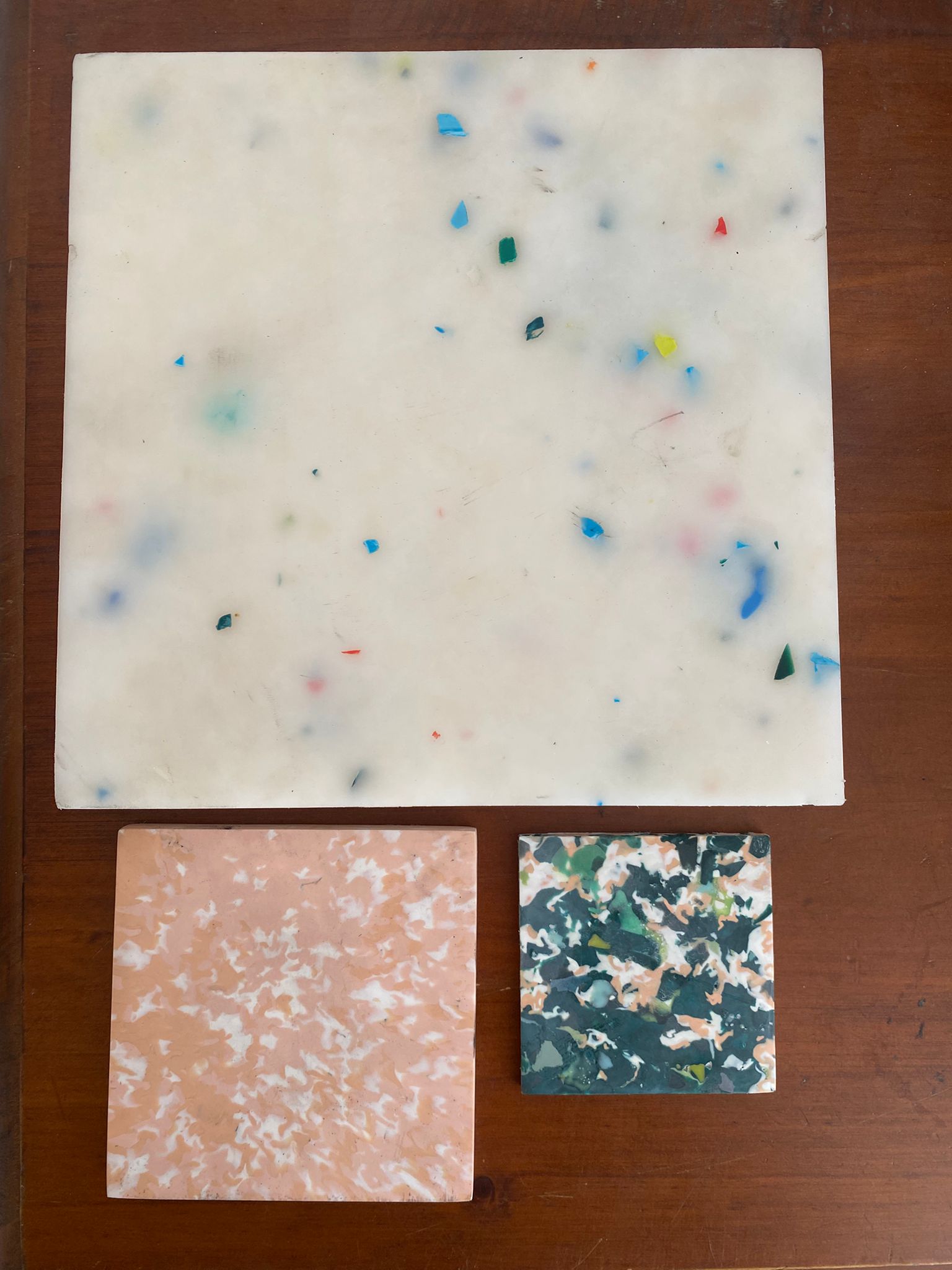
The first tangible outcome of this proposal is the production of a high-quality material sample. We don't just want to tell you the plastic is recyclable; we want to show you the finished result.
Technical Specifications of the Prototype:
- Dimensions: 150mm x 150mm x 12mm.
- Material: 100% Recycled Hydro Flask lid feedstock.
- Process: Thermal compression moulding.
This prototype serves as a "proof of concept." It allows your design team to feel the texture, test the weight, and assess the aesthetic potential of the material. Whether the goal is to create retail displays, furniture components, or bespoke corporate gifts, this sample is the starting point for all circular construction conversations.
Detailed Plastic Analysis and Testing
Not all Polypropylene (PP) is created equal. To ensure the safety and longevity of the products derived from these lids, Resourceful Living will conduct a thorough analysis of the specific plastic types found within the Hydro Flask range.
Our analysis will cover:
- Polymer Identification: Verifying the specific grades of plastic (e.g., PP vs. HDPE) to ensure compatibility during the melting process.
- Contaminant Assessment: Identifying any residual pigments or additives that might affect the bonding process.
- Structural Integrity Testing: Evaluating how the recycled material performs under stress compared to virgin materials.
Understanding these technical nuances is vital for avoiding the 7 common mistakes in circular construction, ensuring that the final product isn't just "green," but also high-performing and durable.
Final Deliverable: The Comprehensive R&D Report
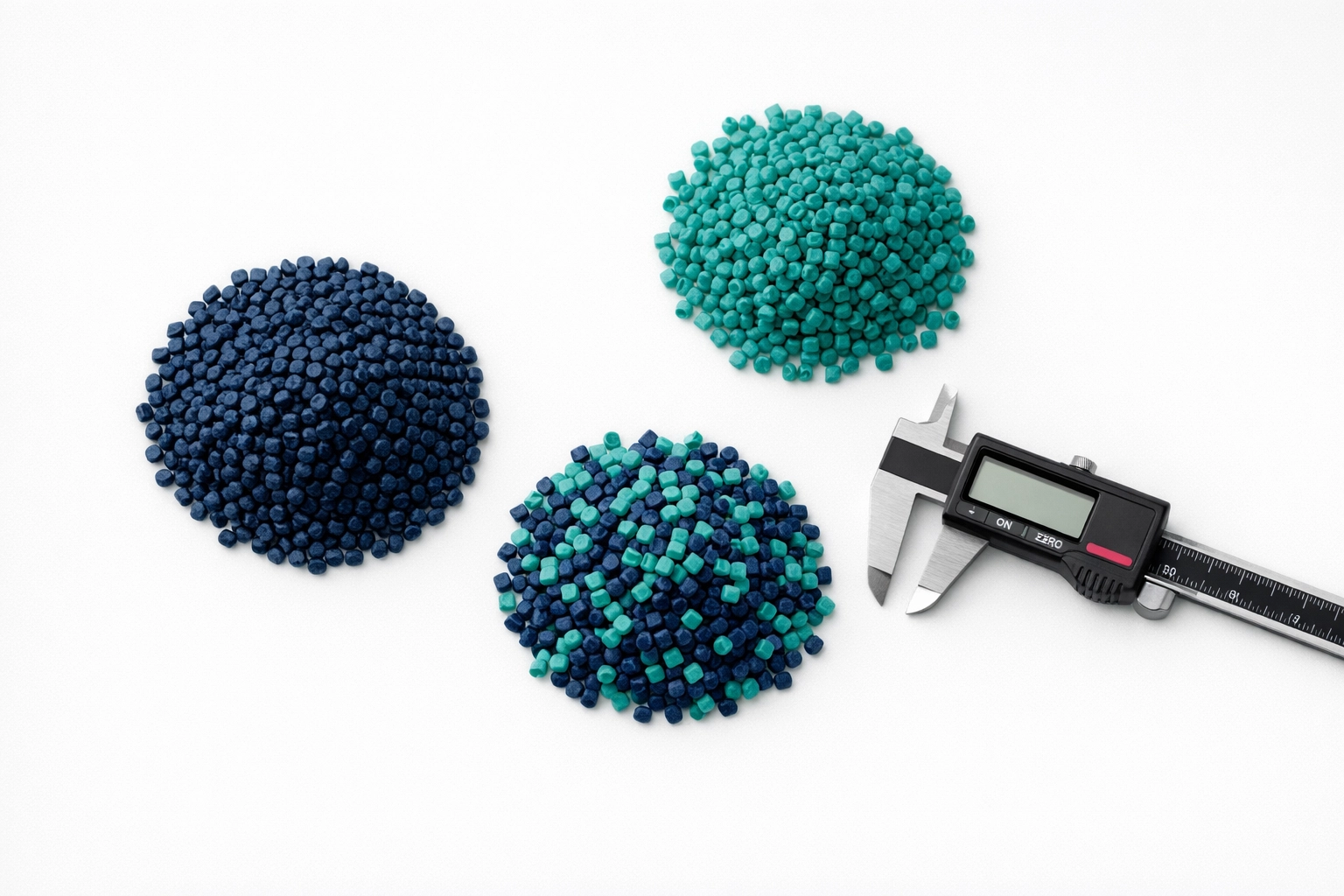
Upon completion of the testing and prototyping phase, Compendium Group will receive a detailed report. This document is designed to be a decision-making tool for Caitlin and the executive team.
The report will include:
- Product Range Recommendations: A list of potential products that can be manufactured using this specific lid-derived material.
- Yield Metrics: Data on the exact quantity of lids required to produce specific items (e.g., "It takes X number of lids to create one retail shelf").
- Estimated Commercial Pricing: Clear, transparent pricing for small-batch and large-scale production runs.
- Environmental Impact Data: Metrics that can be used for embodied carbon reporting, helping Compendium Group demonstrate progress toward Net Zero goals.
Project Investment
The total cost for this comprehensive R&D project is $3,600 (excluding GST).
This investment covers:
- Logistics and coordination with Mai Wel.
- Labour for manual dismantling and metal removal.
- Granulation and processing of the lid feedstock.
- Production of the 150mm x 150mm x 12mm prototype.
- Technical laboratory analysis.
- Development of the final commercialisation report.
Why Resourceful Living?
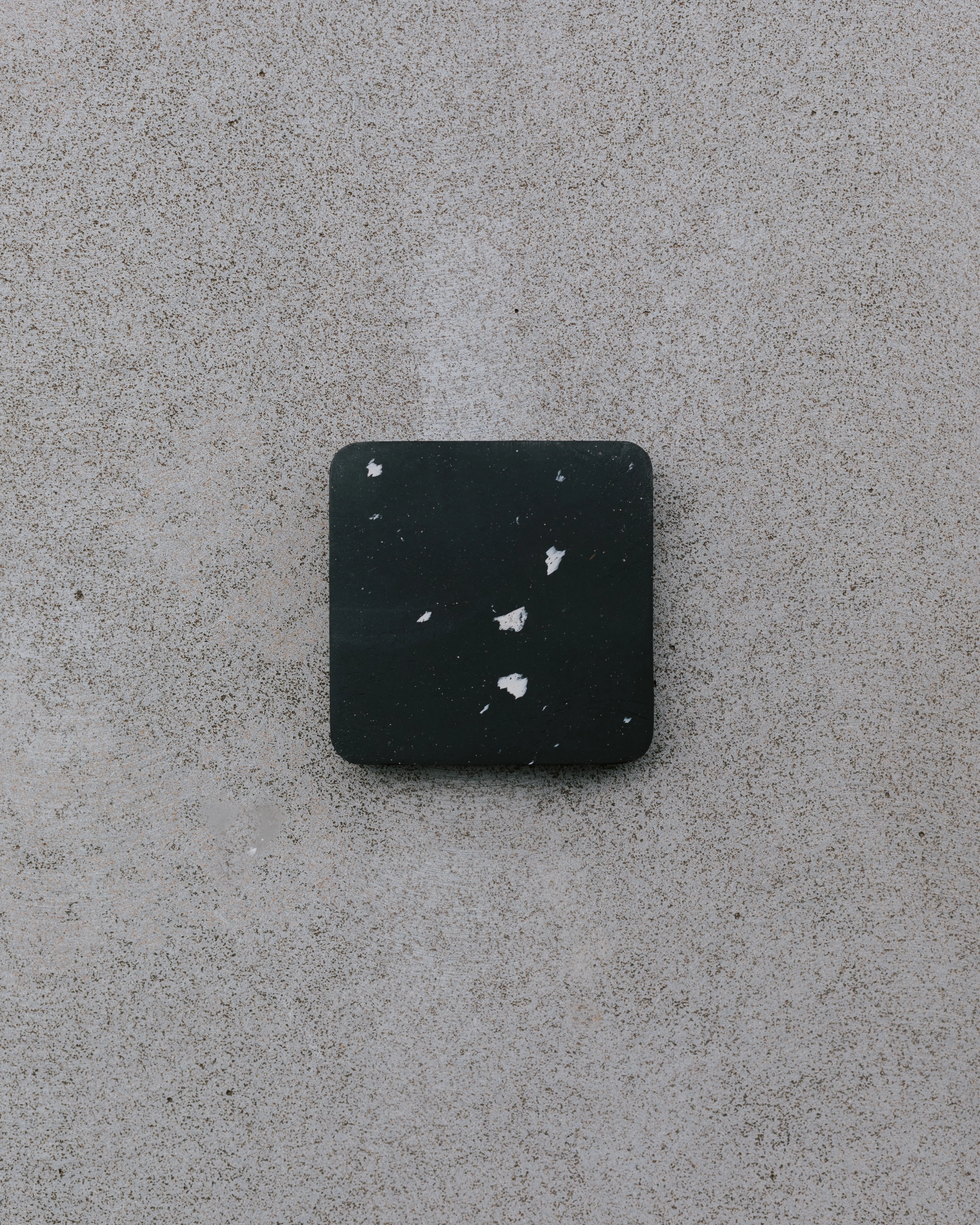
We aren't just a manufacturer; we are your partners in innovation. Our facility is designed to handle the "difficult" waste that others turn away. By choosing to work with us, Compendium Group is opting for a traceable, Australian-made solution that prioritises both environmental and social outcomes.
Our experience in choosing the best recycled plastic sheets ensures that we don't just "downcycle" your waste into lower-value items. We aim to "upcycle" it into high-value, long-lasting assets that keep plastic out of our oceans and landfills for good.
Next Steps
To move forward with this project, we suggest the following timeline:
- Approval: Caitlin to provide formal approval of this R&D proposal.
- Collection: Coordination of lid delivery to the Resourceful Living facility.
- Dismantling: Mai Wel commences the separation process.
- Prototyping: Material processing and sheet production.
- Reporting: Presentation of the final R&D report to Compendium Group.
We are excited about the potential of this project to set a new standard for bottle lid recycling in Australia. This is a chance for Compendium Group to lead the way in product stewardship and demonstrate a truly circular approach to their brand ecosystem.
If you have any questions regarding the technical specifications or the social impact metrics, please don't hesitate to reach out. We look forward to working with you to turn these lids into something extraordinary.
Prepared by: Jess Hodge
Sales, Resourceful Living
Date: 9 April 2026
Learn more about how our materials help businesses hit Net Zero.