If you’re managing a major project in the Australian built environment today, you know the landscape has shifted. It’s no longer just about the bottom line on a spreadsheet; it’s about decarbonisation, circularity, and meeting rigorous ESG (Environmental, Social, and Governance) targets.
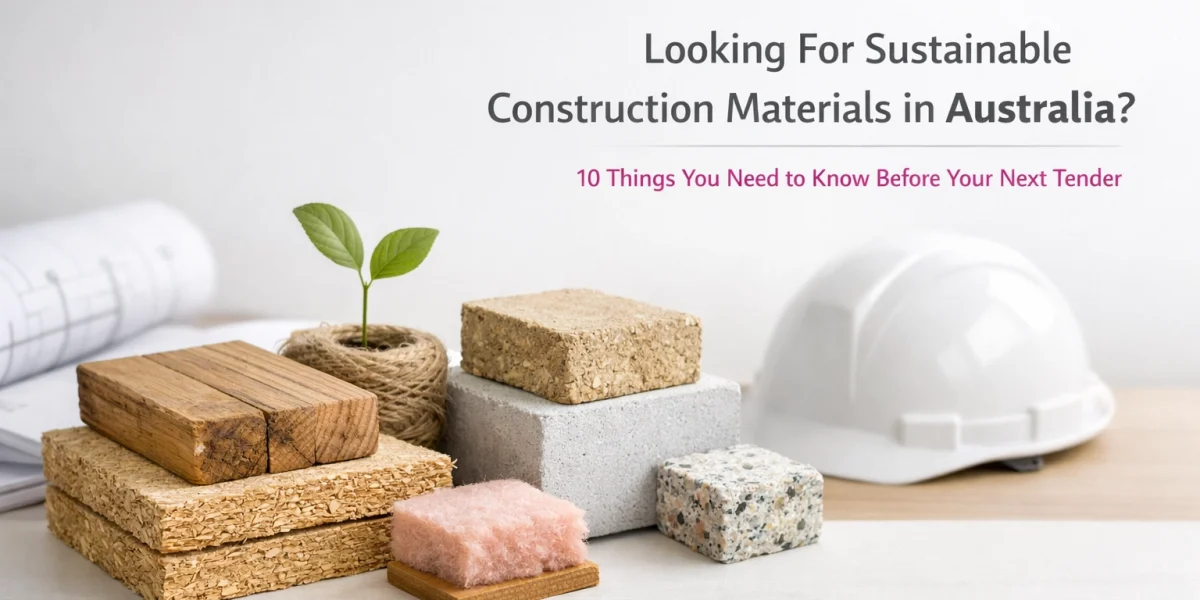
Government departments and private developers alike are now mandating higher percentages of recycled content. Whether you’re working on civil infrastructure, commercial fit-outs, or modular housing, choosing the right sustainable construction materials in Australia is the difference between winning a tender and being left behind.
But here’s the catch: not all "sustainable" materials are created equal. Before you submit your next bid, here are 10 critical things you need to know about navigating the world of recycled plastic building materials and sustainable procurement.
1. Australia’s New Sustainable Procurement Policy is a Game Changer
Gone are the days when "green" was a nice-to-have. Under Australia’s new sustainable procurement policies, contractors are increasingly required to demonstrate exactly how they are meeting recycled content targets.
This isn't just about ticking a box. It’s about traceability. When you’re tendering for a government project, you need to prove where your materials came from. Using 100% Australian-recycled plastic ensures you aren't just meeting a quota, but actively supporting the local circular economy.
2. The "Recycling Lie" and Why Source Matters
Many materials marketed as "recycled" are actually downcycled or, worse, involve massive carbon footprints due to international shipping. To truly lower your project’s impact, you need to look past the marketing.
The reality is that much of what goes into a standard blue bin doesn't end up back in the supply chain. A true circular economy requires materials that can be recovered and reused indefinitely without losing structural integrity.
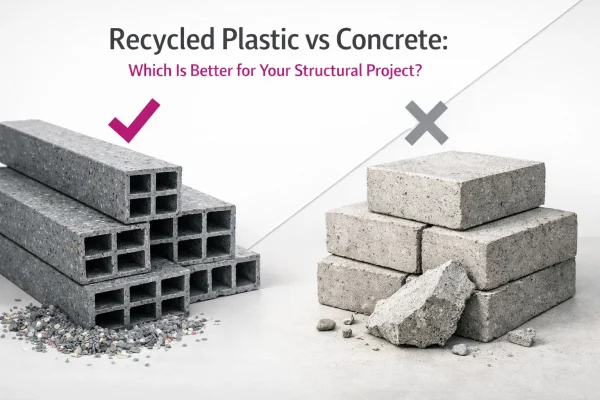
3. Recycled Plastic vs. Traditional Timber and Steel
When evaluating sustainable construction materials in Australia, you have to look at the full lifecycle. While timber is renewable, its performance in high-moisture or high-traffic Australian environments often falls short.
- Timber: Prone to rot, termites, and requires regular chemical treatment (which leaches into the soil).
- Steel: High embodied energy and prone to corrosion in coastal zones.
- Recycled Plastic Panels: 100% waterproof, UV-stabilised, and chemically inert.
In many applications, especially for outdoor infrastructure, recycled plastic boards outperform timber in both durability and long-term maintenance costs.
4. The Power of a "Take-Back" Program
The biggest flaw in traditional construction is the "cradle-to-grave" model. You buy a material, use it, and eventually, it goes to a landfill. To win high-value tenders in 2026, you need to offer a closed-loop solution.
Resourceful Living operates a dedicated Take-Back Program. This means that at the end of a building's life: or even at the end of a temporary retail fit-out: the panels can be returned to us, shredded, and turned into brand-new sheets. This virtually eliminates construction waste from your project’s footprint.
5. Traceability is Your Secret Weapon for Green Audits
If you can’t prove it, it didn't happen. Modern tenders require a high level of transparency. Using recycled plastic building materials that are manufactured locally allows for total traceability and easier green audits.
Knowing that your panels were made from Australian post-industrial waste: rather than unknown mixed plastics from overseas: gives your bid the technical edge and ethical weight needed to stand out.

6. On-Site Shredding: Closing the Loop Before You Leave the Site
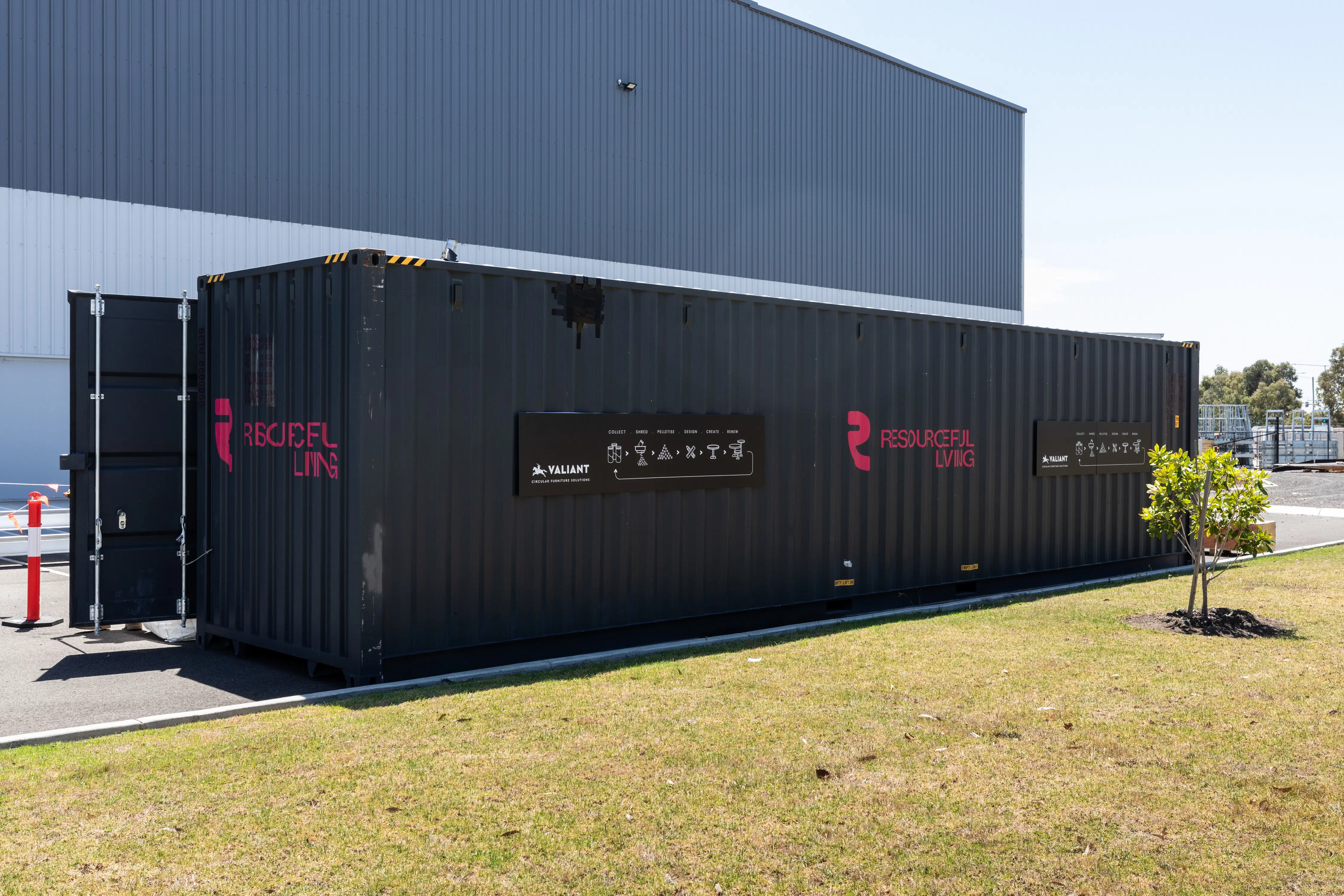
For large-scale developments, waste management is a massive overhead. Innovative solutions like on-site mobile recycling units allow contractors to process plastic waste directly at the source.
Instead of paying to haul away scrap material, that waste becomes the raw feedstock for your next batch of panels. This doesn't just save money; it creates a powerful narrative of efficiency for your ESG reporting.
7. Understanding the ROI (Beyond the Purchase Price)
One of the most common mistakes in procurement is focusing solely on the upfront cost. While some sustainable construction materials in Australia may have a higher initial price point than low-grade timber, the Return on Investment (ROI) is significantly higher when you factor in:
- Zero Maintenance: No sanding, staining, or sealing required.
- Extended Lifespan: Materials that don't rot or rust last 3-4 times longer.
- Disposal Savings: Avoid high landfill levies by using materials that are 100% recyclable.
In fact, timber is often costing your business more than you realise when you look at the 10-year horizon.
8. Performance in Modular and Rapid Construction
The Australian construction industry is leaning heavily into modular and prefabricated builds to solve the housing crisis. Recycled plastic building materials are the "perfect match" for this sector.
Because they are lightweight, easy to CNC-machine, and incredibly durable during transport, they reduce the risk of damage during the "plug-and-play" phase of modular delivery. They offer a future-proof solution for sustainable housing.
9. Aesthetics Meet Utility
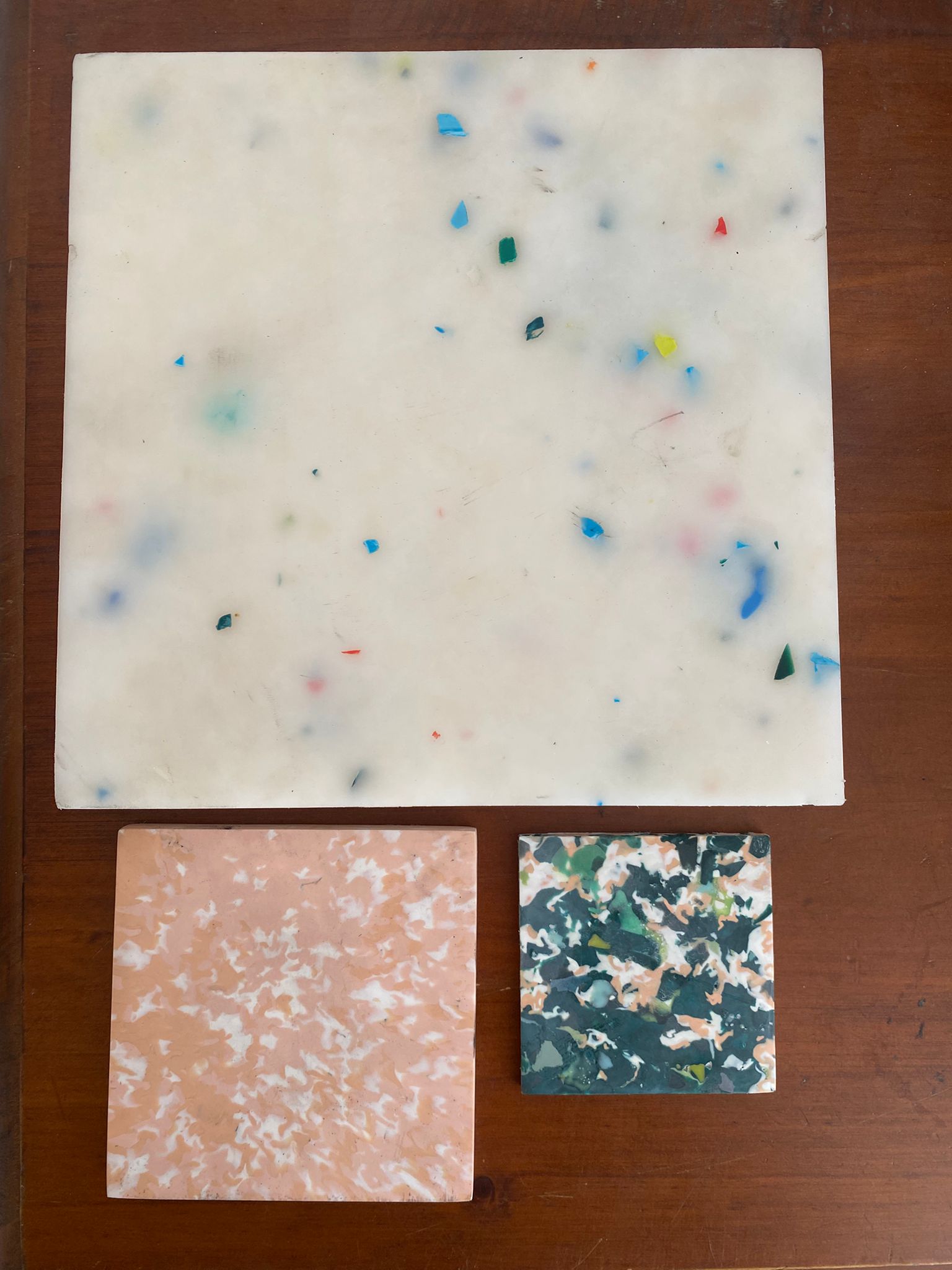
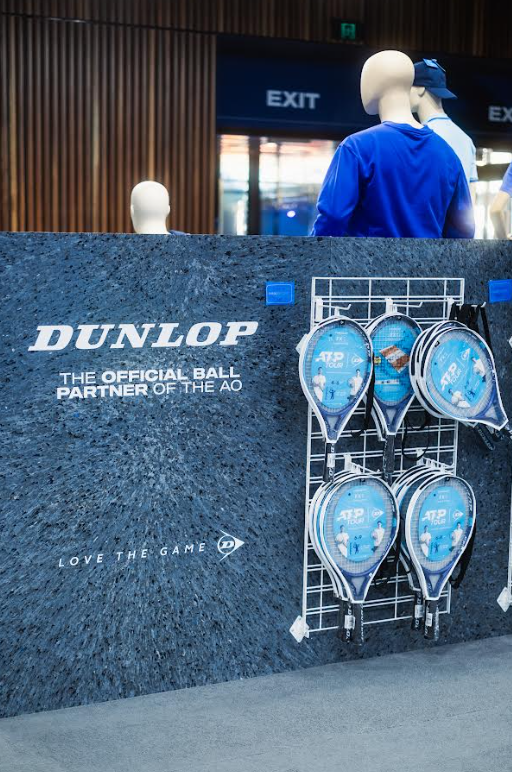
Sustainability doesn't have to look industrial or "boring." Modern manufacturing techniques allow for a variety of finishes, from the sleek 'N70 White Confetti' to deep navy marbles.
These aren't just structural boards; they are design-led surfaces. Whether it's for retail merchandising displays or high-end office fit-outs, these materials provide a premium aesthetic that tells a story of environmental responsibility.
10. How to Actually Write Sustainable Materials into Your Tender
When you’re drafting your response, don't just list the materials. You need to explain the system.
- Specify the recycled content percentage: (e.g., "100% post-industrial Australian HDPE").
- Highlight the end-of-life plan: (e.g., "Project incorporates a manufacturer-backed Take-Back program").
- Quantify the impact: (e.g., "This project diverts X tonnes of plastic from Australian landfills").
By being specific, you show the client that you understand the lifecycle environmental impact of your choices.
Quick Checklist for Your Next Sustainable Tender:
- Have you verified the source of your recycled materials? (Is it local?)
- Is there a guaranteed end-of-life recycling path (Take-Back program)?
- Have you calculated the maintenance savings over 10+ years?
- Does the material meet Australian standards for fire, UV, and moisture resistance?
- Can you provide a certificate of traceability for your ESG audit?
The Bottom Line
Choosing sustainable construction materials in Australia is no longer a niche preference: it’s a commercial necessity. By integrating recycled plastic building materials into your projects, you’re not just building structures; you’re building a reputation for innovation and leadership in the circular economy.
Ready to see how our panels can fit into your next project? Check out our guide to recycled plastic sheets and see how we can help you win your next tender.