Let’s be honest: tracking embodied carbon reporting in Australia used to be about as exciting as watching paint dry: except the paint was also slowly melting the ice caps. But as we cruise through 2026, the game has changed. What was once a "nice-to-have" sustainability badge is now a high-stakes metric that can make or break your next government tender or commercial build.
If you’re currently staring at a spreadsheet and wondering how to drag your project's carbon footprint out of the "yikes" zone, I have some good news. You don't need to reinvent the wheel. You just need to change what the wheel (and your walls, and your wet areas) is made of.
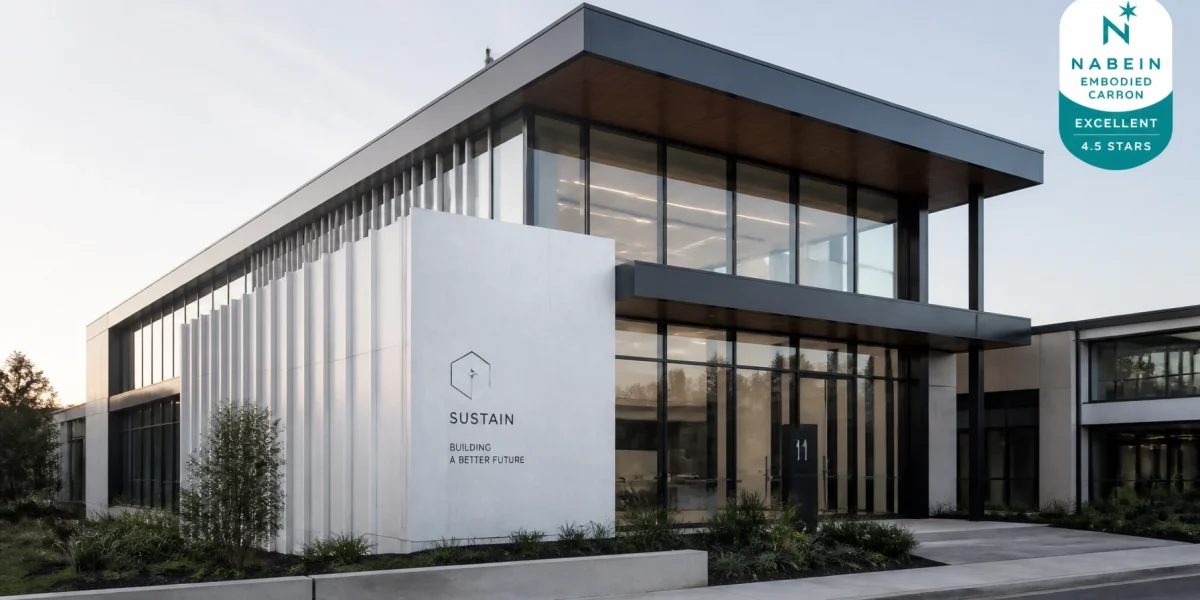
Specifying 100% recycled plastic sheets in Australia is the "cheat code" for the new NABERS Embodied Carbon tool. Here is how to use circular materials to turn your next audit from a headache into a victory lap.
The 2026 Shift: Why "Upfront" Carbon is the Only Metric That Matters
In the old days (like, 2023), we talked a lot about operational carbon: how much energy your HVAC system sucked up. Today, the focus has shifted to upfront carbon (Stages A1-A5). This is the carbon emitted before a single tenant even walks through the front door.
Under the National Construction Code (NCC) 2025 and the latest NABERS framework, builders are now being scrutinised on the materials they choose, the distance those materials travel, and how they were manufactured.
"Measurement is the first step toward management. If we can't accurately report the carbon we're putting into the ground today, we can't hope to hit our targets for tomorrow."
The logic is simple: if you use carbon-heavy materials like virgin steel or imported concrete for non-structural elements, you’re starting the project in a massive "carbon debt." By switching to 100% Australian recycled plastic panels, you’re effectively slashing that debt before the first brick is laid.
The Magic Numbers: How Recycled HDPE Slashes Your Score
When a NABERS assessor looks at your Bill of Quantities (BoQ), they aren't just looking at the weight of the material; they’re looking at its Global Warming Potential (GWP).
For every tonne of virgin plastic or treated timber you swap out for our recycled HDPE (High-Density Polyethylene), you are making a massive dent in your report. At Resourceful Living, our manufacturing process is so efficient that for every tonne of plastic we recycle into panels, we save between 0.9 to 1.75 tonnes of CO2 from entering the atmosphere.

Why 100% Australian Recycled Plastic Wins:
- Zero Virgin Extraction: We aren't drilling for new oil. We’re using the milk bottles and shampoo containers already in the system.
- Low Transport Emissions: Because we manufacture locally, the "A4" stage (transport to site) of your LCA is negligible compared to imported materials.
- High Traceability: We track where our plastic comes from, making your embodied carbon reporting in Australia a breeze for your assessor.
EPDs vs. Defaults: Don't Get Penalized for Being Lazy
One of the biggest mistakes builders make in 2026 is relying on "default emission factors." If you don't have a product-specific Environmental Product Declaration (EPD), NABERS will often assign you a generic (and usually much higher) carbon score.
Using a material with a verified EPD is like having an express pass at a theme park. It provides the verified evidence your NABERS Accredited Assessor needs to give you an accurate: and lower: score.
At Resourceful Living, we provide the specific data you need to satisfy an audit. You can learn more about why EPDs are the secret to winning government tenders in our latest tender guide.
The "Zero Carbon" Bonus: Material Reuse and the Take-Back Program
Here is a pro tip that many project managers miss: under the current NABERS rules, materials that are reused in their original state are often assigned zero emissions in the reporting tool.
This is where our Closed-Loop ESG Partner Program comes into play. We don't just sell you a panel and wish you good luck. We offer a take-back program where we collect our products at the end of their life: whether that’s in 5 years after a retail fit-out or 50 years after a structural build: and recycle them back into new panels.

By specifying a material with a guaranteed end-of-life plan, you are fulfilling the Circular Economy requirements that are now mandatory for many Green Star v1.1 ratings. You’re telling the auditor that this material will never see a landfill, effectively "closing the loop" on your project's carbon legacy.
Comparison: Recycled Plastic vs. The "Old Guard"
If you're still reaching for plywood or virgin acrylic, your NABERS rating is going to feel the pinch. Here is how our recycled plastic sheets in Australia stack up against traditional materials:
| Feature | 100% Recycled HDPE (RL) | Treated Timber / Plywood | Virgin Plastic (Imported) |
|---|---|---|---|
| Upfront Carbon | Very Low (0.9-1.75t saved/t) | Medium (LCA dependent) | High (Oil extraction) |
| Traceability | High (100% Australian) | Variable (FSC needed) | Low |
| Maintenance | Zero (UV & Water proof) | High (Rot/Painting) | Medium |
| End of Life | 100% Recyclable/Take-back | Landfill/Incineration | Often Landfill |
| Moisture Resistance | 100% Waterproof | Swells/Rots | Waterproof |
Practical Checklist: Nailing Your Next Rating
Ready to boost your score? Use this checklist during your next procurement meeting to ensure your materials are NABERS-ready:
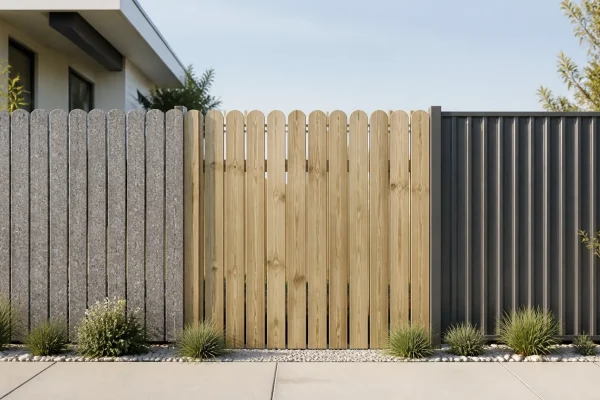
- ✅ Audit Your Non-Structural Elements: Look at your site hoardings, noise barriers, internal partitions, and landscaping. These are the "easy wins" for carbon substitution.
- ✅ Request the EPD Early: Don't wait until the build is finished. Get the carbon data during the design phase so your assessor can model the savings.
- ✅ Verify Local Traceability: Ensure your "recycled" plastic isn't just imported waste with a high shipping footprint. Ask for proof of Australian origin.
- ✅ Secure a Take-Back Agreement: Include the end-of-life plan in your sustainability report to claim maximum circularity credits.

The Bottom Line: Carbon Reporting Isn't a Hurdle, It's an Opportunity
The shift toward embodied carbon reporting in Australia isn't just about compliance; it's about competitive advantage. The builders and developers who master the data now are the ones who will dominate the market in the next five years.
By choosing recycled plastic sheets that are manufactured locally, 100% recyclable, and backed by a transparent supply chain, you aren't just hitting a target. You’re building a legacy of Resourceful Living.
Ready to see the data for your next project? Contact our sales team today for a technical spec sheet and a quote for your next NABERS-rated build.