For years, the Australian property industry focused almost exclusively on operational energy: how much power a building consumes while in use. But as we move toward net-zero targets, the focus has shifted. Embodied carbon: the emissions generated during the extraction, manufacturing, and transport of building materials: now represents a massive chunk of a building's total footprint.
With the release of the NABERS Embodied Carbon tool, sustainability managers and construction companies are looking for ways to lower their "upfront carbon" (modules A1-A5). This is where high-performance sustainable construction materials australia come into play.
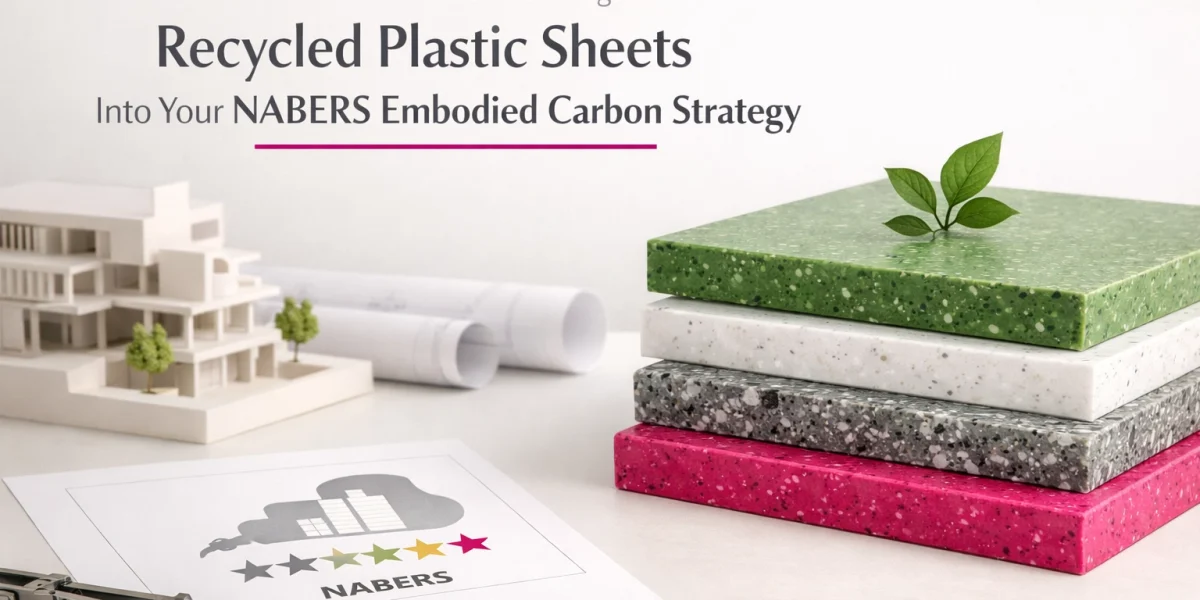
Integrating 100% recycled plastic sheets into your project isn't just an aesthetic choice; it’s a data-driven strategy to slash your project's carbon debt before the doors even open.
The Shift Toward Embodied Carbon in Australia
The industry is reaching a tipping point. Upfront carbon: the emissions released before a building is even occupied: is expected to be responsible for 85% of the emissions from new Australian buildings by 2050.
NABERS (the National Australian Built Environment Rating System) has responded by providing a framework to measure and rank these emissions. For a project to achieve a high rating, every material choice counts. Using virgin plastics, which are energy-intensive and fossil-fuel reliant, is becoming a liability for your sustainability scorecard.
At Resourceful Living, we’ve seen a massive surge in demand for our recycled plastic panels and sheets because they offer a measurable, documented way to lower that initial carbon spike.
Why Recycled Plastic is a Game-Changer for Your Rating
When you swap virgin plastic or traditional timber for 100% recycled HDPE or LDPE, you aren't just "doing something good for the planet." You are actively improving your NABERS metrics.
1. Massive Carbon Savings
Manufacturing virgin plastic is an energy-heavy process involving the extraction of oil and gas. In contrast, our process uses 100% Australian plastic waste that has already been produced.
- 70% Carbon Savings: Choosing recycled plastic over virgin alternatives typically results in a 70% reduction in manufacturing emissions.
- The Math: For every 1 tonne of HDPE plastic recycled, you save between 0.9 and 1.75 tonnes of CO2 equivalent.
2. Upfront Carbon Focus (A1-A5)
The NABERS tool prioritises upfront embodied carbon. This includes the extraction of raw materials (A1), transport to the factory (A2), and the actual manufacturing (A3). Since our material is sourced and manufactured locally in Australia, your transport emissions (A4) are also significantly lower compared to imported materials.
Practical Applications for Recycled Plastic Sheets
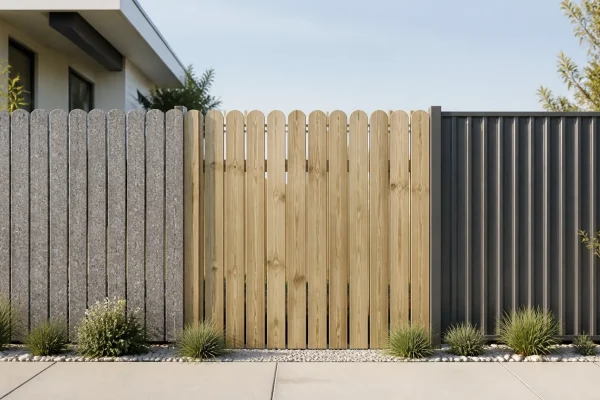
To maximise the impact on your NABERS rating, you should look at high-volume areas where plastic or timber is traditionally used. Our sustainable construction solutions are designed to replace carbon-intensive materials in several key areas:
Internal Fit-outs and Joinery
Instead of using MDF or marine plywood: which often contain resins and glues that complicate end-of-life disposal: consider recycled plastic sheets for:
- Cabinetry and Shelving: Durable, moisture-resistant, and aesthetically striking.
- Wall Panelling: Ideal for high-traffic areas where durability is non-negotiable.
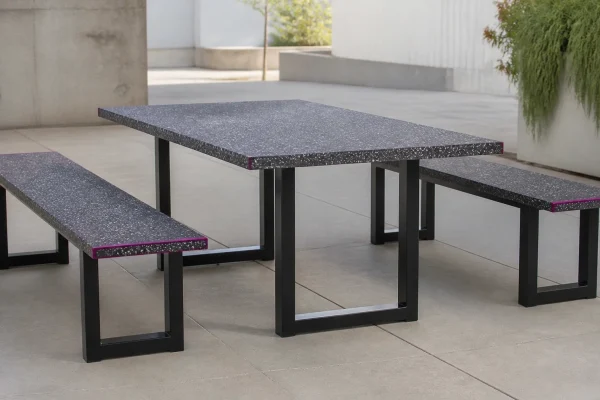
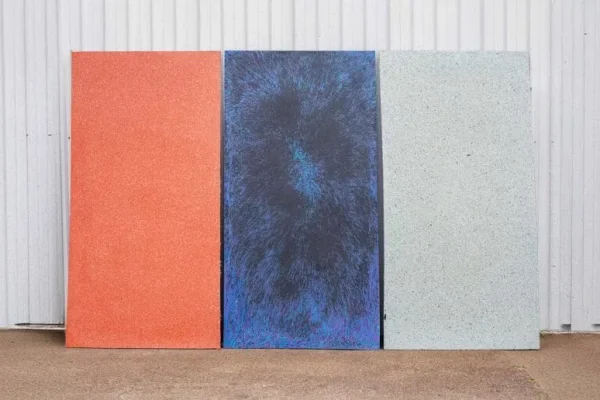
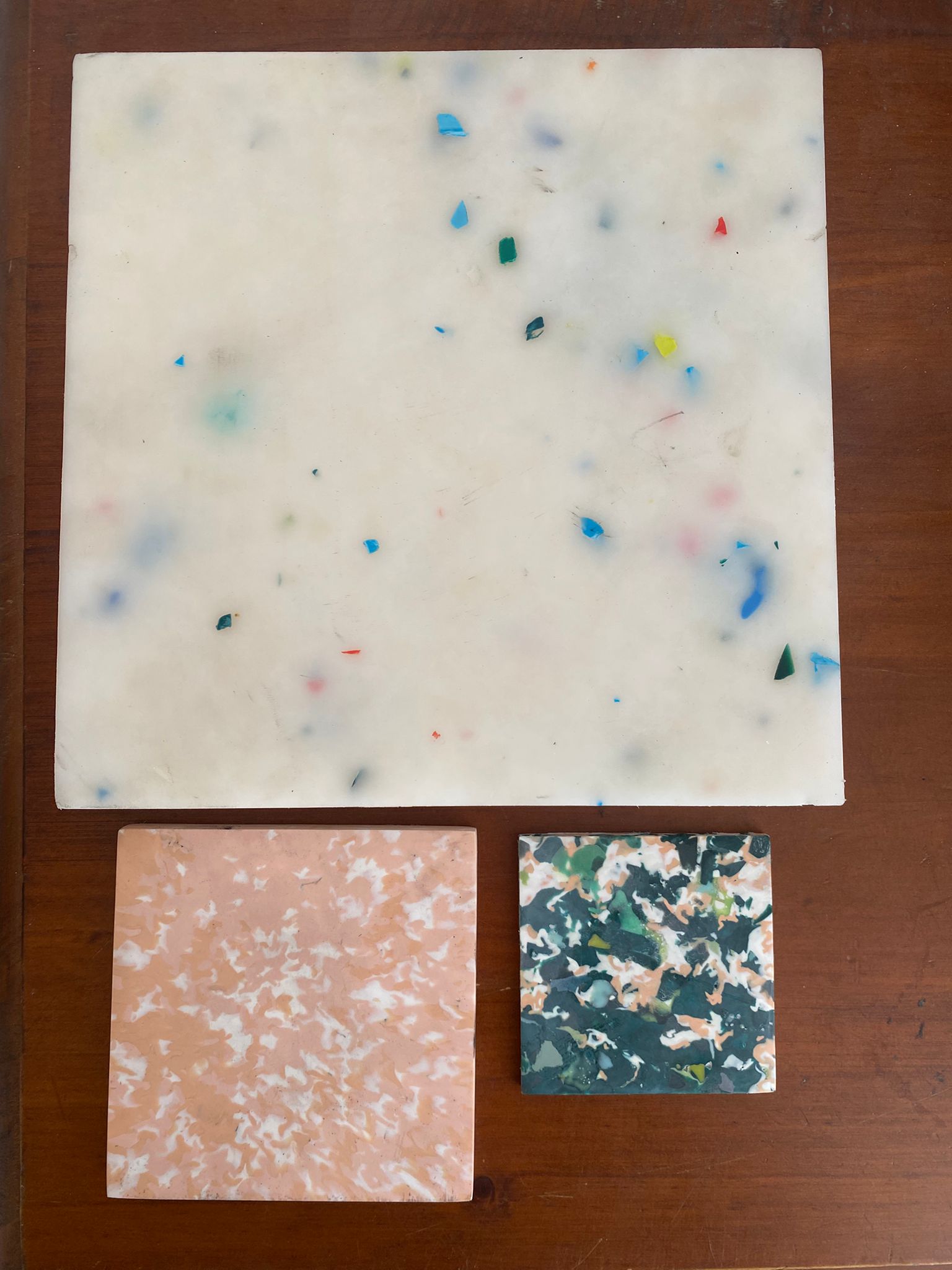
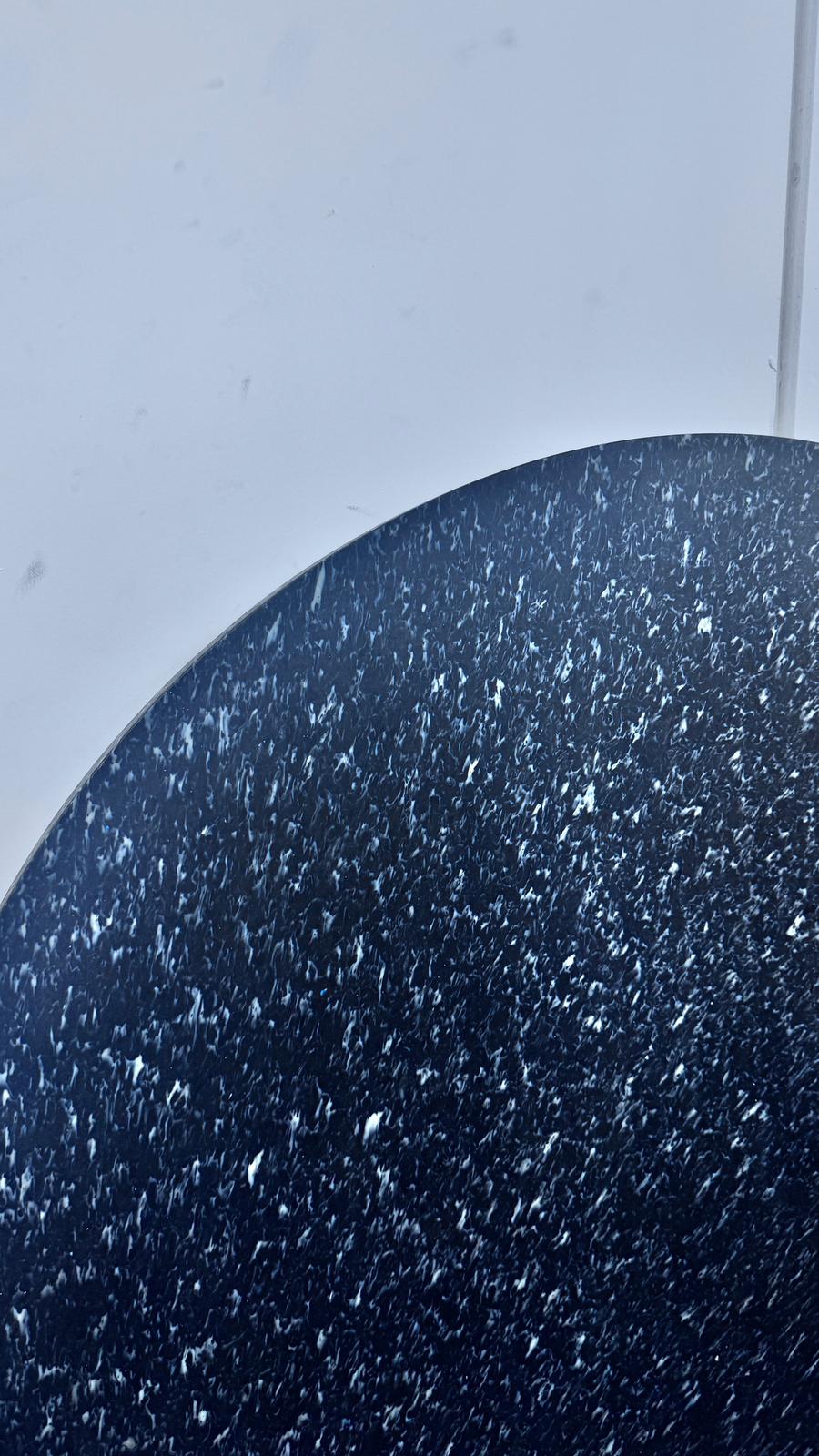
- Workstations: Providing a unique "confetti" or "marbled" finish that tells a sustainability story visually.
Wet Areas and Amenities
Because our material is non-porous and weather-resistant, it is a superior choice for bathrooms, end-of-trip facilities, and kitchens. It won’t swell, rot, or harbour mould, which also lowers the "operational carbon" associated with frequent maintenance and replacements.
Signage and Wayfinding
Large-scale commercial developments require an enormous amount of signage. Moving from traditional acrylics to recycled plastic products for wayfinding is a quick win for procurement teams looking to hit sustainability targets.
Navigating the Evidence: EPDs and Traceability
A common hurdle for sustainability managers is documentation. If you can't prove the carbon savings, you can't claim them in your NABERS rating.
NABERS requirements demand verified evidence of material quantities and environmental impact. This is often provided through Environmental Product Declarations (EPDs).
"In the world of sustainable procurement, if it isn’t documented, it didn’t happen. Traceability is the bridge between a green claim and a green rating." : Jess Hodge, Resourceful Living
At Resourceful Living, we lean heavily into total traceability. We know where our waste comes from and exactly what goes into every sheet. This level of transparency is vital for builders who need to provide evidence for their "As-Built" ratings.
The "Take-Back" Advantage: Closing the Loop
One of the most exciting aspects of using recycled plastic in construction is its circularity. Most traditional building materials end up in a landfill at the end of a building's life or during a renovation.
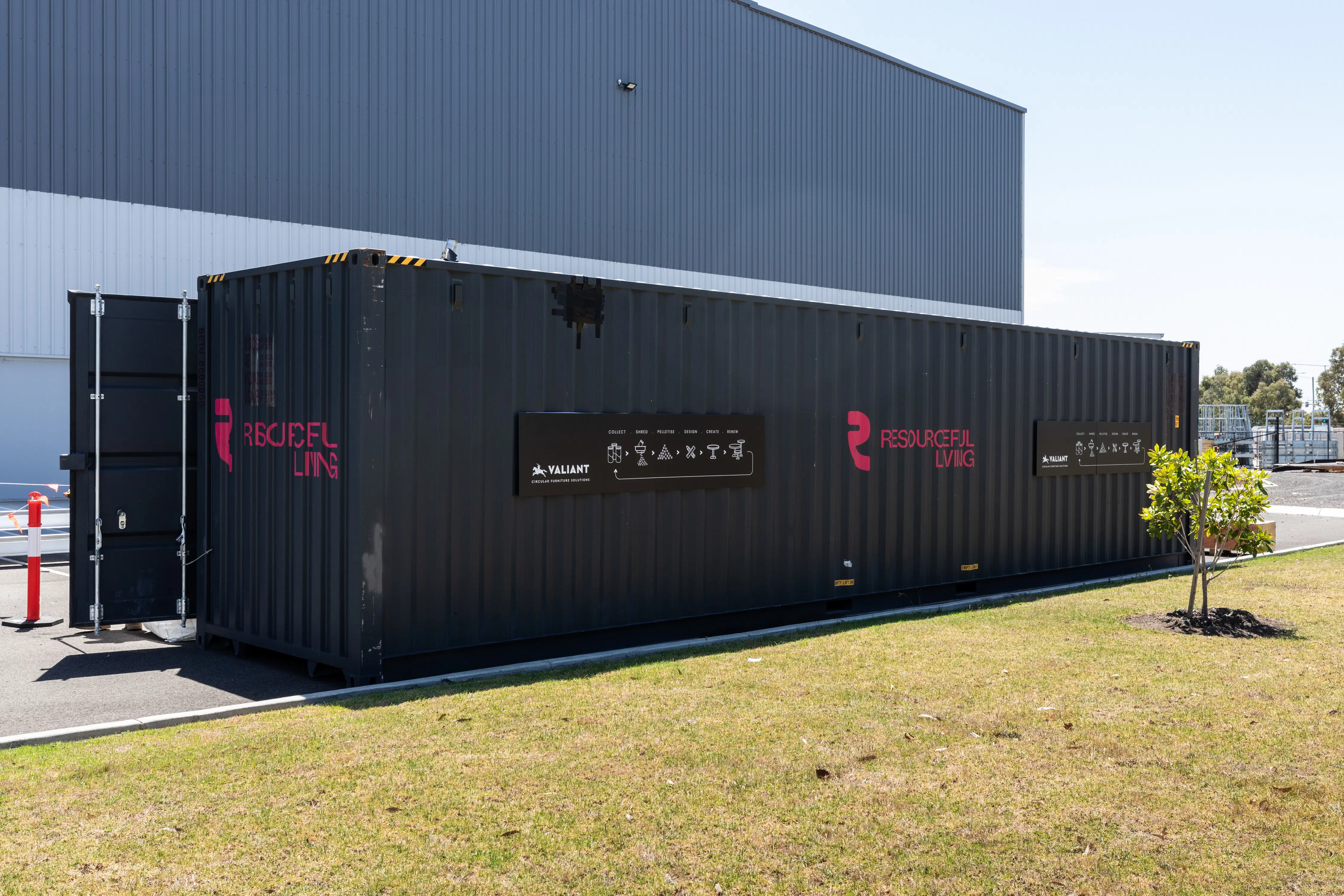
Our sheets are 100% recyclable. We offer a "Take-Back" program where we can take off-cuts from your construction site: or even the panels themselves years later: and shred them back down into new sheets.
This directly addresses the Waste and Recovery metrics within the broader NABERS framework. It ensures that the carbon already "invested" in the material remains in the circular economy rather than being wasted. You can learn more about how we handle waste at our waste collection page.
Comparing the Metrics: Recycled Plastic vs. Traditional Materials
| Material Type | Carbon Footprint | Durability | Recyclability |
|---|---|---|---|
| Virgin HDPE | High (Fossil fuel based) | High | Recyclable (but adds to total plastic load) |
| Marine Plywood | Medium (Glues/Resins) | Moderate (Prone to rot) | Difficult/Low |
| Resourceful Living Recycled Plastic | Low (~70% less than virgin) | Very High | 100% Circular |
Checklist for Integrating Recycled Materials into Your Next Project
If you are a sustainability manager or project lead, use this checklist to ensure your material choices align with your NABERS goals:
- Identify High-Volume Areas: Look for projects using significant amounts of plywood, MDF, or virgin plastic.
- Request Carbon Data: Ask your supplier for the CO2 savings per tonne of material. (For us, it's roughly 0.9–1.75 tonnes of CO2 saved per tonne of HDPE).
- Confirm Traceability: Ensure the material is sourced locally to minimise A4 transport emissions.
- Order Samples Early: Get your recycled plastic samples early in the design phase to ensure the aesthetic aligns with the architectural vision.
- Plan for Off-cuts: Ensure your waste management plan includes a circular "Take-Back" agreement with the manufacturer.
Making the Switch Today
Integrating sustainable construction materials australia isn't just about meeting a regulation; it's about future-proofing your assets. As carbon costs begin to be factored into more procurement decisions, the buildings that prioritised low-embodied carbon today will be the high-value assets of tomorrow.
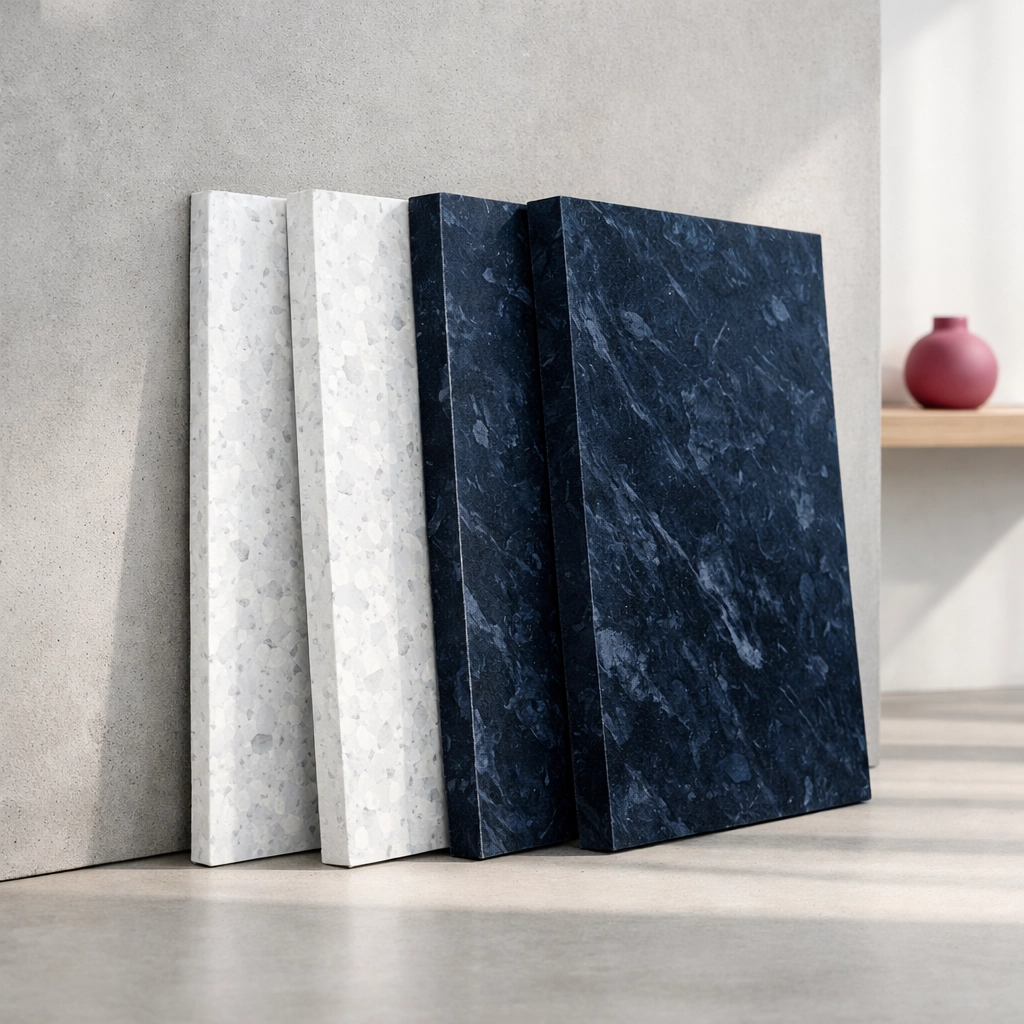
Our sheets are available in thicknesses from 6mm to 40mm, making them incredibly versatile for almost any application. If you're ready to see how our panels can fit into your next NABERS-rated project, get in touch with our team or explore our FAQ about recycled plastic in Australia.
Final Thoughts
The path to net-zero construction is paved with better material choices. By choosing 100% recycled plastic sheets, you are making a direct, measurable dent in your project's embodied carbon profile. It’s a win for the environment, a win for your NABERS rating, and a win for the circular economy right here in Australia.
Ready to see the material in person? Order a sample pack and start your transition to low-carbon construction today.