It’s April 2026, and the "business as usual" approach to procurement has officially left the building. If you’re a builder, architect, or project manager in Australia, you’ve likely felt the shift. We are no longer just talking about "green" buildings; we are living in the era of circular construction 2026.
With the Australian government’s tightened ESG (Environmental, Social, and Governance) targets and new reporting standards for embodied carbon, the materials you specify today will determine the viability of your projects tomorrow. But with a sea of "sustainable" labels out there, how do you actually choose?
Choosing the right sustainable building materials in Australia isn’t just about looking for a recycled logo. It’s about data, durability, and decarbonisation.
The 2026 Landscape: Why the Rules Have Changed
The construction industry is one of Australia's largest waste producers, but it’s also our biggest opportunity for carbon sequestration and resource recovery. In 2026, we’ve moved past simple recycling. The focus is now on embodied carbon performance and climate resilience.
Projects are now being judged on their Whole-of-Life (WoL) impact. This means you need to know where your material came from, how much energy it took to make, how long it will last in Australia's harsh UV and moisture conditions, and: crucially: what happens to it when the building is eventually decommissioned.
Top Sustainable Building Materials Compared
To hit your 2026 targets, you need to compare materials across four key pillars: Durability, Maintenance, Embodied Carbon, and Circularity. Here is how the most common Australian sustainable materials stack up.
1. Recycled Steel and Concrete
For structural frames and foundations, recycled steel and concrete remain the heavy hitters.
- The Stats: Recycled steel reduces energy consumption by up to 75% compared to virgin production. Recycled concrete aggregate can offer a 65% lower carbon footprint by replacing virgin stone.
- The Catch: While they are excellent for carbon reduction during the build, their circularity at the end-of-life often involves high-energy reprocessing (melting or crushing).
2. Cross-Laminated Timber (CLT)
CLT has become a darling of the mid-rise residential and commercial sector.
- The Stats: It is essentially carbon-negative during its growth phase, acting as a massive carbon sink for your project.
- The Catch: Australia's climate is brutal. Timber in high-moisture or coastal environments requires constant maintenance (sanding, staining, and sealing) and is susceptible to termites and rot. If not managed perfectly, the maintenance costs can outweigh the initial carbon benefits.
3. Recycled Plastic Panels (The Circular Specialist)
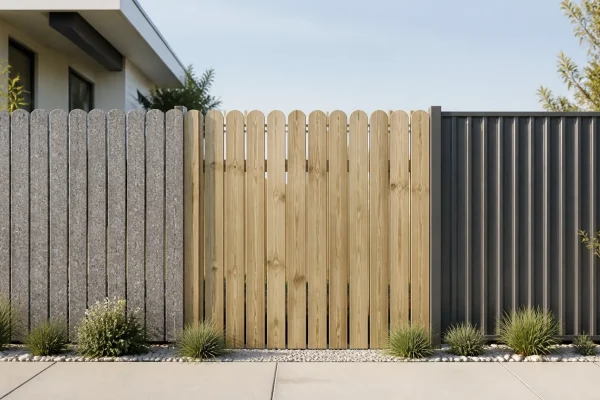
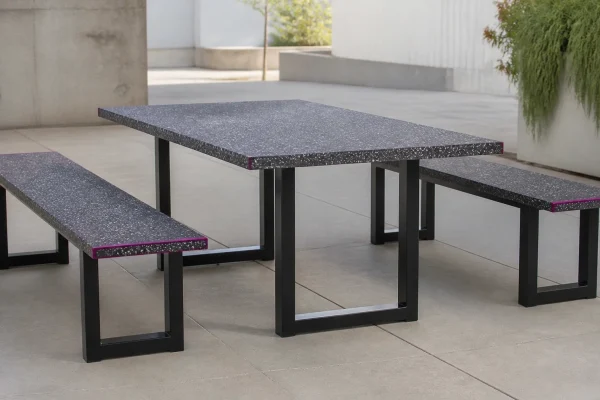
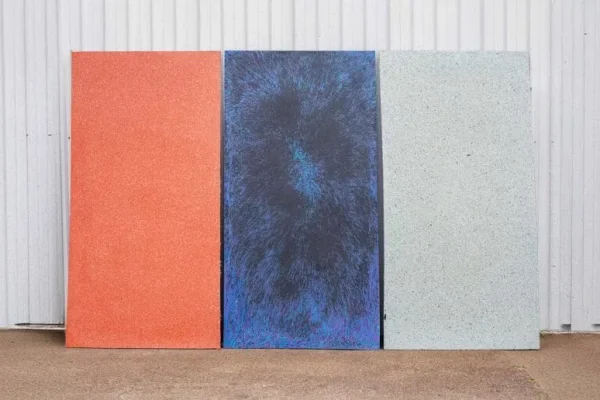
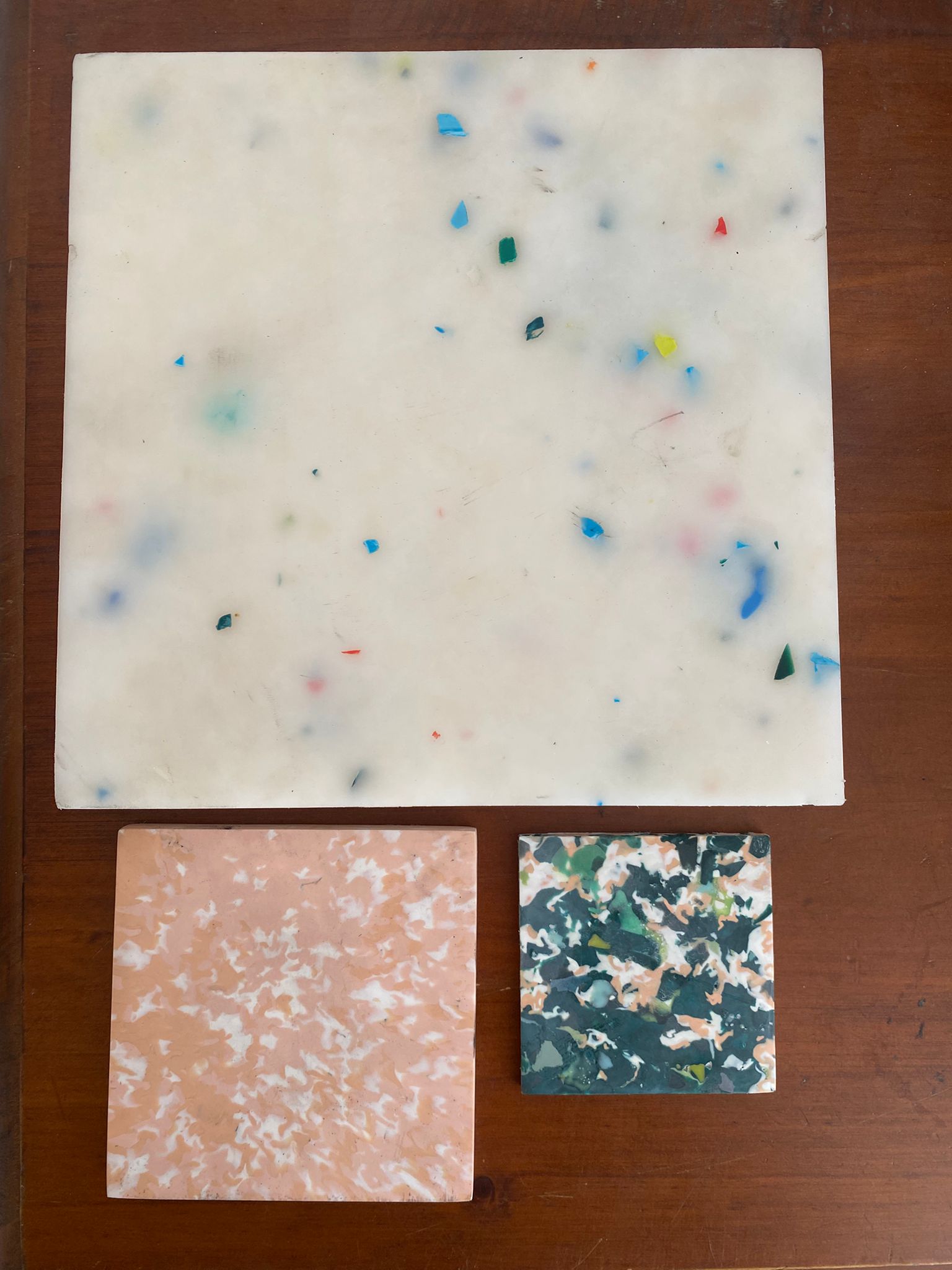
This is where we’ve seen the biggest growth in 2026. HDPE and LDPE recycled plastic panels, like those we manufacture at Resourceful Living, have moved from "niche" to "standard specification" for fit-outs, cabinetry, and external cladding.
- The Stats: 100% recycled, 100% recyclable. These panels divert roughly 20kg of plastic from landfill per sheet.
- The Catch: Not a structural replacement for steel beams, but a direct, superior replacement for plywood, MDF, and stone surfaces.
Comparison Matrix: 2026 Performance
| Feature | Timber / Plywood | Recycled Steel | Recycled Plastic Panels |
|---|---|---|---|
| Moisture Resistance | Low (Rots/Swells) | High (Corrosion risk) | Excellent (Waterproof) |
| Maintenance | High (Oiling/Painting) | Medium | Zero (Wipe down) |
| Embodied Carbon | Negative (Growth) | Medium (High energy) | Low (Mechanical recycle) |
| End-of-Life | Landfill/Mulch | Re-melt (High energy) | Take-back/Re-manufacture |
| Silica Content | Zero | Zero | Zero |
Why Circularity is the Metric That Matters Most
In 2026, "Recyclable" is a lazy term. Everything is technically recyclable if you try hard enough. The real question for your procurement team is: "Is there a closed-loop system in place for this material?"
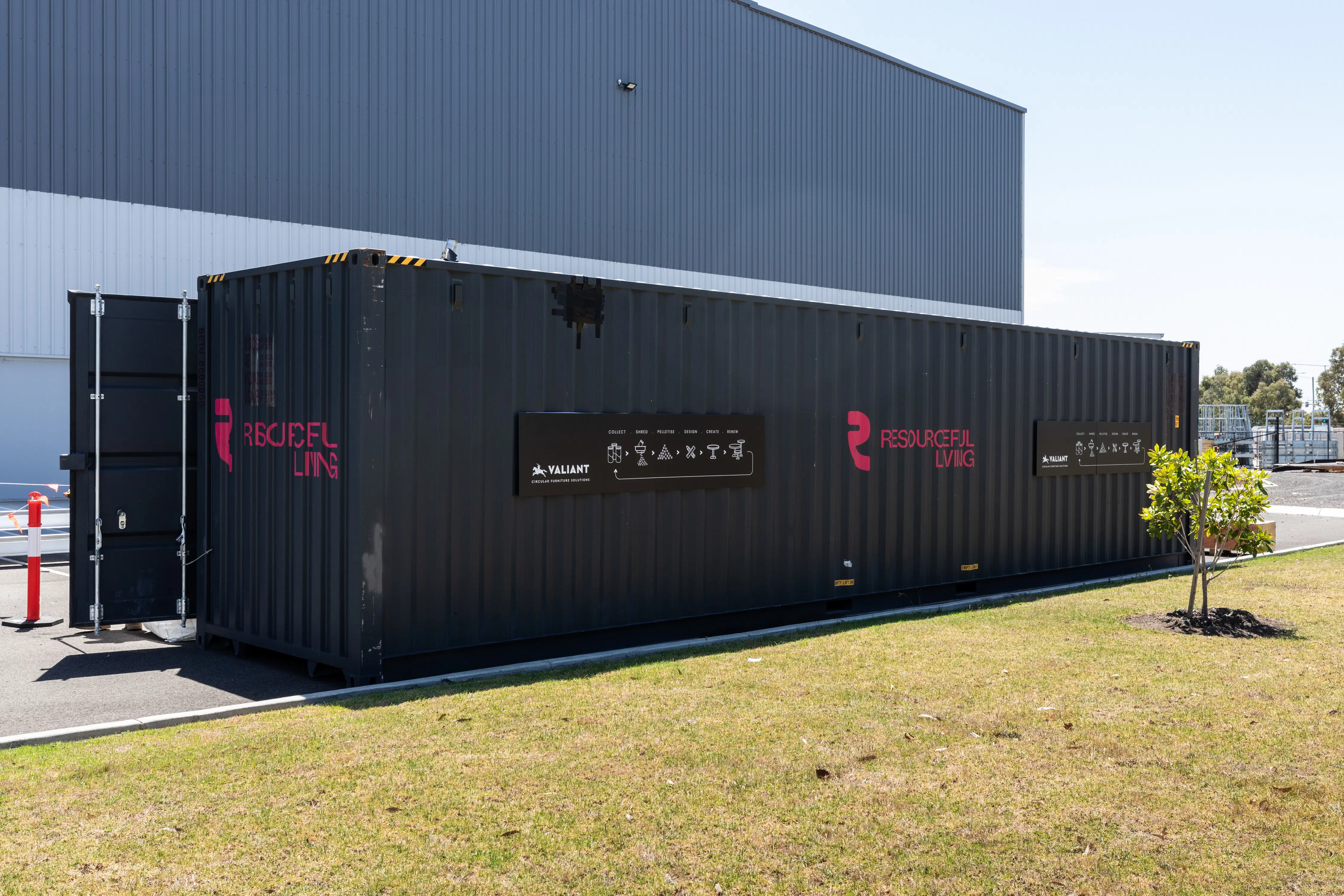
This is why circular construction 2026 is the dominant trend. At Resourceful Living, we don't just sell you a sheet; we offer a take-back program. When a retail fit-out is stripped out in five years, those panels come back to us, get shredded, and turned into new panels. No down-cycling, no landfill.

The "Plywood Killer": Why Recycled Plastic is Winning in 2026
For decades, plywood was the default for everything from hoardings to cabinetry. But plywood has a dirty secret: the glues and resins make it incredibly difficult to recycle, and it performs poorly in wet Australian conditions.
Our 100% recycled plastic panels are being called the "Plywood Killer" for a reason:
- Zero Maintenance: You don't need to paint them. You don't need to seal them. They don't delaminate.
- UV Stability: Engineered for the Australian sun, they don't grey off like timber.
- Hygienic: Non-porous and chemical resistant, making them ideal for commercial kitchens and labs.
If you are still using traditional materials for high-wear areas, you might be making one of the 7 mistakes in circular construction 2026 that can sink your project's ESG score.
Meeting Government and Tender Requirements
If you're bidding on government infrastructure or Tier 1 construction projects, you've likely noticed that embodied carbon reporting is no longer optional. You need to prove the carbon savings of your material choices.
By using 100% Australian-made recycled plastic, you’re hitting multiple targets at once:
- Local Content: Supporting Australian manufacturing and reducing transport emissions.
- Waste Diversion: Directly contributing to the National Waste Policy targets.
- Low Carbon: Mechanical recycling of plastic uses a fraction of the energy required to produce "virgin" polymers or process steel.
For a deeper dive into the numbers, check out our 3-minute guide for busy builders on embodied carbon reporting.
Practical Selection Strategy: A Checklist for 2026
When you are comparing sustainable building materials for your next project, run them through this quick checklist:
- Traceability: Can the supplier prove exactly where the waste came from? (At Resourceful Living, our plastic is 100% Australian sourced and traceable).
- Performance in Humidity: Will this material swell, rot, or attract mould in coastal or tropical Australian climates?
- Chemical Load: Does it contain VOCs or formaldehydes that will impact Indoor Air Quality (IAQ)?
- The "Exit Plan": Does the manufacturer have a documented take-back scheme, or are you just passing the waste problem to the next generation?
The Cost Factor: ROI vs. Purchase Price
We have to talk about the "Green Premium." In the past, sustainable materials were often more expensive. In 2026, the script has flipped.
While the initial purchase price of a high-quality recycled plastic panel might be higher than a cheap sheet of form-ply, the Return on Investment (ROI) is realized almost immediately through:
- Lower Labour Costs: No painting or specialized sealing required.
- Replacement Cycles: If plywood lasts 3 years in an outdoor setting and recycled plastic lasts 20+, the plastic is significantly cheaper over the life of the asset.
- Compliance: Avoiding the heavy carbon taxes and landfill levies that are now being integrated into project costs.
Future-Proofing Your Next Project
The shift toward sustainable building materials in Australia isn't a fad; it's a fundamental restructuring of our economy. By choosing materials that are durable, maintenance-free, and truly circular, you aren't just "doing the right thing": you’re building better, more profitable assets.
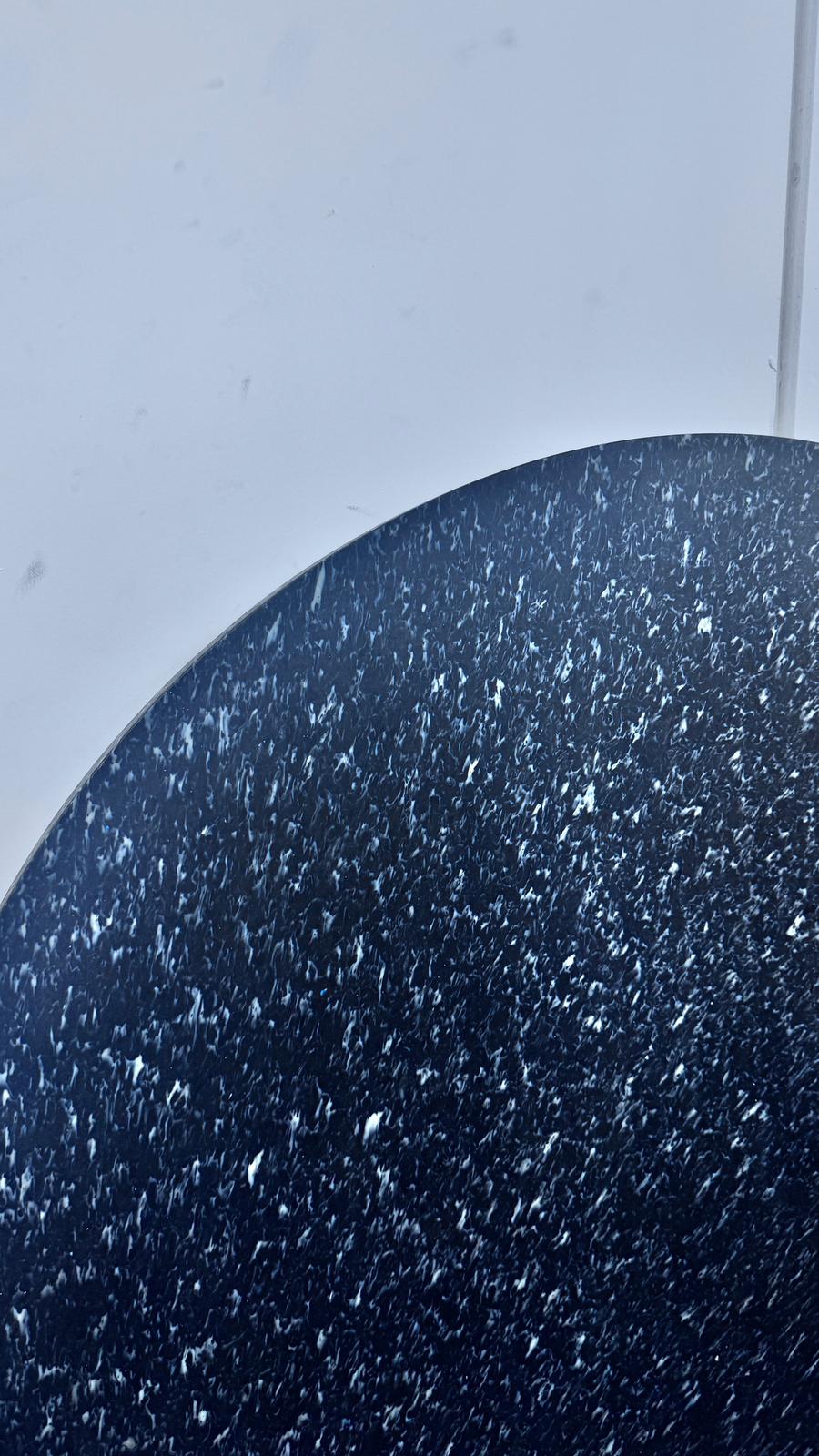
Whether you are looking to replace rotting timber in a public park or specifying high-end, marble-look recycled benchtops for a new office fit-out, the data is clear. The future of Australian construction is circular.
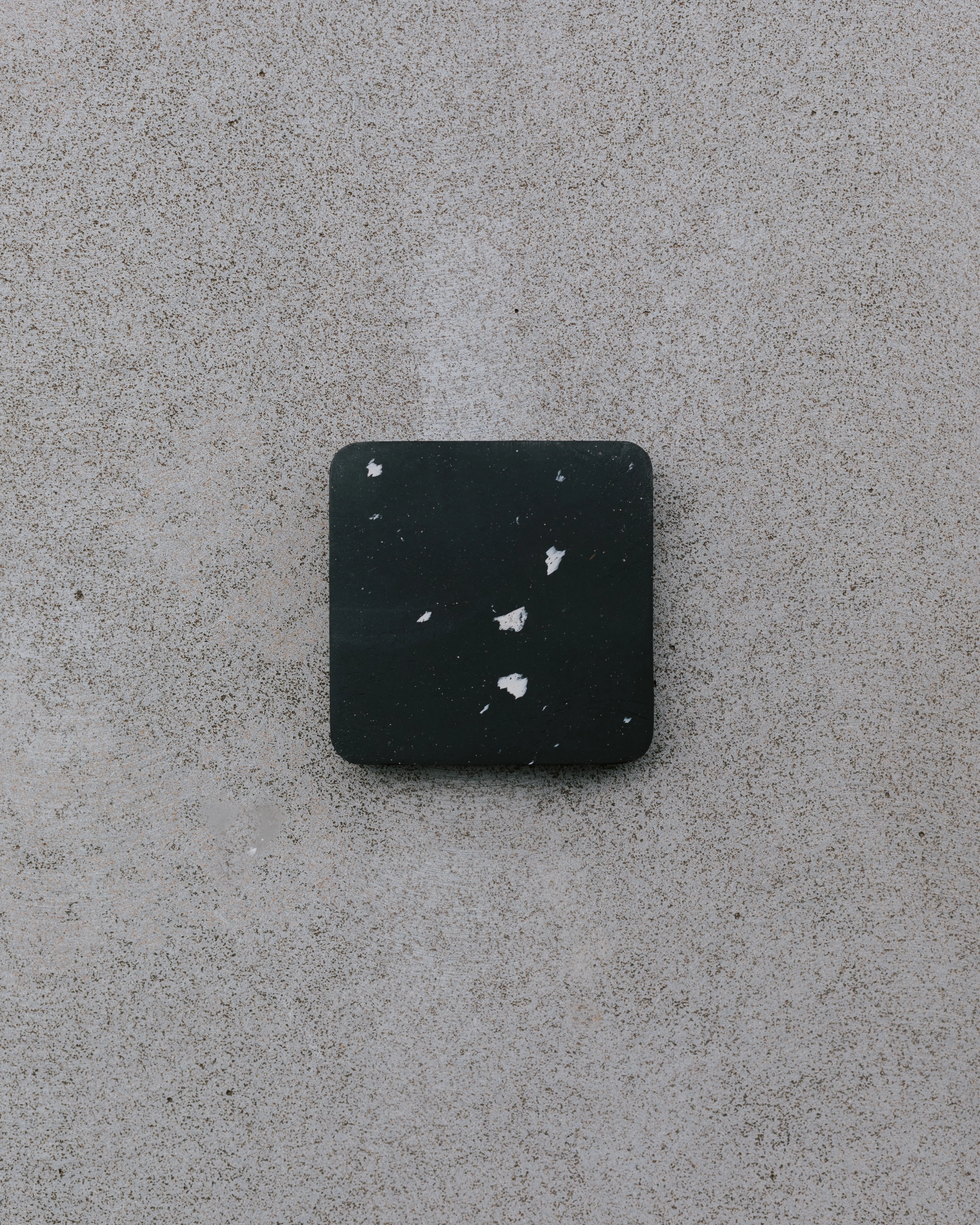
Ready to see the difference for yourself? Explore our range of 100% recycled plastic panels and see how we can help you smash your 2026 sustainability targets without compromising on aesthetics or strength.
Let's stop building for today and start building for the cycle. For more on how these materials behave in the real world, read about the lifecycle of a recycled plastic panel and how we are turning 1 tonne of waste into 1 tonne of resource every single day right here in Newcastle.