It’s 2026, and the Australian construction landscape looks vastly different than it did even three years ago. If you’re a builder, developer, or architect, you’ve likely realised that sustainability is no longer a "value-add" on a pitch deck: it’s a regulatory requirement. With the tightening of Australia's embodied carbon rules and more stringent NABERS rating systems, the pressure to source "green" materials is at an all-time high.
However, as the demand for sustainable materials skyrocketed, so did the number of pitfalls. The market is currently flooded with products that look eco-friendly on the surface but fail to meet the rigorous durability and ethical standards required for modern Australian infrastructure.
If you want to protect your project’s integrity (and your company’s reputation), you need to know how to spot the red flags. Here is how to avoid the biggest sustainable construction material pitfalls in 2026.
1. The "Virgin Material" Trap
One of the most common mistakes we see in 2026 is the confusion between recyclable and recycled.
Many suppliers promote products that are "100% recyclable," which sounds great in a brochure. However, these products are often made from 100% virgin plastic or raw timber. While they can be recycled at the end of their life, their production still involves high energy consumption and the extraction of new resources.
Expert Tip: In 2026, leading procurement teams are looking for Post-Consumer Recycled (PCR) content. A product made from virgin materials that "might" be recycled in 50 years does very little to lower your project’s current embodied carbon footprint.
To avoid this pitfall, always ask for the percentage of recycled content. At Resourceful Living, we focus on transforming actual Australian waste into functional panels, ensuring that your materials are actively diverting waste from local landfills today, not just theoretically in the future.
2. Low-Quality Overseas Imports
With the global push for circularity, Australia has seen an influx of low-cost recycled plastic panels from overseas. While the price point might look attractive on a spreadsheet, the long-term risks are substantial.
- UV Degradation: Many imported panels are not formulated for the harsh Australian sun. Without the correct UV stabilisers, these materials can become brittle and warp within 24 months.
- Traceability Issues: Can the supplier prove where the waste came from? Often, "recycled" imports are made from industrial scraps that are easier to process, rather than solving the more difficult post-consumer waste problem.
- The Carbon Footprint of Shipping: It is fundamentally counter-intuitive to source "sustainable" materials that have been shipped halfway across the globe, generating massive transport emissions before they even reach your site.
The Solution? Source locally. Using recycled plastic sheets for construction tenders in Australia ensures the material is designed for our climate and supports the local circular economy.
3. The Traceability and "Greenwashing" Gap
In 2026, Environmental Social Governance (ESG) reporting is audited with the same level of scrutiny as financial statements. If you claim your project is sustainable, you need the data to back it up.
The biggest pitfall here is a lack of material traceability. If your supplier cannot tell you exactly which waste stream their material came from, you are exposed to greenwashing risks.
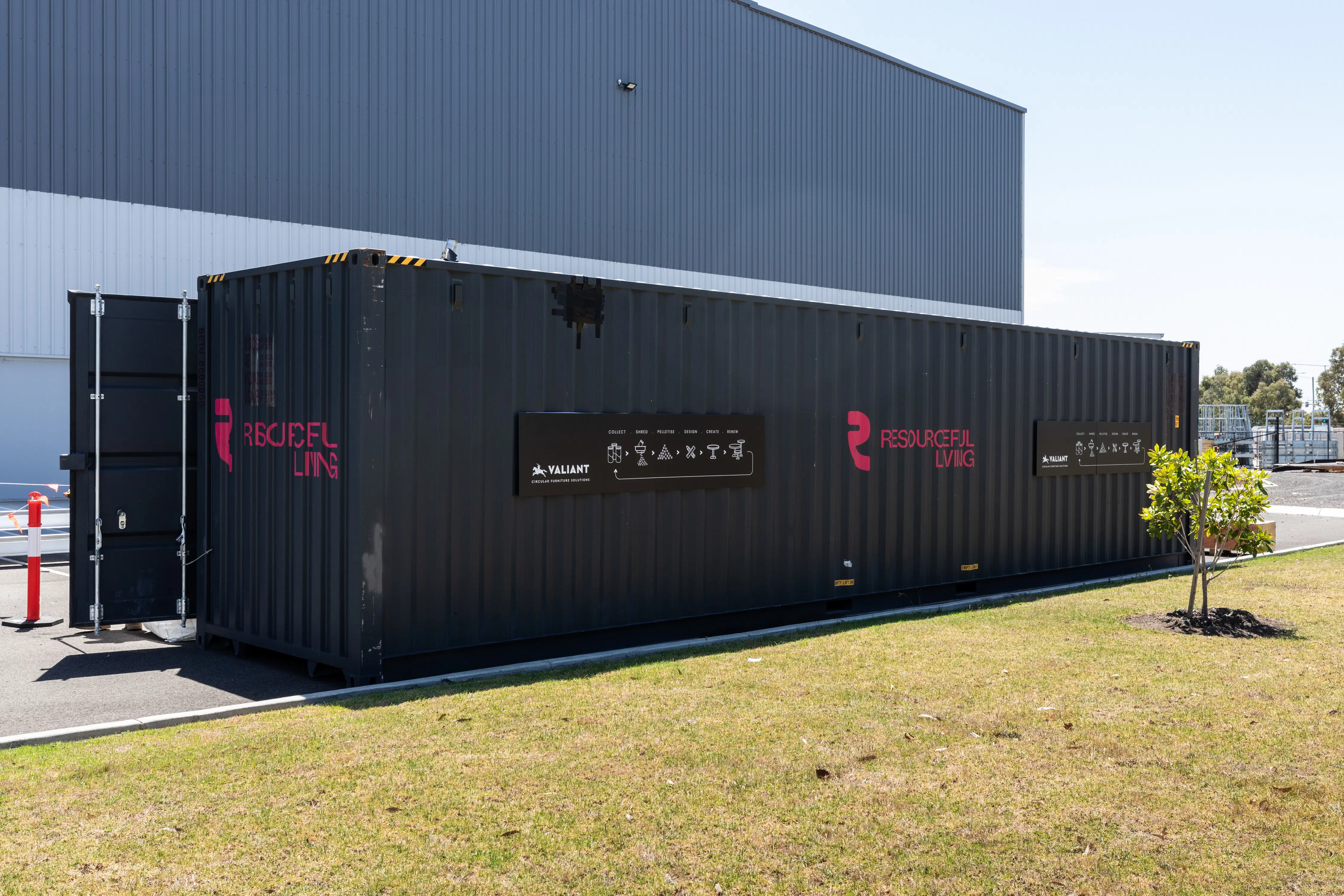
At Resourceful Living, we believe in a transparent supply chain. We help businesses understand the life cycle environmental impact of recycled plastic panels in Australian construction. By using traceable Australian plastic waste, you can confidently report on your ESG metrics without fear of "discovery" during a third-party audit.
4. Ignoring Embodied Carbon and EPDs
If you aren't looking at Environmental Product Declarations (EPDs), you’re flying blind. An EPD is essentially a "nutrition label" for building materials, detailing everything from carbon emissions to water usage during manufacturing.
A major pitfall is choosing a material based on a single "green" attribute while ignoring its overall carbon cost. For example, some bio-based materials require massive amounts of land and water to produce, which might actually give them a higher environmental impact than high-quality recycled plastic.
Key metrics to watch for in 2026:
- Global Warming Potential (GWP): How much CO2e is emitted per square metre?
- Resource Depletion: Does the material use scarce minerals or virgin fossil fuels?
- Local Compliance: Does it align with Australia’s new embodied carbon rules?
5. Maintenance and "End-of-Life" Neglect
Sustainability doesn't end when the building is handed over. A material that is difficult to maintain or impossible to dispose of responsibly at the end of its life is a future liability.
We often see projects where traditional materials, like marine plywood, are chosen for their initial look, only to require intensive chemical treatments and frequent replacement due to rot. This creates a cycle of waste that undermines the project’s sustainable goals.
The Pitfall: Choosing a "natural" material that requires toxic finishes or cannot be recycled.
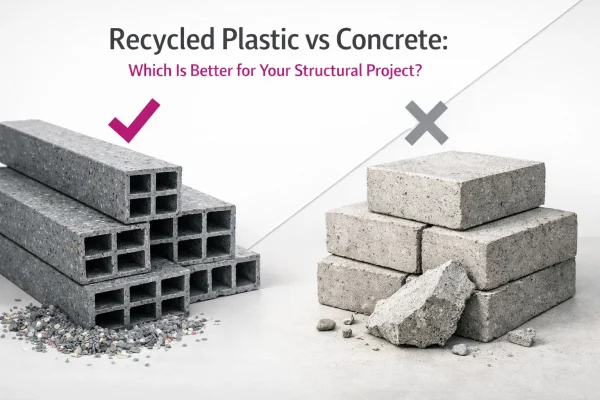
The Fix: Opt for inert, durable materials like recycled plastic that require zero maintenance and can be fed back into a take-back program.
6. How to Conduct a Material Audit
Before you sign off on your next procurement contract, run your materials through this quick 2026 "Health Check":
- Is it Local? Does sourcing this material support Australian recycling infrastructure?
- Is it Proven? Has the material been tested for Australian conditions (UV, salt, moisture)?
- Is it Traceable? Can the manufacturer provide a clear chain of custody for the waste?
- Is it Circular? Does the manufacturer offer a take-back program to ensure the material never hits a landfill?
- Does it assist with ratings? How does this material impact your NABERS rating?
If the answer to any of these is "No" or "I don't know," you are likely stepping into a sustainability pitfall.
The Resourceful Living Difference
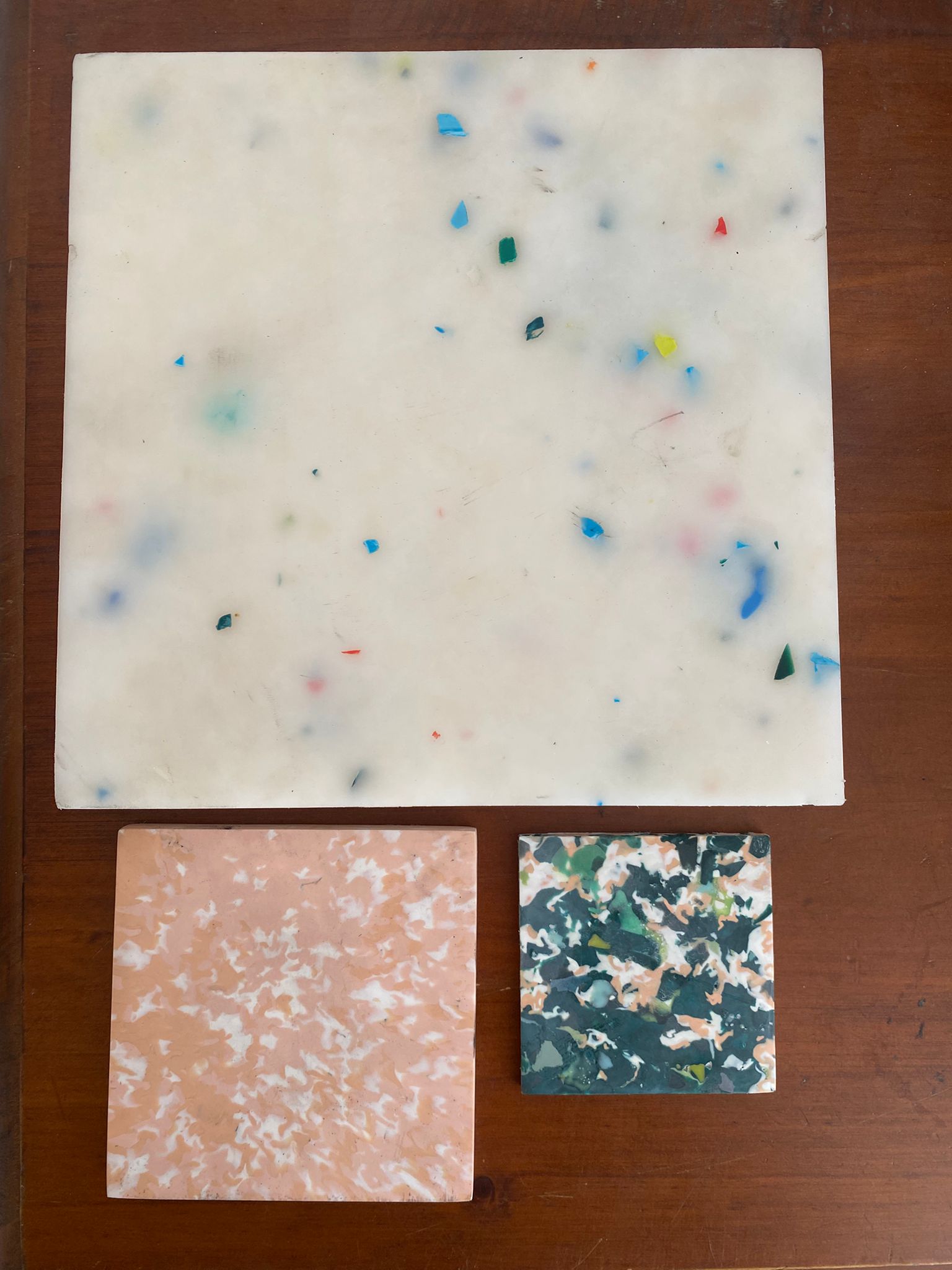
In 2026, we aren't just manufacturers; we are partners in your project's ESG success. We’ve spent years refining our process to ensure that our 100% recycled plastic panels aren't just "eco-friendly": they are high-performance engineering solutions.
Whether you are looking to slash your site waste or you need bespoke surfaces for a commercial fit-out, we provide the traceability and durability that modern construction demands.
"The biggest mistake companies make is treating sustainability as a checkbox. In 2026, it’s the core of your operational efficiency and long-term asset value." : The Resourceful Living Team
Ready to secure your supply chain?
Don't let poor material choices derail your project's compliance or performance. If you're navigating the complexities of circular procurement, we're here to help.
- Explore our range of 100% recycled panels
- Learn more about our ESG Partner Program
- Conduct a plastic waste audit for your business
By choosing high-quality, locally manufactured recycled materials, you aren't just avoiding pitfalls; you’re leading the charge toward a truly resourceful Australia.