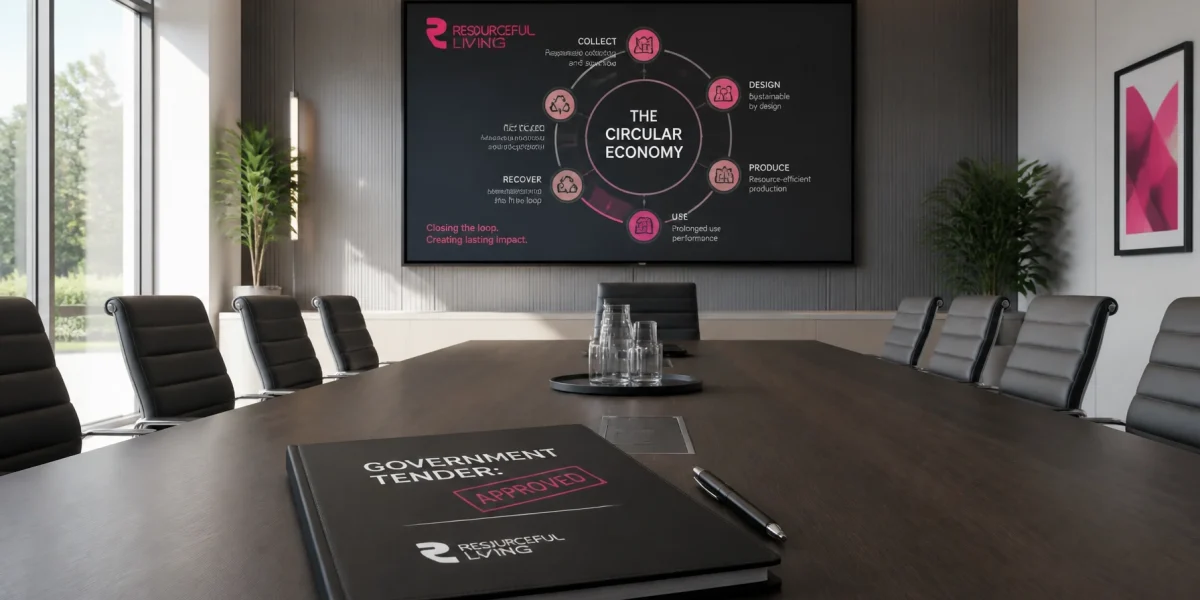
In the current Australian construction and infrastructure landscape, "being green" is no longer a marketing luxury: it’s a commercial mandate. As of July 2024, the Commonwealth Environmentally Sustainable Procurement (ESP) Policy has fundamentally shifted how tenders are won. If you're bidding for construction services over $7.5 million or furniture and fittings over $1 million, your environmental performance is now a weighted metric that can make or break your bid.
But here is the reality: most businesses treat sustainability as a cost centre. They buy "green" products as a one-off, pay a premium, and hope it’s enough to tick the box.
The most successful Tier 1 contractors and developers in 2026 are doing something different. They are moving away from transactional purchasing and into Circular Economy Subscriptions. At Resourceful Living, we’ve seen this shift firsthand. A subscription doesn't just provide you with material; it provides you with traceable social value and guaranteed ESG data that pays for itself by unlocking higher-value contracts.
The $90k Question: What is the Real ROI of Social Procurement?
When we talk about the ROI of sustainable procurement 2026, we aren't just talking about the price per sheet of plastic. We are talking about the Total Contract Value (TCV) you can access because you have a superior social procurement story.
Government agencies and large corporations are now required to report on their social value creation. When you partner with us through a recycling subscription, you aren't just buying a product; you're becoming a partner in a closed-loop system that creates local jobs and diverts 100% Australian waste from landfill.
"The subscription model effectively turns your waste management from a liability into a strategic asset. By securing a traceable, circular supply chain, you're not just meeting tender requirements: you're setting the standard for your competition." : Jess Hodge, CEO, Resourceful Living
1. Unlocking High-Value Tenders with ESP Compliance
Under the new ESP Policy, suppliers must provide a Supplier Environmental Sustainability Plan (SESP). This plan must detail how you will reduce waste and support circularity.
A Resourceful Living subscription provides the "ready-made" evidence for your SESP:
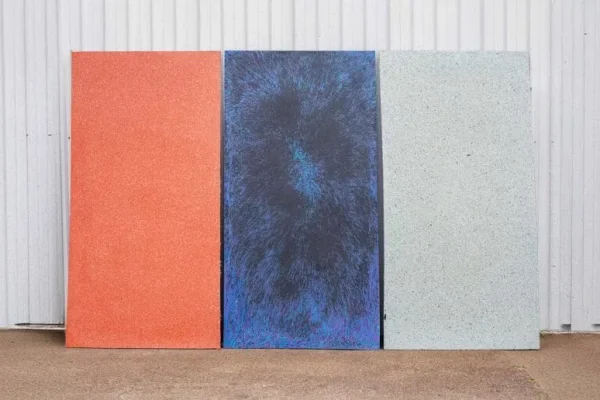
- Traceable Plastic Source: We track every kilogram of plastic from collection to the final 2400mm x 1200mm panel.
- Carbon Emission Data: Our panels have significantly lower embodied carbon compared to traditional materials like concrete or virgin plastic.
- Zero-Waste Guarantee: Because our subscription includes a take-back program, your "waste" at the end of a project is actually our raw material for the next one.
Breaking the "Timber Trap": A Financial Comparison
Many project managers still default to marine plywood or treated timber for site hoarding and temporary infrastructure. On paper, it looks cheaper. In practice, it is a financial drain.
| Feature | Treated Timber / Plywood | Resourceful Living Recycled Plastic |
|---|---|---|
| Initial Cost | Lower | Moderate |
| Durability | 1-3 years (rots, warps) | 50+ years (weatherproof) |
| Maintenance | High (painting, replacing) | Zero |
| End-of-Life Cost | High (landfill levies) | $0 (via Take-Back Program) |
| Tender Advantage | Low/Negative | High (Social Value & Circularity) |
The circular economy ROI becomes clear when you factor in the "hidden" costs of traditional materials. By using a subscription-based model for your materials, you eliminate the fluctuating costs of disposal and the recurring expense of replacing rotted timber.

Social Procurement: The Human Side of Your Bid
Social procurement is defined as using your buying power to generate social value above the value of the goods purchased. This is a massive focus for state frameworks like the Victoria Social Procurement Framework and WA Social Procurement Framework.
Our process is built on social impact. When we process 3 million SIM cards for Telstra (you can read that case study here), we don't just use machines; we partner with social enterprises like Mai Wel to create supported employment for people with disabilities.
When you include a Resourceful Living subscription in your tender, you can honestly claim:
- Local Job Creation: Every tonne of plastic we manufacture supports Australian workers.
- Inclusive Employment: Your procurement supports our partnerships with disability support services.
- Sovereign Capability: You are using 100% Australian waste, processed in Australia, for Australian projects.
How the Subscription Works (and Pays for Itself)
We’ve designed our subscription to be a "set and forget" solution for busy project managers. It is more than a supply contract: it is a managed circularity service.
Phase 1: Material Supply
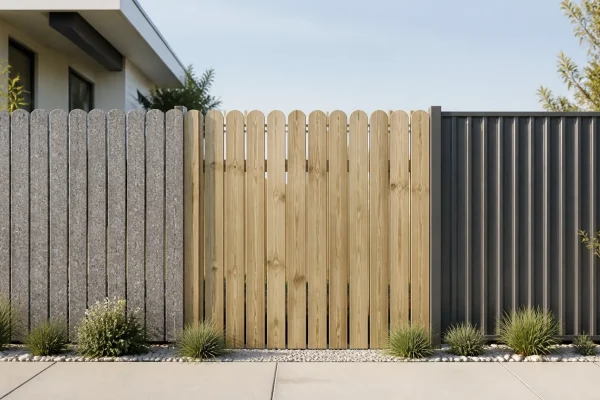
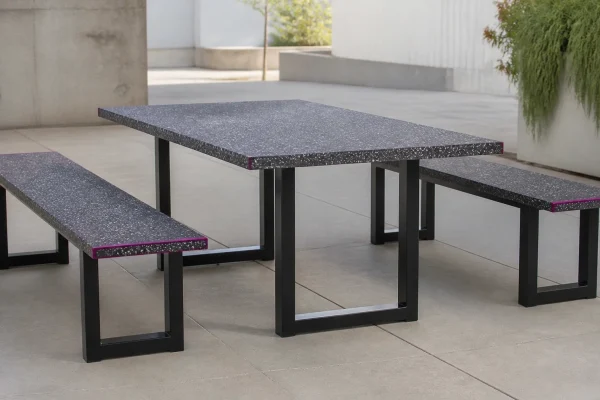
You receive our 100% recycled and recyclable plastic sheets (standard 2400mm x 1200mm, 3mm-40mm thickness). These are solid blocks of plastic: no additives, no veneers, and no toxic glues. They are perfect for construction hoarding, erosion control, or modular fit-outs.
Phase 2: Traceability & ESG Reporting
Throughout the project, we provide you with the data. How many kilograms of plastic did you divert? What are the avoided carbon emissions? This data is formatted to plug directly into your ESG reports and NABERS ratings.
Phase 3: The Take-Back Loop
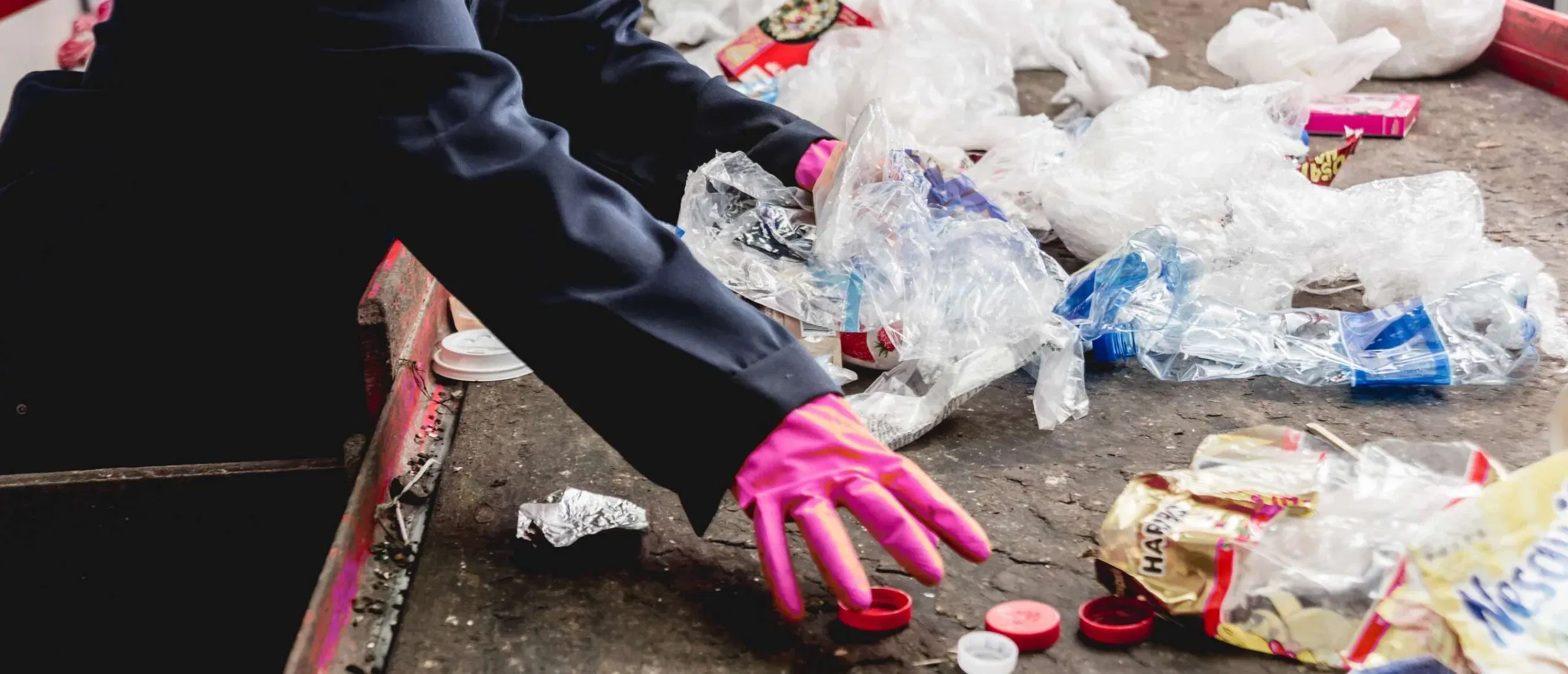
At the end of the project or the product's life, we collect the panels. We don't charge you for this. We shred them, wash them, and turn them back into new panels. This eliminates your landfill levies and ensures your project hits its zero-waste targets.

Strategic Steps to Winning Your Next Tender
If you want to leverage a circular economy subscription to drive revenue this month, follow this implementation guide:
- Identify Your "Waste" Liability: Look at your current projects. Are you paying to dispose of timber, plywood, or single-use plastics? That cost is the first thing your subscription will offset.
- Update Your Tender Templates: Don't just list "recycled material." Use the language of the ESP Policy. Mention "100% Australian traceable waste" and "closed-loop take-back guarantee."
- Quantify the Social Value: Use our data to show the procurement officer exactly how many hours of social enterprise employment your contract will support.
- Audit Your Supply Chain: Ask your current suppliers where their "recycled" plastic comes from. If they can’t prove it’s Australian waste, it won't help you with social procurement targets.
The Bottom Line
A circular economy subscription is no longer just a "nice-to-have" for your environmental team. It is a financial tool for your sales and bidding team. In 2026, the winners of Tier 1 contracts won't just be the ones with the lowest price; they will be the ones who can prove they are building Australia’s circular future.
Ready to stop "buying plastic" and start winning tenders? Contact Resourceful Living today to discuss a custom subscription plan for your next project.