If you’ve been keeping an eye on the Australian construction landscape, you know the goalposts are moving. As of 1 May 2026, the Green Building Council of Australia (GBCA) has officially made Green Star Buildings v1.1 the mandatory standard for all new project registrations.
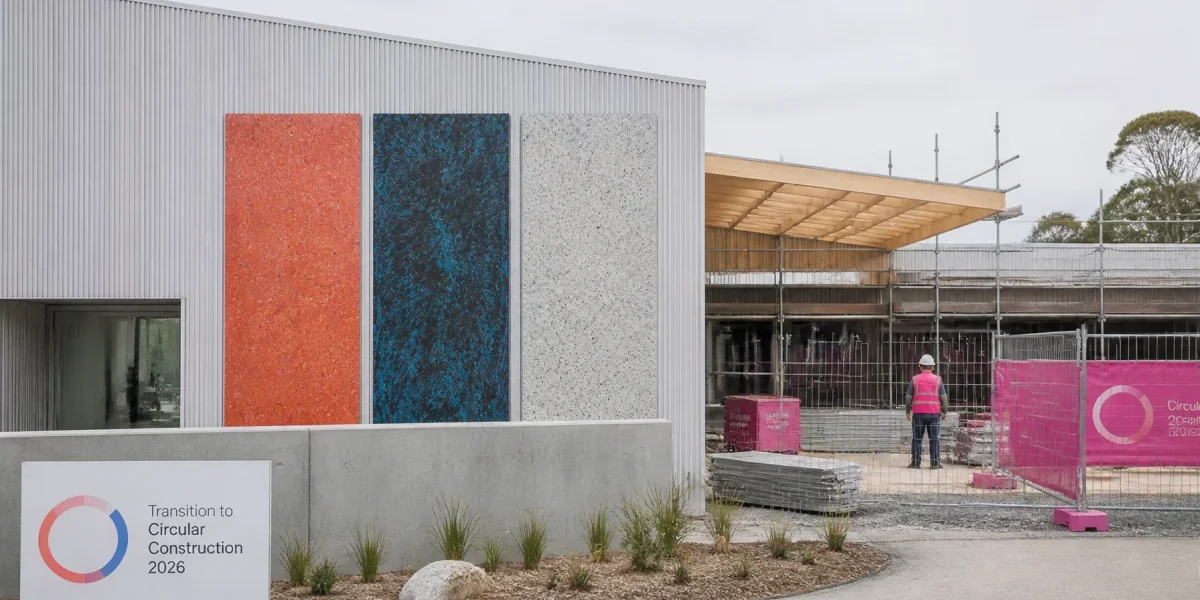
This isn’t just a minor update; it’s a fundamental shift in how we think about circular construction 2026. The new framework places a massive emphasis on where your materials come from, how they were made, and: critically: where they go when the building is eventually renovated or decommissioned.
At Resourceful Living, we’ve spent years perfecting the art of turning Australian plastic waste into high-performance recycled plastic panels. We’ve seen firsthand that the "she'll be right" approach to sustainability is dead. In the world of sustainable building materials Australia, traceability is the new gold standard.
What’s New in Green Star v1.1?
The biggest change in v1.1 is the formalisation of the Responsible Products Framework (RPF). Instead of just ticking a box for "recycled content," projects must now prove the "responsibility" of their products across four key pillars:
- Transparency & Traceability: Where did the raw materials come from?
- Environmental Performance: What is the embodied carbon (EPD data)?
- Social & Governance: Were they made ethically?
- Circularity: Is there a take-back scheme or a plan for the end of life?
For a project to earn high ratings, a significant percentage of its materials (by cost or quantity) must meet these RPF criteria. This means builders and architects can no longer rely on vague supplier promises. You need data-backed evidence.

The Traceability Trap: Why "Recycled" Isn't Enough
We often talk to builders who are frustrated. They’ve sourced "recycled" timber or plastic from overseas, only to find they can’t get the documentation needed for their Green Star or NABERS submissions.
Traceability is the bridge between a "claim" and a "fact."
If your material is shipped from halfway across the world, its carbon footprint might already be in the red before it even arrives on-site. Furthermore, verifying the source of that waste is nearly impossible. Is it post-consumer waste? Is it industrial off-cuts? Was it collected ethically?
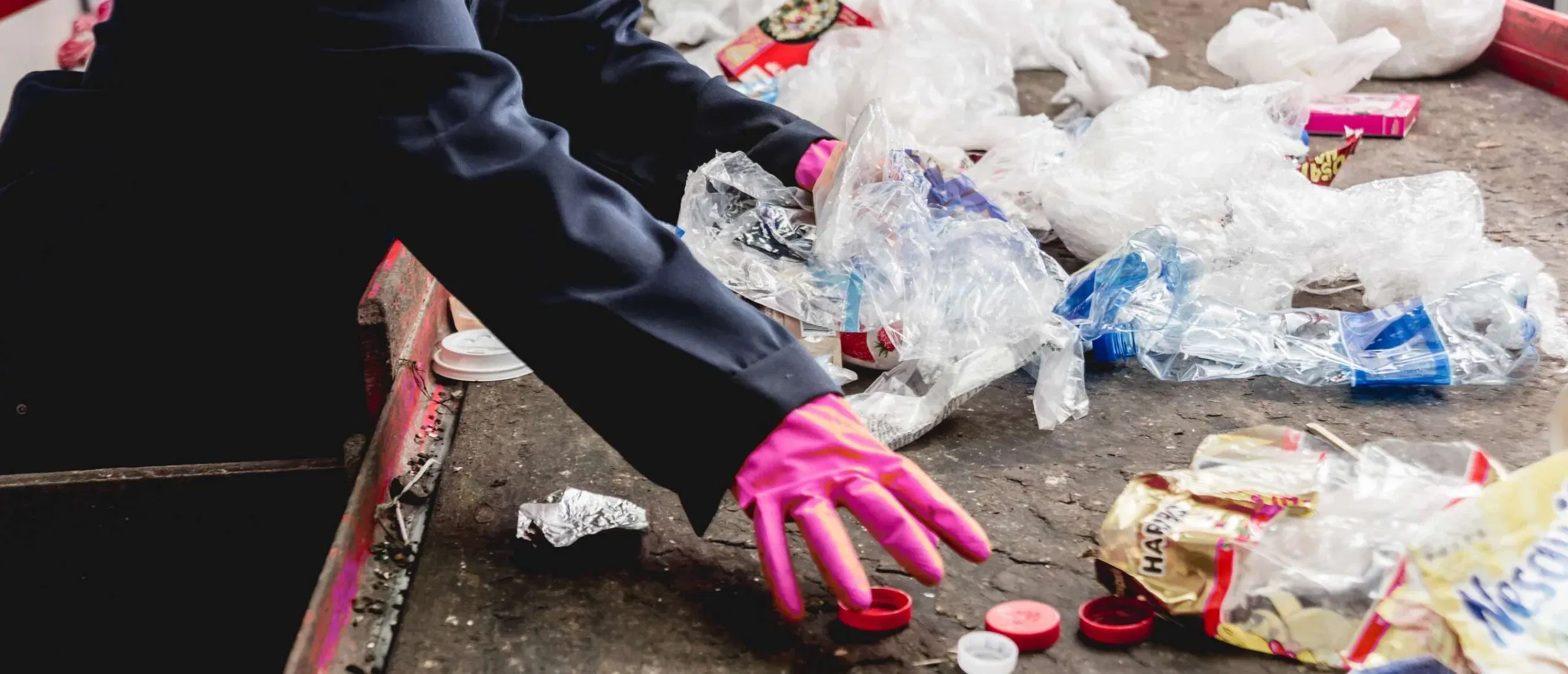
Under Green Star v1.1, you need to document the manufacturing location and provide chain-of-custody evidence. This is why local sourcing is becoming the primary strategy for meeting circular construction 2026 targets. When you source from a local manufacturer like Resourceful Living, you can literally point to the Australian waste stream: like commercial soft plastics or kerbside milk bottles: that went into your sustainable building materials.
Sourcing for Compliance: The RPF Checklist
To ensure your materials are compliant with the new Green Star v1.1 RPF, you need to ask your suppliers five critical questions:
- ✅ Do you have an Environmental Product Declaration (EPD)? Data is the currency of 2026. You need Global Warming Potential (GWP) metrics to perform a Life Cycle Assessment (LCA).
- ✅ Is the material 100% recycled or a composite? True circularity favours "monomaterials" like 100% HDPE. Composites are often impossible to recycle a second time because the materials can't be separated.
- ✅ Where is it manufactured? Locality reduces transport emissions and simplifies the audit trail.
- ✅ Is there a verified Take-Back Program? This is a huge component of the Design for Circularity credit.
- ✅ Can you provide a traceability report? This protects your project from "circular washing" and ensures you meet government procurement rules.

"Traceability is the only way to avoid the 'circular washing' that is currently plagueing the industry. If you can't prove where the waste came from, you can't claim the win in your tender." : Jess Hodge, Owner at Resourceful Living.
Circular Construction 2026: Designing for Disassembly
Green Star v1.1 introduces a dedicated Design for Circularity credit. This encourages architects and builders to think about the building as a "material bank."
Instead of gluing and screwing materials in a way that they become landfill-bound during the first renovation, we need to design for disassembly.
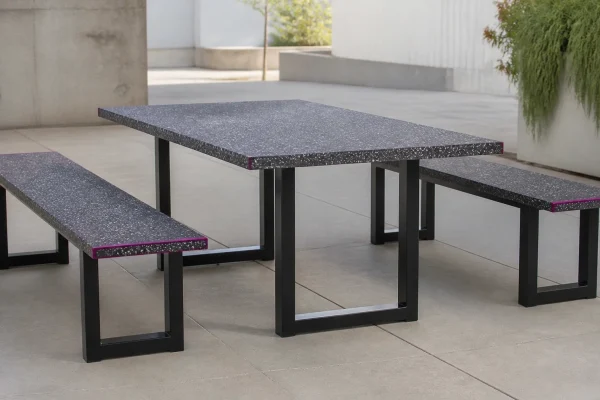
Our recycled plastic products are a perfect fit for this. They can be mechanically fixed (screwed and bolted) just like timber, but because they don't rot or degrade, they can be easily removed and repurposed in 10 or 20 years.
If they really can't be reused, we take them back. Our Closed-Loop Take-Back Program means we collect our panels at their end of life, shred them, and turn them back into new sheets. This isn't just a nice-to-have; it's a core requirement for projects aiming for a 5 or 6-star Green Star rating in 2026.
Why Local HDPE is the "Hero" Material for 2026
While traditional materials like timber and concrete have their place, they often struggle to meet the strict circularity and moisture-resistance requirements of modern commercial builds.
High-Density Polyethylene (HDPE) panels made from 100% Australian waste offer a unique solution:
- Zero Rot: Ideal for wet-area fit-outs, school bathrooms, and outdoor amenities where timber fails.
- Low Embodied Carbon: By avoiding international shipping and virgin resource extraction, our panels have a significantly lower carbon profile.
- Traceable Origin: We track our waste streams from source to sheet.
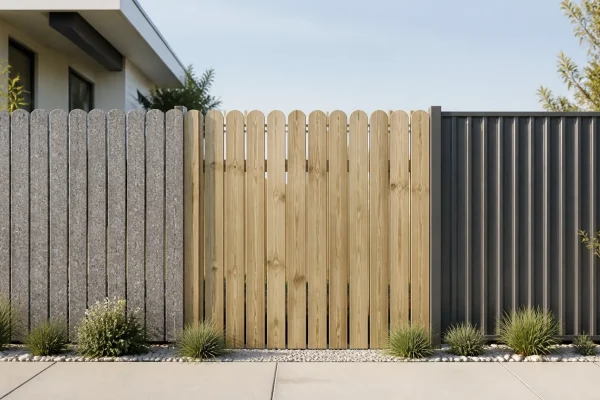
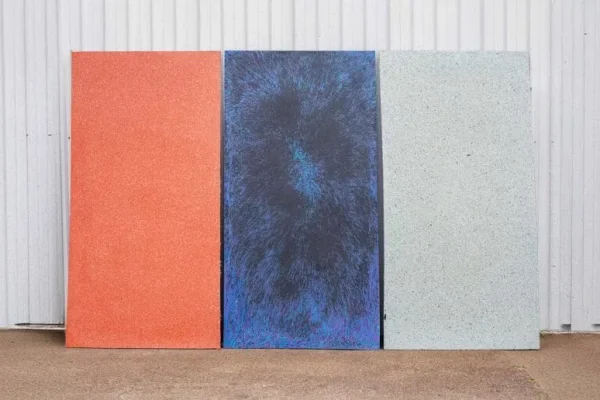
- Aesthetic Versatility: Available in 6 popular colours, our panels offer a high-end, speckled aesthetic that celebrates their recycled origin. You can even order samples to see the quality for yourself.
How to Prepare for Your Next Tender
If you're bidding for a project that kicks off in 2026, the documentation phase starts now.
- Audit your current supply chain: Identify which materials have EPDs and which are "documentation dead-ends."
- Prioritise high-impact areas: Focus your traceability efforts on internal finishes, fit-outs, and moisture-prone areas where recycled plastic can replace high-maintenance materials.
- Engage with local manufacturers early: Don't wait until the procurement phase to ask about take-back programs. Build these partnerships into your initial sustainability strategy.

At Resourceful Living, we’re more than just manufacturers. We’re partners in the transition to a circular economy. We provide the data, the traceability, and the high-performance materials you need to win tenders and build projects that actually matter.
Ready to get compliant? Check out our About page to learn more about our process, or get in touch for a custom quote on your next circular project.