If you’re working in the Australian built environment in 2026, you already know the stakes have shifted. We’re no longer just dealing with a "supply chain headache": we’re navigating a full-blown building material crisis where costs for traditional materials like timber and concrete are 40-50% higher than they were five years ago.
At the same time, the regulatory landscape has tightened. As of 1 May 2026, all new Green Star projects must register under the Green Star Buildings v1.1 guidelines. This isn't just a minor update; it’s a fundamental pivot toward circularity.
For builders and architects, the challenge is clear: How do you meet these aggressive new sustainability targets without blowing your budget or your timeline? The answer lies in "banking" circularity credits by swapping out volatile, high-maintenance materials for 100% recycled plastic panels.
Here is how you can use Resourceful Living materials to turn compliance into a competitive advantage.
Understanding the Green Star v1.1 'Circularity' Pivot
The Green Building Council of Australia (GBCA) has introduced a dedicated Design for Circularity credit in v1.1. This move rewards projects that move away from the "take-make-waste" model. To "bank" these points, you need to prove your materials are:
- Recoverable: Easily removed and reused at the end of their life.
- Recyclable: Supported by a proven, local Australian end-of-life pathway.
- Low Embodied Carbon: Demonstrably lower in carbon emissions compared to virgin or traditional materials.
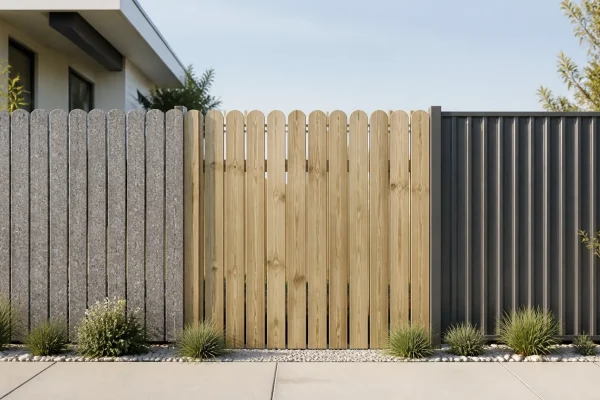
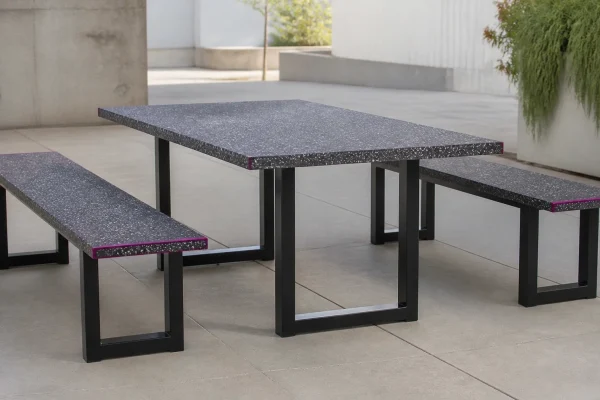
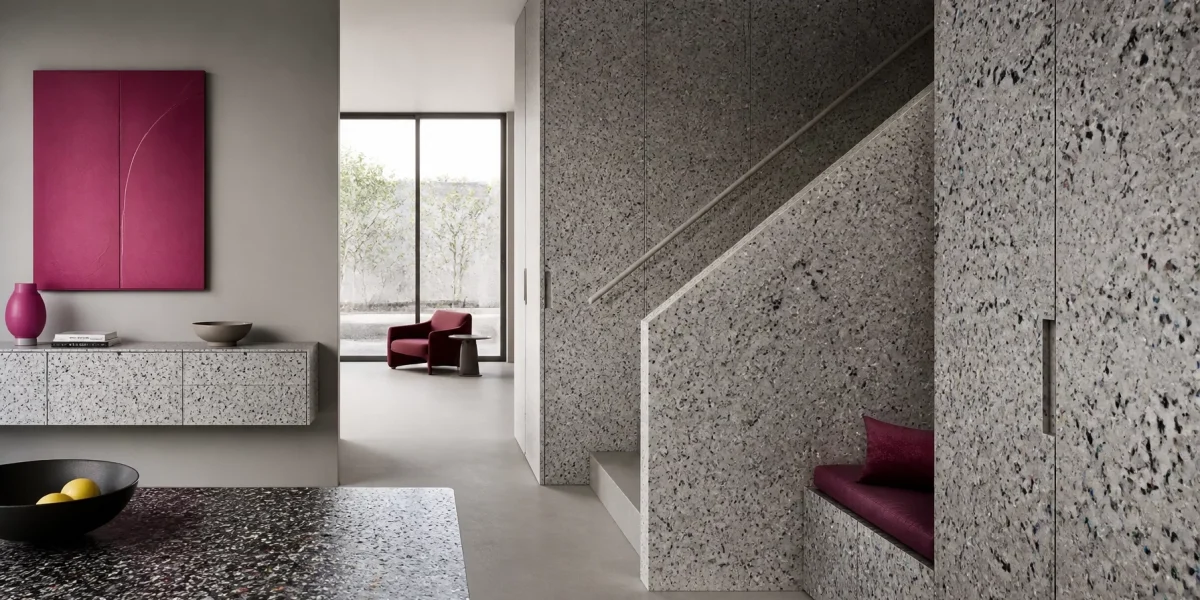
Our recycled plastic products are designed specifically to tick every one of these boxes. Unlike composite materials or veneers, our panels are solid blocks of 100% Australian recycled plastic. This simplicity makes them an "easy win" for your Green Star v1.1 material traceability documentation.
"Circularity in 2026 isn't a 'nice-to-have': it's the new baseline for project feasibility. If you aren't designing for deconstruction today, you're building a liability for tomorrow." : Jess Hodge, Resourceful Living.
Why 100% Australian Sourcing Simplifies Compliance
One of the biggest hurdles in modern construction is traceability. With global supply chains still reeling from shipping disruptions and fuel surcharges, sourcing international "eco-friendly" materials often results in a massive carbon footprint just from the transport (A4 stage emissions).
By using Resourceful Living panels, you are using 100% Australian plastic waste. This local loop offers three distinct advantages for your project:
- Lower Embodied Carbon: Minimal transport distances mean lower upfront carbon, helping you meet the Credit 19 (Life Cycle Impacts) requirements of v1.1.
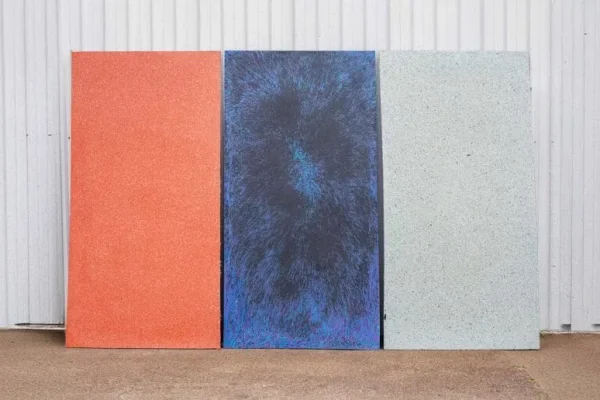
- Verified Data: We manage the entire cycle: from waste collection to the final 2400mm x 1200mm panel. This allows us to provide the precise data you need for your embodied carbon reporting.
- Sovereign Supply: You aren't waiting on a container from overseas. We manufacture 1 tonne of plastic per day right here, ensuring your project stays on schedule despite the wider market crisis.

The Financial Argument: 80% Cost Savings Over Timber
We need to talk about the "Timber vs. Plastic" debate in a 2026 context. While timber has historically been the "go-to" for sustainable framing and fit-outs, its long-term ROI is being questioned under current climate conditions.
Timber requires ongoing maintenance: sanding, painting, oiling, and protection against termites and rot. In a commercial or high-traffic environment, these costs compound every year.
Recycled plastic is a "set and forget" material.
Over a 10-to-15-year lifecycle, builders are seeing up to 80% cost savings when switching to recycled plastic for non-structural applications. Here’s the breakdown:
| Feature | Timber (Hardwood/Plywood) | Resourceful Living Panels |
|---|---|---|
| Initial Cost | Moderate to High (Volatile) | Competitive & Stable |
| Maintenance | Annual oiling/painting required | Zero maintenance |
| Durability | Prone to rot, warp, and termites | Weather, rot, and pest proof |
| End of Life | Landfill or low-grade mulch | 100% Recyclable (Take-back program) |
| Circularity Points | Low (if treated with chemicals) | High (100% Recyclable) |
By choosing our panels, you aren't just saving on the initial purchase; you’re eliminating the operational expenditure (OPEX) of maintaining those assets. This is a massive selling point for developers looking to pitch "low-maintenance" assets to future owners.
Banking Your 'Product Stewardship' Credits
The GBCA rewards projects that use products with a documented Take-Back Program. This is part of the shift toward Product Stewardship.
Resourceful Living offers a free take-back program for all our products at their end of life. If a retail fit-out is being decommissioned or a building is being renovated in 10 years, we collect our materials and put them right back into our manufacturing line to create new panels.

This "closed loop" is exactly what the new Design for Circularity credit is looking for. It proves that the material will never see a landfill, which is the ultimate goal of the 2026 circular construction pivot.
Implementation Checklist: Using Recycled Panels in Your Next Project
To maximize your circularity credits and beat the material crisis, follow these steps during your design and tender phase:
1. Specify 'Mechanical Fixings Only' 🛠️
Avoid permanent adhesives or glues. Use screws or bolts to mount your panels. This allows for easy disassembly, which is a core requirement for Green Star circularity points. It also makes it easier for us to take the panels back later.
2. Choose from our 6 'Core' Colours 🎨
To ensure the fastest turnaround and most stable pricing, specify our core range (Ochre, Lumen, River, etc.). These are manufactured seven days a week, ensuring you aren't held up by custom lead times.
3. Leverage our Technical Specs 📊
Our panels are tested for strength, durability, and weather resistance. Don't guess: use our data to prove to your certifier that the material meets the NCC 2025 durability standards.
4. Include the Take-Back Clause in your Tender 📋
Explicitly state that the project utilizes a Product Stewardship Scheme. This can be the difference between winning a government tender or missing out, as procurement rules now heavily weight circular economy principles.

Conclusion: The Logical Choice for 2026
The building material crisis isn't going away, and the move toward circularity is only accelerating. By swapping traditional, high-maintenance materials for Resourceful Living's 100% recycled plastic panels, you’re doing more than just "going green."
You’re de-risking your project, slashing long-term maintenance costs, and banking the circularity credits required to hit your Green Star targets.
Ready to see how these panels look in person? Order a sample pack today and start building for the future, not the landfill.