Sustainable construction isn’t just good for the environment and it’s also increasingly rewarded by government incentives.
From grants and rebates to local procurement mandates, Australia’s state and federal governments are backing builders who choose recycled materials like our plastic panels.
This guide breaks down the key incentive programs and how architects, builders, developers, and councils can leverage them to reduce costs and improve sustainability outcomes.
📌 Related: How Recycled Plastic Products Drive the Circular Economy in Australia
✅ Shop government-compliant recycled panels
Why Governments Are Supporting Recycled Construction Materials
Australia has committed to:
- Achieving net-zero carbon emissions
- Diverting 80%+ of waste from landfill
- Building climate-resilient infrastructure
Recycled materials help governments meet these goals by:
- Reducing resource consumption
- Supporting local recycling industries
- Lowering embodied carbon in construction
📎 Related: Plastic Pollution in Australia: How the Building Industry Can Help
Key National Programs Supporting Recycled Content
1. Recycling Modernisation Fund (RMF)
- Joint state/federal $250M+ fund to boost recycling infrastructure
- Grants available to businesses integrating recycled products into manufacturing and construction
2. Product Stewardship for Oil & Plastics
- Incentives for using recycled content over virgin materials
- Panels made from HDPE, PP, PET often qualify
3. Green Star (GBCA) and NABERS Credits
- Use of certified recycled materials counts toward green building ratings
📎 Related: The Lifecycle of a Recycled Plastic Panel
State-Based Programs & Procurement Targets
NSW — Waste and Sustainable Materials Strategy
- Mandates use of recycled materials in public construction
- Up to $5M in grants for innovative recycled product use
VIC — Recycled First Policy
- Infrastructure Victoria requires recycled content in road and rail projects
- Applies to public tenders and council works
QLD — Waste Management and Resource Recovery Strategy
- Targets 25% increase in recycled content across public projects
📎 Case Study: Recycled Plastic in Commercial Fit-Outs: Real-World Case Studies
✅ Check if your project qualifies
Using Recycled Plastic Panels to Meet Requirements
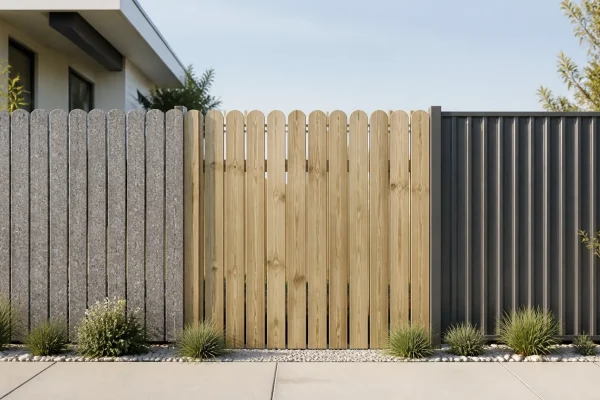
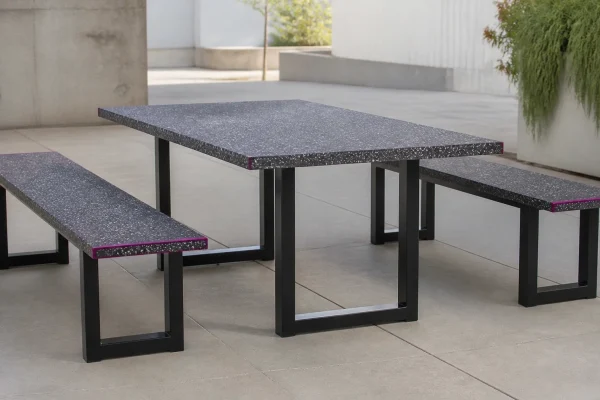
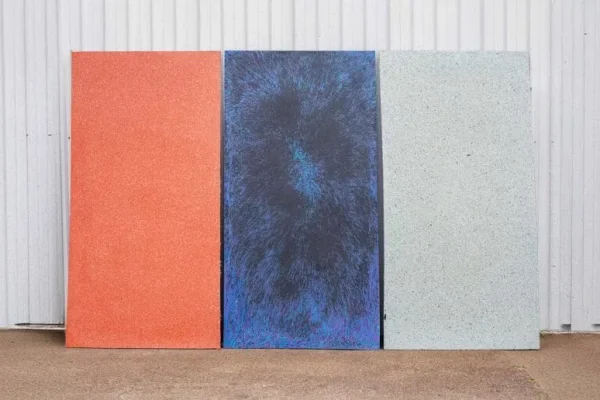
Our panels are:
- Made from 100% Australian post-consumer plastic
- Backed by compliance documentation
- Fully recyclable and low-VOC
Uses include:
- Urban infrastructure
- Landscaping and streetscapes
- Schools and government buildings
📎 Related: From Waste to Worth: Transforming Plastic into Durable Products
Aligning with ESG and Climate Targets
Government-funded projects increasingly require ESG alignment. Recycled plastic panels help meet:
- Social impact goals (supporting local jobs)
- Circular economy strategies
- Climate adaptation and resilience planning
📎 Related: What Happens to Recycled Plastic? Behind the Scenes of Our Process
Winning Tenders with Recycled Materials
Builders and consultants who incorporate recycled content:
- Score higher in sustainability criteria
- Demonstrate innovation
- Deliver cost savings over time
📎 Related: Why Designers Love Working with Recycled Plastic Panels
Choosing recycled materials isn’t just an environmental choice — it’s a strategic one.
By understanding and tapping into available government incentives, the building industry can:
- Lower material costs
- Win more projects
- Deliver sustainability outcomes that matter
📌 Return to: How Recycled Plastic Products Drive the Circular Economy in Australia