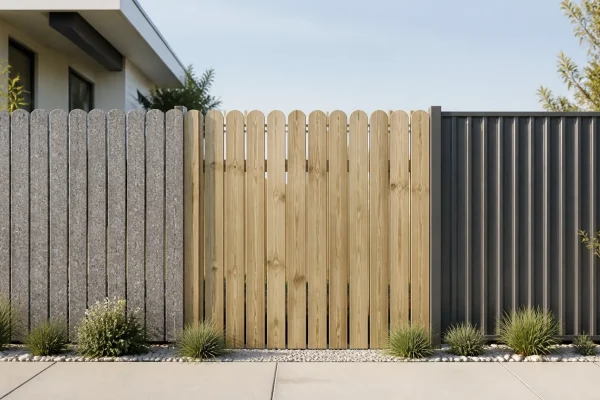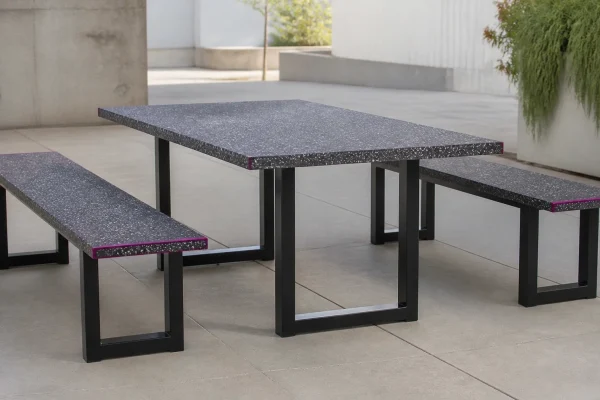

Ever wondered what actually happens after you toss a plastic milk bottle into a recycling bin? While many assume it ends up in landfill, the truth is that plastic could become a bench, wall panel, or garden bed.
At Resourceful Living, we’ve built our entire operation around a simple but powerful idea: turning waste into worth. And it starts with a process designed for sustainability at every step.
In this guide, we take you behind the scenes of how recycled plastic becomes a durable, long-lasting material that supports Australia’s circular economy.
📌 Related: How Recycled Plastic Products Drive the Circular Economy in Australia
✅ Explore 100% recycled plastic panels
Why Recycling Plastic Matters
Australia generates over 2.5 million tonnes of plastic waste annually but less than 13% of that is recycled locally.
By recycling plastic:
- We reduce reliance on virgin plastic
- Divert waste from landfills and oceans
- Reduce carbon emissions and energy use
- Create durable, low-maintenance building materials
📎 Related: Plastic Pollution in Australia: How the Building Industry Can Help
✅ See sustainable building products
Step 1: Collection of Post-Consumer Plastic
We work with local councils, businesses, and community groups to source post-consumer plastics such as:
- HDPE (milk bottles, detergent bottles)
- Ocean plastic waste
- Food containers and packaging
The plastic is sorted by type, colour, and quality to ensure consistent results.
📎 Related: From Waste to Worth: Transforming Ocean Plastic into Durable Products
✅ Contact us for supply partnerships
Step 2: Cleaning and Preparation
Collected plastic is thoroughly cleaned to remove:
- Labels and adhesives
- Residue from contents (milk, food, soap)
- Dirt, salt, and other contaminants
Clean plastic is then shredded into flakes the raw material for our next step.
This phase ensures the panels we produce are not only high-performing but also safe and consistent for use in homes, schools, and commercial spaces.
Step 3: Melting and Compression Moulding
Plastic flakes are fed into our custom moulding equipment, where they’re:
- Heated to a specific temperature
- Compressed into flat sheets using moulds
- Cooled gradually to retain strength and structure
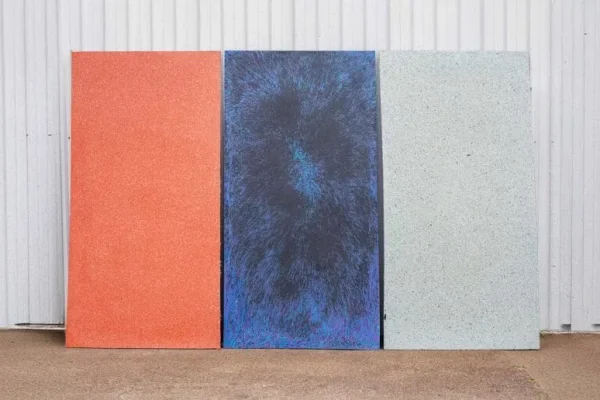
Depending on the application, we adjust thickness, colour, and surface texture.
Panels range from:
- 10mm to 50mm thick
- Smooth or speckled finishes
- Custom sizes and colours on request
✅ Browse recycled plastic range
Step 4: Cutting, Finishing & Quality Checks
Once moulded, sheets are:
- Trimmed to standard or custom dimensions
- Sanded and checked for any surface imperfections
- Strength-tested for commercial use
We also offer:
- Routing and engraving
- Pre-drilled options for installers
Every panel is tracked back to its original waste stream to ensure full transparency.
📌 Related: The Lifecycle of a Recycled Plastic Panel
Step 5: Distribution to Builders, Designers & Councils
Once complete, our panels are:
- Delivered to trade clients across Australia
- Used in commercial fit-outs, outdoor spaces, landscaping, and more
- Installed by builders, designers, and homeowners
Every panel contributes to a circular economy by replacing virgin materials and reducing waste.
📎 Case studies: Recycled Plastic in Commercial Fit-Outs: Real-World Case Studies
✅ Get a quote for your next project
What Makes Our Panels Different?
- ♻️ 100% Australian post-consumer waste
- 🔁 Fully recyclable again at end of life
- 💧 Waterproof, UV-stable, non-toxic
- 🛠 Easy to cut, shape, and install
- 🎨 Available in bold modern colours and custom textures
Compared to timber or MDF:
- No rotting or warping
- No sealing or repainting
- Longer lifespan and lower cost over time
📎 Related: Outdoor Furniture Made From 100% Recycled Plastic: Is It Durable?
Transparency in Manufacturing
We believe in full transparency. Our factory in regional NSW is:
- Powered by renewable energy
- Staffed by local talent
- Committed to zero waste goals
We provide:
- Lifecycle data for all products
- Certificates for recycled content
- Support for Green Star & NABERS projects
📎 Related: Government Incentives for Using Recycled Materials in Construction
✅ Contact Us for technical datasheets
Our recycled plastic manufacturing process is designed to:
- Reduce plastic pollution
- Provide sustainable building materials
- Create real, measurable impact
By choosing our panels, you’re choosing:
- A cleaner environment
- Smarter construction
- Circular thinking
📌 Return to: How Recycled Plastic Products Drive the Circular Economy in Australia