
If you’re working in the Australian built environment in 2026, you’ve likely noticed a massive shift. The conversation has moved past "we should be sustainable" to "prove your carbon impact or you won’t win the contract."
Embodied carbon reporting in Australia is no longer a niche requirement for "green" projects; it’s becoming the baseline for commercial, infrastructure, and government tenders. Whether you are an architect, a Tier 1 builder, or a specialist contractor, having your material data ready for a life cycle assessment (LCA) is now as critical as having your insurance in order.
At Resourceful Living, we’re seeing this shift firsthand. Builders are no longer just asking about the price per sheet; they’re asking for Global Warming Potential (GWP) values, Environmental Product Declarations (EPDs), and traceability reports.
Here is how you get your material data "tender-ready" and why local, recycled materials are your secret weapon for hitting ESG targets.
Why Embodied Carbon is the New "Price Tag"
For years, the focus of the construction industry was on operational carbon: the energy a building uses once it’s finished. But as our grids get greener, the focus has shifted to embodied carbon: the emissions generated during the extraction, manufacture, transport, and assembly of building materials.
"Embodied carbon is expected to become mandatory in the NCC 2028 update. This means builders and developers have roughly two years to establish their data baselines and secure reliable supplier relationships."
If you aren't already tracking this, you’re playing catch-up. Leading frameworks like NABERS and the Green Star rating system now place heavy emphasis on reducing these upfront emissions. If you’re a bit short on time, check out our embodied carbon reporting in Australia: the 3-minute guide for busy builders.
The Data Gap: Why "Greenwashing" is a Risk to Your Tender
In the past, a supplier might have said their product was "eco-friendly" and that was enough to tick a box. In 2026, that doesn't fly. To meet embodied carbon reporting standards, you need hard data.
Many imported materials come with high transport emissions and opaque supply chains. If you can’t prove where the raw material came from or how much energy was used to process it, your LCA consultant will be forced to use "industry-average" emissions factors.
The problem? Industry averages are often much higher than the actual footprint of a high-performance, local material. This can make your project look "dirtier" on paper than it actually is, potentially disqualifying you from high-value government tenders.
How to Get Your Material Data Tender-Ready: A Checklist
To ensure your next submission is air-tight, you need to collect structured information early in the design process. Here is what your procurement team should be asking for:
1. Request Product-Specific EPDs
An Environmental Product Declaration (EPD) is a standardised document that communicates the environmental impact of a product. It’s essentially a nutritional label for building materials.
- ✅ Action: Prioritise suppliers who provide product-specific EPDs rather than general industry averages.
2. Verify Material Traceability
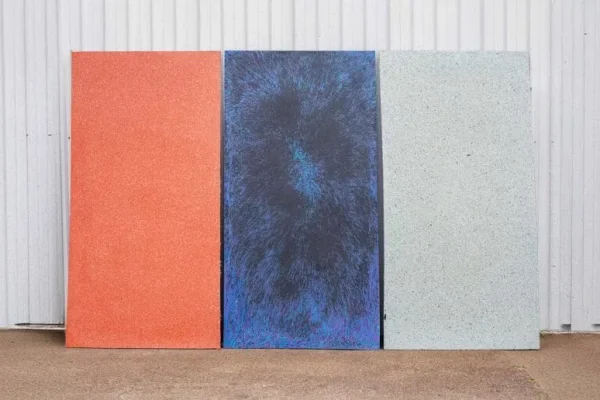
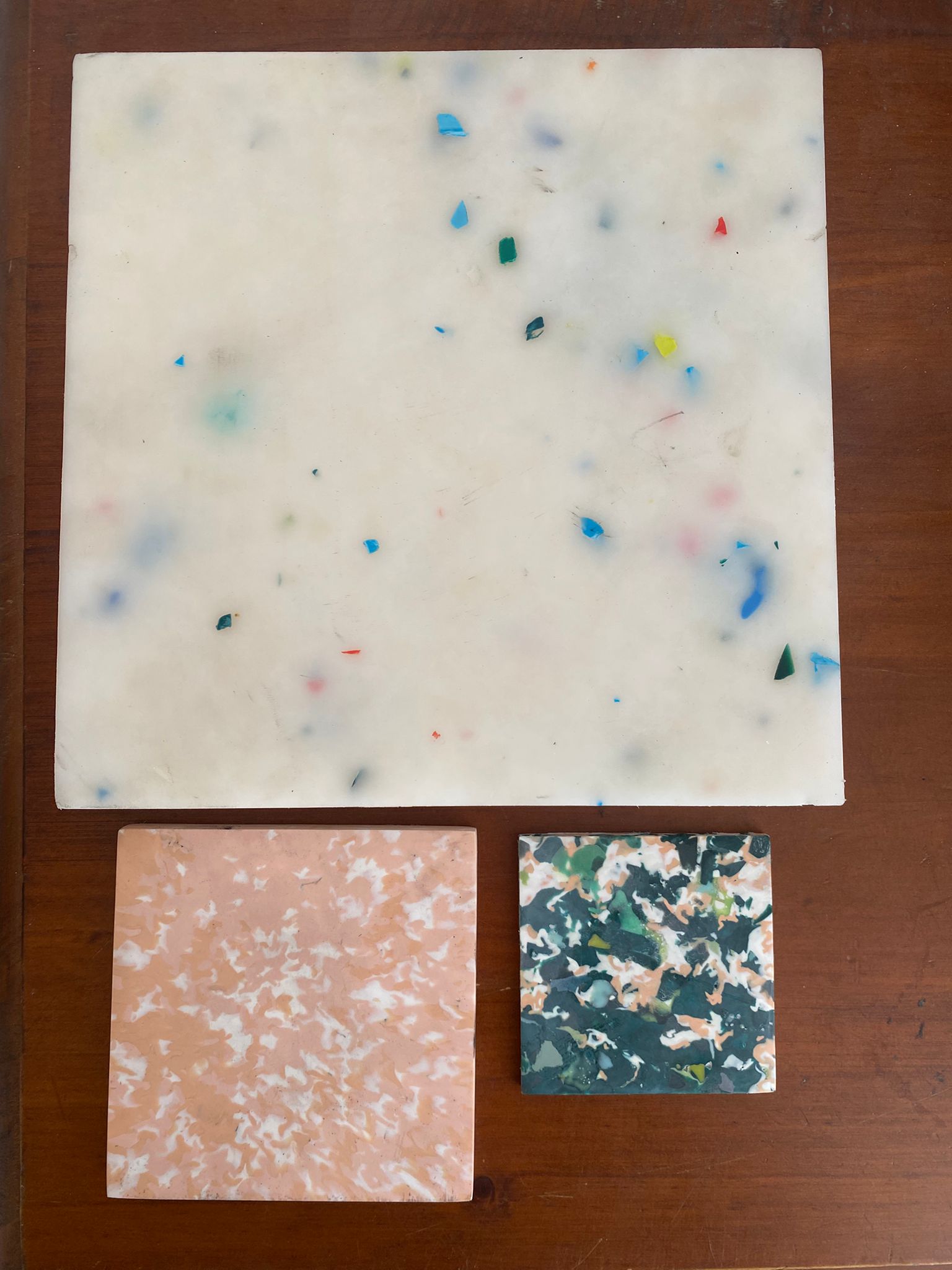
For circular construction, you need to know the "pedigree" of your materials. If you’re using recycled plastic sheets, where did the waste come from? Was it recovered from Australian kerbside bins or was it shipped halfway across the world?
- ✅ Action: Ask for a traceability report. At Resourceful Living, we focus on 100% Australian recycled plastic, meaning the transport emissions are kept to an absolute minimum.
3. Build a Detailed Bill of Quantities (BoQ)
Your BoQ needs to go beyond just "quantity" and "cost." To be tender-ready, it should include:
- Weight of the material (kg/tonnes)
- GWP values (kg CO2-e per unit)
- Transport distance from the factory to the site
The Local Advantage: Why 100% Australian Recycled Plastic Wins
When it comes to embodied carbon reporting in Australia, local manufacturing is a massive "cheat code."
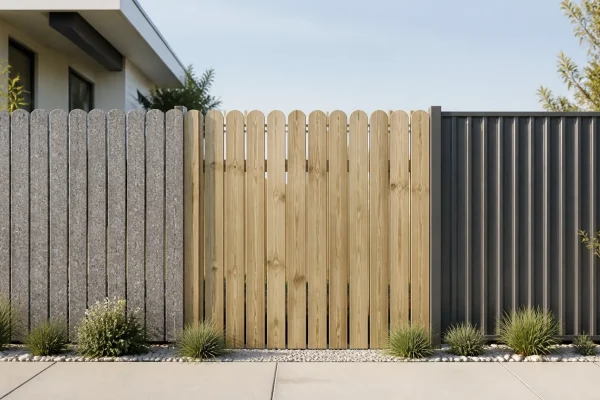
Think about the journey of a standard building material. If it’s manufactured in Europe or Asia, it carries a heavy carbon debt before it even reaches an Australian port. By choosing 100% Australian recycled plastic sheets, you are slashing the "A4" stage of the LCA (transportation to the site).
Circularity is Your ESG Proof
The circular economy isn't just about using recycled stuff; it’s about what happens next. A truly sustainable project has an "end-of-life" plan.
- Does your supplier offer a take-back program?
- Can the material be re-processed into new building panels in 20 years?
Using materials that are fully recyclable at the end of their life helps you hit circular construction targets that are becoming common in modern tenders. You can learn more about how this works in our guide on why circular construction 2026 will change the way you buy materials forever.
Comparing Materials: Recycled Plastic vs. The Old Guard
When you're trying to lower your project's carbon footprint, you have to look at the alternatives. While concrete and steel are the heavy hitters (often accounting for 70% of a building's embodied carbon), the "finishing" materials: joinery, partitioning, and landscaping: add up quickly.
| Material | Carbon Impact (High/Low) | Traceability | Durability in Wet Areas |
|---|---|---|---|
| Virgin Timber | Medium (LCA dependent) | Variable (FSC needed) | Low (Needs treatment) |
| Virgin Plastic (Imported) | High | Low | High |
| Recycled Plastic (Australian) | Low | High | High |
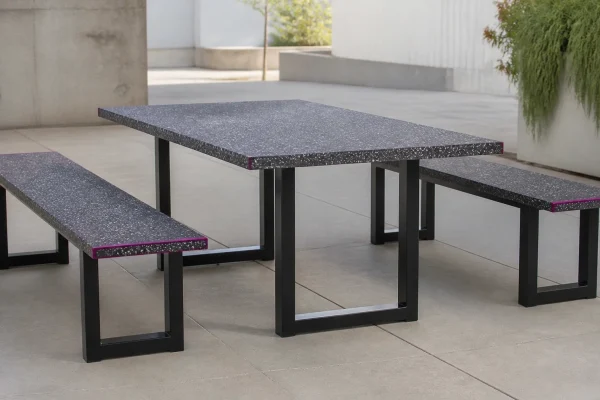
Switching out timber or virgin plastic for Australian recycled panels doesn't just look good on a sustainability report; it provides a maintenance-free solution that won't rot or require painting. For a deeper dive into this comparison, check out recycled plastic vs concrete: which is actually better for structural infrastructure.
The Role of NABERS and the NCC 2028
The Australian Building Codes Board is moving fast. The NABERS framework is currently the gold standard for measuring embodied carbon, and the industry is preparing for these metrics to become mandatory.
By specifying materials with low GWP now, you are future-proofing your business. Builders who can demonstrate a proven track record of reducing embodied carbon will have a significant competitive advantage when the NCC 2028 updates roll out.
"Starting now: even if your data isn't perfect: is better than waiting until it's mandatory. Gaps in data can be filled over time, but supplier relationships take years to build."
5 Steps to Ace Your Next Tender Submission
If you have a tender on your desk right now, follow these steps to ensure your material data is ready:
- Map your supply chain: Identify which materials have the highest volume in your project.
- Audit your suppliers: Ask for their EPDs and their 100% Australian recycled content percentages. If they can’t provide them, consider switching.
- Integrate Carbon into your BoQ: Work with your estimator to include GWP values alongside costs.
- Highlight Circularity: Explicitly mention take-back programs and end-of-life recyclability in your submission. This is a huge win for meeting recycled content targets.
- Focus on Traceability: Use local manufacturers like Resourceful Living to provide "cradle-to-gate" data that is easy for consultants to verify.
Final Thoughts: Data is the New Material
In 2026, we are no longer just selling plastic sheets; we are selling verified environmental data.
As a builder or architect, your job is to curate a library of materials that make your project look good, function perfectly, and: most importantly: meet the strict embodied carbon reporting requirements of a net-zero future.
Whether you are looking for recycled plastic benchtops or structural panels, the key is to choose local, choose traceable, and get your data ready before the tender box closes.
Ready to get your project data-ready? At Resourceful Living, we provide the traceability and GWP data you need to win. Let’s build something that doesn't just last, but actually contributes to Australia’s circular economy.