
If you’ve been tracking the Australian construction landscape lately, you’ll know that the conversation has shifted. We’re no longer just talking about how much energy a building uses once the lights are on (operational carbon). We are now laser-focused on what it took to build the thing in the first place.
In 2026, embodied carbon reporting australia isn't just a "nice-to-have" for a fancy sustainability brochure; it’s a core requirement for winning government tenders and achieving high-tier certifications. With the NCC 2025/2026 updates and the expansion of the NABERS framework, the pressure is on builders and developers to prove exactly where their materials came from and what their carbon footprint looks like.
But here’s the rub: many projects are failing their ratings not because they used "bad" materials, but because they had bad data. If you can’t prove it, the auditor defaults you to the worst-case scenario.
Let’s look at how to get your material data NABERS-ready and why Resourceful Living is the partner you need to navigate this shift.
The New Regulatory Reality: NCC 2025/2026
The National Construction Code (NCC) 2025 (which many states are adopting fully through 2026) has introduced a voluntary pathway for commercial buildings to calculate and report embodied carbon. While "voluntary" might sound optional, in the world of Tier 1 construction, it’s anything but.
Most state-level procurement policies, like the NSW Environmentally Sustainable Procurement Policy, now mandate these "voluntary" pathways to even be considered for a contract. We are seeing a massive move toward Circular Construction 2026, where the ability to report on carbon intensity is the primary differentiator between winning and losing a bid.
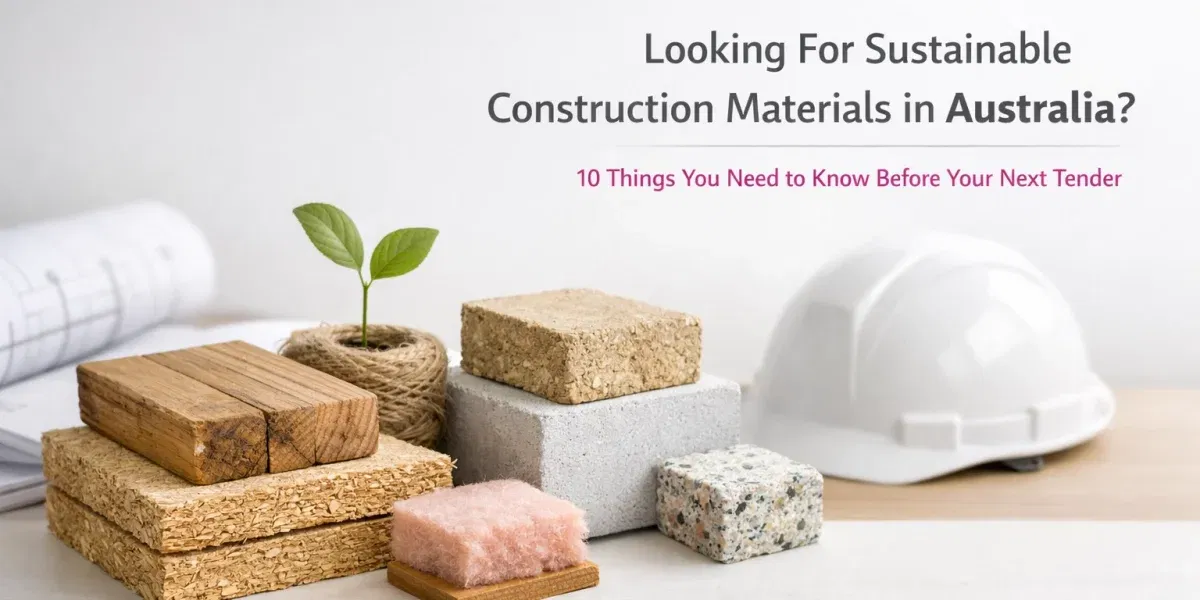
Understanding the NABERS Embodied Carbon Framework
NABERS (National Australian Built Environment Rating System) has long been the gold standard for operational efficiency. Now, their new Embodied Carbon tool is changing how we measure material impact.
The framework focuses on the "Upfront Carbon": the emissions associated with the extraction, transport, and manufacturing of materials (Stages A1-A3).
How NABERS Calculates Your Impact:
- Material Quantities: Taken from your Bill of Quantities (BOQ).
- Emission Factors: This is where the data quality matters. NABERS uses a hierarchy:
- Level 1 (Gold Standard): Product-specific Environmental Product Declarations (EPDs).
- Level 2: Industry-average EPDs or verified carbon footprint data.
- Level 3 (The Penalty): Default national emissions factors.
Expert Insight: "If you use default factors because your supplier doesn't provide data, your reported carbon footprint could be 20-40% higher than it actually is. This can be the difference between a 4-star and a 6-star rating."
Green Star Credits and the Recycled Content Bonus
While NABERS measures the carbon, Green Star (by the GBCA) rewards the strategy. Under the "Responsible Structure" and "Responsible Finishes" credits, using recycled materials is a direct path to points.
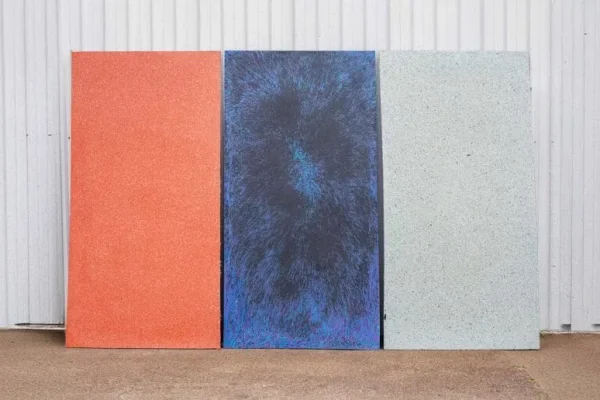
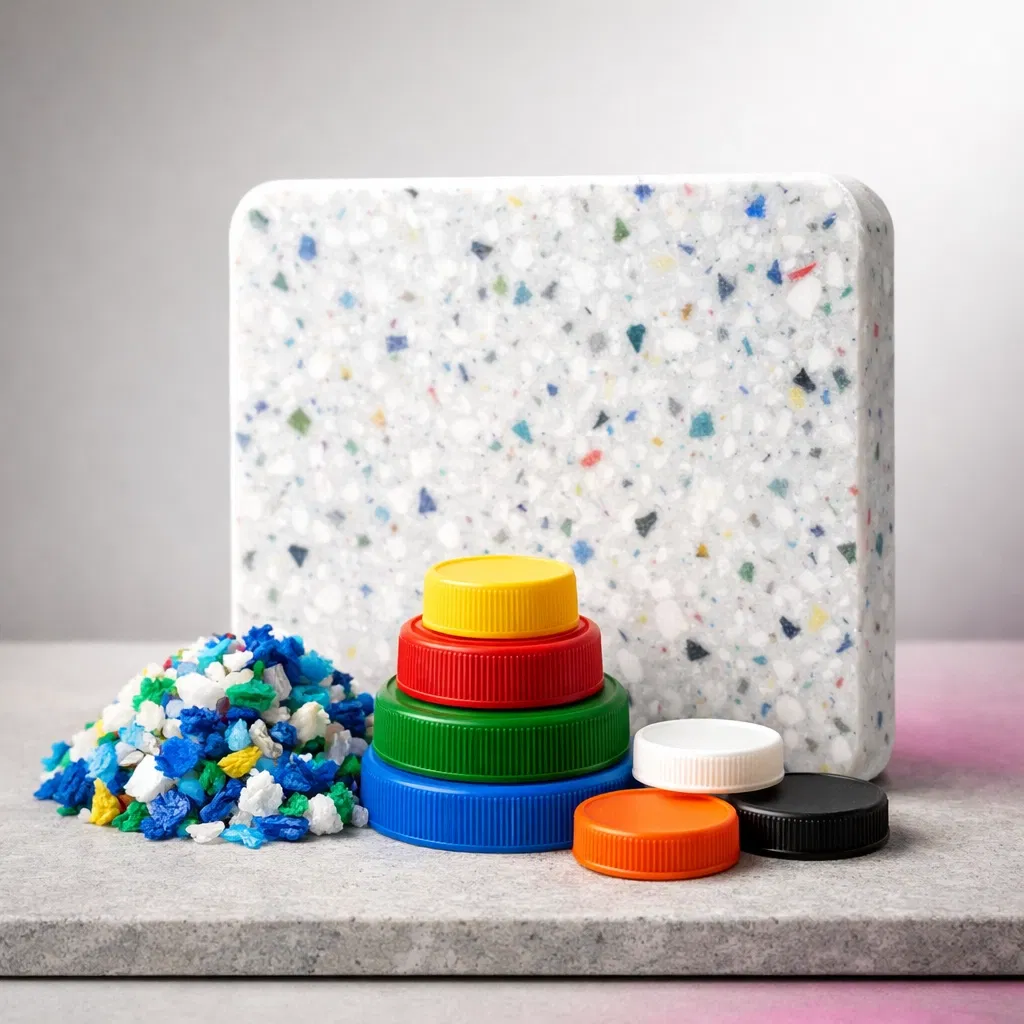
By replacing traditional virgin materials (like plywood or virgin plastics) with 100% recycled rHDPE panels, you hit two birds with one stone:
- You lower the embodied carbon reporting australia metrics for NABERS.
- You gain Green Star credits for circularity and waste reduction.
Sustainable building materials in Australia are no longer a niche choice; they are a strategic financial decision.
The Data Hierarchy: What You Need from Your Suppliers
To get "NABERS-ready," you need to treat material data like financial data. You wouldn't accept an invoice without a total amount; don't accept a material without a carbon profile.
Here is the checklist of what you should be asking your manufacturers:
- ✅ EPD availability: Do they have a third-party verified Environmental Product Declaration?
- ✅ Traceability: Can they prove the waste was sourced in Australia?
- ✅ Recycled Content %: Is it "contains recycled content" (often only 5-10%) or is it 100% recycled?
- ✅ Take-back schemes: What happens at the end of life? (This affects the "Whole of Life" carbon score).
Why Resourceful Living is the "Easy Button" for Embodied Carbon
At Resourceful Living, we don't just "make stuff out of plastic." We are a Recycled Material Manufacturer that understands the compliance hurdles you face. We’ve designed our process to satisfy the strict requirements of winning government tenders.
1. 100% Australian Sourced and Made
Transport is a massive chunk of embodied carbon. If you’re importing "recycled" panels from overseas, the shipping emissions often negate the environmental benefit. Our materials are sourced and manufactured right here in Australia, drastically lowering the A2 (Transport) emissions in your NABERS report.
2. Radical Traceability
We provide the data you need for your auditor. Whether it's post-industrial waste or post-consumer, we can tell you where it came from. This level of detail is exactly what is required for recycled plastic sheets in construction tenders.
3. The Concrete and Timber Killer
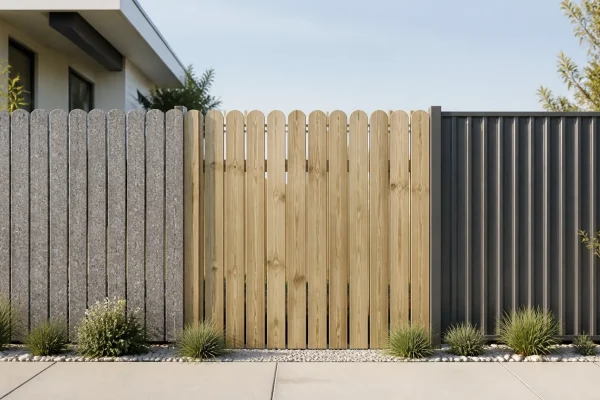
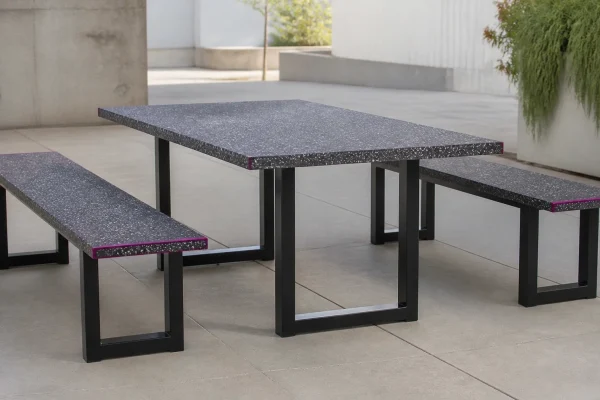
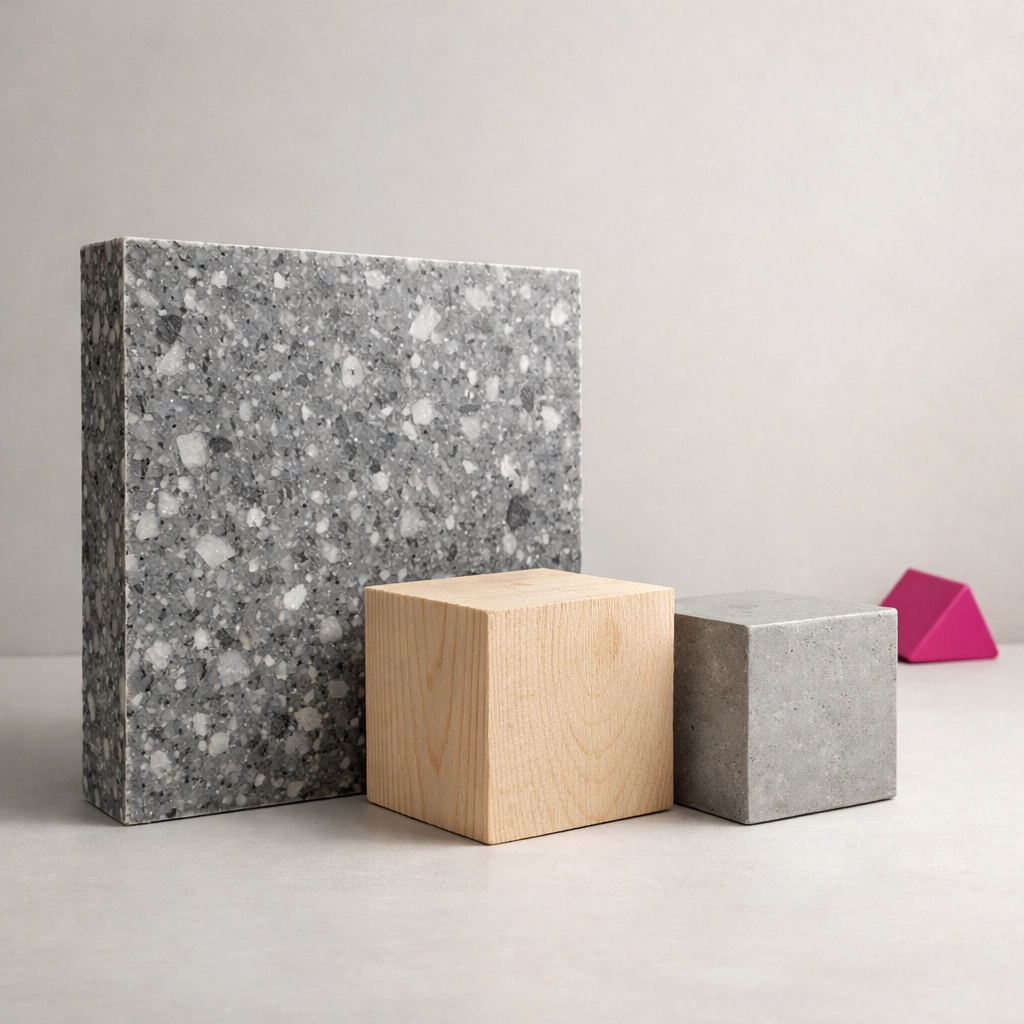
When you compare rHDPE panels to traditional materials, the embodied carbon story is incredible.
- Vs Concrete: Our panels are lightweight, reducing transport emissions and site energy usage.
- Vs Timber: Our panels don't rot, meaning they don't need to be replaced every 5-10 years. In a "Whole of Life" carbon assessment, durability is a superpower. You can see a deep dive on Recycled Plastic vs Timber here.
Action Plan: 5 Steps to Get Your Project NABERS-Ready
If you’re managing a site or procurement for a 2026 build, follow this roadmap to ensure you aren't caught out by the auditor.
Step 1: Audit Your BOQ Early
Identify the high-impact areas. Structure is obvious (concrete/steel), but "Finishes and Fit-out" are where easy wins are found. Replacing internal hoarding, wet-area cabinetry, or site signage with rHDPE can move the needle significantly.
Step 2: Set "Carbon Specs" for Suppliers
Don't just ask for a quote. Ask for the carbon data. Make it a mandatory field in your procurement software. If a supplier can't provide it, they aren't ready for the 2026 market.
Step 3: Collect "As-Built" Evidence
NABERS requires more than just a quote. You need delivery dockets and purchase orders. We’ve seen projects lose ratings because the site manager threw away the dockets. Create a digital folder for every "green" material delivered to site.
Step 4: Leverage Take-Back Programs
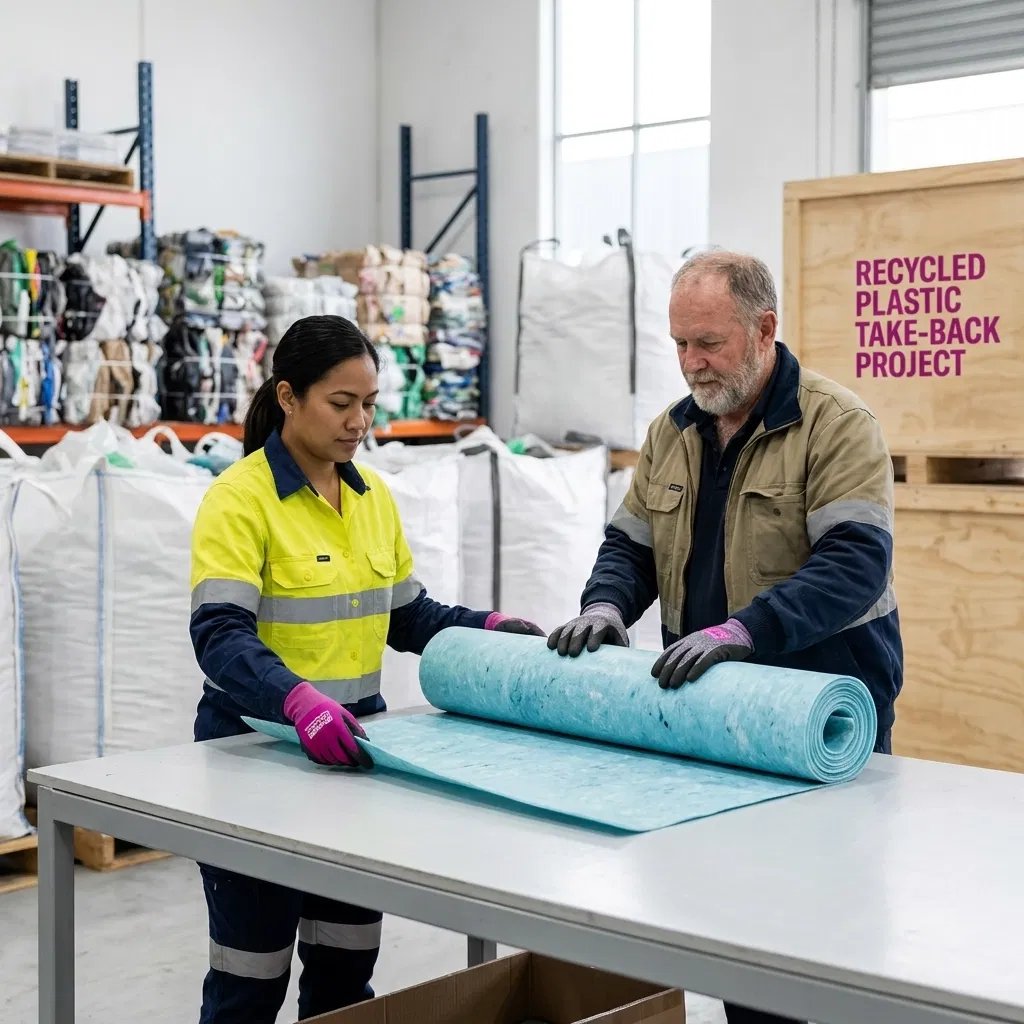
The circular economy is about keeping materials out of the landfill. Resourceful Living offers a take-back program for our panels. This allows you to claim "End of Life" credits in your reporting, as the material is guaranteed to be recycled back into our factory.
Step 5: Partner with Specialists
Don't try to calculate this alone. Partner with manufacturers who speak the language of sustainable construction solutions. We can help you provide the exact documentation your sustainability consultant is screaming for.
The Cost of Inaction
Wait-and-see is no longer a viable strategy. As the NCC 2025/2026 updates roll out across Australia, the gap between "green-washed" projects and "data-backed" projects will widen.
Builders who embrace embodied carbon reporting australia now will be the ones winning the lucrative government and infrastructure contracts of the next decade. Those who don't will be stuck paying "carbon penalties" or, worse, being disqualified from tenders entirely.
Resourceful Living is here to help you bridge that gap. Our 100% recycled plastic panels are more than just a durable building material: they are a data-rich solution for a carbon-conscious industry.
Ready to lower your project's embodied carbon?
If you're looking for recycled plastic manufacturers in Australia, we’re ready to help.
Get in touch with the Resourceful Living team today to request a sample pack or data sheet for your next NABERS-rated project.