For decades, the Australian infrastructure sector has relied on two heavyweights: timber and steel. While they’ve served us well, the limitations are becoming harder to ignore. Timber rots, splinters, and requires constant chemical treatments. Steel corrodes, requires heavy machinery for installation, and carries a massive carbon footprint.
As Australia shifts toward a circular economy, the demand for smarter, more durable alternatives is skyrocketing. We’re seeing a massive transition toward recycled plastic building materials. But we aren't talking about "plastic-wood" composites or flimsy recycled park benches.
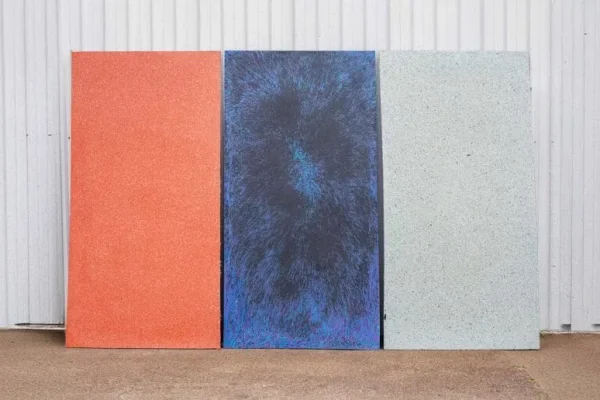
We are talking about industrial-grade, 100% recycled plastic sheets and recycled plastic boards designed to replace wood and steel in high-stress infrastructure environments. At Resourceful Living, we manufacture these right here in the Hunter Valley, turning local waste into high-performance assets.
The "No Additive" Difference
Before we dive into the applications, it’s important to clarify what makes our material different. Most "recycled" products on the market are actually composites, plastic mixed with sawdust, glues, or stabilizers. These can be difficult to recycle again at the end of their life.
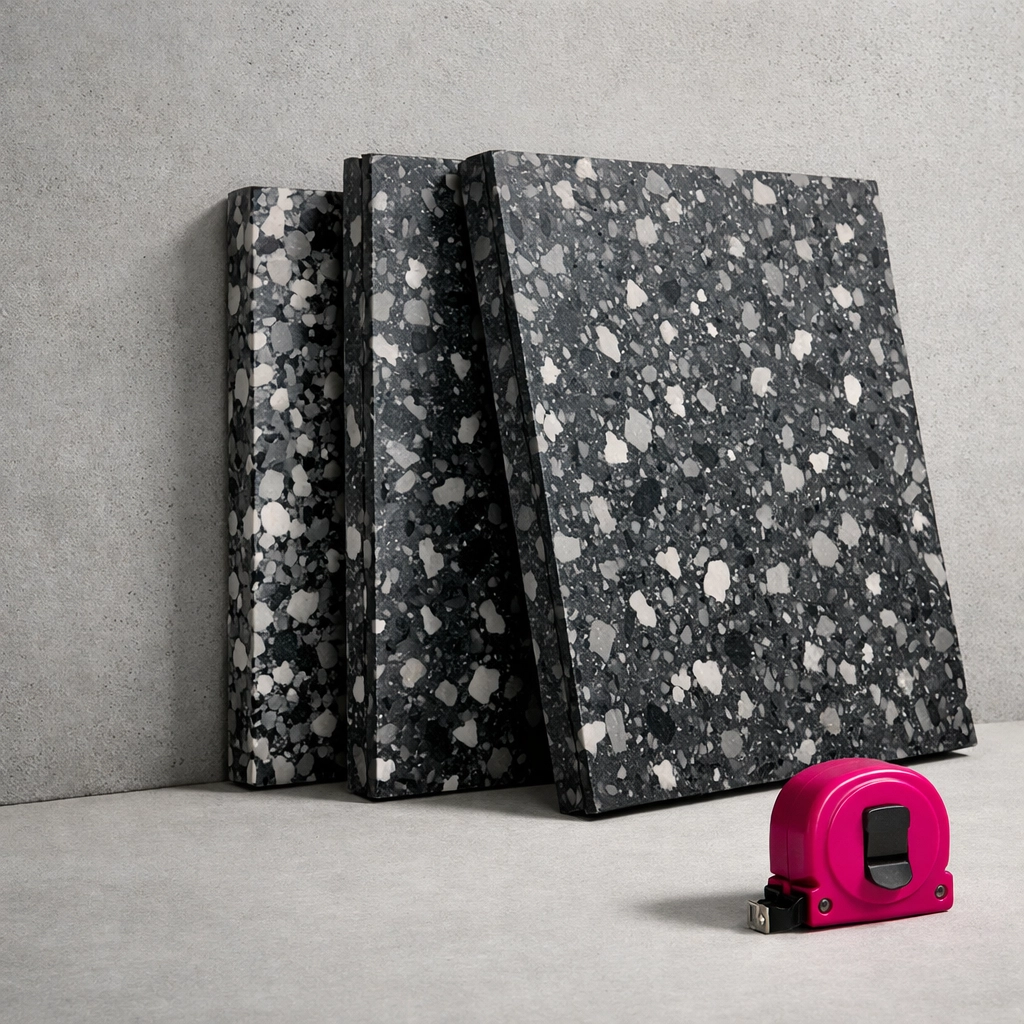
Our recycled plastic sheets are 100% solid recycled plastic. No additives. No fillers. Just pure, repurposed material that is:
- ✅ Waterproof: It will never rot, even when submerged.
- ✅ Chemical Resistant: Ideal for industrial and mining environments.
- ✅ UV Stabilized: Built to withstand the harsh Australian sun.
- ✅ 100% Recyclable: When the asset reaches its end of life, it comes back to us to be remade.
1. Revolutionising Noise Barriers
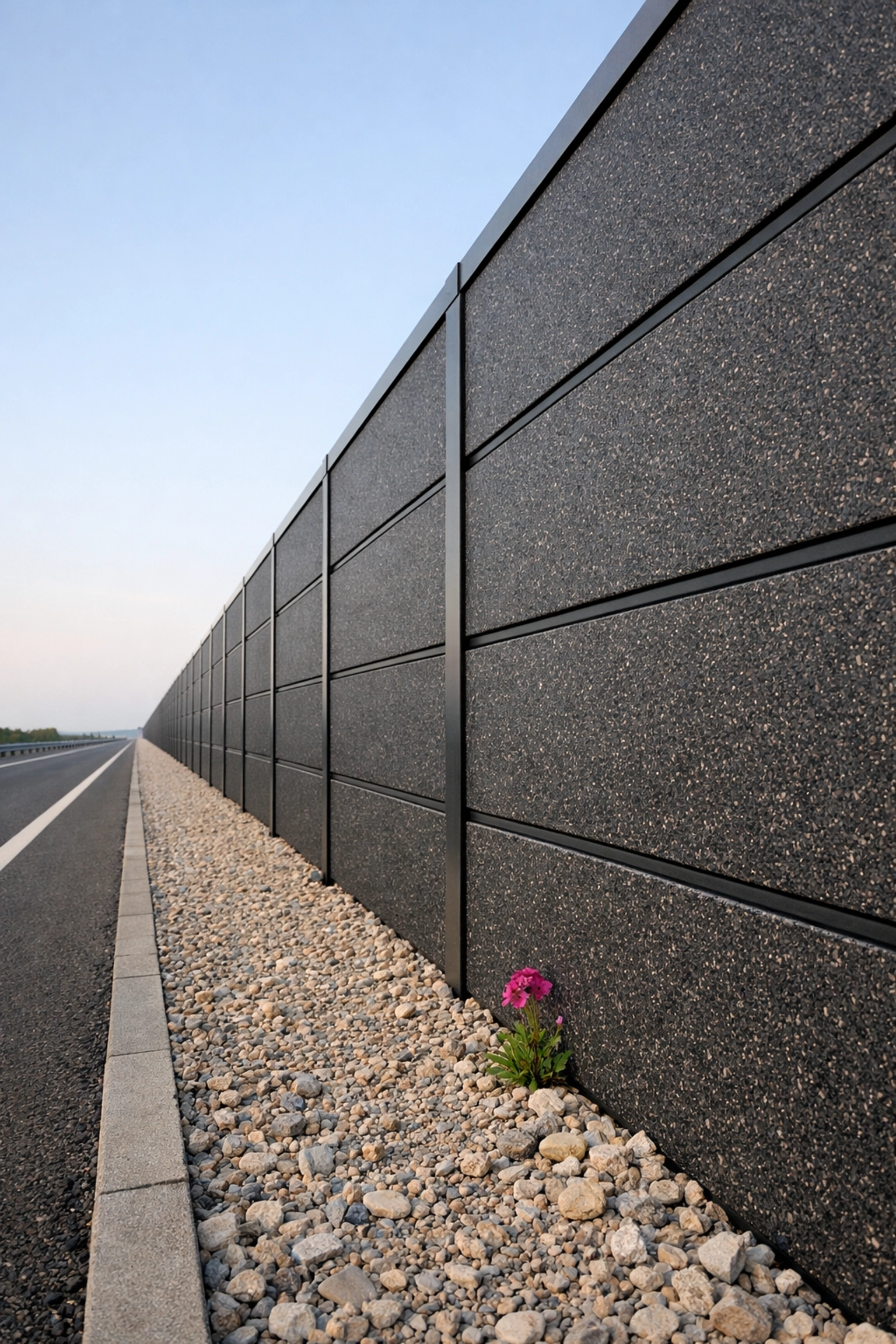
Urban sprawl and increasing traffic density mean that noise mitigation is a top priority for civil infrastructure. Traditionally, noise walls are made from concrete or treated timber. Concrete is expensive and carbon-intensive; timber eventually degrades and loses its acoustic integrity.
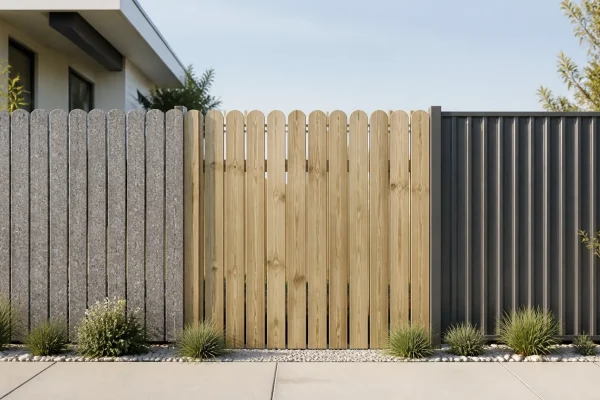
Recycled plastic boards are emerging as the superior choice for acoustic fencing and highway noise barriers.
Why it works:
- Density: The high density of our recycled plastic building materials provides excellent sound attenuation, reflecting and absorbing road noise effectively.
- Zero Maintenance: Unlike timber, which needs staining or replacing every 10 years, recycled plastic remains structurally sound for 50+ years.
- Graffiti Resistance: The non-porous surface of our panels makes it much easier to remove graffiti compared to porous concrete or wood.
2. Erosion Control and Retaining Structures
Australia’s coastline and regional waterways are under constant pressure from erosion. Civil engineers are increasingly looking for materials that can survive "ground contact" and "wet feet" indefinitely.
When you use timber for retaining walls or erosion barriers, you are fighting a losing battle against moisture and termites. Steel, even when galvanised, will eventually succumb to rust in saline environments.
Our recycled plastic sheets are the ultimate solution for:
- Retaining Walls: Solid boards that won't warp or bow under soil pressure.
- Culvert Liners: Protecting water transit systems from degradation.
- Marine Fendering: Providing a durable buffer that doesn't leach chemicals into the water.
Because our material is Australian made and 100% recycled, using it for erosion control actually helps protect the very environment you are trying to stabilize. You can see more about the life cycle environmental impact here.
3. Heavy-Duty Industrial Storage Solutions
In the B2B and industrial sectors, storage needs to be "bulletproof." Whether it’s bin liners for hazardous waste, dividers for heavy machinery parts, or custom storage bunkers, the material needs to handle significant impact.
Traditional plywood or thin metal sheeting often fails under the rigors of a warehouse or mining site. By switching to recycled plastic boards, companies are seeing a massive reduction in replacement costs.
Key Industrial Applications:
- Chemical Storage Bunkers: Our plastic is inert, meaning it won't react with most industrial chemicals.
- Pallet and Rack Liners: Providing a smooth, impact-resistant surface for heavy loads.
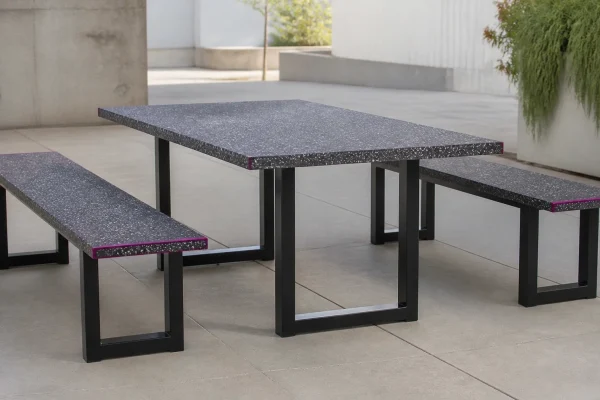
- Custom Workshop Fit-outs: Creating workbenches and tool shadows that can be hosed down and never rust.
For those in the mining sector, we’ve developed specialized products that handle the toughest conditions on earth. Check out our recycled plastic products for mining sites to see how these materials perform in the field.
Recycled Plastic vs. Timber vs. Steel: The Comparison
If you're making a procurement decision, the "upfront cost" is only half the story. You have to look at the Total Cost of Ownership (TCO).
| Feature | Timber | Steel | 100% Recycled Plastic |
|---|---|---|---|
| Lifespan | 10–15 Years | 20–25 Years (if coated) | 50+ Years |
| Maintenance | High (Oiling, Staining) | Medium (Painting, Rust prevention) | Zero |
| Moisture Resistance | Poor (Rots) | Poor (Rusts) | Excellent (Waterproof) |
| Environmental Impact | High (Deforestation/Chemicals) | High (Mining/Smelting) | Positive (Waste Diversion) |
| Termite Proof | No | Yes | Yes |
For a deeper dive into these metrics, read our full breakdown on recycled plastic vs timber vs steel cost and lifespan.
The Australian Advantage: Why Local Manufacturing Matters
With the Australian Government's Recycling Modernisation Fund (RMF) investing over $200 million into local facilities, there has never been a better time to source Australian-made materials.
When you choose recycled plastic building materials from Resourceful Living, you aren't just getting a product; you’re supporting a domestic supply chain.
- No Supply Chain Lags: We manufacture in the Hunter Valley. No waiting for shipping containers from overseas.
- Quality Control: We know exactly what goes into our sheets because we process the waste ourselves.
- Circular Procurement: By buying back the plastic Australia consumes, you help the country meet its circular economy goals.
"The shift toward recycled infrastructure isn't just about 'being green.' It's about building assets that last longer and cost less to maintain over their lifetime. It’s a purely economic decision that happens to be great for the planet." : Jess Hodge, CEO of Resourceful Living.
How to Implement Recycled Plastic in Your Next Project
Ready to move beyond wood and steel? Here is how to get started:
- Conduct a Waste Audit: See what materials you are currently disposing of and what you are buying. You might be able to create a closed-loop ESG partner program with us.
- Identify High-Maintenance Areas: Look for where timber is rotting or steel is rusting. These are your "low-hanging fruit" for replacement.
- Specify 100% Recycled: Ensure your tenders specifically ask for 100% recycled plastic with no additives to ensure long-term durability and future recyclability.
- Partner with a Local Manufacturer: Work with us to customize recycled plastic sheets to your specific dimensions and thickness requirements.
Building the Future, One Board at a Time
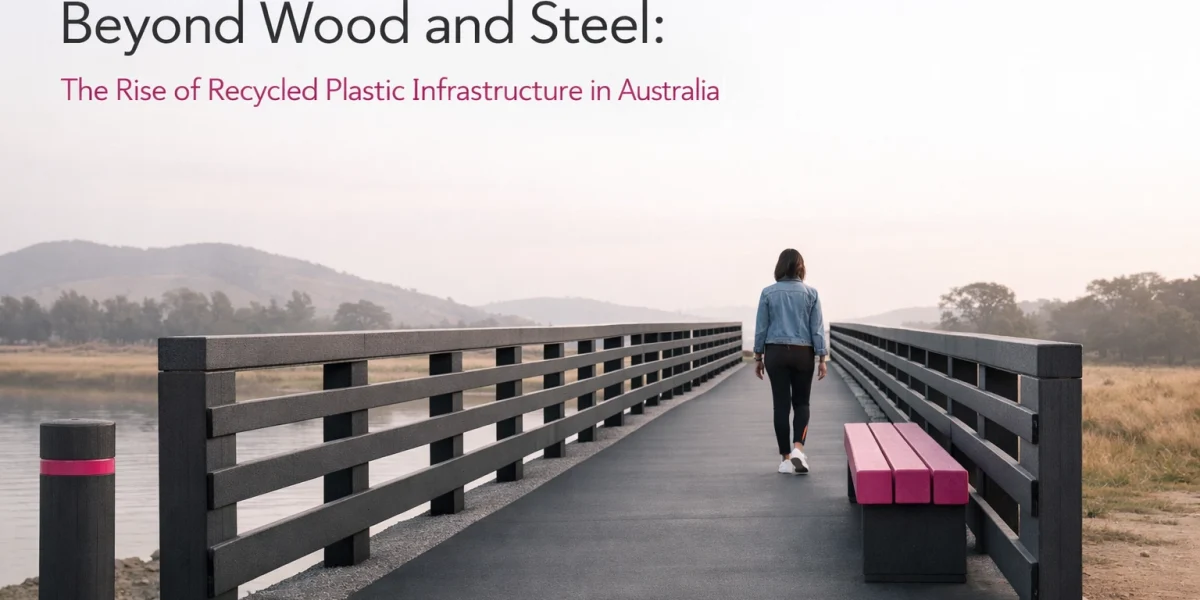
The transition to recycled plastic infrastructure is no longer a "future" concept: it’s happening right now across Australia. From noise barriers on our highways to erosion control in our regional parks, recycled plastic boards are proving that they can outperform traditional materials in every category that matters.
By choosing recycled plastic building materials, you are choosing durability, efficiency, and a commitment to an Australia that doesn't just consume: it recovers.
Ready to see the material for yourself? Contact Resourceful Living today to request a sample pack or discuss your upcoming infrastructure project. Let’s build something that lasts.