The landscape of the Australian construction industry has shifted. By 2026, "sustainability" is no longer a buzzword or a "nice-to-have" addition to a tender; it’s a non-negotiable requirement. Whether you’re working on a government infrastructure project or a commercial fit-out, the pressure to use sustainable building materials in Australia is at an all-time high.
However, as many project managers and builders are finding out, simply swapping traditional materials for "green" alternatives isn't enough. Many teams are falling into expensive traps that lead to project delays, failed audits, and "greenwashing" accusations.
At Resourceful Living, we see these mistakes every day. Here are the seven most common errors being made right now and: more importantly: how you can fix them to ensure your next build is truly circular.
1. Prioritising Upfront Cost Over Lifecycle Value
This is the number one mistake in the industry. It’s easy to look at the price tag of a standard sheet of marine plywood or a concrete bollard and compare it directly to a 100% recycled plastic alternative. On paper, the traditional material might look cheaper.
The Fix: You need to calculate the Total Cost of Ownership (TCO). Sustainable materials, particularly those made from high-grade recycled HDPE, are often significantly more durable. They don't rot, they don't require painting or chemical treatments, and they are impervious to termites and moisture.
If you are replacing timber panels every three years due to weathering, but a recycled plastic panel lasts twenty, the "expensive" sustainable choice is actually the more profitable one. Stop looking at the invoice and start looking at the maintenance schedule.
2. Ignoring the "End-of-Life" Strategy
A product isn't truly sustainable if it ends up in a landfill at the end of its life. Many builders source materials that are "made from recycled content" but are bonded with resins or glues that make them impossible to recycle again. This is a linear solution to a circular problem.
The Fix: Ask your suppliers for a Take-Back Scheme. At Resourceful Living, we don't just sell you a panel; we offer a closed-loop system. When our materials reach the end of their functional life: whether that’s in 10 years or 50: we take them back, shred them, and turn them into new products.
"Circular construction isn't just about what a building is made of today; it’s about where those materials go when the building is eventually decommissioned."
3. Falling for Vague Traceability (The Greenwashing Trap)
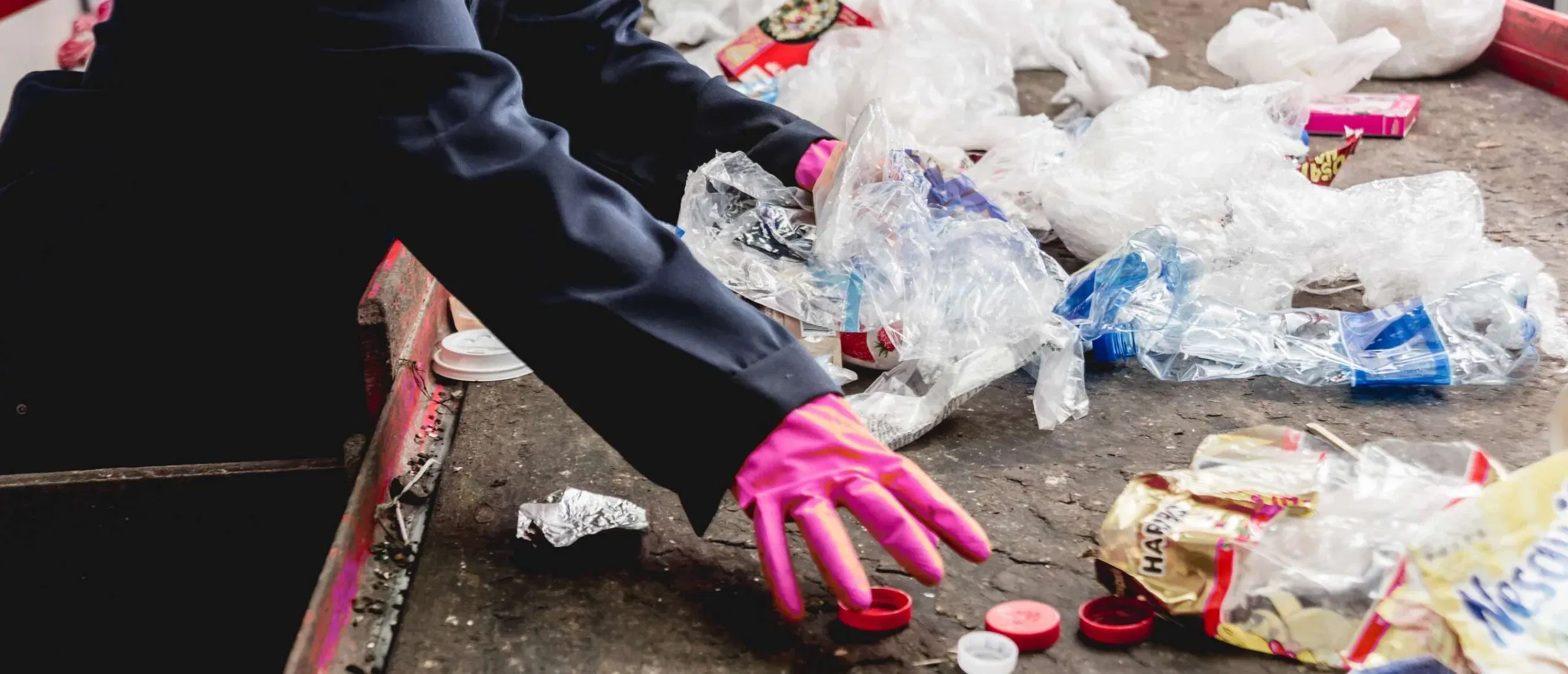
Not all "recycled" materials are created equal. We see a lot of products entering the Australian market labeled as "recycled," but when you dig deeper, the supplier can’t tell you where the waste came from or how it was processed. If your material is shipped from overseas, the carbon footprint of the transport often outweighs the benefit of the recycled content.
The Fix: Demand traceability. You should know exactly where your materials originate. We take pride in using 100% Australian recycled content. By sourcing local waste and manufacturing locally, we provide a transparent chain of custody that simplifies your ESG reporting.
4. Overlooking Embodied Carbon Data
With the introduction of stricter embodied carbon reporting in 2026, "guessing" your environmental impact won't cut it anymore. Many project managers make the mistake of focusing only on operational energy (like solar panels and LED lighting) while ignoring the massive carbon hit taken during the material procurement phase.
The Fix: Start requesting Environmental Product Declarations (EPDs) or detailed carbon data from your manufacturers. Choosing sustainable building materials in Australia that have been manufactured using low-energy processes (like our heat-and-press method) can dramatically lower your project's overall carbon rating. This is essential for meeting NABERS or Green Star requirements.
5. Misunderstanding Material Performance Limits
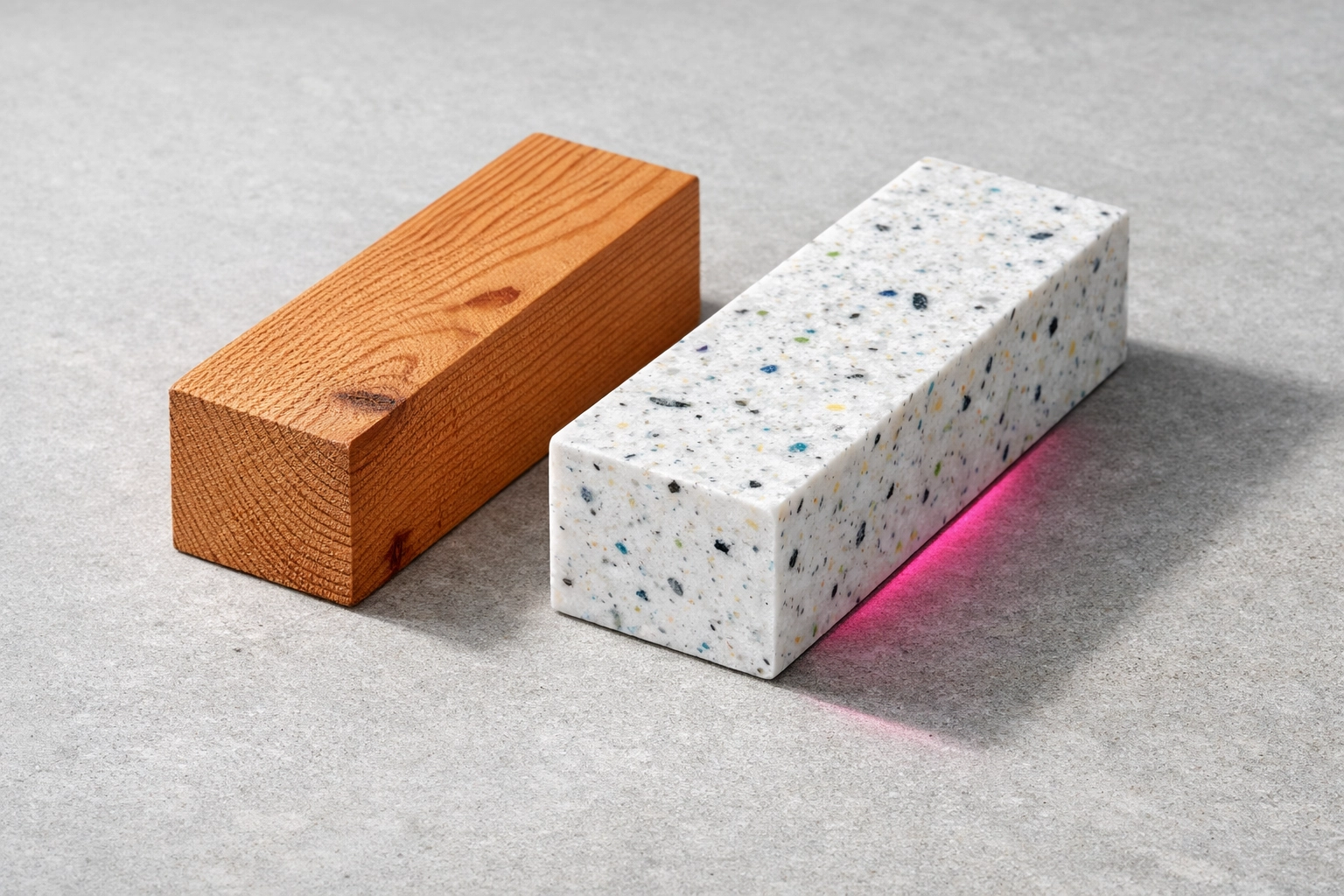
A common mistake is treating sustainable materials exactly like their traditional counterparts. For example, recycled plastic has different thermal expansion properties than timber. If you install it using the same tolerances as plywood, you might see warping or buckling in the harsh Australian sun.
The Fix: Work with manufacturers who provide technical specifications and installation guides specific to recycled materials. Sustainable doesn't mean "weak": in many cases, it's tougher: but it does mean "different." Before you specify a material, ensure you’ve read the Recycled Plastic vs Timber comparison to understand how it behaves in high-moisture or high-UV environments.
6. Ignoring the "Social" in ESG Procurement
Sustainability isn't just about the environment; it’s about the community. Many large-scale projects miss the opportunity to meet social procurement targets by buying from massive, faceless international corporations.
The Fix: Look for local, Australian-owned manufacturers. By sourcing your materials from a local facility, you are supporting Australian jobs and contributing to the local economy. It’s a powerful story to tell in your project wrap-up: "These site hoarding panels were made from the very milk bottles collected in this local council area."
7. Waiting Until the Last Minute to Source
Because the demand for high-quality sustainable building materials in Australia is skyrocketing, many builders are finding that "green" supply chains are more constrained than traditional ones. Waiting until the procurement phase of a project to look for sustainable alternatives often leads to compromises on quality or a return to carbon-heavy traditional materials due to lead times.
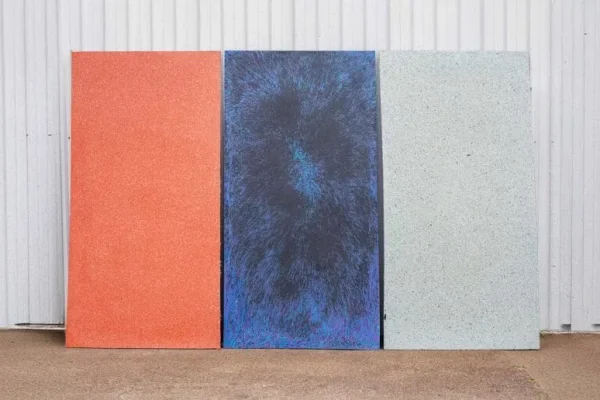
The Fix: Engage with your sustainable material partners during the design and planning phase. When we work with architects and developers early on, we can custom-manufacture panels to specific sizes, colours, and densities, reducing on-site waste and ensuring the material is ready exactly when the site needs it. Check out our guide on 10 things you need to ask before you buy.
Quick Comparison: Traditional vs. Circular Materials
| Feature | Traditional (Timber/Ply) | Sustainable (Recycled HDPE) |
|---|---|---|
| Moisture Resistance | Poor (Requires sealing) | 100% Waterproof |
| Maintenance | High (Sanding/Painting) | Zero Maintenance |
| Traceability | Often Vague | Fully Traceable (Australian) |
| End of Life | Landfill / Incineration | 100% Recyclable |
| Embodied Carbon | Moderate | Very Low |
How to Get Started the Right Way
Fixing these mistakes starts with a shift in mindset. Instead of seeing sustainable materials as a "hurdle" to overcome, see them as a way to future-proof your business.
If you're ready to move away from "fast construction" and toward a circular model, here is your action plan:
- Audit your current waste: Are you throwing away materials that could be replaced by a circular alternative?
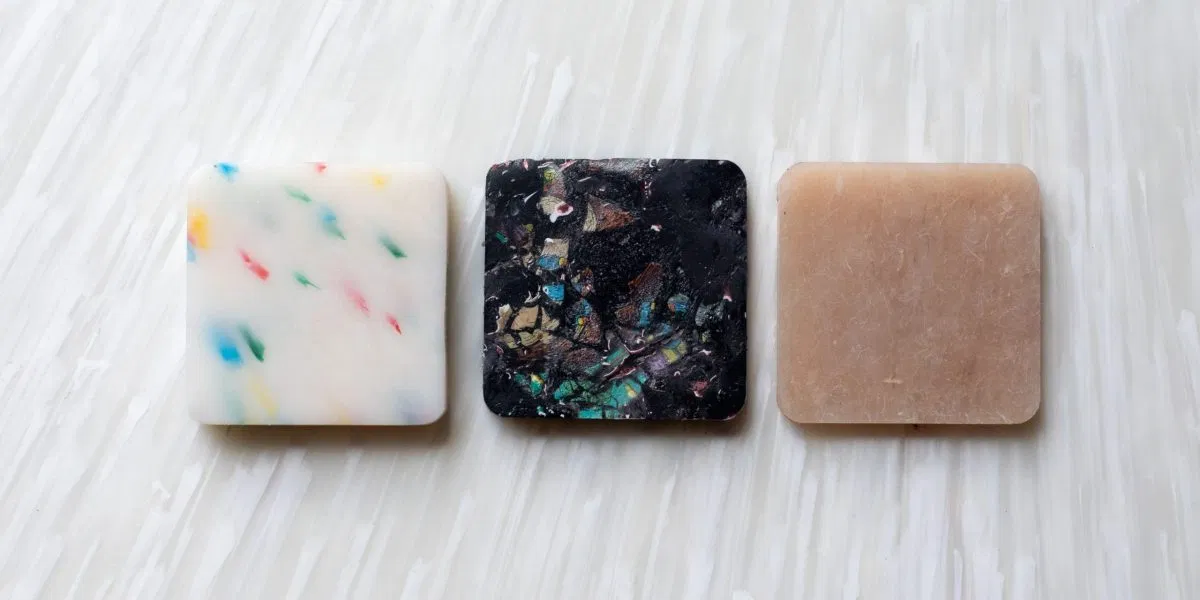
- Request a sample pack: See the durability and finish of 100% recycled Australian plastic for yourself.
- Book a Lunch and Learn: We offer online recycling lunch and learn sessions for teams who want to get ahead of the 2026 regulations.
Sustainable construction in Australia is moving fast. By avoiding these seven mistakes, you’ll not only save money and reduce your environmental impact: you’ll also position your firm as a leader in the most important industrial shift of our generation.
Are you working on a project that needs a sustainable edge? Let’s chat about how we can turn your project’s plastic waste into your project’s building materials. Contact the Resourceful Living team today.