
As we move through 2026, the Australian construction landscape has shifted from "sustainability as a choice" to sustainability as a mandate. With the National Construction Code (NCC) 2025 voluntary provisions now being treated as standard practice by Tier 1 builders and government procurement, and the latest 2026 NABERS v2.1 reporting standards raising expectations around data quality, scope, and end-of-life disclosure, the pressure to deliver accurate embodied carbon reports is higher than ever.
However, many developers, architects, contractors, and fit-out teams are still falling into the same traps. Whether it’s relying on outdated data or ignoring the circularity of materials, these errors don't just hurt your reporting: they risk your NABERS Embodied Carbon Rating, weaken your ESG narrative, and make it harder to satisfy project deadlines before 1 July.
If you're a project manager under pressure to lock in compliant specifications before the new reporting window bites, this is a must-read.
Here are the seven most common mistakes currently plaguing embodied carbon reporting in Australia and the practical steps you can take to fix them.
1. Relying on "Ghost Data" (Generic Averages)
One of the most frequent errors in 2026 is the use of generic international database averages instead of product-specific evidence. While generic data was acceptable five years ago, today’s reporting frameworks: like the NABERS Embodied Carbon Rating: demand verified product claims.
- The Problem: Generic data often inflates your carbon footprint by applying "worst-case scenario" multipliers. It lacks the precision needed to showcase the actual savings of high-performance materials.
- The Fix: Always demand Environmental Product Declarations (EPDs) from your suppliers. If a supplier can't provide a verified EPD or specific Life Cycle Assessment (LCA) data for their Australian-made products, they are a liability to your project’s rating.
2. Ignoring the "Fit-out" Blind Spot
Most carbon reports focus heavily on the "big two": concrete and steel. While these are critical for the structure, many teams completely omit internal fit-outs, including joinery, wall linings, and retail displays.
- The Problem: Under the latest 2026 NABERS v2.1 reporting standards, fit-out selections are getting more scrutiny because they materially affect whole-of-life outcomes. Internal fit-outs are often replaced every 5 to 10 years over a 50-year building lifespan, and current industry estimates suggest fit-outs can account for about 32% of a building’s lifecycle carbon.
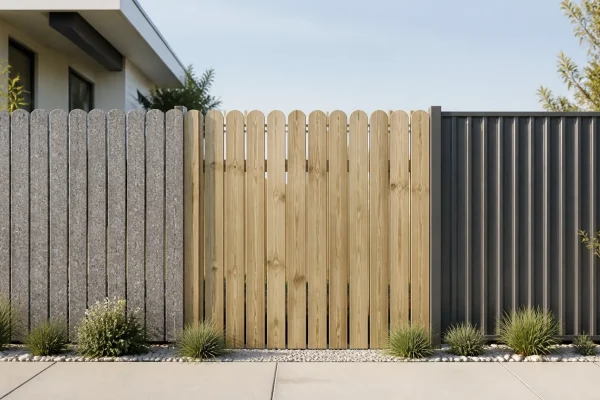
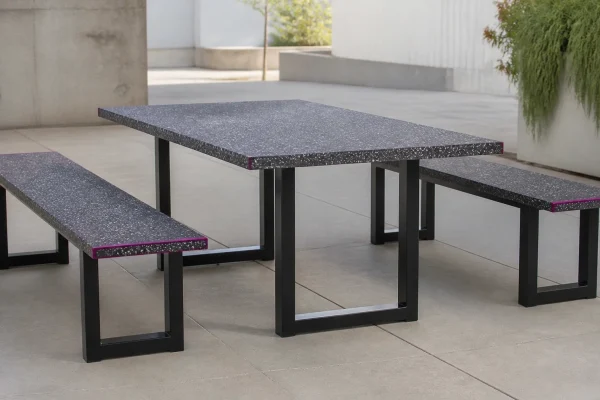
- The Fix: Include non-structural elements in your Scope A1–A3 reporting from day one, and don’t leave them for a late-stage consultant clean-up. Utilizing 100% recycled plastic panels for retail fit-outs or bathroom renovations gives you a low-carbon, durable alternative that helps reduce recurring replacement impacts while strengthening your ESG reporting before 1 July.

3. The Shipping Emission Trap (Overseas vs. Local)
In the rush to source "eco-friendly" materials, many Australian projects are specifying products imported from Europe or Asia. While the material itself might have a low manufacturing footprint, the A4 transport emissions are often underestimated or ignored.
- The Problem: Bringing a "green" product halfway across the globe can negate its environmental benefits. Reporting that fails to account for the real-world shipping distances of imported materials is fundamentally flawed.
- The Fix: Prioritize Australian-made sourcing. At Resourceful Living, we manufacture 1 tonne of plastic per day right here in Australia. By using 100% Australian plastic waste, we dramatically reduce the transport emissions associated with your project's supply chain.
"True sustainability isn't just about what a product is made of; it's about where it comes from and how far it had to travel to get to your site." : Industry Expert Insight
4. Confusing "Recyclable" with "Recycled"
This is the "Greenwashing Risk" of 2026. Many reports credit materials for being "100% recyclable" without investigating if they contain any actual recycled content.
- The Problem: A product that can be recycled but is made from 100% virgin material still carries a massive upfront carbon load. Furthermore, if there is no established pathway to recycle it in Australia, that "recyclable" claim is functionally meaningless.
- The Fix: Look for the recycled content percentage. Our sheets are 100% recycled and 100% recyclable. There are no additives, no veneers, and no virgin plastic filler. This distinction is critical for meeting the Green Star v1.1 material traceability requirements.
5. Failing to Account for End-of-Life (The Take-Back Gap)
Most Australian carbon reports stop at "Module A" (Production and Construction). In 2026, sophisticated clients and government bodies are now requiring data on Modules C1–C4 (End-of-Life), and the latest NABERS v2.1 expectations are making unsupported "recyclable" claims far harder to defend.
- The Problem: If you cannot prove what happens to a material when it's ripped out in ten years, you cannot accurately claim a circular economy credit. Most plastic and timber ends up in landfill, which carries a heavy carbon penalty in a full Life Cycle Assessment and creates a weak spot in your end-of-life circularity reporting.
- The Fix: Spec products with a guaranteed Take-Back Program. Resourceful Living offers a free collection service for our products at their end of life. We take them back and remanufacture them into new panels, giving you a practical, auditable solution for end-of-life circularity reporting and helping support a near-zero carbon impact for the disposal phase of your project.
6. Lack of Supply Chain Traceability
With the introduction of stricter disclosure rules, "trust us, it's green" is no longer a valid data point.
- The Problem: Without traceability, you cannot verify the source of the waste. This makes your report vulnerable to audit failures and reputational damage.
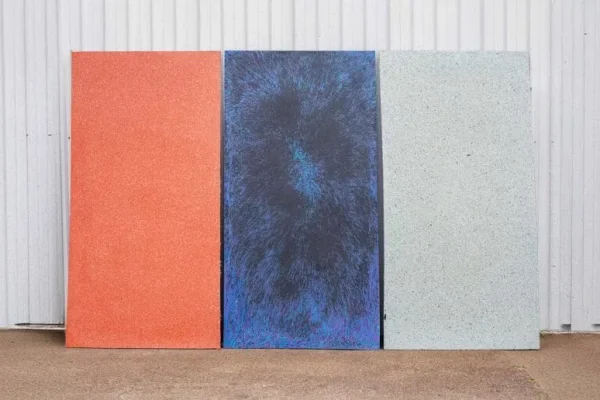
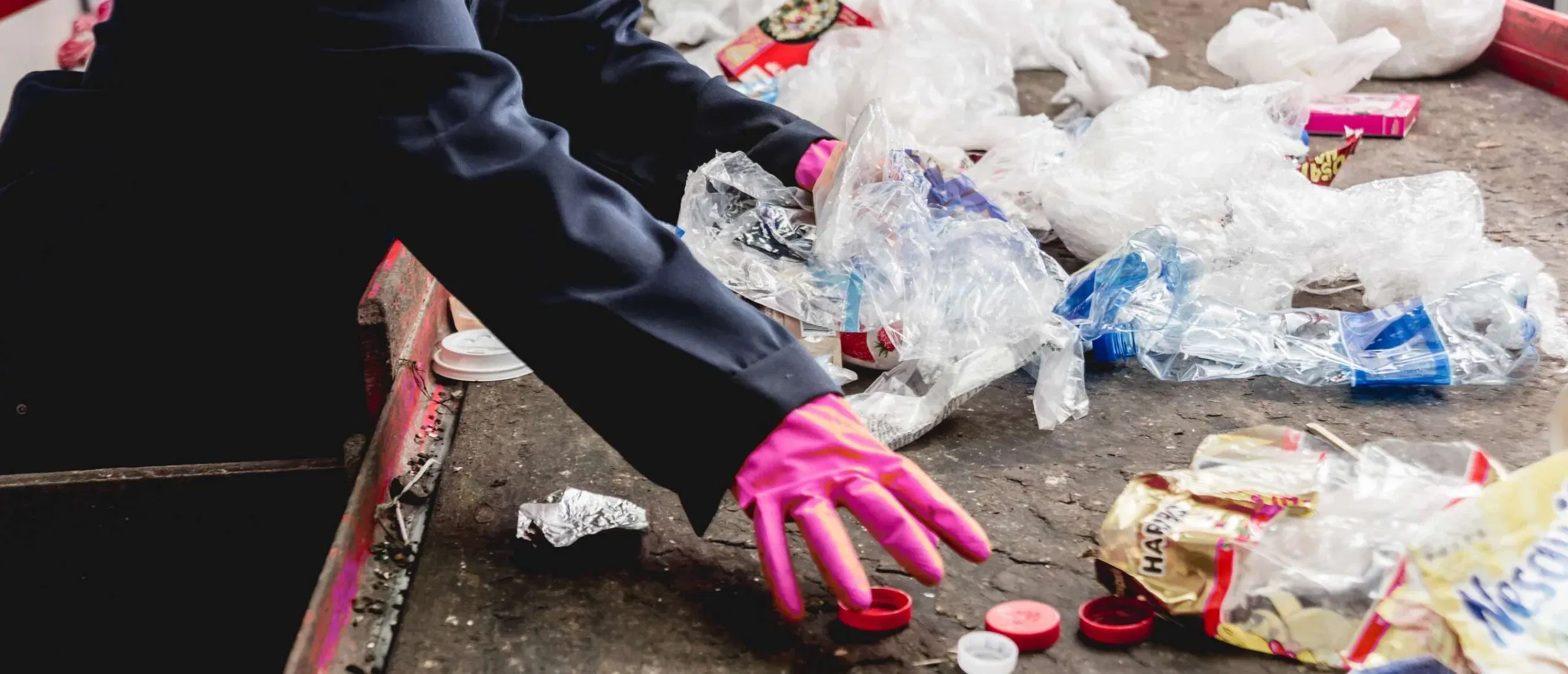
- The Fix: Source materials from manufacturers who manage the end-to-end recycling process. We manage the entire cycle: from collecting the waste to manufacturing the final 2400mm x 1200mm panels. This allows us to provide the traceable data you need to meet modern sustainability targets.
7. Reactive vs. Proactive Data Collection
The final mistake is leaving carbon reporting until the end of the construction phase.
- The Problem: By the time the building is finished, many sub-contractors have moved on, and obtaining the specific EPDs or batch-tracking data for installed materials becomes a logistical nightmare. This leads to "data gaps" that force assessors to use penalizing default values.
- The Fix: Embed embodied carbon requirements into your procurement contracts. Make the provision of verified carbon data a condition of payment. This ensures you have a complete, audit-ready data set as the project progresses, rather than scrambling at the 11th hour.
Comparison: The Carbon Reporting Advantage
| Feature | Traditional Imported Material | Resourceful Living (Local Recycled) |
|---|---|---|
| Data Source | Generic / Overseas EPD | Australian-Specific Data ✅ |
| Transport Emissions | High (International) | Low (Local Australian) ✅ |
| Recycled Content | Often 0–10% | 100% Australian Plastic ✅ |
| End-of-Life | Landfill / Unknown | Guaranteed Take-Back Program ✅ |
| Traceability | Limited | Full Chain of Custody ✅ |
How to Fix Your 2026 Reporting Strategy: A Checklist
If you want to ensure your next project meets the latest 2026 NABERS v2.1 benchmarks and stay on track for pre-1 July ESG deadlines, follow these steps:
- Audit your Fit-out: Ensure all internal partitions, joinery, and panels are included in your carbon scope.
- Verify Local Origin: Check the manufacturing address. Is it truly Australian, or just "assembled" here?
- Check for Solid Construction: Avoid materials with veneers or additives that complicate the recycling process.
- Secure the Take-Back: Does the manufacturer have a formal, documented product stewardship program?
- Request Traceability Reports: Ask for the specific source of the recycled feedstock to satisfy Green Star and NABERS auditors.

The Bottom Line
Embodied carbon reporting in Australia isn't just about ticking a box anymore: it's about demonstrating a commitment to a circular economy while meeting the tighter expectations of 2026 NABERS v2.1. For project managers chasing ESG targets before 1 July, that means paying close attention to fit-outs, especially when they can represent about 32% of a building’s lifecycle carbon.
By avoiding these seven mistakes and choosing materials that are locally sourced, 100% recycled, and backed by a documented take-back program, you’re not just reporting better data; you’re creating a cleaner, more defensible end-of-life circularity story.
Ready to secure traceable, low-carbon materials for your next project? Contact Resourceful Living today to discuss our 100% recycled plastic panels and how we can support your sustainability reporting requirements.