
By the time 2026 rolls around, the Australian construction landscape won't just be looking for "sustainable" materials: it will be demanding circularity.
We’re moving away from the old "take-make-waste" model at a rapid pace. Government mandates and local council tenders are increasingly requiring proof of material origin and end-of-life recovery plans. If you're a builder, architect, or project manager, your procurement strategy needs to evolve from simply checking a "recycled content" box to understanding the entire lifecycle of a product.
Circular construction 2026 is about ensuring that the materials you specify today don't become the landfill problems of tomorrow. To get there, you need to know exactly what to ask your suppliers.
The Shift: Why Circular Construction 2026 Matters Now
The industry is currently in a transition phase. While 2027 is the hard deadline for many mandatory reporting obligations, 2026 is the year of implementation and data gathering. If you aren't already asking your suppliers for detailed material passports and take-back guarantees, you're likely to fall behind in the tender process.
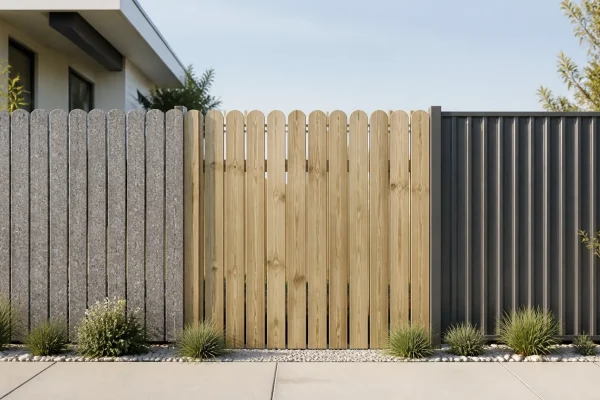
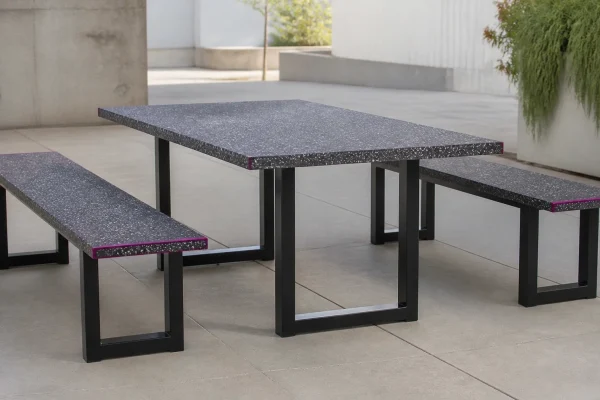
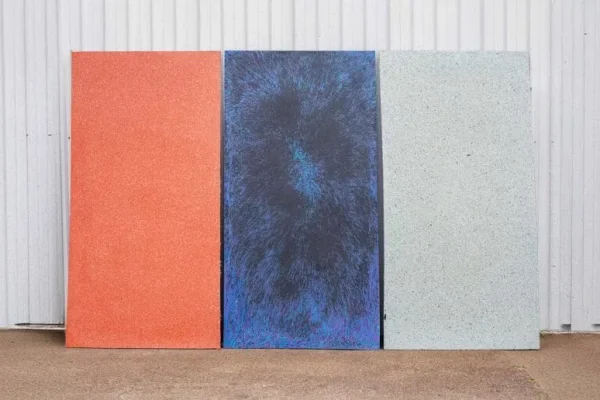
Circular construction isn't just about using recycled materials; it’s about resource productivity. It’s about keeping materials at their highest value for as long as possible. For those in the fit-out and building space, this means moving toward modular designs and materials like 100% recycled plastic panels that can be easily recovered and reprocessed.
Why circular construction 2026 will change the way you buy materials is a topic we've covered extensively, but the practical "how-to" starts with your supply chain.
5 Critical Questions for Your Material Suppliers
When you're vetting suppliers for your next project, don't settle for vague marketing terms like "eco-friendly" or "green." Use these five targeted questions to separate the truly circular partners from the rest.
1. "Can you provide the exact origin and traceability of your raw materials?"
In the world of circular construction 2026, "recycled" isn't enough. You need to know if the material is post-industrial or post-consumer, and ideally, exactly where it was sourced.
- Why it matters: Traceability reduces the risk of "circular washing." Knowing that your recycled plastic sheets came from Australian milk bottles or soft plastic waste adds a layer of integrity to your project's sustainability story.
- What to look for: Look for suppliers who manage their own collection or have transparent, audited supply chains.
2. "Is there a formal, documented Take-Back Programme in place?"
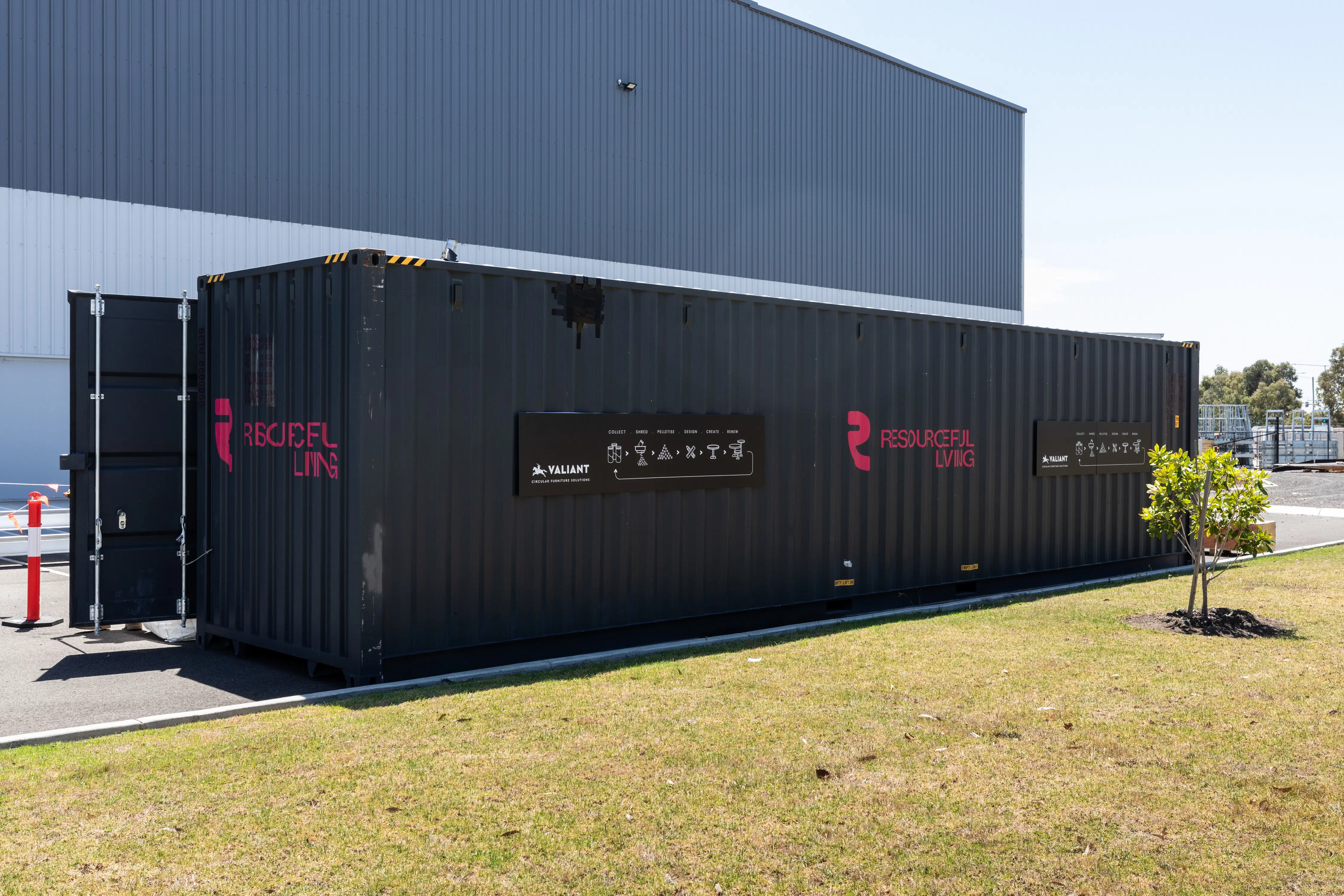
A product is only circular if there is a realistic pathway for it to be recycled again at the end of its life.
- The Question: "If I rip this out in 10 years, will you take it back and turn it into something else?"
- The Red Flag: If the supplier says "it's recyclable" but doesn't offer a collection service or a partnership with a recycler, it’s not a circular solution: it’s just delayed waste.
- The Gold Standard: A supplier that offers a Product-as-a-Service model or a guaranteed buy-back/take-back scheme. This ensures the loop is actually closed.
3. "Is the material 100% recycled, or is it a composite/blend?"
Many "recycled" products on the market are actually composites (like WPC – Wood Plastic Composite). While these use recycled content, they are often impossible to recycle again because the different materials (wood and plastic) cannot be easily separated.
- Focus on Monomaterials: For true circularity, aim for products made from a single material type, such as 100% recycled HDPE or LDPE.
- Benefits: These can be shredded and remelted into new panels multiple times without losing structural integrity.
4. "Do you have an EPD or verified Embodied Carbon data?"
Data is the currency of circular construction 2026. You will increasingly be asked for Global Warming Potential (GWP) metrics during the tender phase.
- Ask for: An Environmental Product Declaration (EPD). If they don't have one, ask for their carbon footprint per kilogram of material produced.
- Why it's essential: This data allows you to perform a Life Cycle Assessment (LCA) for your entire building.
Embodied carbon reporting in Australia is becoming a standard requirement for Tier 1 contractors and government projects.
5. "Where is the manufacturing taking place?"
Circularity is intrinsically linked to locality. Shipping "recycled" materials halfway across the world creates a massive carbon footprint that often negates the benefits of using recycled content in the first place.
- The Local Advantage: Sourcing recycled plastic sheets in Australia means lower transport emissions and a more responsive supply chain. It also means your "take-back" logistics are feasible and cost-effective.
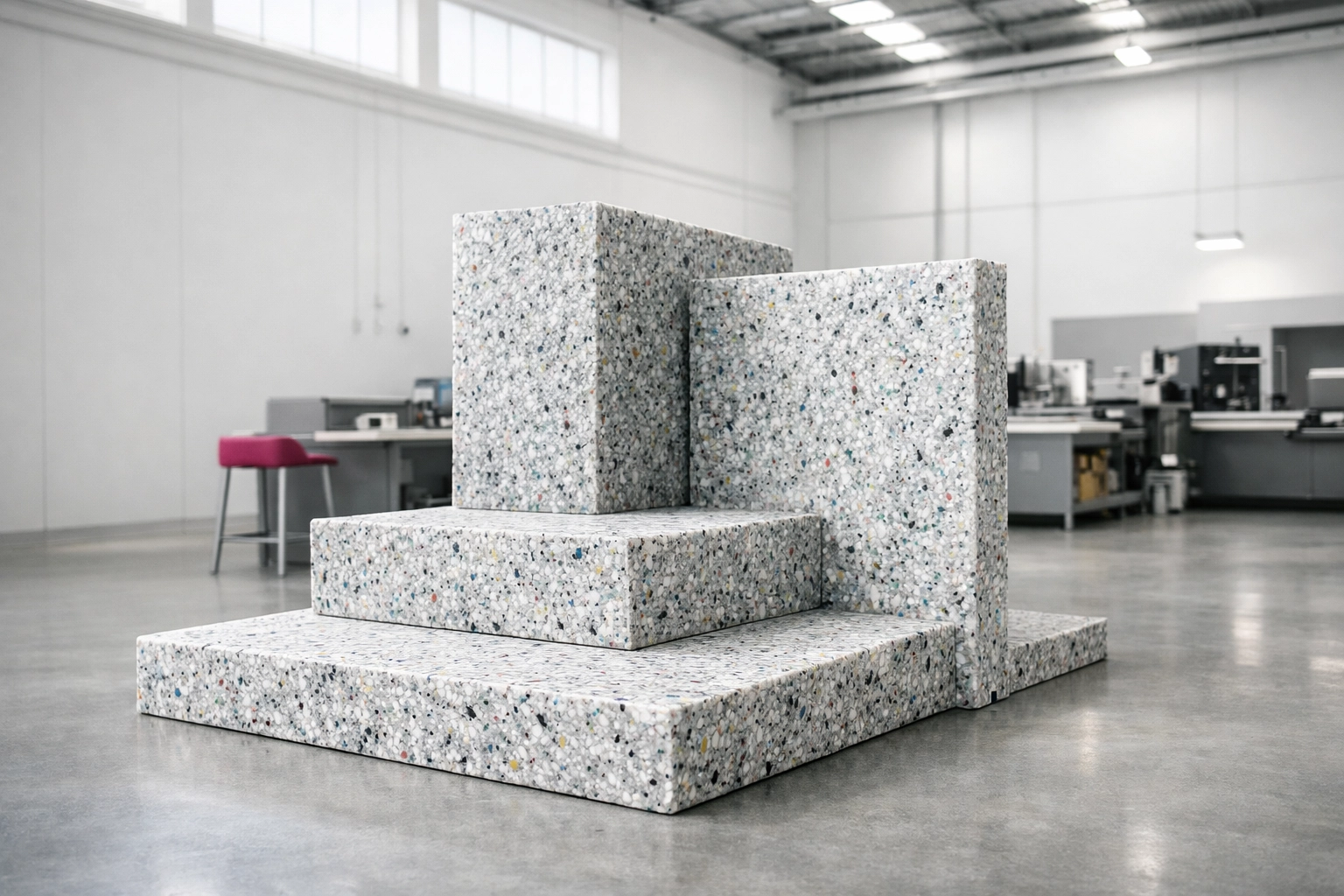
Circular Construction Checklist for 2026 Tenders
To help you stay ahead, here is a quick checklist to run through before you sign off on your material specifications:
| Requirement | Description | Status |
|---|---|---|
| Material Passport | Does the supplier provide a digital or physical log of material components? | ☐ |
| Recycled Content % | Is the material 100% recycled or a hybrid? (Aim for 100%). | ☐ |
| Disassembly Design | Can the product be removed without destroying it or the surrounding structure? | ☐ |
| End-of-Life Path | Is there a local facility capable of processing this specific material? | ☐ |
| Carbon Metrics | Do you have the KG CO2-e/unit data for your carbon reporting? | ☐ |
Why 100% Recycled Plastic Panels are the "Quiet Hero" of Circularity
In many fit-out applications: retail, cabinetry, wet areas, and wall cladding: timber and laminate have been the default for decades. However, timber often ends up in landfill because it is treated, glued, or contaminated.
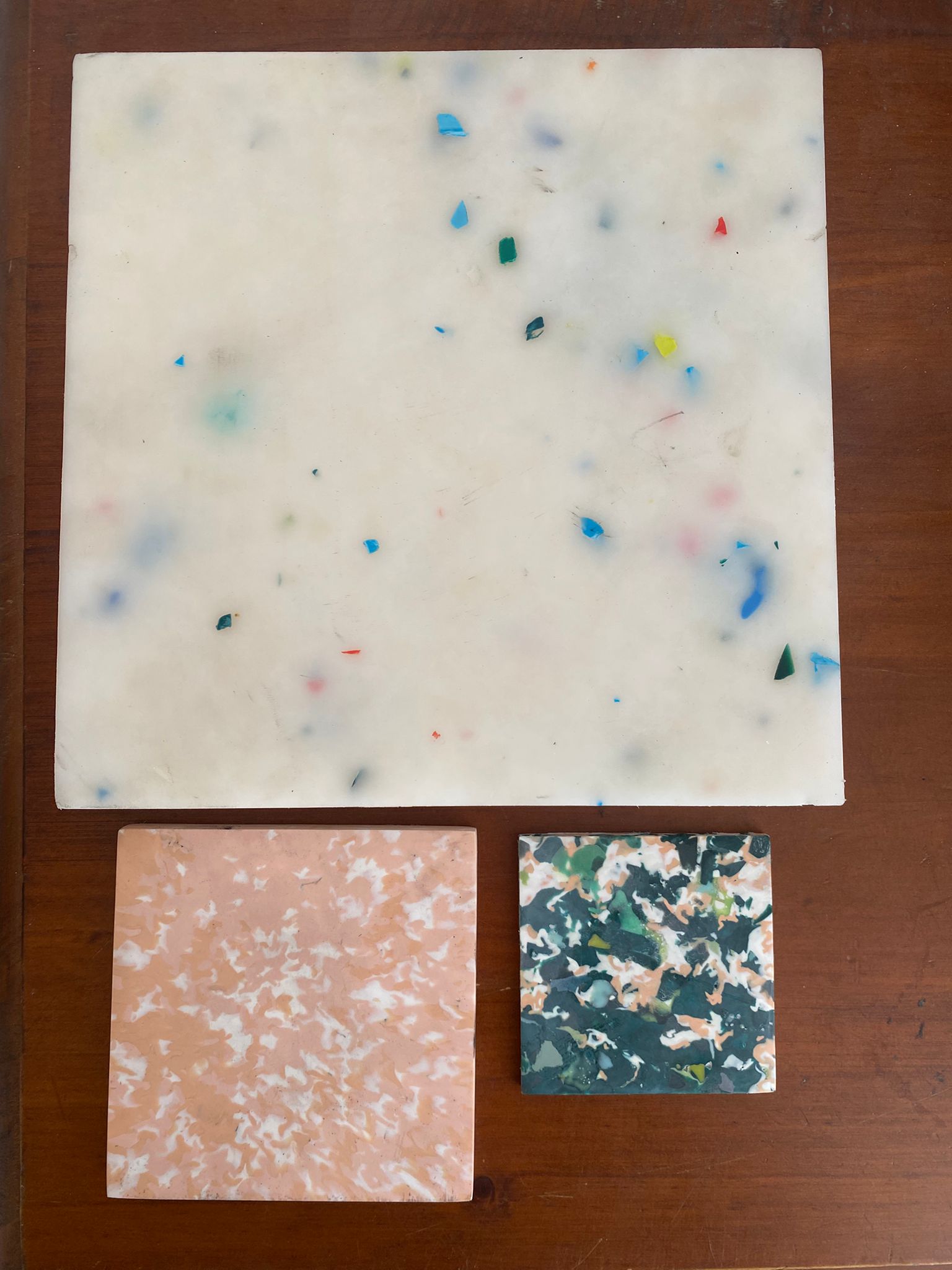
100% recycled plastic panels (like HDPE sheets) are different. They are moisture-proof, durable, and: most importantly: chemically simple. Because they aren't mixed with resins or glues, they can be processed back into the manufacturing loop indefinitely.
"True circularity isn't just about what a product is made of; it’s about what that product can become in its next life." : Resourceful Living Consulting Team
Navigating the Procurement Minefield
As you move toward circular construction 2026, you'll likely encounter "circular washing." This is where suppliers use the language of sustainability without the infrastructure to back it up.
Common Pitfalls to Avoid:
- Bio-plastics: Some "bio" plastics are only compostable in industrial facilities that don't exist in most Australian states.
- "Recyclable" labels: Just because a material can be recycled doesn't mean it will be. If there's no infrastructure to collect it, it’s effectively waste.
- Imported "Recycled" Content: Verify that the recycled content isn't just virgin plastic labelled as "ocean-bound" without any certification.
To avoid these traps, we recommend reading our ultimate guide to specifying recycled plastic sheets for construction tenders.
Action Steps for Your Next Project
- Audit Your Current Suppliers: Send out a questionnaire based on the 5 questions listed above.
- Update Specification Templates: Ensure your specs include a requirement for "end-of-life take-back guarantees."
- Prioritise Monomaterials: Look for 100% recycled HDPE/LDPE panels for wet areas and high-wear surfaces.
- Engage Early: Circularity is most effective when discussed during the design phase, not as an afterthought during procurement.
Circular construction in 2026 isn't just a trend: it's a fundamental shift in how we build. By asking the right questions now, you ensure your projects are tender-ready, compliant, and genuinely sustainable.
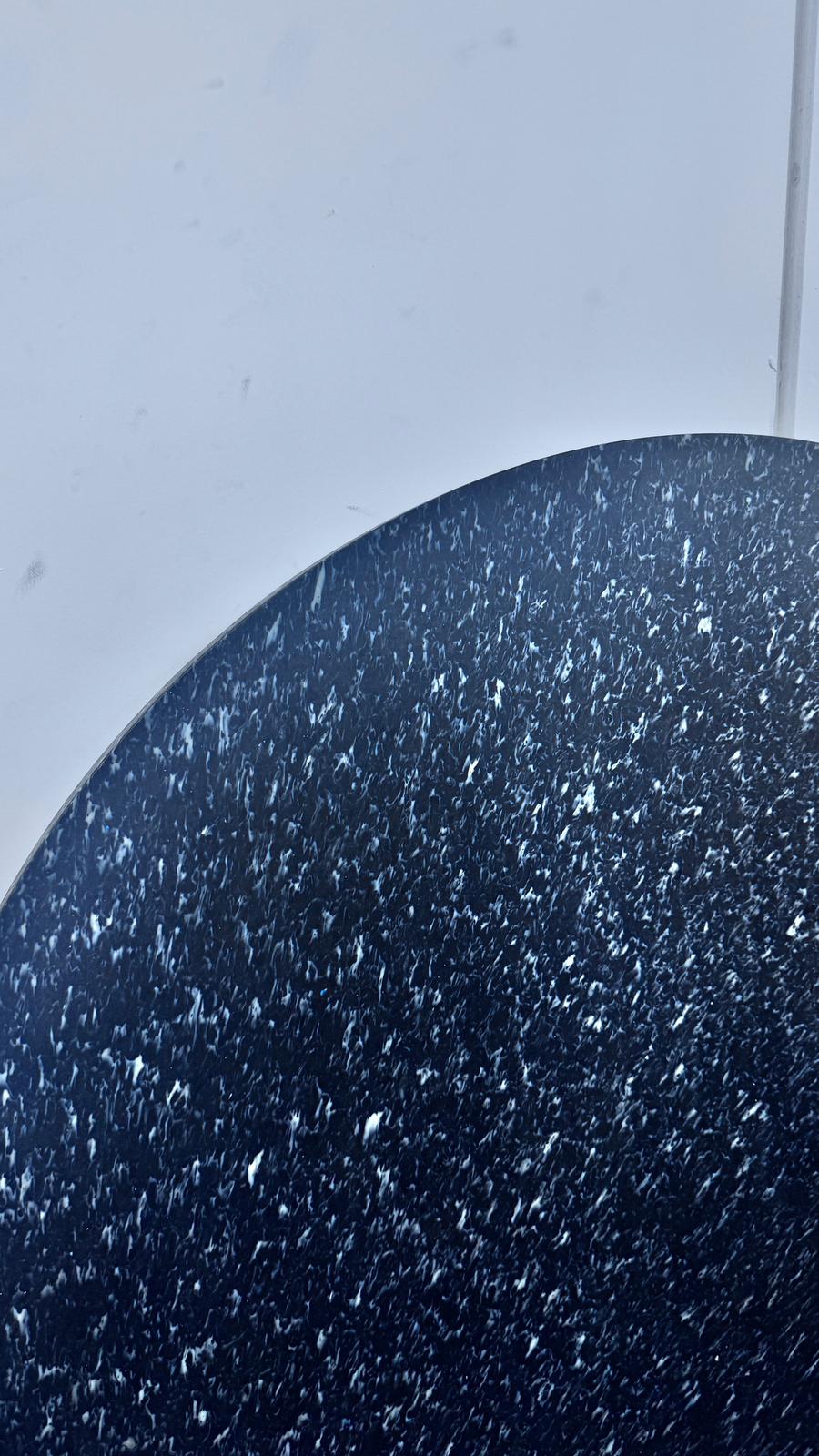
If you're ready to start incorporating traceable, Australian-made materials into your next build, explore how our recycled plastic sheets can help you hit those net-zero targets.