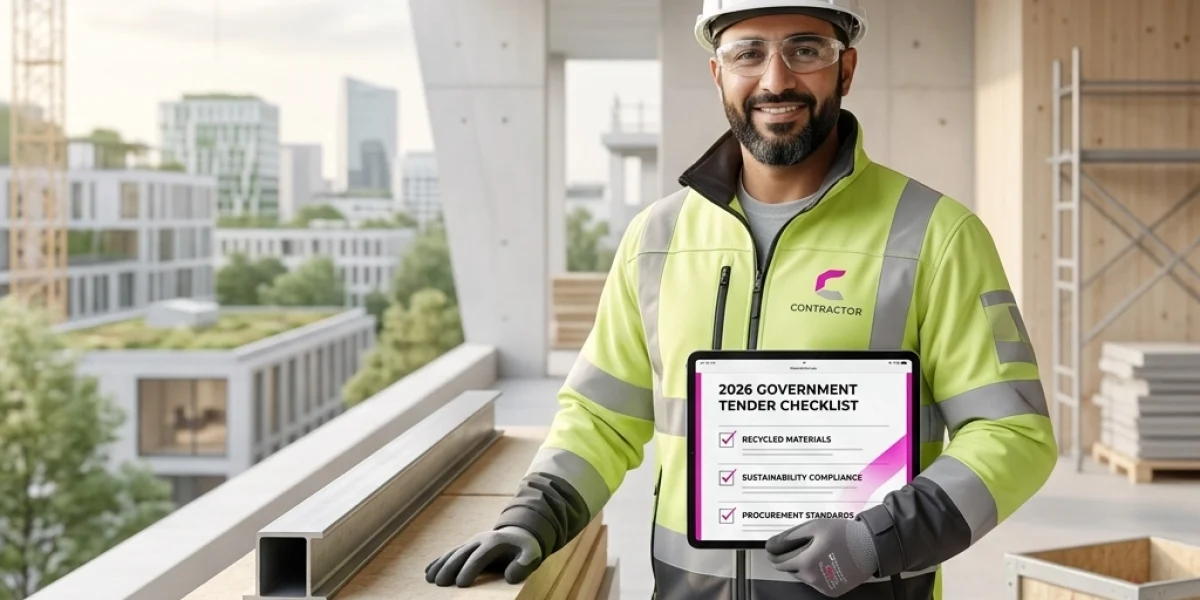
If you're a Tier 1 or Tier 2 builder in Australia, you've likely noticed the ground shifting beneath your feet. In 2026, winning a government contract isn't just about the lowest price or the fastest timeline anymore. It's about circularity.
The introduction of the Environmental Sustainability Policy (ESP) and the strict enforcement of the "If Not, Why Not" rule have turned recycled content from a "nice-to-have" into a mandatory requirement. If you aren't integrating circular construction 2026 principles into your procurement strategy, you're not just losing points on your submission: you're being disqualified before the shortlisting even begins.
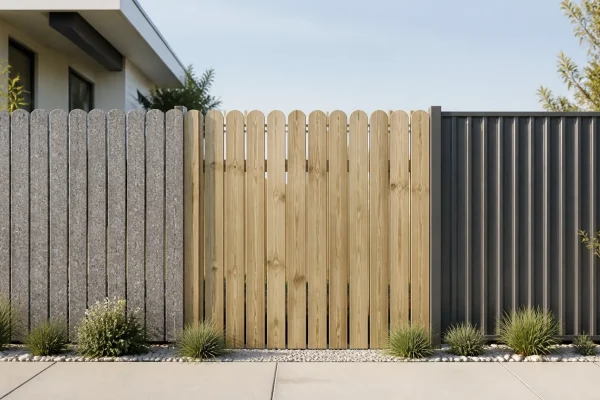
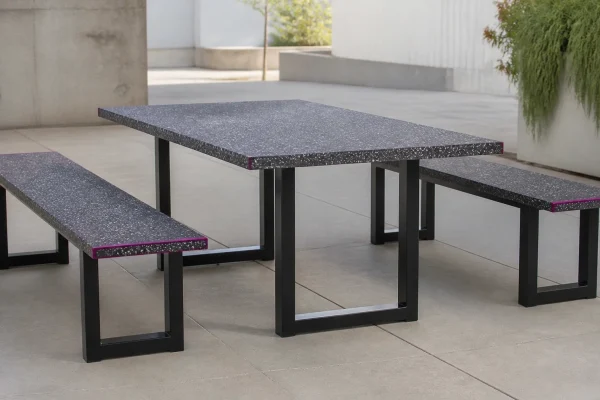
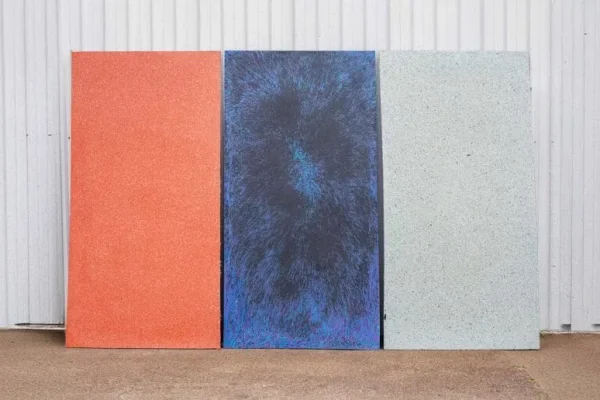
Government agencies are now demanding physical proof of recycled content. They want to see exactly how many tonnes of Australian waste are being diverted from landfill to create your site hoardings, park benches, and acoustic panels.
The New Rules of the Game: ESP and "If Not, Why Not"
The ESP Policy is the driving force behind this change. It mandates that a specific percentage of materials used in government-funded projects must contain recycled content. But the real "teeth" in the policy come from the "If Not, Why Not" rule.
Essentially, this rule requires project managers and procurement officers to justify why they haven't used a sustainable or recycled alternative if one is available on the market. If there is a 100% recycled Australian plastic panel that meets the structural requirements of your project, and you choose plywood instead, you have to explain that choice to the government auditors.
To stay ahead, you need to understand the 5 steps to master if not why not procurement to ensure your project stays compliant and competitive.
Why Circular Construction 2026 is Your Secret Weapon
The concept of circular construction 2026 is simple: it’s about moving away from the "take-make-waste" model. For builders, this means sourcing materials that are not only made from waste but are also fully recyclable at the end of the project's life.
When you specify materials from a local manufacturer like Resourceful Living, you aren't just buying a product. You are participating in a closed-loop system. Our panels are made from 100% Australian post-consumer waste: think milk bottles and detergent containers: and can be ground down and remanufactured back into new panels when you're finished with them.
This approach significantly boosts your ESG (Environmental, Social, and Governance) score. It also addresses the growing need for site waste management, turning what was once a landfill cost into a circular asset.

The Recycled Content Checklist for Your Next Submission
To help you navigate the complexities of 2026 procurement, we’ve put together a checklist of what government assessors are looking for in your tender documents.
✅ 1. Physical Traceability (No Mass Balance)
In 2026, "mass balance" accounting (where a company buys credits rather than using actual recycled material) is no longer sufficient for high-level government tenders. You must provide documentation showing physical traceability.
- Action: Ensure your supplier provides a certificate of origin for the plastic waste.
- Why: It protects you against greenwashing and ensures you meet the strict new FTC and EPA standards.
✅ 2. Embodied Carbon Data
You need to know the Upfront Carbon (Modules A1-A3) of your materials. Assessors are looking for products with low embodied carbon to help meet Net Zero targets.
- Action: Request an Environmental Product Declaration (EPD) or a verified Carbon Credit report.
- Internal Link: Learn more about embodied carbon reporting in Australia.
✅ 3. Local Buy Status
Government procurement prefers Australian-made and owned. Using local suppliers reduces transport emissions and supports the domestic circular economy.
- Action: Check if your supplier is a "Local Buy" pre-qualified partner.
✅ 4. Maintenance and Durability Metrics
Recycled materials are often scrutinised for performance. You must prove that your choice won't cost the taxpayer more in maintenance over its lifecycle.
- Action: Use data to show that recycled plastic outlasts timber in harsh Australian conditions. It’s termite-proof, rot-proof, and never needs painting.
✅ 5. End-of-Life Strategy
What happens to the material when the building is decommissioned or the fit-out is updated?
- Action: Include a "Product Stewardship" letter from the manufacturer, guaranteeing they will take back the material for recycling at the end of its life.

Procurement Strategy: Moving from Cost to Value
The biggest mistake builders make is comparing recycled plastic to traditional materials on a purchase price basis alone. In 2026, the real value lies in the total cost of ownership and the tender winning potential.
"If choosing a recycled product increases your material cost by 5% but increases your tender success rate by 20%, the ROI is clear. You aren't just buying a panel; you're buying the contract." : Jess Hodge, Sales at Resourceful Living.
When you factor in the avoidance of landfill levies (which have skyrocketed in 2026) and the reduction in maintenance costs, the ROI of circularity becomes undeniable.
Site Waste: The "Buy-Back" Advantage
One of the most effective ways to smash your sustainability targets is to integrate your own site waste into the project’s permanent materials. This is the pinnacle of circular construction 2026.
Imagine collecting the HDPE scrap and protective film from your site, sending it to our facility, and having it returned to you as custom-manufactured signage, wheel stops, or site furniture.
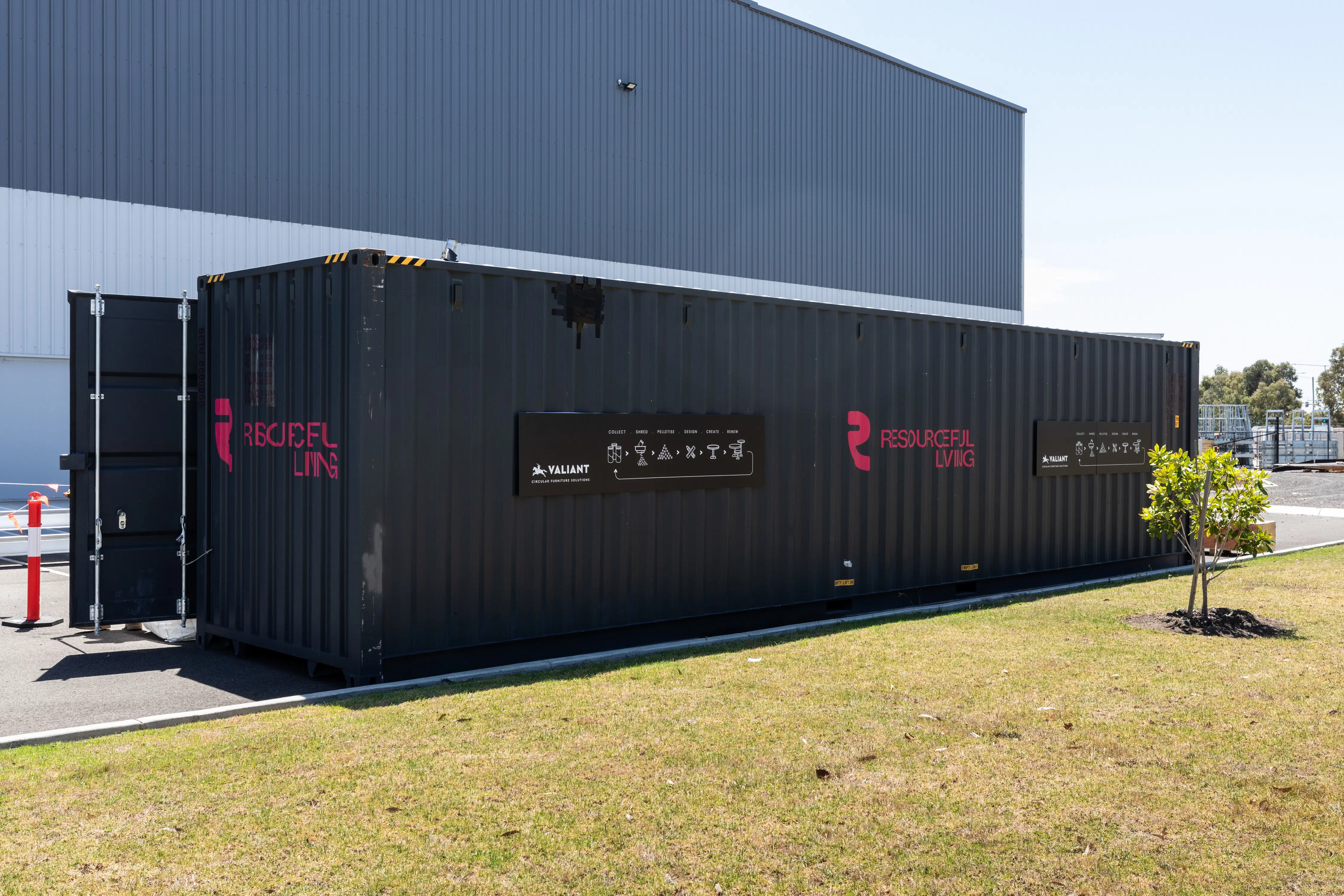
This "closed-loop" story is incredibly powerful in a tender submission. It demonstrates that you aren't just following the rules: you are leading the industry. It turns a waste management problem into a strategic procurement weapon.
Avoiding Common Pitfalls in Tender Submissions
Many builders fall into the trap of using "recycled-look" materials that are actually virgin plastic with a decorative finish. This will not pass a 2026 government audit.
Ensure you are not making these 7 common mistakes with sustainable materials. The most critical error is failing to verify the percentage of post-consumer recycled content. If the panel is only 10% recycled, it likely won't meet the thresholds set by the ESP Policy.
How to Get Started with Your Next Submission
If you have a government tender landing on your desk this month, don't wait until the final week to source your sustainable materials. The documentation required for circular construction 2026 takes time to compile.
- Identify the high-impact areas: Where can you swap timber, concrete, or virgin plastic for 100% recycled HDPE? Think acoustic panels, vanity tops, external cladding, and site hoardings.
- Request a Data Sheet: Get the Product Data Sheets for the materials you intend to specify so you can include the technical specs in your engineering report.
- Get a Quote: Check our 2026 Price Guide to ensure your budget is accurate.
- Partner with a Local Manufacturer: Establish a relationship with Resourceful Living early. We can provide the traceability certificates and stewardship letters you need to make your submission bulletproof.
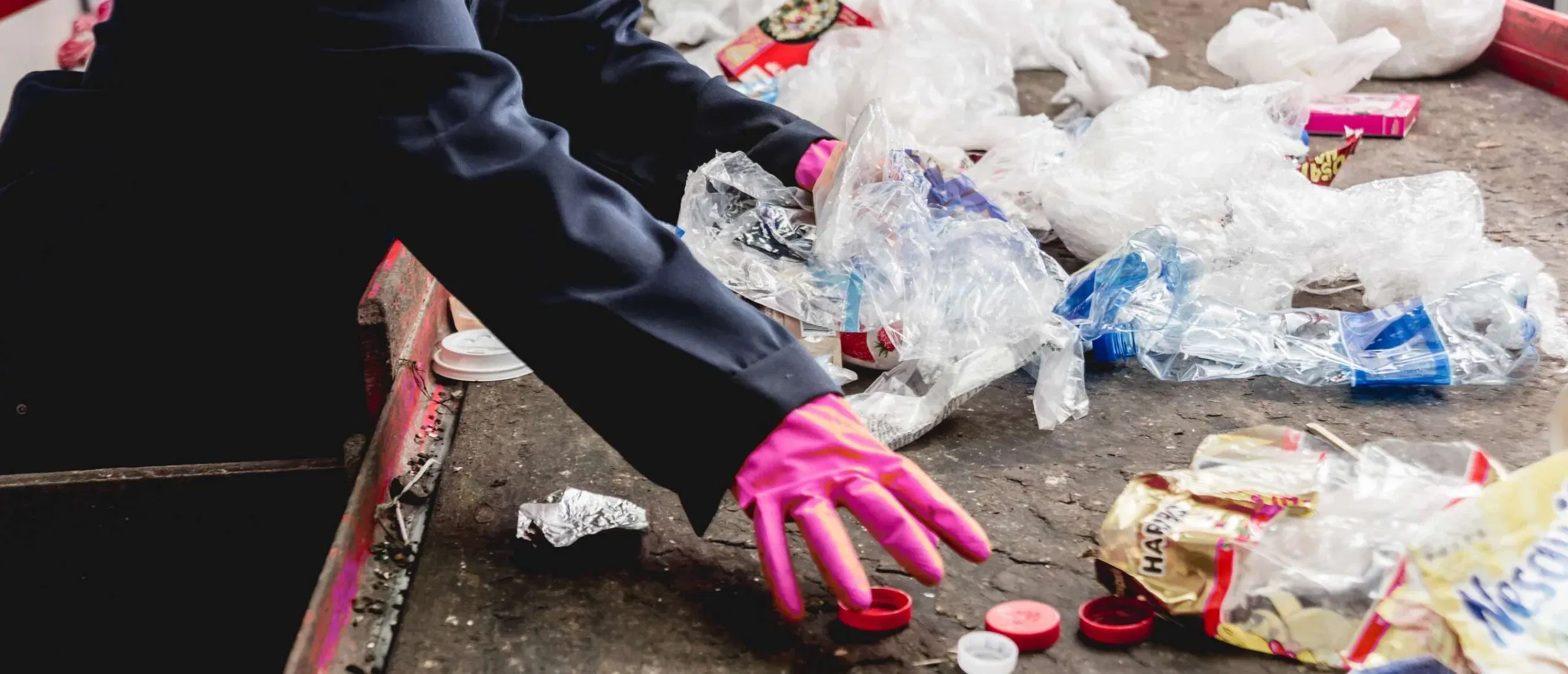
Winning government tenders in 2026 is no longer about doing "less harm." It’s about doing more good. By choosing 100% recycled Australian plastic, you're not just ticking a compliance box: you’re building a more resilient, sustainable, and profitable future for the Australian construction industry.
Ready to boost your next tender submission? Contact the team at Resourceful Living today for a consultation on how our circular materials can help you win your next big project.