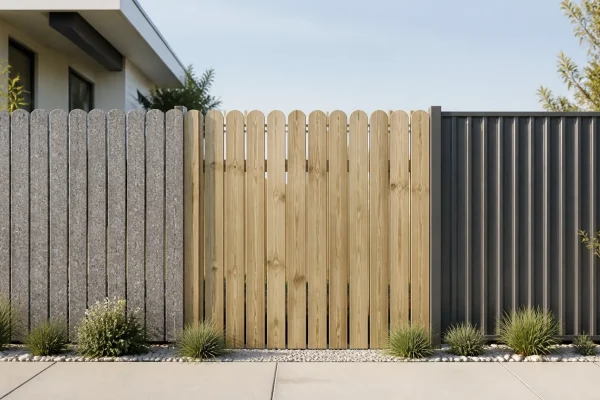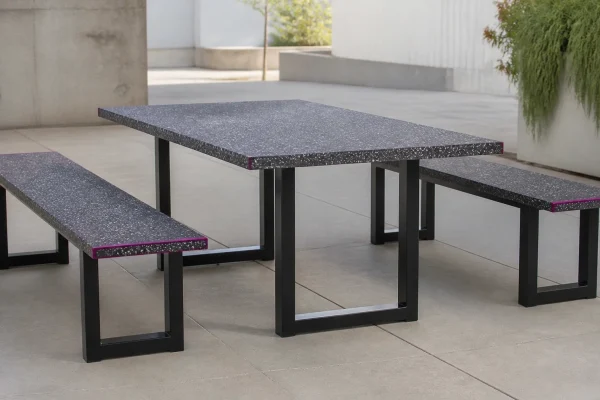
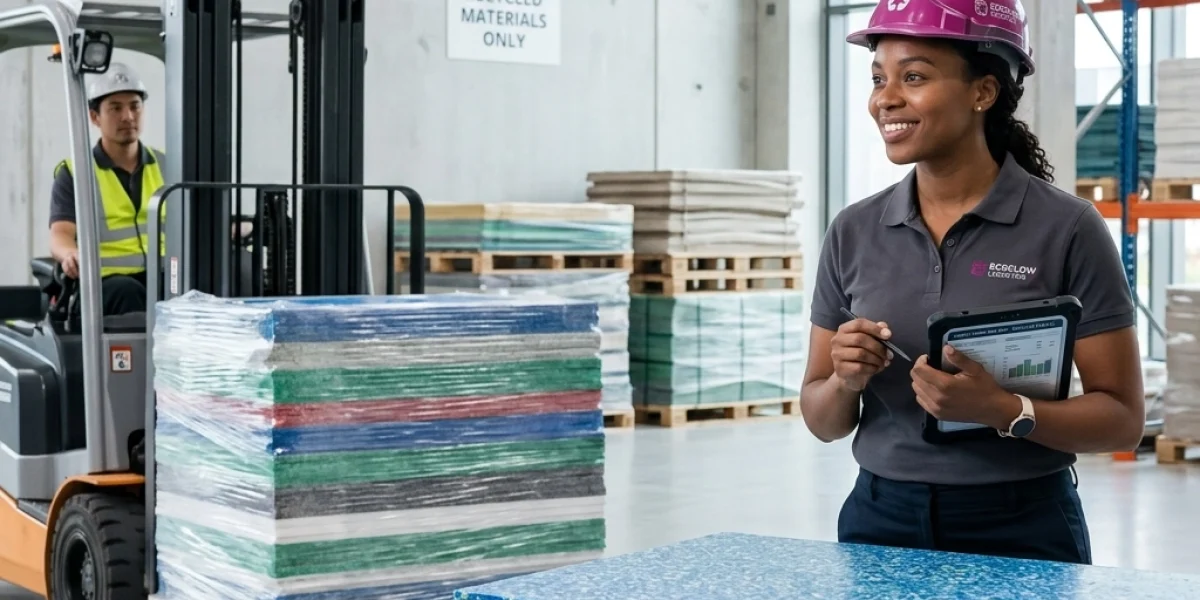
If the last few years have taught us anything, it’s that global supply chains are a lot more fragile than we thought. For project managers, builders, and procurement officers, "risk" used to be a line item in a spreadsheet. Today, it’s a daily reality: fluctuating shipping costs, geopolitical instability, and the unpredictable price of virgin raw materials are enough to keep anyone up at night.
When you’re sourcing materials for large-scale infrastructure or commercial fit-outs, you’re often choosing between the "standard" (imported timber or virgin plastics) and the "sustainable" alternative. But here’s the shift: choosing recycled plastic sheets in Australia isn't just about being "green" anymore. It is increasingly becoming the most effective way to de-risk your entire supply chain.
At Resourceful Living, we’re seeing a major shift in how companies approach material procurement. It’s no longer just a question of "how much does it cost?" but "will it actually show up on time, and can I prove where it came from?"
The Vulnerability of the "Business as Usual" Model
Most traditional supply chains rely on a "Just-in-Time" model that is heavily dependent on international shipping. If you’re waiting on virgin resin or imported plywood, you are exposed to several critical risks:
- Geopolitical Volatility: Conflict or trade disputes in manufacturing hubs can halt production overnight.
- Logistics Bottlenecks: Port strikes, container shortages, and rising fuel surcharges add weeks to your lead times and thousands to your budget.
- Virgin Resin Price Spikes: Virgin plastic is directly tied to the price of oil. When the energy market fluctuates, so does your material cost.
By contrast, sourcing recycled plastic sheets in Australia allows you to bypass these global stressors. You aren’t waiting for a ship to cross the ocean; you’re tapping into a local feedstock of post-consumer waste that is processed right here on home soil.
Local Sourcing: Your Best Hedge Against Lead-Time Risk
One of the biggest pain points in Australian construction and manufacturing is the "wait time." When a project is delayed by two months because a specific material is stuck in transit, the liquidated damages can be astronomical.
Resourceful Living operates with a 1-tonne-per-day capacity. We take Australian plastic waste: mostly HDPE (High-Density Polyethylene) and LDPE (Low-Density Polyethylene): and transform it into high-performance panels. Because we manufacture locally in New South Wales, our supply chain is transparent and incredibly short.
Why local manufacturing matters for your risk profile:
- Predictable Timelines: Local production means you aren't guessing when your materials will arrive. You can plan your labour and installation schedules with confidence.
- Reduced Transport Costs: Shorter distances mean lower freight costs and a significantly lower carbon footprint.
- Direct Communication: If you need a custom thickness or a specific recycled plastic panel colour, you talk directly to the manufacturer, not a third-party agent in another time zone.
Traceability: Eliminating the "Greenwashing" Risk
As Australian regulations around environmental reporting tighten, "traceability" has moved from a "nice-to-have" to a mandatory requirement. If you are claiming that your project is sustainable to meet a government tender or an ESG (Environmental, Social, and Governance) target, you need the data to back it up.
The risk of "greenwashing" is real. Many imported "recycled" products have opaque supply chains. Can you be 100% sure that the "recycled content" in an overseas product is actually post-consumer waste? Or is it industrial scrap rebranded to fetch a premium?
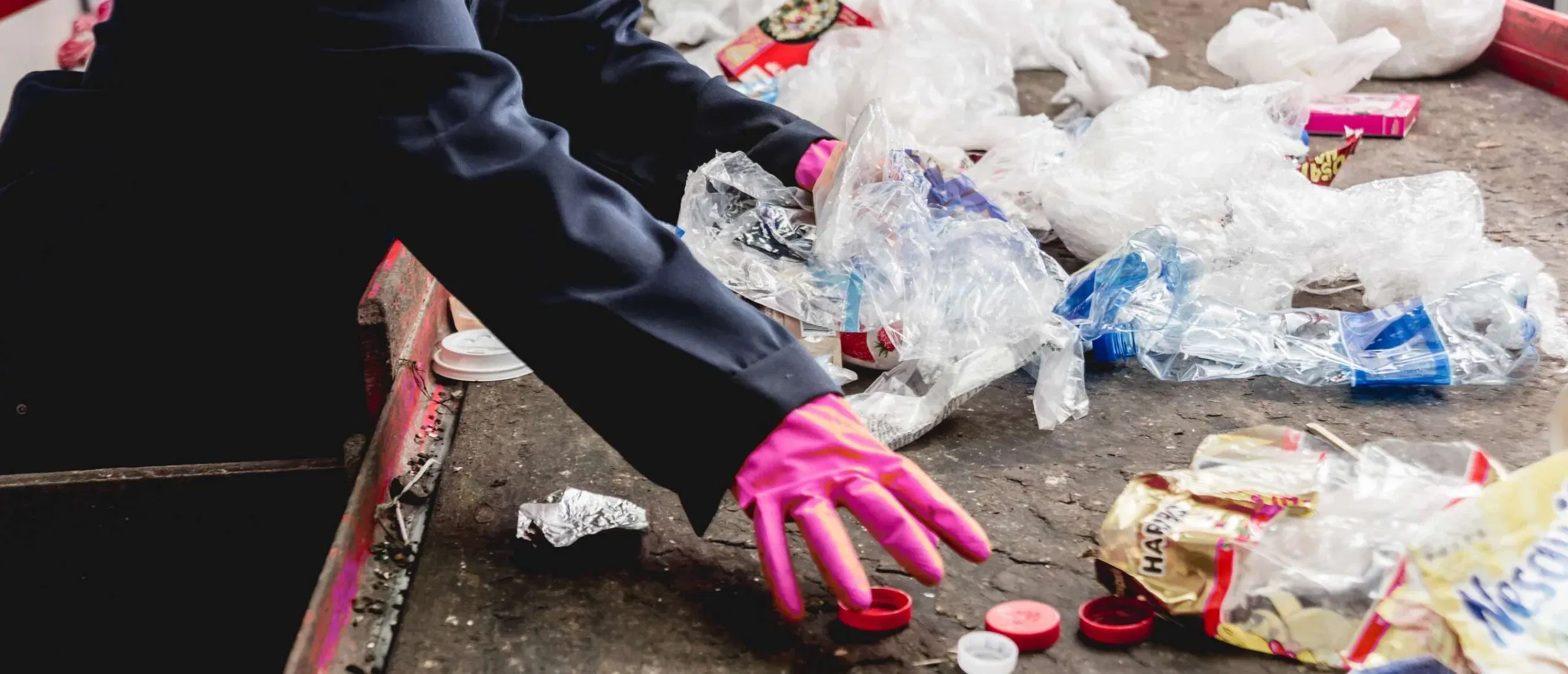
At Resourceful Living, our process is built on closed-loop traceability. We know exactly where our waste comes from: often it’s from the very local councils or businesses we partner with. When you use our recycled plastic products, you get a clear, auditable trail.
"True circularity isn't just about the end product; it's about the integrity of the input. If you can't trace the waste, you can't claim the impact." : Jess Hodge, Sales at Resourceful Living
Scalability and Capacity: Meeting Large-Scale Demand
A common misconception about recycled materials is that they are "boutique" or only available in small quantities. If you’re managing a large-scale project, you need to know that your supplier can keep up.
We’ve invested heavily in our infrastructure to ensure we can meet industrial demand. With our 1-tonne-per-day capacity, we are capable of processing roughly 365 tonnes of plastic waste per year. To put that in perspective, that’s hundreds of thousands of milk bottles and lids diverted from Australian landfills and turned into durable, structural-grade sheets.

This capacity allows us to support everything from bespoke furniture design to large-scale government infrastructure. Whether you need ten sheets for a retail fit-out or a hundred for a public park project, our local manufacturing hub is built to scale.
Recycled Plastic vs. Traditional Materials: A Risk Comparison
When evaluating supply chain risk, it helps to compare recycled plastic sheets against the "standards" like timber or concrete.
| Risk Factor | Traditional Timber | Imported Virgin Plastic | RL Recycled Plastic Sheets |
|---|---|---|---|
| Price Stability | Low (fluctuates with logging/trade) | Low (tied to oil prices) | High (local waste feedstock) |
| Lead Times | Medium/High (import-heavy) | High (global shipping) | Low (local production) |
| Durability Risk | High (rot, termites, moisture) | Medium (UV degradation) | Low (weather & rot resistant) |
| ESG Compliance | Moderate (FSC needed) | Low (High embodied carbon) | High (Circular economy) |
| Traceability | Moderate | Very Low | High (Closed-loop) |
Managing Procurement through Pre-Qualified Suppliers
For those working within local government or large corporate frameworks, procurement risk is often managed through "preferred supplier" lists. Navigating these can be a bureaucratic nightmare if your supplier isn't already vetted.
Resourceful Living is a Pre-Qualified Supplier for Local Buy. This status means we’ve already gone through the rigorous checks required to work with local councils and government bodies. It simplifies the procurement process, reduces administrative risk, and ensures that you are working with a partner that meets high standards of insurance, safety, and quality.

Actionable Steps: How to Transition Your Supply Chain
If you’re looking to reduce your reliance on international supply chains and improve your project's sustainability profile, here is how to start:
- Audit Your Current Material Risks: Identify which materials in your current pipeline are most susceptible to shipping delays or price hikes.
- Request Samples: Don't take our word for it. You can order recycled plastic samples to test the durability, finish, and workability of the material yourself.
- Check for "Australian Made": Ensure your supplier is actually manufacturing here. The "Australian Made" logo is a safeguard for your supply chain.
- Engage Early: Circular design works best when we’re involved from the start. We can help with bespoke manufacturing and design to ensure the sheets meet your exact engineering requirements.
The Future is Local and Circular
Managing supply chain risk in 2026 and beyond requires a move away from the "take-make-waste" mentality. By choosing recycled plastic sheets in Australia, you aren't just making an environmental choice; you're making a strategic business decision.
You are choosing shorter lead times, fixed costs, total transparency, and a proven local partner. At Resourceful Living, we’re proud to be at the forefront of this manufacturing revolution. We’re not just recycling plastic; we’re building a more resilient Australian supply chain, one tonne at a time.
Ready to see how our materials can fit into your next project? Contact our team today to discuss your requirements, or learn more about our mission to keep Australian plastic in a closed loop.