If you’ve been following the Australian manufacturing scene lately, you’ll notice a massive shift. We’re moving away from the "take-make-waste" model and hurtling toward a circular economy. Government investment is pouring in, with recent initiatives like the $4 million Round 6 Recycling Modernisation Fund, aiming to bolster our domestic ability to process hard-to-recycle plastics.
But here’s the thing: having the machinery to shred plastic is only half the battle. The real conversation among industry leaders, architects, and procurement officers isn't just about if a product is recycled, but where that plastic actually came from.
In a market crowded with "green" claims, traceability has emerged as the ultimate game-changer for recycled plastic manufacturers in Australia. At Resourceful Living, we’ve seen firsthand that knowing the "biography" of your material is the difference between true sustainability and mere greenwashing.
The "Recycling Paradox" Facing Australia
Australia is currently at a crossroads. On one hand, we have state and federal governments investing millions to increase our recycling capacity, expected to add over 320,000 tonnes of processing power annually. On the other hand, there is a significant domestic demand gap.
We have the tech to turn milk bottles into recycled plastic panels, but if businesses and builders don't choose these locally made options over cheap, virgin-plastic imports, the system collapses.
The reality is simple: For the circular economy to work, we need to create a closed loop right here on Australian soil. This is why the spotlight has turned so brightly on local manufacturers who aren't just processing waste, but creating high-value, durable goods that compete with traditional materials on both performance and price.
Why Traceability Is the Real Game-Changer
When you buy a piece of timber, you often look for an FSC certification. You want to know it didn’t come from an endangered rainforest. So, why should plastic be any different?
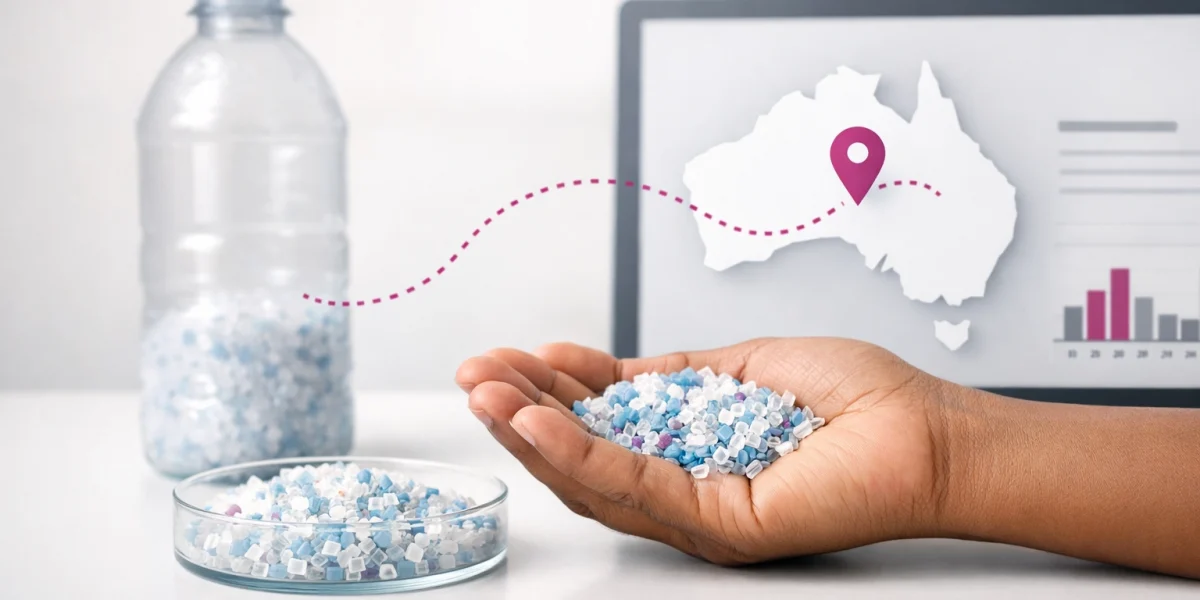
Traceability is the ability to track a material from its point of origin (the bin) through the sorting and washing process, all the way to the finished product on your desk or construction site. For recycled plastic manufacturers in Australia, this is our "secret sauce."
1. Eliminating the Carbon Cost of "Recycling"
Many products labelled as "recycled" in Australia are actually made from plastic waste that was shipped overseas, processed in facilities with questionable environmental standards, and then shipped back as finished goods. The carbon footprint of that journey often negates the environmental benefit of using recycled material in the first place.
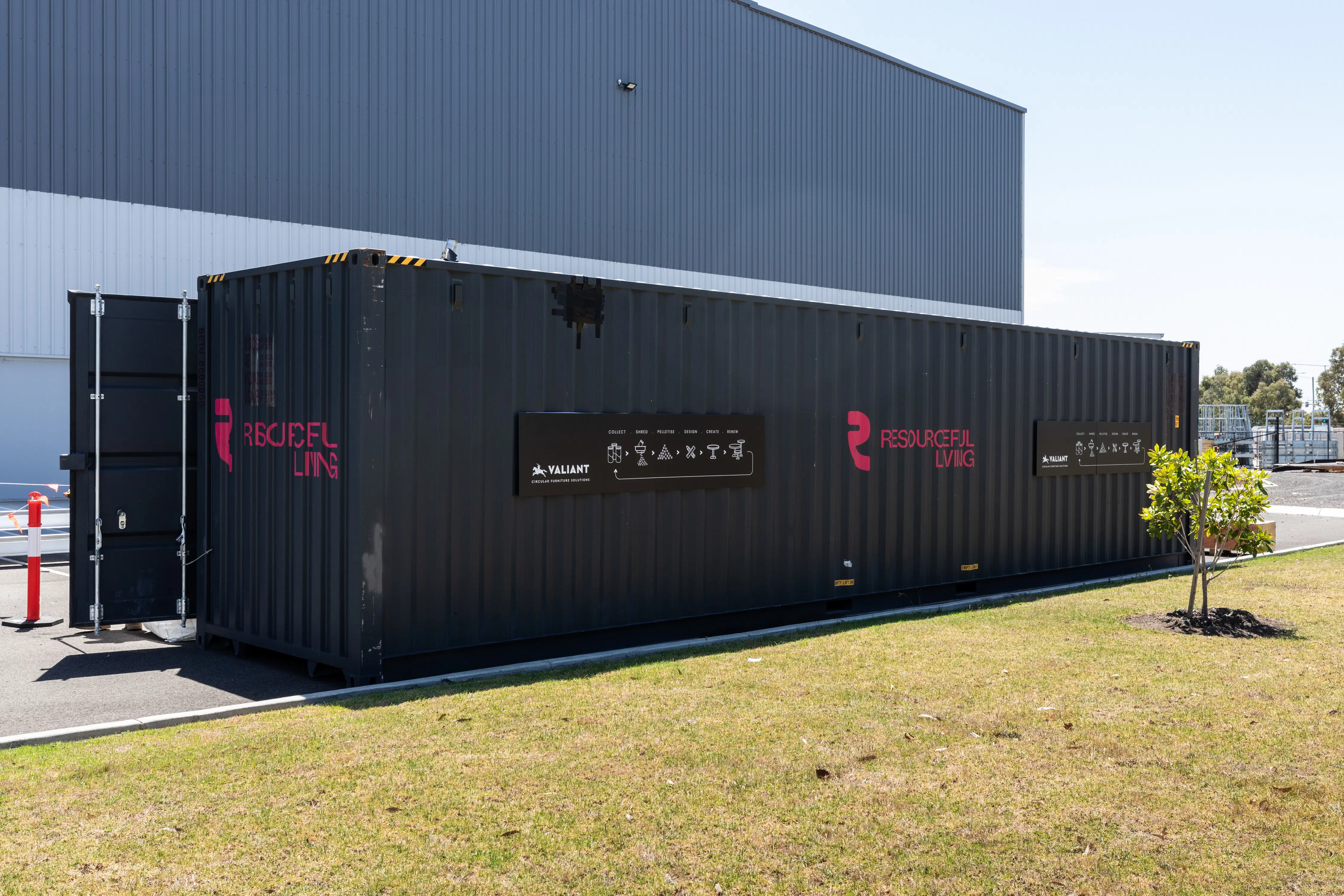
By focusing on 100% Australian waste, we ensure the material stays local. Our onsite mobile recycling units allow us to process waste closer to the source, drastically reducing transport emissions.
2. Ensuring Material Purity and Performance
Not all "HDPE" is created equal. Plastic that has been sitting in the sun for a decade or contaminated with chemicals won't perform the same as high-quality industrial waste. Traceability allows us to guarantee the mechanical properties of our products.
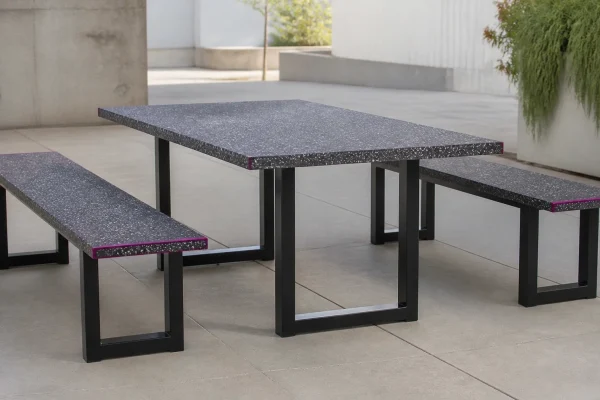
Whether we’re manufacturing recycled plastic survey pegs for a major civil project or a recycled plastic coffee table for a high-end office, we know exactly what went into that batch. This means we can offer consistency in:
- UV Stability: Essential for the harsh Australian climate.
- Impact Resistance: Ensuring the material won't crack under pressure.
- Chemical Safety: Crucial for products like recycled plastic chopping boards.
3. Meeting ESG and Reporting Requirements
For modern businesses, "Sustainability" isn't just a buzzword; it’s a reporting requirement. To hit ESG (Environmental, Social, and Governance) targets, procurement teams need data. They need to prove they saved X kilograms of plastic from Australian landfills. Traceability provides that data.
"If you can’t measure the origin of your materials, you can't accurately report on your impact. Traceability turns a 'good feeling' into a 'hard metric' for our B2B partners." , Jess Hodge, CEO of Resourceful Living.
The Resourceful Living Difference: 100% Australian, 100% Traceable
As one of the leading recycled plastic manufacturers in Australia, we don't just "use" recycled plastic. We live and breathe the process. Our facility is designed to take local waste streams, like post-industrial HDPE pipes or post-consumer lids, and transform them into architectural-grade surfaces.

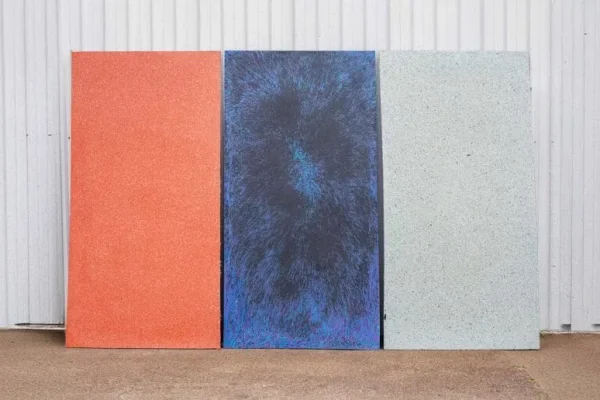
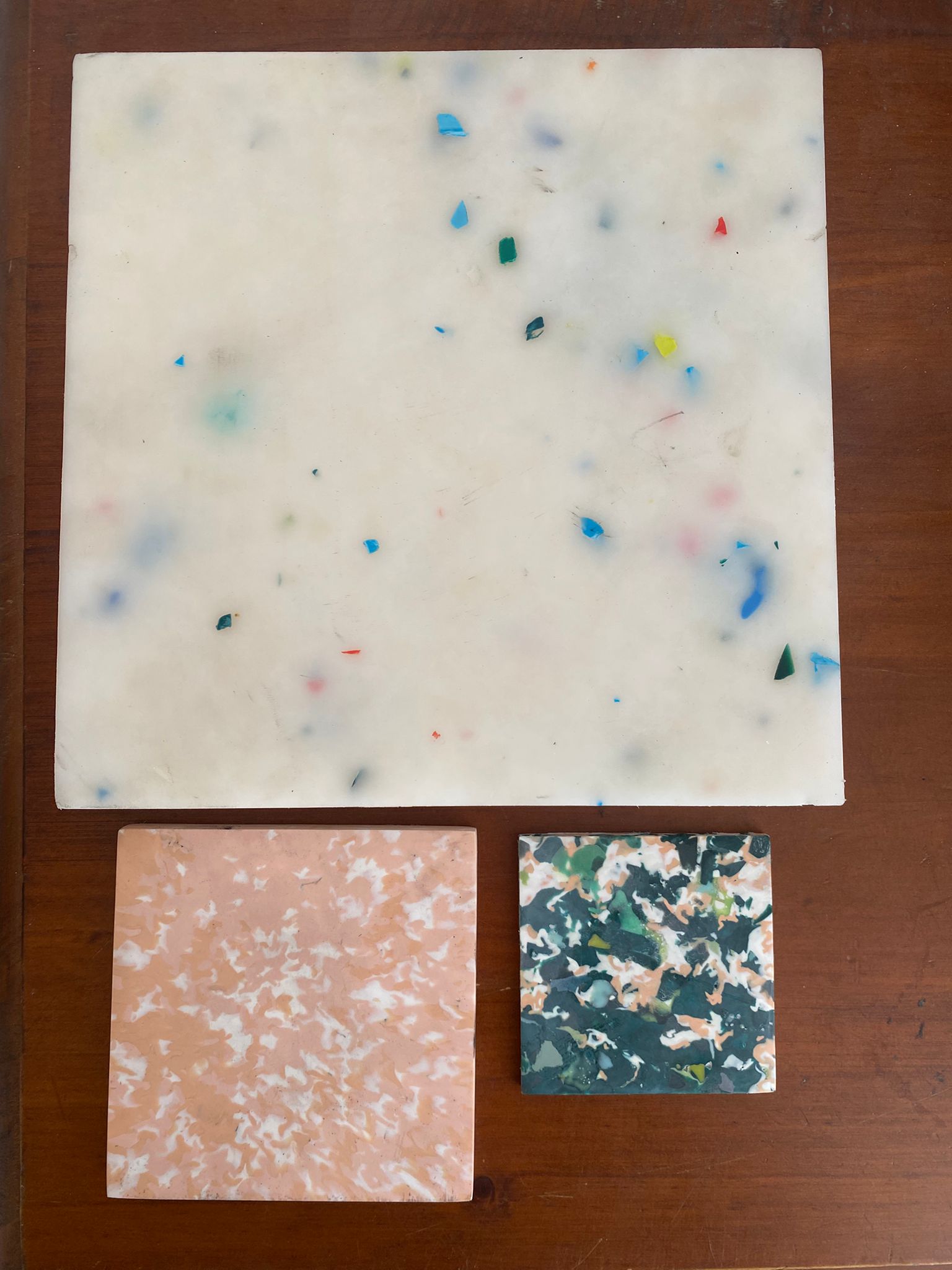
We’ve pioneered a process that celebrates the aesthetic of recycled plastic. Instead of trying to make it look like something else, we embrace the unique "confetti" and "marble" patterns that emerge from different waste streams.
Check out our N70 White Confetti Panel or our Navy and White Marble Panel. These aren't just pretty designs; they are visual representations of the diverse Australian waste we’ve diverted from landfill.

From Construction to Retail: Where Our Materials Land
The versatility of traceable, Australian-made recycled plastic is staggering. We are seeing a massive uptake across several key sectors:
Construction & Civil Engineering
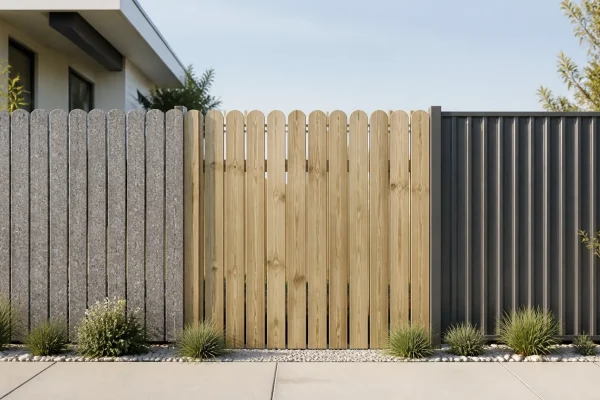
Builders are swapping out rotting timber and heavy concrete for recycled plastic wheel stops and durable survey pegs. These products are moisture-resistant, termite-proof, and significantly lighter to transport and install.
Retail & Merchandising
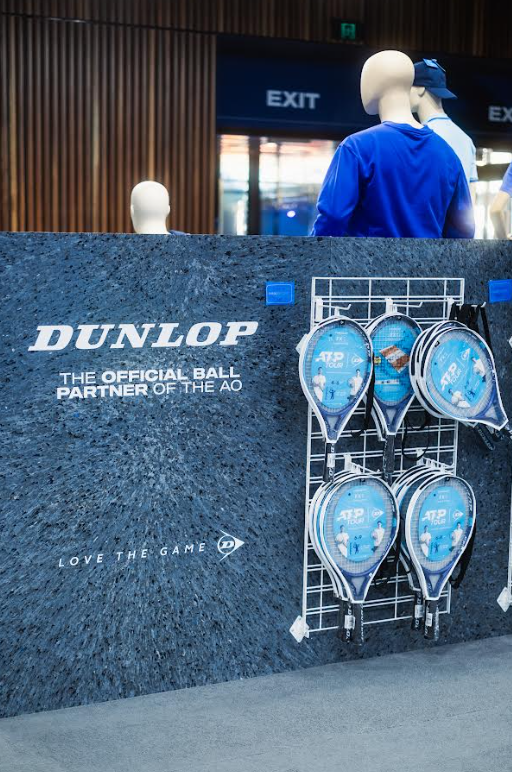
Brands are increasingly using our recycled plastic display boards for in-store fit-outs. Because the material is so durable and weather-resistant, it's perfect for both indoor shelving and outdoor crowd barrier fencing at events.
Lifestyle & Home
For the eco-conscious consumer, we’ve scaled our industrial processes down into everyday items. Our recycled plastic coasters and wine caddies are proof that recycled plastic can be a premium, tactile material that people actually want in their homes.
How to Vet a Recycled Plastic Manufacturer
If you’re looking to partner with recycled plastic manufacturers in Australia, don't be afraid to ask the tough questions. A truly circular partner should be able to answer these five things:
- Where is the waste sourced? (Is it 100% Australian, or is it imported?)
- What is the specific polymer? (Is it HDPE, LDPE, or a "mystery mix" that can't be recycled again later?)
- Do you have a take-back program? (When the product reaches the end of its life, can you recycle it again? At Resourceful Living, the answer is a resounding yes.)
- Can you provide impact data? (How much waste was diverted for this specific order?)
- Is the manufacturing done locally? (Supporting local jobs and reducing transport emissions.)
The Future is Local and Transparent
The conversation around recycling in Australia is maturing. We are moving past the "feel-good" phase of putting a bottle in a yellow bin and entering the "accountability" phase.
By choosing recycled plastic manufacturers in Australia who prioritise traceability, you aren't just buying a product; you’re investing in a system that protects our local environment, boosts our economy, and ensures that "waste" is a word of the past.
Ready to see the material for yourself? Grab a recycled plastic sample pack to feel the quality and see the vibrant, traceable colours we can achieve with 100% Australian waste.
Action Steps for Your Next Project:
- ✅ Audit your current materials: Could that plywood or virgin plastic be replaced with a recycled plastic panel?
- ✅ Ask for the origin: Demand traceability reports from your suppliers.
- ✅ Start small: Test the material with a smaller application, like house numbers or desk accessories, before scaling to a full fit-out.
- ✅ Close the loop: Ensure your manufacturer has a take-back scheme to ensure the plastic never sees a landfill again.
The shift is here. The question is: do you know where your plastic comes from?