Let’s be honest: the term "sustainable" has been thrown around so much lately that it’s starting to lose its teeth. In the world of construction and fit-outs, simply choosing a "recycled" material isn't enough anymore. By 2026, the industry has shifted its gaze toward circularity: not just what a product is made of, but where it goes when you’re done with it.
If you’re sourcing panels for a commercial project, a retail fit-out, or even civil roadworks, you’ve likely run into the same old problem: the "Linear Economy." You buy it, you use it, and eventually, it ends up in a skip bin.
Closed-loop take-back programs are here to kill that cycle. At Resourceful Living, we believe that if we make a product, we should be responsible for it forever. Here is why this approach is completely changing the game for Australian builders and designers.
The Death of the "Take-Make-Waste" Model
For decades, the construction industry has operated on a linear model. We extract raw materials, manufacture a product, use it until it’s scuffed or the lease is up, and then pay someone to haul it to a landfill. It’s expensive, it’s wasteful, and quite frankly, it’s outdated.
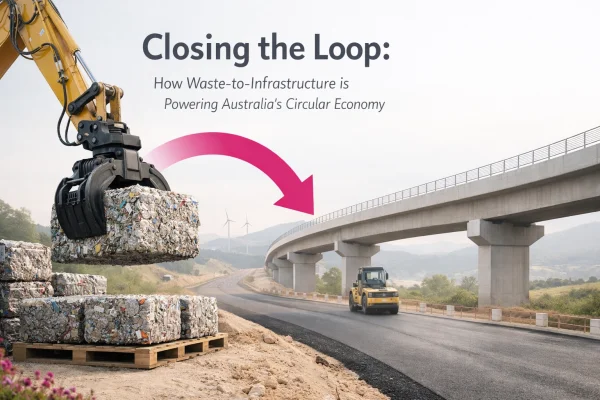
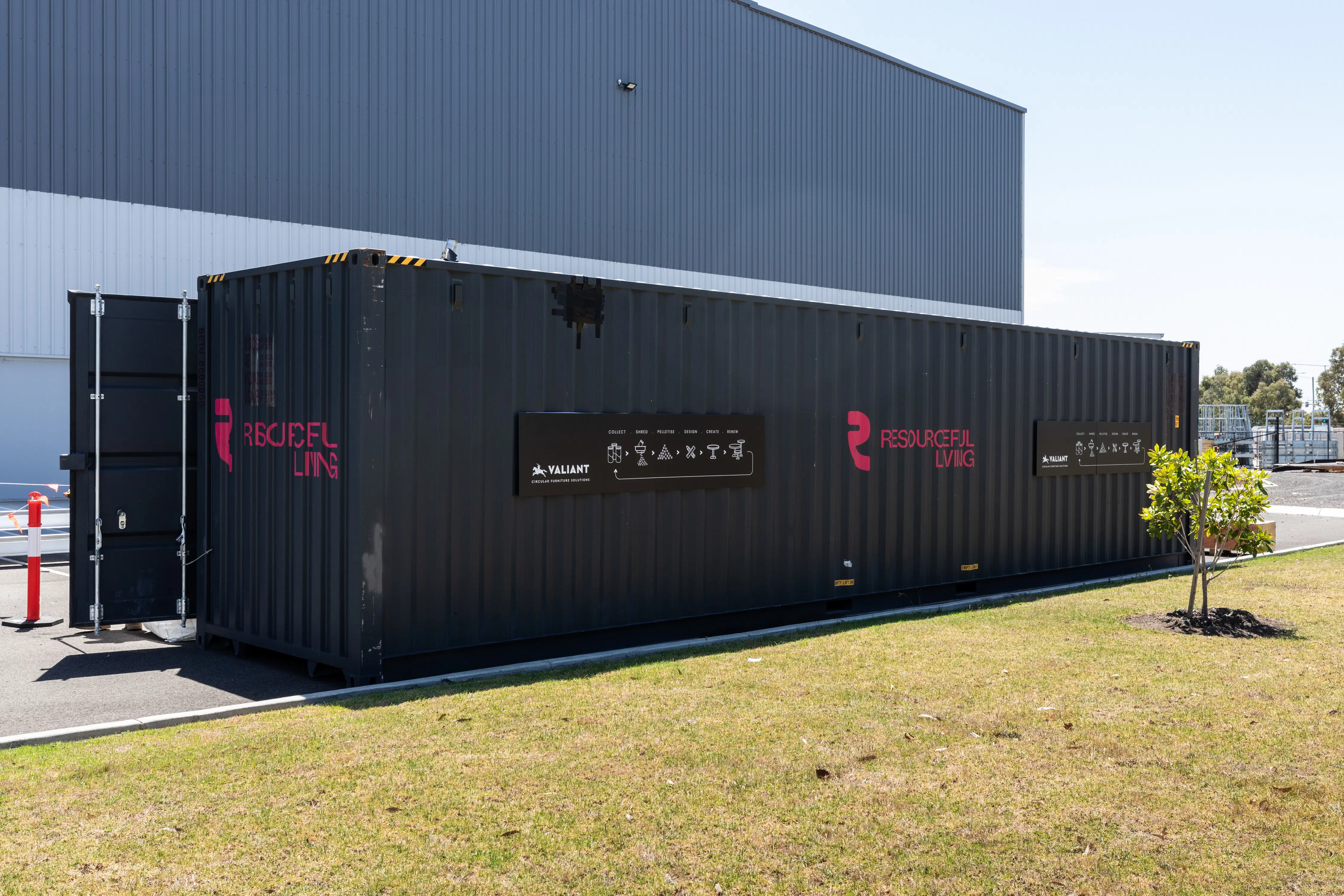
A closed-loop system flips the script. Instead of a finish line, there’s a circle. When a recycled plastic panel reaches the end of its life: whether that’s in five years or fifty: it comes back to the factory to be shredded, melted, and turned into a brand-new panel.
"True sustainability isn't found in a single purchase; it's found in a permanent partnership with the material itself."
This shift is partly driven by Australia’s new embodied carbon rules, which are forcing many of us to look deeper into the life cycle of our materials.
1. Radical Cost Savings on Disposal
Let’s talk about the bottom line first. Waste disposal is a massive overhead for any project. Landfill levies in Australia are continuing to climb, and "paying to throw things away" is a line item that every project manager wants to slash.
When you source panels from a manufacturer with a take-back program, you are essentially pre-paying for your waste management. At Resourceful Living, we collect our products free of charge at the end of their life for remanufacturing.
✅ No skip bin fees for our panels.
✅ No landfill levies.
✅ Lowered site-clearing costs.
By removing the financial burden of disposal, recycled plastic becomes significantly more cost-effective over its total life cycle compared to traditional materials like treated timber or marine plywood. If you're weighing up the options, check out our guide on recycled plastic board vs. marine plywood to see the long-term benefits.
2. Supply Chain Resilience in a Volatile World
The last few years have taught us that global supply chains are fragile. Depending on virgin plastic resins or imported timber can lead to massive delays and price hikes.
A closed-loop program creates material security. By reclaiming our own panels, we create a self-sustaining "urban mine" of high-quality Australian plastic. This means:
- Price stability: We aren't as vulnerable to the fluctuating costs of virgin oil-based plastics.
- Predictable lead times: Our raw material is already here, in Australia, ready to be repurposed.
- Traceability: We know exactly what is in our panels because we made them the first time around.
3. Meeting ESG and NABERS Requirements
If you’re working on a tier-one construction project or a government tender, ESG (Environmental, Social, and Governance) reporting is likely your biggest headache right now. Stakeholders want to see more than just a "green" sticker; they want data.
Sourcing from a closed-loop program provides a "gold standard" for your ESG metrics. It demonstrates a commitment to circular procurement, which is far more impactful than simply using a product with 10% recycled content.
For those looking to boost their building's performance, you can actually integrate low-carbon recycled plastic panels with your NABERS rating to gain a competitive edge in the leasing market.
How the Resourceful Living Take-Back Program Works
We’ve kept our process simple because we want people to actually use it. We aren't interested in making you jump through hoops to be sustainable.
- Project Completion: You use our 100% recycled plastic panels for your fit-out, furniture, or construction site.
- End of Life: When the project is decommissioned or the furniture needs replacing, you contact us.
- Collection: We collect the Resourceful Living products from your site free of charge.
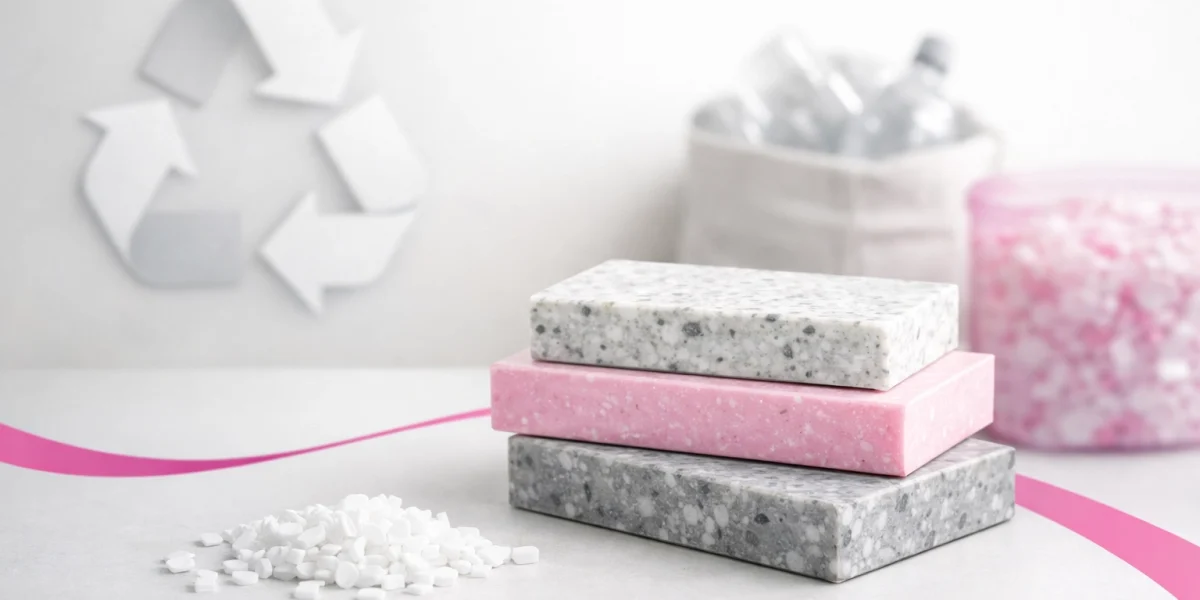
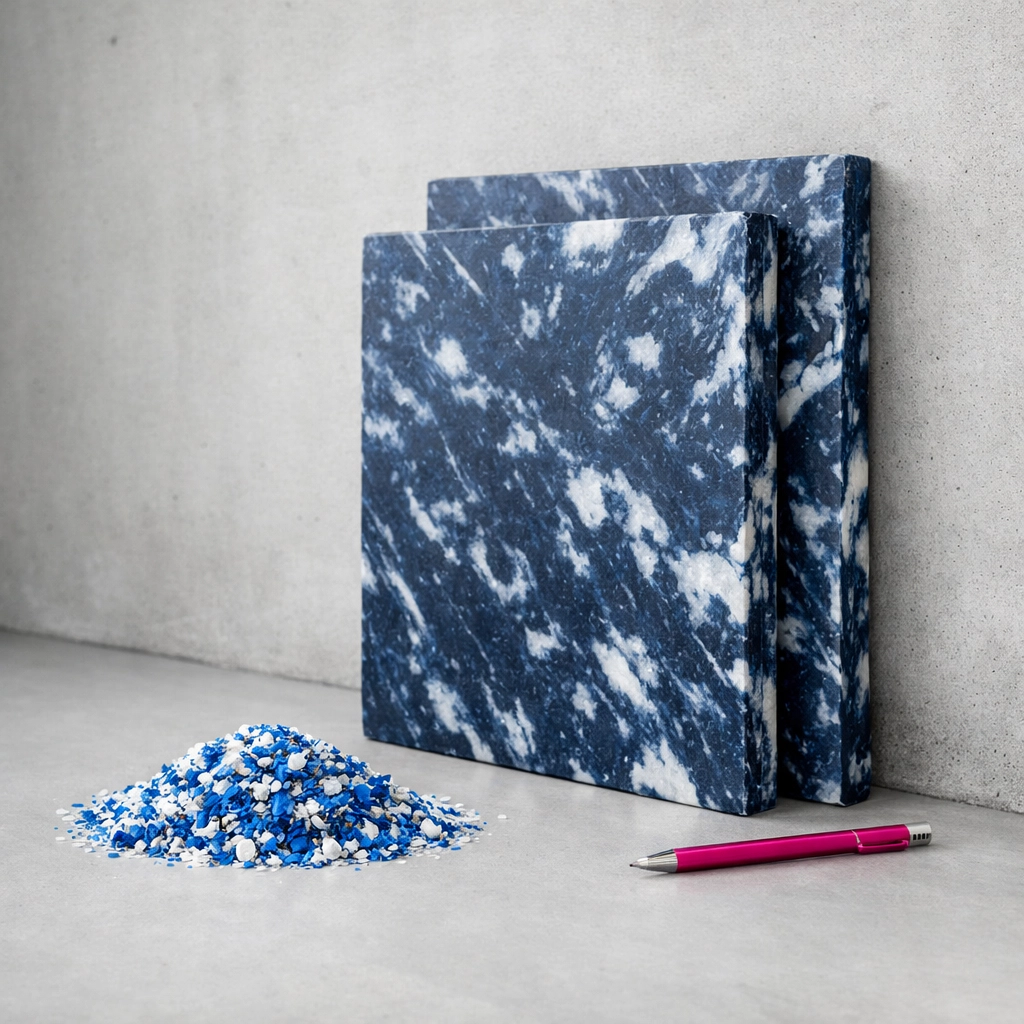
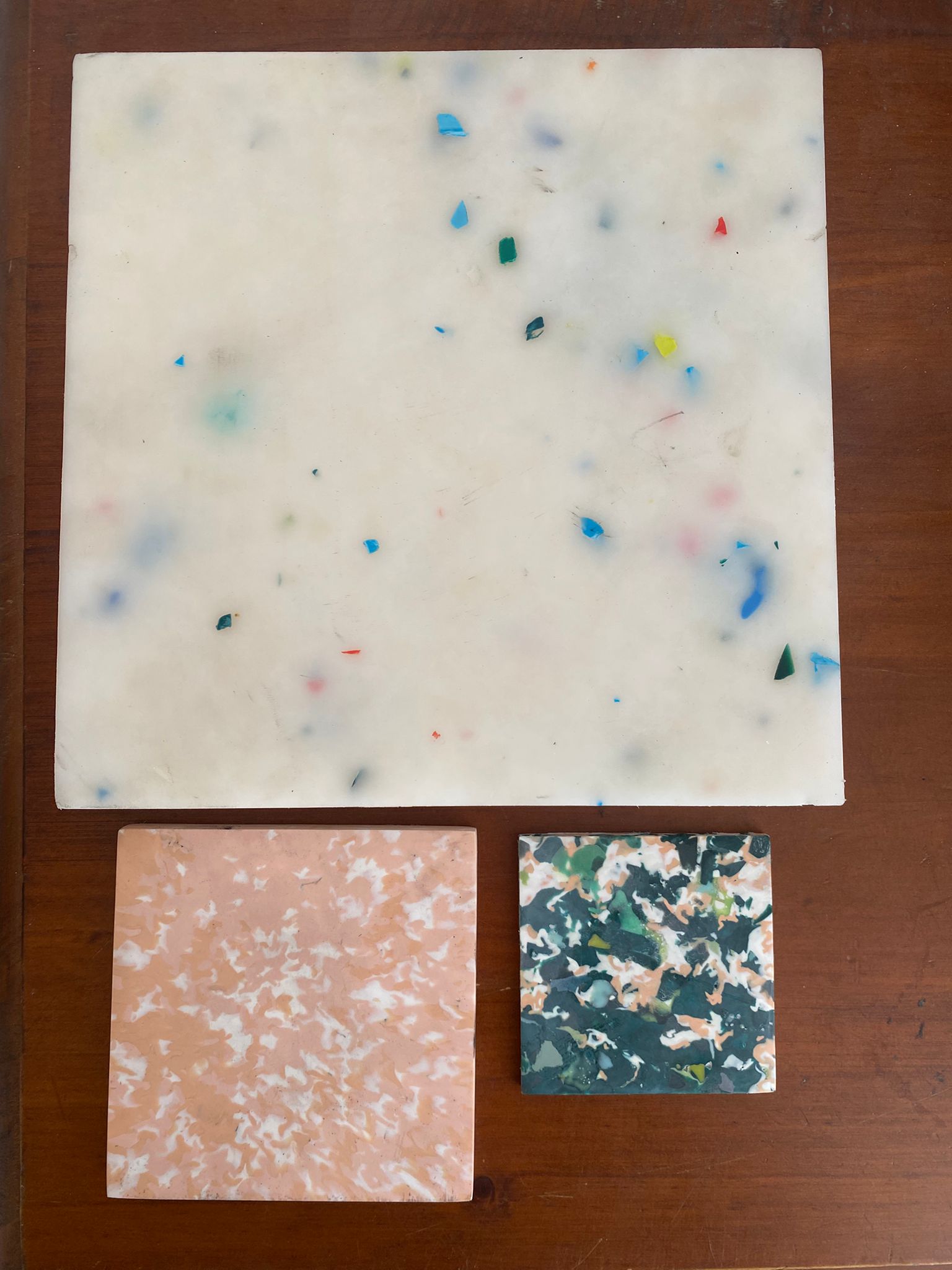
- Remanufacturing: The panels are returned to our facility, shredded into "confetti" flakes, and heat-pressed into brand-new sheets.
- The Loop Repeats: The material enters the market again, with zero loss in quality.
This process ensures that zero plastic from our manufacturing line ever hits a landfill. It’s a perfect loop that supports a cleaner Australia.
Circularity vs. Traditional Recycling
It is important to understand the difference between "downcycling" and "circularity."
Most traditional recycling is actually downcycling. A high-quality plastic bottle might be turned into a low-quality park bench, which eventually cannot be recycled again and ends up in the bin.
Closed-loop circularity aims for "upcycling" or "horizontal recycling." Our panels are designed to be recycled back into the same high-quality panels over and over again. This keeps the material's value high and its environmental footprint low. If you're curious about how to measure your own impact, we've put together a template for Australian businesses to conduct a plastic waste audit.
4. Brand Reputation and Consumer Trust
In 2026, consumers are savvy. They can spot "greenwashing" from a mile away. Whether you are a retail brand or a property developer, being able to tell your clients that your interior fit-out is 100% circular is a powerful marketing tool.
Imagine a retail display where, at the end of the season, the shelving isn't thrown into a compactor behind the shopping centre. Instead, it’s sent back to the manufacturer to become next season’s displays. That is a story that resonates with the modern Australian consumer.
"People don't just buy products anymore; they buy the values of the companies that make them."
Is Your Next Project Ready for the Loop?
The transition to circular material sourcing isn't just an "eco-friendly" choice: it’s a smart business move. By choosing panels with a take-back program, you are:
- Protecting yourself against rising waste costs.
- Simplifying your ESG reporting.
- Future-proofing your project against tightening environmental regulations.
- Supporting local Australian manufacturing.
If you’re ready to ditch the linear model and see what a closed-loop partnership looks like, we’re here to help. You might want to start by looking at our 5 steps to choose sustainable construction materials to get your site waste under control.
Quick Checklist for Circular Sourcing:
- Does the manufacturer offer a written guarantee to take back the material?
- Is there a cost associated with the take-back (at Resourceful Living, it's free)?
- Is the material 100% recyclable, or is it a composite (like WPC) that is hard to process?
- Is the recycling done locally in Australia, or is the waste shipped overseas?
- Can the manufacturer provide data on the embodied carbon of the material?
The "waste" of today is the raw material of tomorrow. Let’s stop throwing it away. 🔄♻️