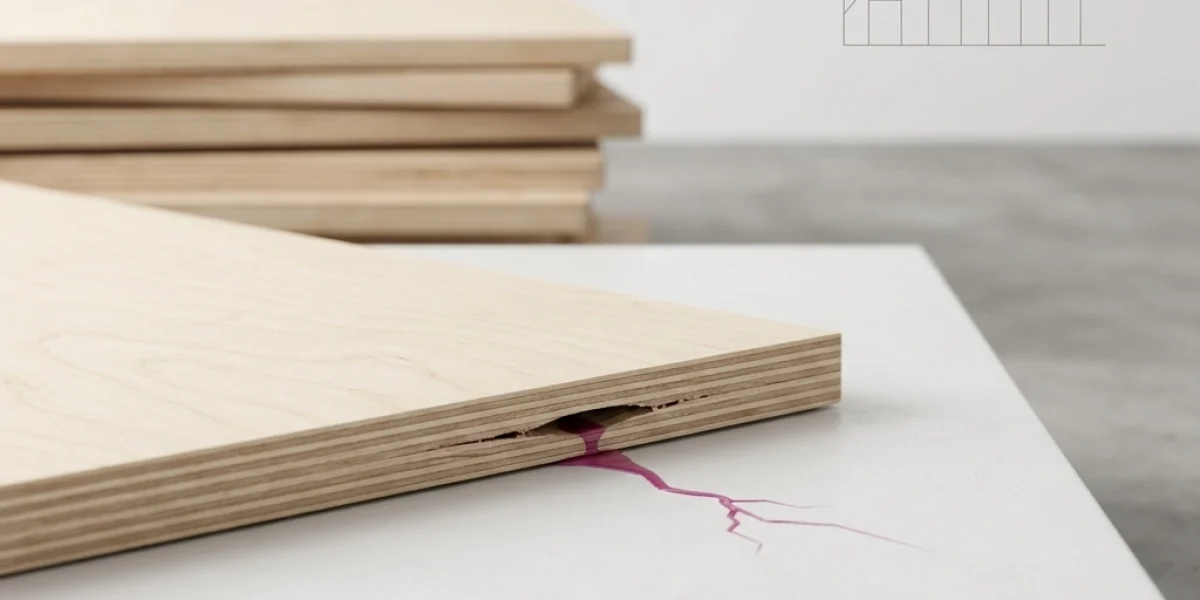
Let’s be honest. When you’re looking at a quote for a fit-out or a large-scale construction project, that line item for marine plywood or formply looks tempting. It’s "cheap". It’s familiar. And on the invoice, it seems like the safe bet for your margins.
But if you’re a builder or a project manager in 2026, you’re likely realising that the upfront cost of a material is the biggest lie in the industry.
In reality, that "cheap" plywood is acting like a slow leak in your business. It’s bleeding your profit through maintenance, rework, callbacks, and inevitable replacement. If you look at the Total Cost of Ownership (TCO) over the life of a project, choosing traditional timber over high-performance recycled plastic is costing you up to 500% more than it should.
By switching to Resourceful Living’s 100% recycled rHDPE sheets, you aren’t just being "green", you’re making a cold, hard financial decision that can save your business 80% in long-term costs.
Here is the breakdown of why your current material choices are hurting your bottom line and how to fix it.
1. The 20/80 Rule: Why the Invoice is a Distraction
In most construction projects, the raw material cost accounts for less than 20% of the total job cost. The other 80%? That’s where the real money lives: Labour, overheads, logistics, and profit margins.
When you save 15% on a "bargain" sheet of plywood, you might save a few hundred dollars on the invoice. But if that material is warped, requires extra sanding, or blows out on the edges when you’re routing it, you’ve just increased your labour costs by 20%.
The Math Doesn’t Add Up:
- Quality Recycled Sheet: Material: $180 | Labour: $200 | Total: $380
- Cheap Plywood: Material: $90 | Labour: $350 (due to sorting, filling, and sanding) | Total: $440
You "saved" $90 on the sheet but burned $150 in labour. Plus, you’ve increased your waste rate because you’re dodging knots and voids in the core. That isn't saving money; that’s a bad business move.

2. The Maintenance Trap: OPEX vs. CAPEX
If you’re building for councils, mining sites, or coastal developers, you know that maintenance is the silent profit killer.
Timber, no matter how many times it’s treated or painted, has a shelf life. It rots. It delaminates. It attracts termites. It swells when the humidity hits 90% in Queensland. Every time a client calls you back because a benchtop has warped or a garden sleeper has rotted out, that’s money coming directly out of your pocket.
"A callback isn't just a repair. It's unpaid labour, travel time, material waste, and, most importantly, it’s the death of your reputation for quality."
Our recycled plastic sheets are 100% waterproof. They don’t just resist water; they are chemically incapable of absorbing it.
- Zero painting.
- Zero oiling.
- Zero rot.
- Zero termites.
When you specify a material with a 50+ year lifespan, you are moving your client’s budget from an ongoing Operating Expense (OPEX) to a one-time Capital Expense (CAPEX). This is a massive selling point for winning government tenders, where long-term asset management is the priority.
3. The 80% Saving: A 10-Year ROI Comparison
Let’s look at a real-world scenario: Coastal Boardwalk Edging or Public Infrastructure.
| Feature | Marine Plywood / Timber | Resourceful Living rHDPE |
|---|---|---|
| Initial Purchase | $ (Low) | $$ (Moderate) |
| Installation Labour | High (Cutting, Sealing, Painting) | Low (No sealing required) |
| Year 3 Maintenance | Sanding & Re-painting | $0 |
| Year 6 Maintenance | Partial Replacement (Rot) | $0 |
| Year 10 Status | Full Replacement Required | As good as day one |
| Total 10-Year Cost | 5x Initial Investment | 1x Initial Investment |
When you factor in the rising cost of labour and the logistical nightmare of sending a crew to a remote or coastal site to fix rotting timber, the 80% cost saving becomes obvious. You can read a deeper dive into these numbers in our guide on the ROI of recycled plastic.

(Visual Description: A side-by-side comparison chart showing the degradation of timber vs. the stability of rHDPE over a 10-year period in a harsh Australian climate.)
4. Technical Superiority: Why rHDPE Wins
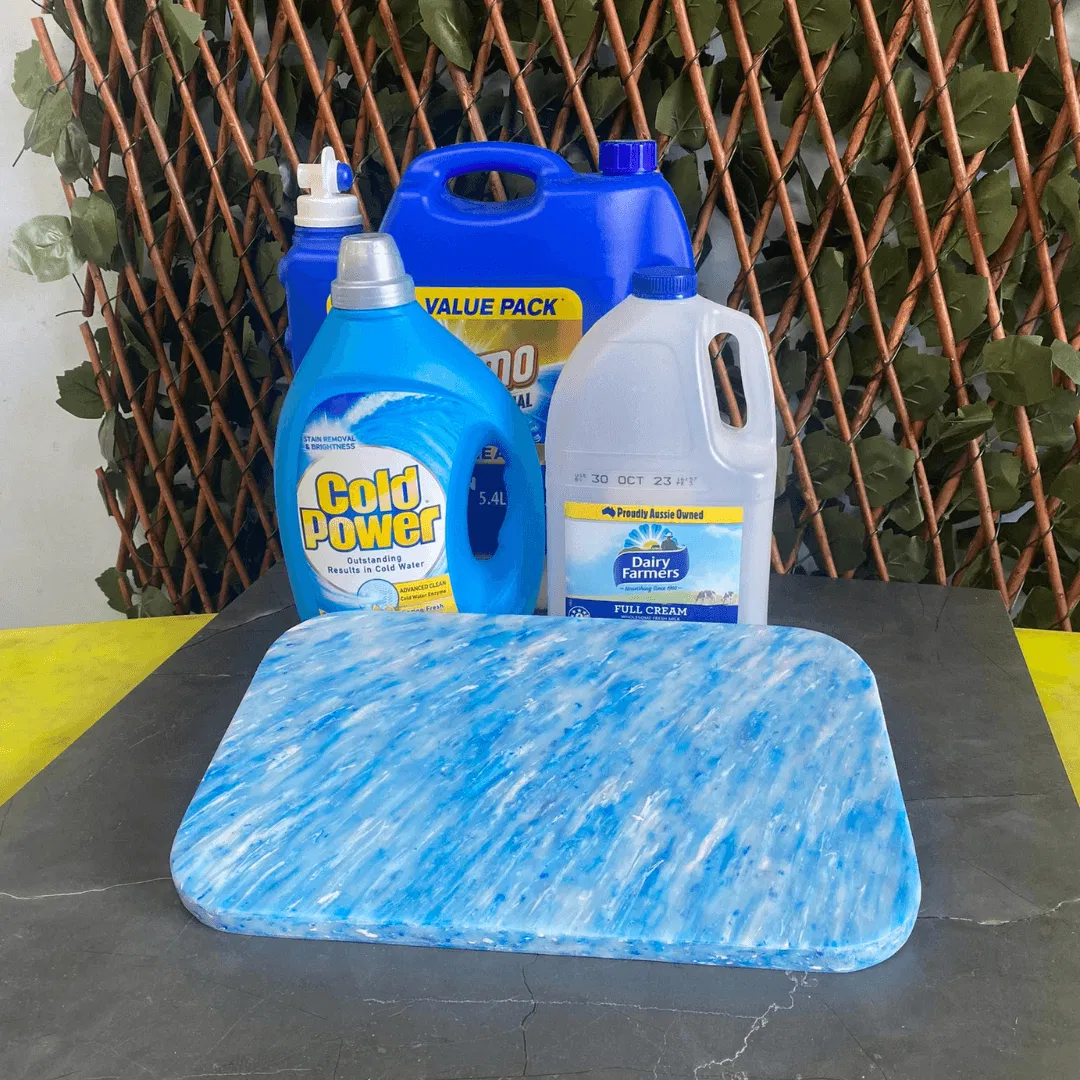
We aren't just talking about "plastic boards." We are talking about engineered, high-density polyethylene (HDPE) that is locally manufactured right here in Australia.
100% Waterproof & Chemical Resistant
Traditional plywood acts like a sponge. Even "marine grade" relies on the glue and the surface coating to survive. Once that coating is scratched or a screw hole isn’t sealed perfectly, the core begins to swell. rHDPE is solid throughout. You can submerge it in salt water for fifty years and it won't change dimension by a single millimetre.
UV Stabilised for the Australian Sun
Our sheets are designed for the harsh Australian UV index. Unlike "cheap" imported plastics that turn brittle and chalky within two years, our material is stabilised to ensure structural integrity for decades.
Workability
If you can work with timber, you can work with our recycled sheets. You use the same CNC machines, the same table saws, and the same drills. The difference? No splinters, no dust masks for formaldehyde, and 100% consistent density. No more "surprise" voids in the middle of a cut.
5. Future-Proofing for 2026 Compliance
If the financial savings aren't enough to move the needle, the regulatory environment will. With Australia’s 2026 plastic bans and new Embodied Carbon Reporting mandates, builders who stick to traditional, high-emissions materials are going to find themselves locked out of the best projects.
By using Resourceful Living materials, you are:
- Diverting local waste from landfill.
- Reducing your project's embodied carbon.
- Providing a "Circular Economy" solution (we take back off-cuts and old panels to recycle them again).
This isn't just "feel-good" marketing. Being a Pre-Qualified Supplier means we help you tick the boxes that procurement officers actually care about.

6. Stop Bleeding Margin. Start Specifying Better.
Every day you continue to use "cheap" plywood is another day you’re exposed to supply chain risks, rising maintenance costs, and the risk of callbacks.
The industry is shifting. The most profitable builders in Australia are already moving their asset maintenance budgets away from timber and toward durable, 100% recycled Australian plastic.
It’s time to stop thinking about what a sheet costs today, and start thinking about what it’s going to cost you in five years.
Ready to see the math for your next project?
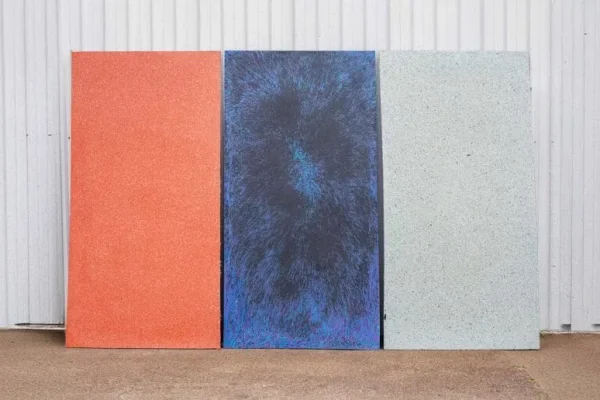
Don't let "cheap" materials kill your profit margins. Whether you need custom thicknesses from 8mm to 40mm or specific colour palettes for a bespoke fit-out, we’ve got the local stock and the manufacturing speed to keep your project on track.
[Enquire Now – Get a Quote for Your Next Project]
Let's build something that actually lasts.
Quick Checklist for Project Managers:
- Does the project involve high moisture or coastal exposure?
- Is the client looking for a "Zero Maintenance" solution?
- Are there recycled-content targets in the tender?
- Is the "cheap" plywood option actually costing more in labour and rework?
If you ticked any of those boxes, you need to talk to us.
Resourceful Living: Australian Waste. Australian Made. Better Bottom Line.