It’s 2026, and the "wild west" of the Australian recycled materials market is finally settling down. If you’re a builder, designer, or procurement officer, you’ve likely noticed the shift: it’s no longer enough to just tick a "sustainable" box. You now need hard data, verified origins, and a material that won't fall apart when the first heatwave hits.
Finding recycled plastic sheets in Australia used to be a gamble. You’d often end up with imported boards of questionable origin or composite "recycled" products that were impossible to recycle again at the end of their life.
Today, the game has changed. With the 2025 National Traceability Framework now in full swing, sourcing locally manufactured, 100% traceable panels is the only way to safeguard your project against greenwashing risks and meet strict NABERS embodied carbon ratings.
Here’s your definitive 2026 guide to sourcing the best recycled plastic sheets in the country.
1. Why Traceability is Your Most Important Metric
In 2026, "recycled" is a vague term. "Traceable" is a legal shield.
When you source recycled plastic sheets in Australia, you aren't just buying a building material; you’re buying a verified environmental outcome. Without traceability, you can’t prove to your stakeholders (or the ACCC) that your material isn't just virgin plastic with a "green" label or waste shipped halfway across the world.
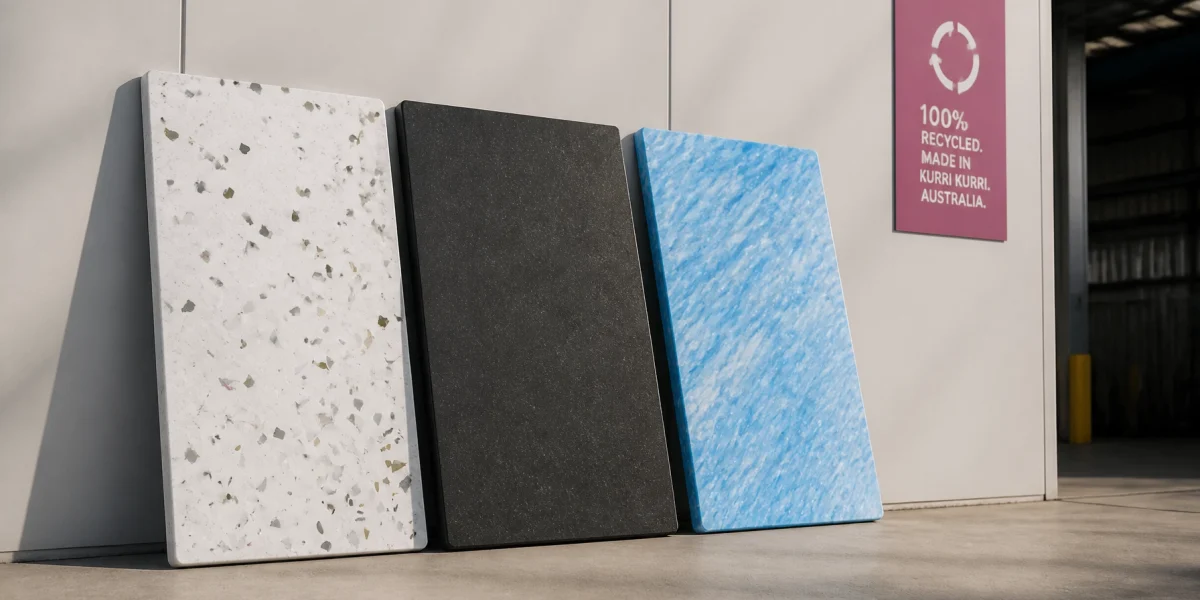
At Resourceful Living, we’ve built our entire model around 100% Australian waste. Every panel we produce comes with a material declaration. You’ll know exactly what’s in it: whether it’s post-industrial offcuts or post-consumer milk bottles: and exactly where it was processed.
"Traceability isn't just about a sticker on a crate; it’s about a documented journey from waste bin to building site. If your supplier can’t provide a material declaration, you’re opening yourself up to greenwashing risks that could tank your next tender." : Jess Hodge, Resourceful Living
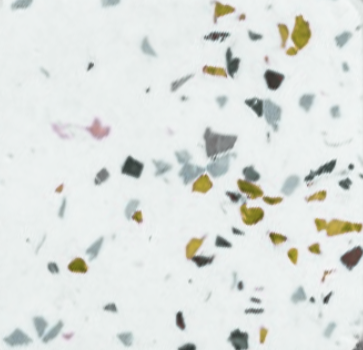
2. The Kurri Kurri Facility: Local Sourcing at Scale
Lead times have long been the Achilles' heel of the sustainable construction industry. Waiting 12 weeks for an overseas shipment of "eco-boards" isn't an option when you’re on a tight site schedule.
This is why our Kurri Kurri facility in NSW is a game-changer for the Australian market. We’ve optimized our manufacturing to a 7-day cycle, operating 24/7 to ensure consistency and speed.
What the 7-Day Cycle Means for You:
- 1 Tonne Per Day: We transform 1,000kg of Australian plastic waste into functional panels every 24 hours.
- Reduced Lead Times: No international shipping delays or customs headaches. Your materials are made and shipped within days, not months.
- Scalability: Whether you need three sheets for a retail fit-out or 300 for a council erosion project, our facility is built to scale with your demand.
- Consistent Quality: Continuous manufacturing allows us to maintain precise control over heat and pressure, resulting in a solid, high-performance block of plastic every time.
3. Technical Specifications: Performance That Outlasts Timber
We often get asked: "Is it as strong as plywood?" The short answer is: It’s better.
Traditional materials like timber and marine plywood are prone to rot, warping, and termite damage, especially in harsh Australian coastal environments. Our recycled plastic sheets are engineered for durability.
| Feature | Resourceful Living Recycled Sheets | Traditional Marine Plywood |
|---|---|---|
| Moisture Resistance | 100% Waterproof (Zero Swelling) | High (but eventually rots) |
| Maintenance | Zero Maintenance Required | Requires Sealing/Painting |
| UV Stability | High (Tested for AU Sun) | Low (Prone to bleaching/cracking) |
| End of Life | 100% Recyclable (Take-Back Program) | Landfill |
| Chemical Resistance | High | Low |
Our standard sheets are 2400mm x 1200mm, with thicknesses ranging from 3mm up to 40mm. Because they are solid blocks of 100% recycled plastic (no additives, no veneers), they can be cut, drilled, and routed using standard woodworking tools.

4. Solving the 2026 ESG Reporting Headache
If you're working on a Tier 1 construction project or a government tender, you’re likely facing new circular construction procurement rules.
ESG (Environmental, Social, and Governance) reporting now requires hard data. To hit your targets, you need to know the embodied carbon of your materials.
Because we manage the end-to-end recycling process: from collection to shredding to pressing: we provide the specific metrics you need:
- Weight of plastic diverted from Australian landfills.
- Polymer type (e.g., HDPE or LDPE).
- CO2e savings report specific to your batch.
This level of detail is essential for earning points in Green Star v1.1 ratings and meeting the new 2026 sustainability standards.

5. Closing the Loop: The Take-Back Program
A product isn't truly sustainable if it ends up in a skip bin at the end of its life. Most "recycled" materials on the market today are actually hybrids (like wood-plastic composites) that are impossible to recycle again.
Our sheets are different. They are 100% recyclable.
When your project is decommissioned: whether that’s in 5 years for a retail display or 50 years for a structural noise barrier: we will take the material back. We simply grind it down and turn it into the next generation of panels. This is the definition of a closed-loop system, and it’s the only way to achieve true circularity in the built environment.
How to Get Started with Your 2026 Project
Sourcing the right material is about asking the right questions. Before you sign off on your next material order, vet your supplier with these three checkpoints:
- Check 1: Can they provide a material declaration showing the Australian source of the waste?
- Check 2: Is the product 100% plastic, or is it a composite that will end up in a landfill?
- Check 3: Do they have a formal take-back program for end-of-life materials?
Ready to upgrade your project with materials that actually perform? Whether you need samples for a fit-out or you’re ready to specify materials for a major infrastructure project, we’re here to help.
Explore our range of 100% Traceable Recycled Plastic Panels here or contact our Kurri Kurri team to discuss your custom manufacturing requirements.