If you're sourcing materials in the Australian built environment in 2026, you've likely noticed a massive shift in how projects are awarded. We’ve moved beyond the "vague sustainability" era. Today, the conversation is about verified traceability, embodied carbon data, and circularity.
Whether you're working on a multi-million dollar construction project or a high-end retail fit-out, your choice of recycled plastic sheets in Australia is no longer just about aesthetics. It’s about compliance. With the Environmentally Sustainable Procurement (ESP) Policy now fully active for construction and FF&E (Furniture, Fittings, and Equipment) contracts, "greenwashing" is a legal and financial risk you can't afford.
This guide breaks down exactly how to source high-quality, 100% traceable recycled plastic panels that satisfy 2026's strict procurement rules while supporting the local Australian economy.
Why Traceability is the New Gold Standard in 2026
In 2026, "recycled" isn't enough. To meet Green Star v1.1 or NABERS standards, you need to know exactly where your material came from. Traceability is the ability to track the journey of plastic waste from the bin to the final board.
Without a clear chain of custody, you risk using materials that contain "mystery" additives, unverified fillers, or worse: imported virgin plastic masked as recycled content. At Resourceful Living, we manage the entire loop. We collect Australian post-industrial and post-consumer waste, shred it, and manufacture it in-house. This allows us to provide a material declaration that proves your project is using 100% Australian waste.
"The shift we're seeing in 2026 isn't just about being 'green.' It's about supply chain resilience. Using locally sourced, recycled Australian plastic means you aren't at the mercy of global shipping delays or volatile virgin resin prices." : Jess Hodge, Co-Founder of Resourceful Living.
The Hidden Risk of "Unknown" Recycled Plastic
Sourcing cheap, imported recycled sheets might seem like a budget win, but it often leads to long-term failure in the 2026 landscape:
- Greenwashing Penalties: The ACCC has significantly increased oversight on environmental claims. If you can't prove the recycled content percentage, you face massive reputational and legal risks.
- Material Inconsistency: Recycled plastic from unverified sources often varies in strength and UV stability. This can lead to warping or cracking in harsh Aussie conditions.
- No End-of-Life Plan: Most imported sheets end up in a landfill because there is no local infrastructure to take them back and re-process them.
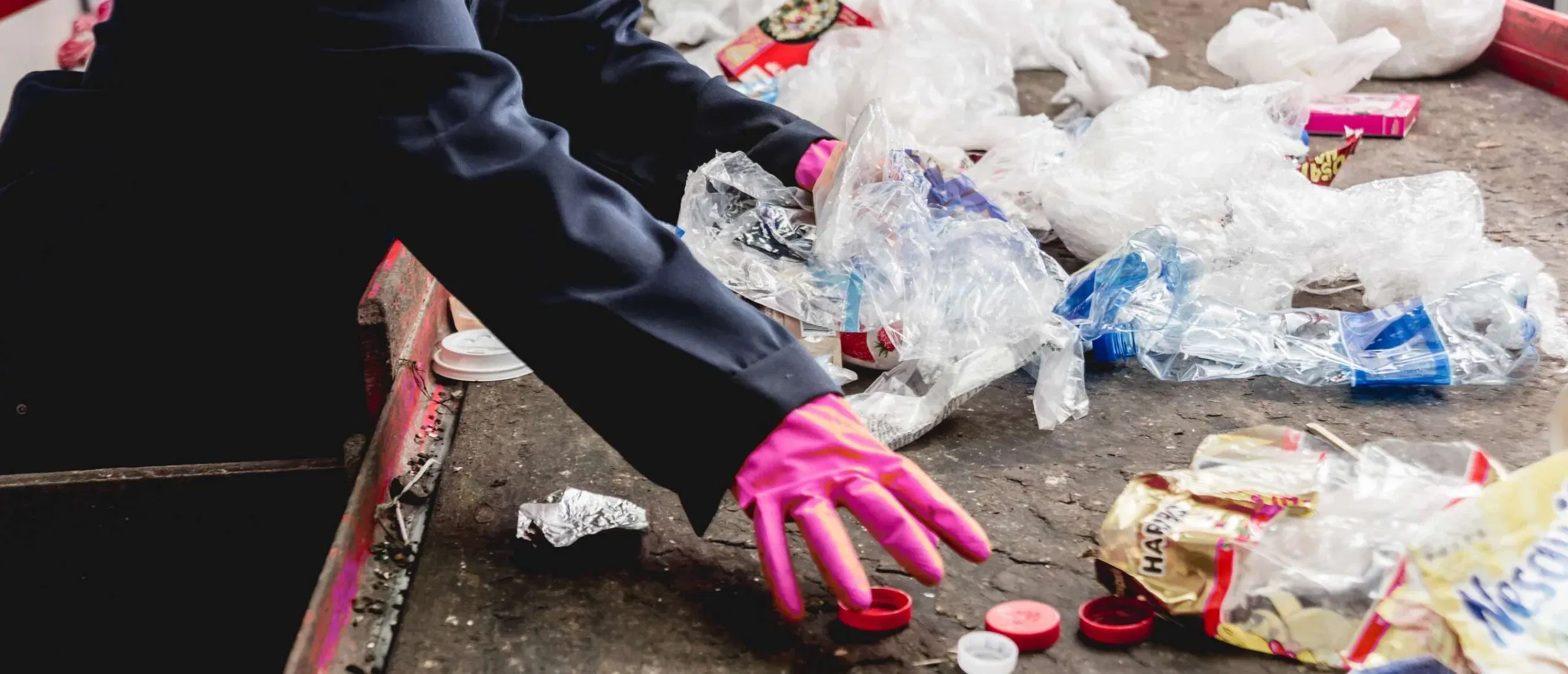
100% Australian Waste: Why It Wins for Local Tenders
When you specify materials for government or council tenders, "local content" is often a primary weighting factor. By choosing panels made from 100% Australian waste, you are directly helping local councils solve their waste management problems.
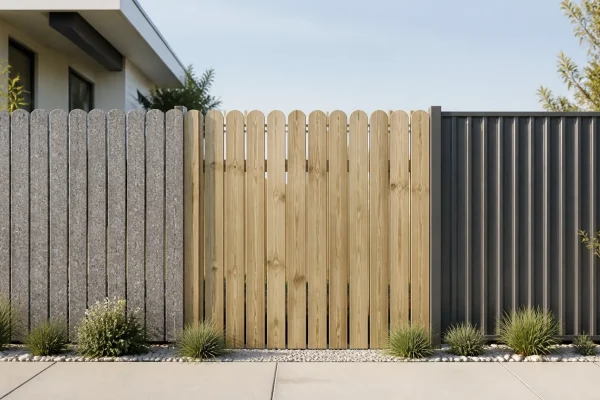
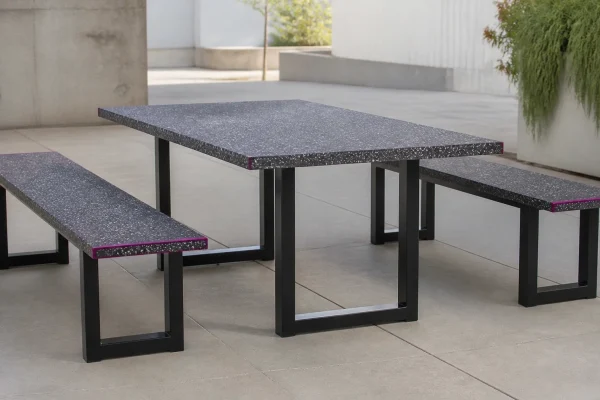
Our materials are made from locally collected HDPE (High-Density Polyethylene) and PP (Polypropylene). This means the milk bottles and shampoo containers used by Australian families are being transformed into the noise barriers, kitchen benchtops, and erosion control panels of tomorrow.
Meeting the ESP Policy Requirements
For projects over $7.5 million in construction or $1 million in FF&E, the ESP Policy requires a Supplier Environmental Sustainability Plan (SESP). Using Resourceful Living panels makes this easy. We provide the batch-specific CO2e reports and material data you need to hit your targets.

The Technical Specs: Sourcing for Scale
When swapping out traditional materials like marine plywood or MDF for recycled plastic sheets, consistency is key. Our panels are engineered to be industrial-grade, solid blocks of plastic with no veneers or additives.
| Feature | Specification | Why It Matters |
|---|---|---|
| Standard Size | 2400mm x 1200mm | Matches standard 8×4 sheet sizes for easy swap-out. |
| Thickness | 3mm to 40mm | Suitable for everything from 3mm wall linings to 40mm structural boards. |
| Material | 100% Recycled HDPE / PP | Superior moisture resistance compared to timber. |
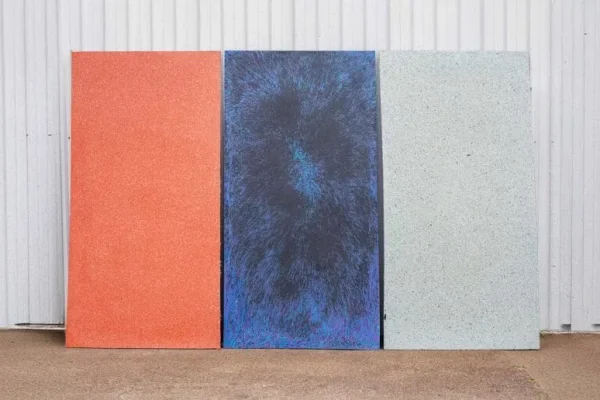
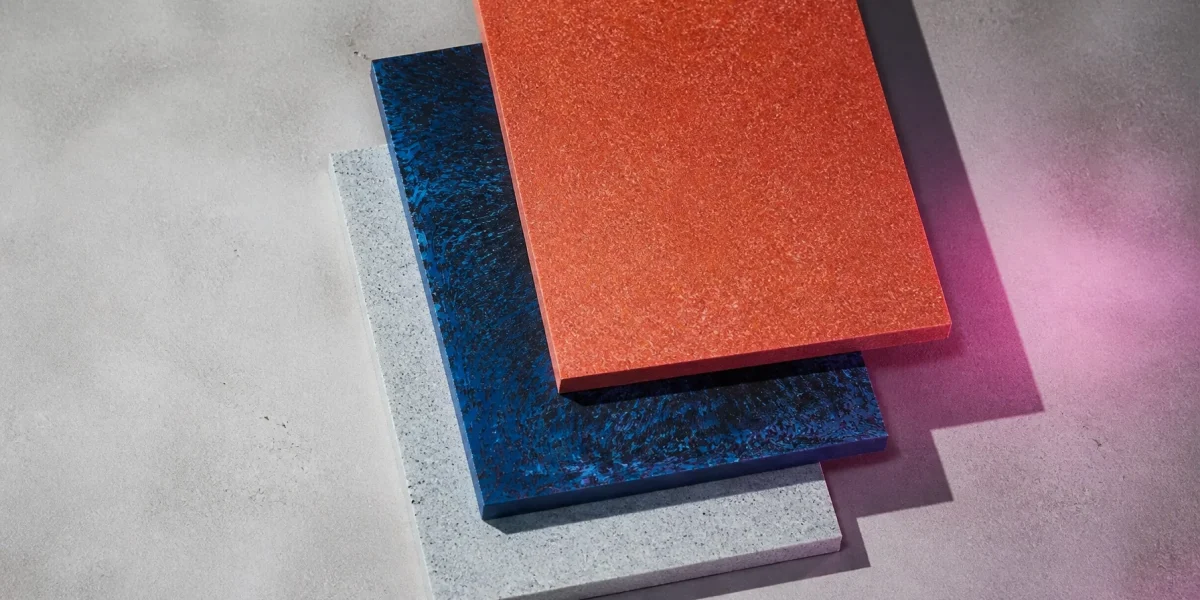
| Customisation | Custom sizes & 6 standard colours | Fast turnaround for specific project requirements. |
| Durability | UV stabilised & chemical resistant | Won't rot, rust, or require painting. |

Using these sheets can significantly boost your NABERS embodied carbon rating because they displace high-carbon alternatives like concrete or virgin plastic.
Circularity in Action: The Take-Back Program
In 2026, a truly sustainable product must have a "plan for after." If you buy a product that can't be recycled at its end-of-life, you are just delaying landfill.
Resourceful Living offers a free take-back program. At the end of a project’s lifecycle: whether that’s 10 years or 50: we will collect our products and re-shred them to create new sheets. This closed-loop system is exactly what modern circular construction requires.

Buyer’s Checklist: 5 Questions to Ask Your Supplier
Before you sign off on your next material order, use this checklist to ensure your supplier is actually 2026-compliant:
- ✅ Can you provide a Material Declaration showing the specific Australian waste source? If they can't name the region or the waste stream, it’s not traceable.
- ✅ Do you have a batch-specific CO2e savings report? You need this for your embodied carbon reporting.
- ✅ Is there a formal Take-Back Program for end-of-life materials? Don't get stuck with a disposal fee in 20 years.
- ✅ Is the material 100% recycled with no additives or veneers? Mixed materials are often impossible to recycle again.
- ✅ What is your manufacturing capacity and lead time? We manufacture 1 tonne of plastic per day to keep your project on schedule.
How to Get Started
Sourcing recycled plastic sheets in Australia doesn't have to be complicated. If you're comparing us to traditional materials, check out our recycled plastic vs. timber comparison to see the ROI benefits.
If you’re ready to specify 100% traceable Australian material for your next build:
- Step 1: Download our technical data sheets to ensure compliance with your project's engineering requirements.
- Step 2: Request a sample pack to see our standard colour range, including "N70 White Confetti" and "Navy Marble."
- Step 3: Contact us for a custom quote on bulk orders or specific thickness requirements.
At Resourceful Living, we’re not just making plastic boards; we’re building a system that proves Australia can handle its own waste responsibly. Let’s build something that lasts.