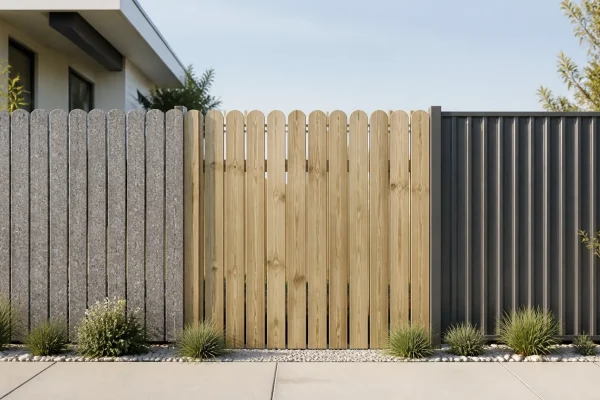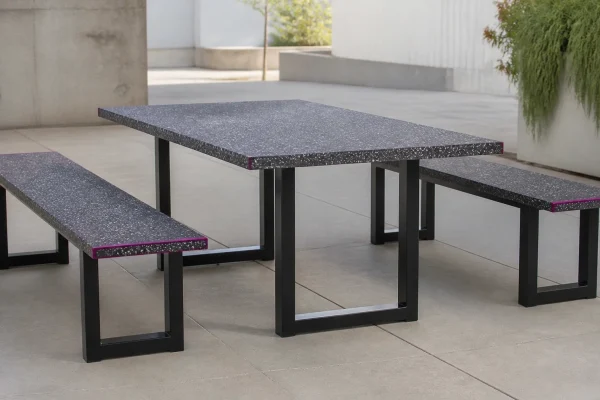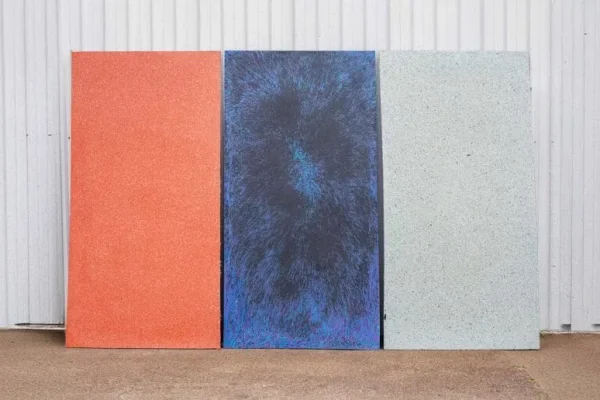
Let's talk about the lie we’ve all been told in the construction and fit-out industry. It usually happens during the procurement phase. You’re looking at a line item for site hoarding, outdoor furniture, or utility panels, and you see two prices. One is for traditional timber or plywood. The other is for recycled plastic sheets Australia-wide.
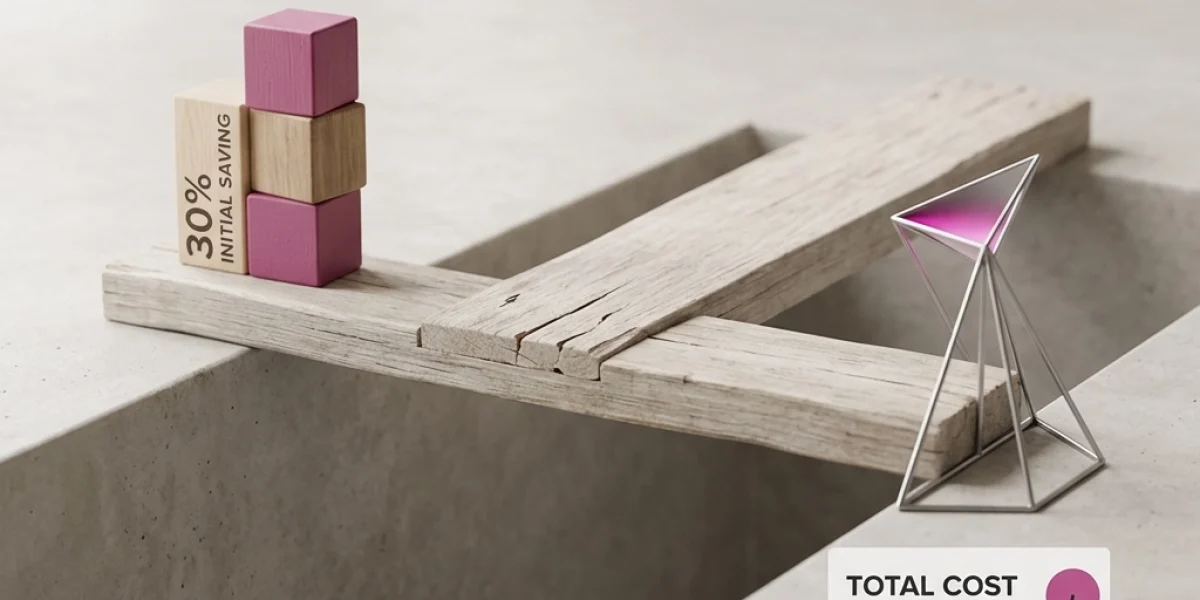
The timber is 30% cheaper. You’re under budget pressure, so you tick the timber box, pat yourself on the back for "saving" the company money, and move on.
Stop right there. You didn't just save money; you just signed up for a decade-long "maintenance tax" that will eventually cost your business 500% more than if you’d gone with the sustainable option. At Resourceful Living, we call this the Timber Trap.
It’s the illusion of affordability that ignores the brutal reality of Total Cost of Ownership (TCO). If you’re tired of burning through your OpEx budget to fix decisions made by your CapEx budget, this is for you.
The Illusion of the Upfront Saving
In a standard recycled plastic vs timber comparison, timber almost always wins on day one. It’s a commodity material with a massive global supply chain. But that "savings" of 30% is a debt you’re taking out against the future of the project.
When you specify timber, you aren't just buying wood. You’re buying a material that is biologically programmed to fail. It rots. It warps. It splinters. In the harsh Australian sun: where UV levels regularly hit "Extreme" for six months of the year: timber starts to degrade the moment it leaves the warehouse.

The "Annual Maintenance Tax" Nobody Accounts For
Here is where the 500% cost increase starts to creep in. To keep timber looking semi-decent and structurally sound, you have to maintain it.
Think about the typical cycle for a commercial project or a council park:
- Year 1: Installation looks great.
- Year 2: The first signs of silvering and minor cracking.
- Year 3: Time for the first round of sanding, oiling, or staining.
- Year 4: Spot replacements for warped boards.
- Year 5: Major structural check. More oiling.
By the time you hit year five, the labour costs alone have usually surpassed the initial purchase price of the material. When you factor in the cost of high-quality oils, stains, and the specialised labour required to apply them, the ROI of timber starts to tank.
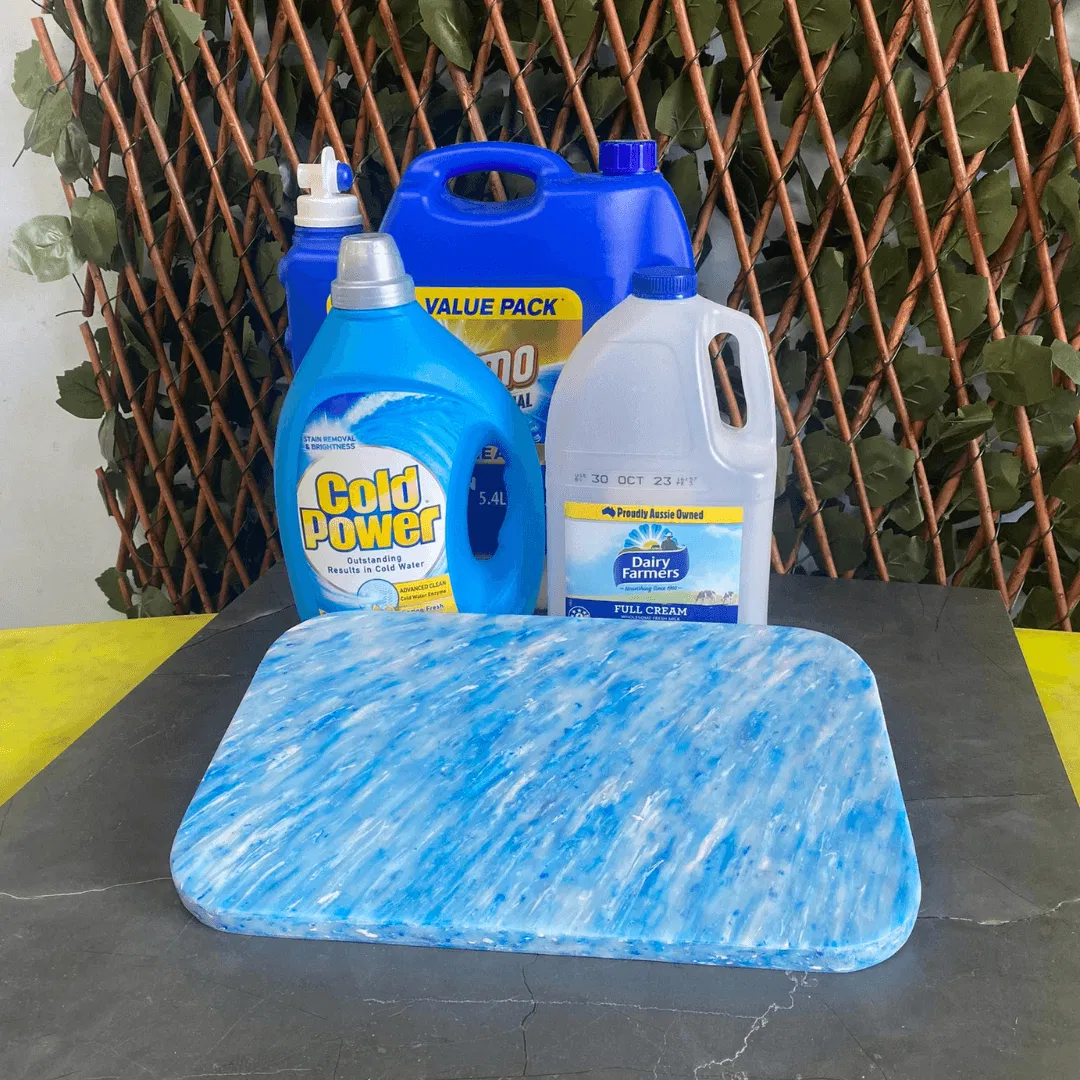
In contrast, our 100% recycled HDPE panels require zero oiling, zero staining, and zero sanding. You wash them with a hose if they get muddy. That’s it. You can see how this changes the game in our 2026 Price Guide.

6 Replacements vs. 0: The Longevity Gap
Let’s look at the lifecycle data. In heavy-use or high-moisture environments: think mining sites, coastal boardwalks, or busy commercial kitchens: standard plywood or treated pine has a functional life of about 3 to 7 years before it becomes a safety hazard or an eyesore.
Over a 50-year infrastructure lifecycle, you are looking at 6 full replacements for timber.
- 6 sets of procurement costs.
- 6 sets of installation labour.
- 6 rounds of disposal fees (which are skyrocketing).
Meanwhile, recycled plastic sheets manufactured here in Australia are virtually indestructible in those same conditions. They don't absorb water, they are resistant to most chemicals, and they don't host mould or termites. In most cases, the structural life of rHDPE exceeds 50 years with zero replacements required.
When you stop buying a product six times and start buying it once, that's not just "sustainability": it's high-level fiscal responsibility.
The Math: Calculating the 10.7-Year Payback Period
I know what you're thinking: "Jess, I still have to justify the higher upfront cost to my CFO."
We’ve done the numbers for you. Based on current Australian labour rates and material costs, the payback period for switching from timber to rHDPE is approximately 10.7 years.
After year 11, every single cent you would have spent on oiling, sanding, and replacing that timber stays in your pocket. By year 20, the rHDPE is effectively "paying" you to exist. This is why the ROI of circularity is the strongest argument you have in a boardroom.
"The biggest mistake project managers make is treating material selection as a one-time expense rather than a multi-year liability. If it rots, it's a debt. If it's inert, it's an asset." : Resourceful Living Engineering Team

Escaping the Trap: The "If Not, Why Not" Strategy
So, how do you actually change the procurement habit? In 2026, government and major Tier-1 builders are moving toward "If Not, Why Not" procurement frameworks.
Essentially, this means the default choice is the sustainable, high-longevity material. If a contractor wants to use timber or concrete, they have to prove why the sustainable alternative wouldn't work.
You can master this shift by following our 5 steps to master 'If Not, Why Not' procurement. It’s the easiest way to win tenders while also ensuring you aren't leaving a maintenance nightmare for the next site manager.
Why 100% Traceable Australian Plastic Matters
It’s not enough to just buy "plastic." To avoid the 500% cost trap, you need material that won't fail. Some imported "recycled" boards are filled with additives or low-grade fillers that can become brittle under Australian UV.
At Resourceful Living, our panels are:
- 100% Australian Recycled Plastic: We know exactly where the waste comes from.
- UV Stabilised: Built for the local climate.
- Fully Circular: When the project is eventually decommissioned (in 50 years), we take the material back and recycle it again. No landfill fees. Ever.
Action Plan: Stop the Bleeding
If you have a project on the horizon, here is how you avoid the Timber Trap:
- Step 1: Audit your current maintenance spend. How much are you paying for "oiling and repairs" across your existing sites? That number will shock you.
- Step 2: Compare the 10-year TCO. Don't just look at the quote. Look at the lifecycle manufacturing data and the projected maintenance costs.
- Step 3: Specify rHDPE early. The earlier you get it into the design phase, the easier it is to justify. Check our Product Data Sheets for technical specs.
- Step 4: Use the ESG Leverage. Using our panels isn't just a cost-saving move; it’s a massive win for your embodied carbon reporting.

The Bottom Line
Timber is a beautiful, natural material, but for heavy-duty infrastructure and high-traffic commercial fit-outs, it is a financial liability.
Saving 30% today is a great way to meet a short-term KPI, but it's a terrible way to run a profitable, sustainable business. By choosing recycled plastic sheets in Australia, you’re killing the maintenance tax, eliminating the replacement cycle, and actually building for the future.
Ready to see the material for yourself? [Order your 2026 Sample Kit today] and feel the difference. Once you hold a solid 20mm rHDPE panel in your hands, you’ll realise why "cheap" timber is the most expensive mistake you can make.