When you’re looking at a project spreadsheet, the "Material Cost" column is usually the loudest. It’s the number that wins or loses the bid. For years, plywood has been the default winner in that column. At roughly $55 per square metre, it’s a comfortable, familiar choice.
But there is a hidden reality that most builders and asset managers only realise when the first signs of rot appear five years later. We call it The Timber Trap.
In the world of circular construction 2026, the focus has shifted from the "cheapest to buy" to the "cheapest to own." When you compare traditional timber to high-density recycled plastic, the math changes significantly. While recycled plastic sheets in Australia might cost roughly $75 per square metre upfront, they actually end up being 80% cheaper than timber over a 50-year lifecycle.
If you are still specifying plywood for high-moisture, high-traffic, or outdoor environments, you aren’t saving money: you’re just deferring a massive bill.
The Upfront Illusion: $55 vs $75
Let’s be honest: a $20 per square metre difference at the point of purchase feels like a lot. On a large-scale commercial fit-out or a municipal landscaping project, that "green premium" can look like a budget-breaker.
However, the upfront price is only about 20% of the total cost of any building material. The remaining 80% is comprised of installation, maintenance, repair, and eventually, disposal and replacement. When you choose plywood, you are opting into a recurring subscription model for maintenance that timber companies love, but your bottom line hates.

Decoding the "Timber Tax"
What is the Timber Tax? It’s the cumulative cost of keeping a biological material alive in an environment that wants to kill it. Timber is organic. It’s food for termites. It’s a sponge for moisture. It’s a victim of UV degradation.
To stop plywood from delaminating, warping, or rotting, you have to pay the tax. This includes:
- Labour: Sending a crew out every 12 to 18 months to sand and re-oil.
- Materials: High-quality exterior stains and sealants aren't cheap.
- Downtime: If you’re a retail space or a public park, maintenance means closing off areas, affecting your operations.
In contrast, our recycled plastic vs timber comparison shows that rHDPE (recycled High-Density Polyethylene) is biologically inert. It doesn’t need oil. It doesn’t need paint. It literally doesn’t care if it rains for a month straight.
The 10.7 Year Simple Payback
One of the most critical metrics for any facility manager or CFO is the payback period. When does the more expensive material become the smarter financial move?
Based on current Australian labour rates and material costs for timber maintenance, we see a 10.7-year simple payback on maintenance alone.
Think about that. By the time a timber structure reaches its 11th year, you have spent more on oiling and cleaning it than you would have spent if you had bought the "more expensive" recycled plastic on Day One. And here is the kicker: by year 11, the timber is likely reaching the end of its structural life, while the recycled plastic is only 20% through its expected lifespan.
For more on this, check out our guide on the ROI of recycled plastic vs timber.
Lifespan: 7-15 Years vs 50+ Years
The most significant drain on a project budget is the replacement cycle.
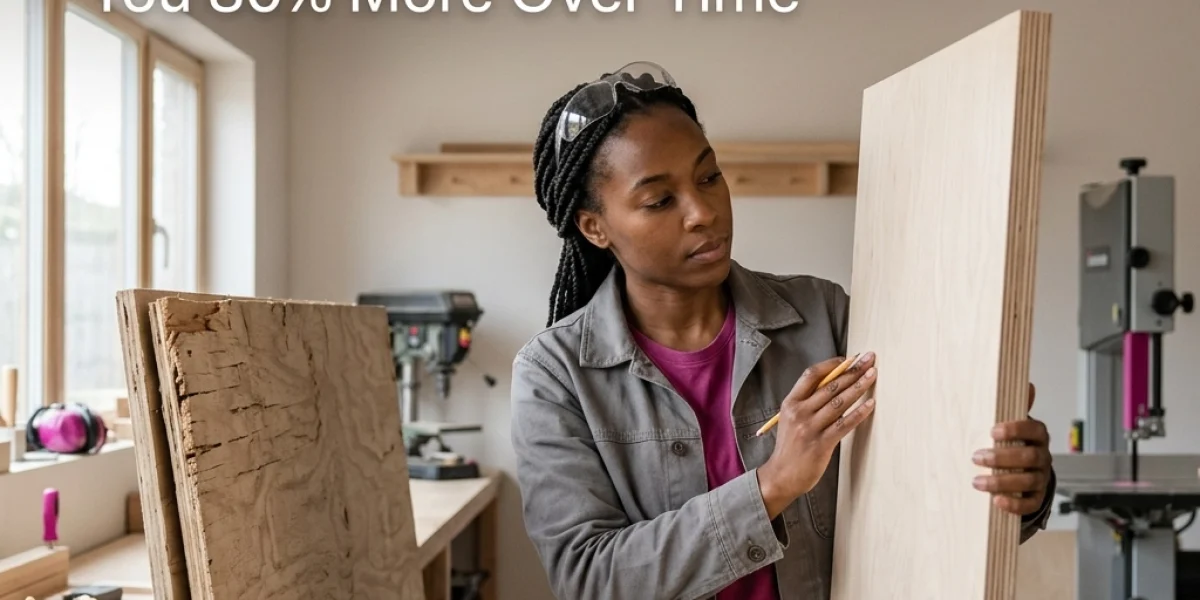
- Plywood: In outdoor or high-moisture environments (like public amenities or coastal boardwalks), you can expect a lifespan of 7 to 15 years, even with diligent maintenance.
- Recycled Plastic: Our panels are engineered to last 50+ years. They are UV-stabilized, waterproof, and termite-proof.
When you look at a 50-year horizon, a timber asset will need to be replaced at least three, potentially four times. Each replacement involves demolition, disposal fees (which are rising as landfill levies increase), new material costs, and new labour costs.
When you add it all up, recycled plastic is ~80% cheaper over that 50-year period. You aren't just buying a panel; you are buying a half-century of zero-worry infrastructure. This is why more mining and local councils are moving Opex to Capex with rHDPE.

Technical Superiority: Why It Outperforms
It’s not just about the money; it’s about performance. Sustainable building materials in Australia have to handle some of the harshest conditions on the planet. Timber often fails because it’s a natural material trying to survive in an unnatural application.
Our recycled plastic sheets offer:
- 100% Waterproofing: They can be submerged indefinitely without swelling or losing structural integrity. This makes them the ultimate "plywood killer" for wet-area fit-outs.
- Termite-Proof: There is zero cellulose in our sheets. Termites won't touch them, saving you thousands in chemical treatments and structural repairs.
- UV-Stabilized: We engineer our sheets specifically for the Australian sun, ensuring they won't become brittle or lose their colour after a few summers.
- Workability: You don’t need special tools. If you can work with timber, you can work with recycled plastic. It can be routed, CNC-machined, and screwed just like plywood.
If you’re unsure which thickness you need for your application, take a look at our Specifier’s Technical Guide.
Winning the 2026 Tender War
As we move through 2026, the Australian construction landscape has shifted. Procurement is no longer just about price; it’s about ESG (Environmental, Social, and Governance) targets.
Government tenders now heavily weight "recycled content" and "circularity." If you are a builder or architect, specifying timber is increasingly seen as a missed opportunity for carbon credits and waste diversion. By using Resourceful Living panels, you are essentially helping your clients automate their sustainability reporting.
Using 100% Australian-made recycled plastic allows you to tick boxes that timber simply can't. You can learn more about how to use this as a competitive advantage in our post on winning government tenders with the recycled content lever.
The Implementation Checklist
Ready to escape the Timber Trap? Here is how to make the switch on your next project:
- Identify High-Risk Zones: Look for areas where timber currently fails (ground contact, high moisture, high UV exposure).
- Calculate the TCO: Don't just look at the $55 vs $75. Factor in five maintenance cycles and one full replacement cycle over 15 years.
- Update Your Specs: Replace "Marine Plywood" or "Exterior Grade Timber" with "rHDPE Recycled Plastic Sheet" in your tender documents.
- Leverage the ESG Story: Make sure your client knows that this choice diverts thousands of pieces of soft plastic from Australian landfills.
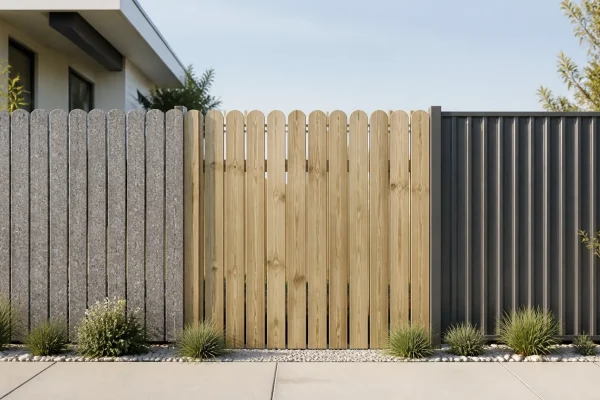
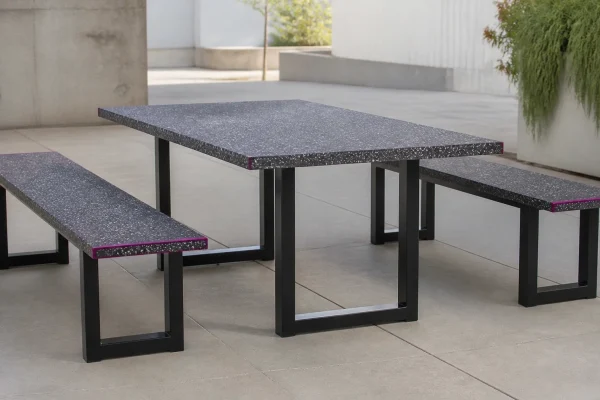
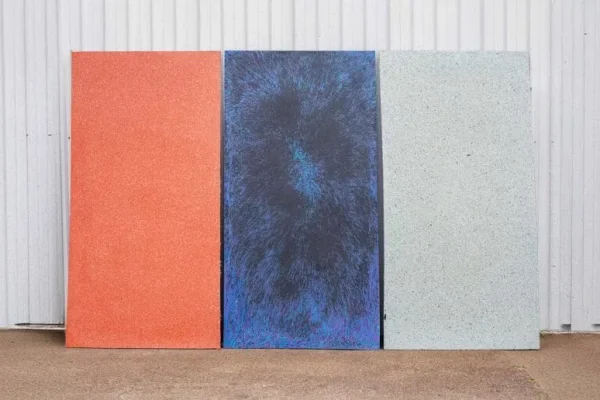
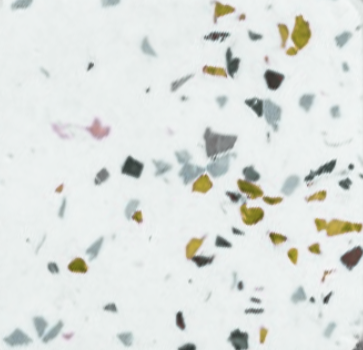
- Request a Sample: See the finish for yourself. Our N70 White Confetti or Midnight Blue finishes offer an aesthetic that timber can't match.
The Bottom Line
Choosing the "cheaper" material is a short-term win that leads to a long-term loss. In 2026, smart building is about durability and circularity. Plywood is a maintenance liability masquerading as a bargain.
By switching to recycled plastic sheets in Australia, you aren't just being environmentally responsible: you are being fiscally responsible. You are protecting your project from the "Timber Tax" and ensuring that your infrastructure remains an asset, not a liability, for the next 50 years.
Stop paying for maintenance you don't need. Start building with materials that actually last.
Ready to see the math for your specific project? Contact our sales team today and let’s run a Total Cost of Ownership audit on your next build.