If you’ve ever walked through a busy Australian shopping precinct on a windy day, you know the scene. Rubbish bags ripped open, scraps of lunch scattered across the pavement, and a fleet of very satisfied local birds: mostly our infamous "bin chickens": having an absolute field day.
For the management at Glendale City Centre, this wasn't just an eyesore; it was a recurring operational nightmare. Public bins are one of those "invisible" assets that only get noticed when they stop working. And when they fail, they fail loudly.
Traditional bin lids were proving to be no match for determined wildlife and heavy public use. The team at Glendale needed a solution that was more than just a replacement: they needed a functional redesign. That’s where Resourceful Living stepped in.
In this case study, we’re diving into how we used custom recycled plastic solutions to solve a specific urban design problem, while simultaneously slashing maintenance costs and hitting sustainability targets.
The Problem: When Off-the-Shelf Isn’t Enough
The primary issue at Glendale was twofold: durability and wildlife intervention.
Standard bin enclosures often feature gaps or lightweight flaps that are easy for birds to navigate. Once an Ibis gets a beak under a lid, the rubbish ends up on the floor. For the facility managers, this meant:
- Increased cleaning costs: Staff were spending hours every shift cleaning up scattered debris.
- Asset degradation: Standard materials like timber or thin-gauge metal often rust, rot, or warp in the Australian sun, leading to a poor aesthetic for the centre.
- Public health concerns: Open rubbish attracts vermin and creates an unhygienic environment for shoppers.
Glendale didn't just want new bins; they wanted a custom solution that could withstand the specific pressures of their environment. They needed something heavy-duty, bird-proof, and aligned with their commitment to the circular economy.
The Custom Solution: Engineering Out the Mess
When we talk about sustainable urban design, we aren't just talking about picking a "green" material. We’re talking about solving a problem so effectively that the solution outlasts the alternative by a decade.
We worked closely with the Glendale team to manufacture custom-fit bin lids and panels made from 100% recycled Australian HDPE (High-Density Polyethylene).
Why Custom Recycled Plastic?
- Weight and Density: Our panels are solid. Unlike thin plastic liners, these custom lids have the weight required to stay closed, making it significantly harder for birds to flip them open.
- Zero Rot, Zero Rust: Unlike timber which requires constant staining, or metal which can corrode in coastal environments, recycled plastic is inert. It doesn't care about the rain, and it won't bleach or crack in 40-degree heat.
- Vandal Resistance: Public infrastructure takes a beating. Our material is naturally scratch-resistant, and because the colour goes all the way through the sheet, you can't "scratch off" the finish. If someone tags it with a marker, it’s far easier to clean than porous timber.
For a deeper dive into how this stacks up against traditional materials, check out our comparison on Recycled Plastic vs Timber for maintenance budgets.
From Waste to Infrastructure: The Process
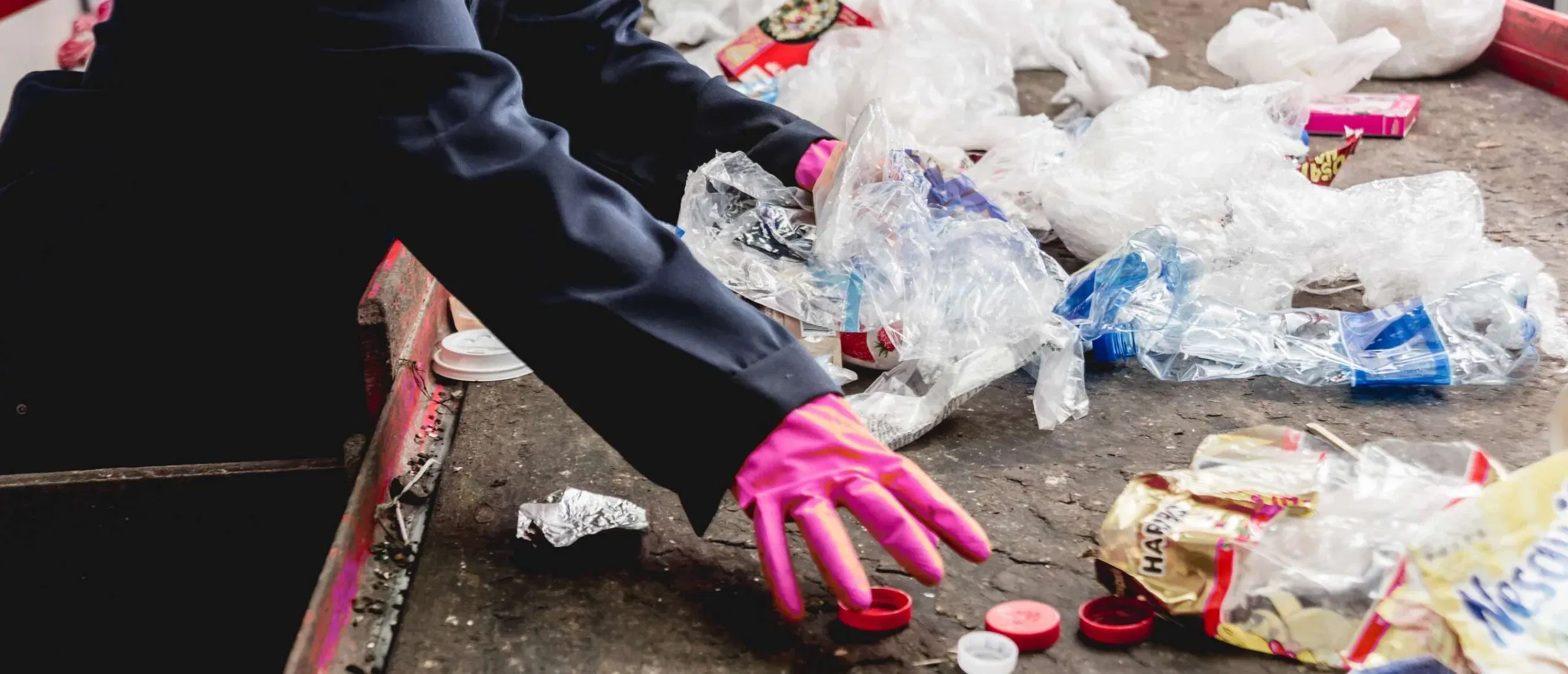
The beauty of the Glendale project is the traceability of the material. Every lid we manufactured for the centre started its life as post-consumer waste: milk bottles, detergent containers, and shampoo bottles collected right here in Australia.

By choosing a local manufacturer, Glendale ensured that their procurement spend stayed within the Australian economy while diverting tonnes of plastic from landfill. This wasn't just a purchase; it was a circular intervention.
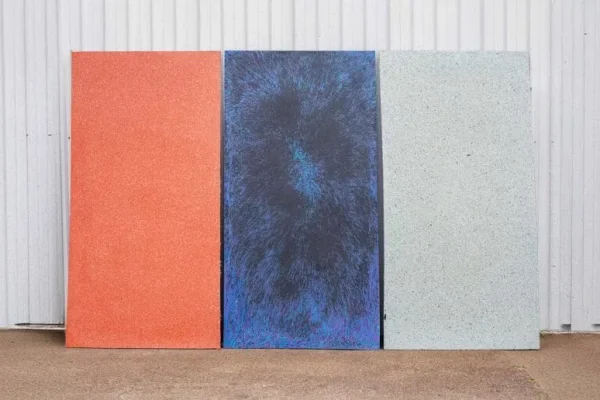
We used our standard 2400mm x 1200mm sheets, CNC-machined to the exact specifications required by the existing bin frames at the centre. This "retrofit" capability is a game-changer for councils and developers who don't want to rip out entire sets of expensive metal frames but need to replace the failing "soft" components like lids and side panels.

The Result: Cleaner Streets and Better ROI
Since the installation of the custom lids at Glendale, the feedback has been clear:
- Reduced Litter: The "nightmare" of bird-scattered rubbish has been effectively neutralised.
- Lower Maintenance: The bins look as good today as they did on day one, requiring nothing more than a quick wipe down during standard cleaning rounds.
- Positive Public Sentiment: Shoppers appreciate seeing "100% Recycled" branding on infrastructure. It’s a tangible sign that the centre is walking the talk on sustainability.
The ROI of "Doing it Right the First Time"
Many developers and facility managers get caught in the trap of buying the cheapest possible infrastructure. However, as we move through 2026, the ROI of circularity is becoming impossible to ignore. When you factor in the cost of replacements every 3–5 years for timber, or the daily labor cost of extra cleaning, the "premium" of custom recycled plastic evaporates within the first 18 months.
If you’re looking at your own asset maintenance budget, consider the ROI of circularity and why our materials outlast plywood 5x.
Why This Matters for 2026 Procurement
The Glendale project is a perfect example of what we call Strategic Procurement. With the 2026 mandates on embodied carbon reporting and the "If Not, Why Not" procurement policies in NSW, choosing a recycled solution isn't just a "nice to have": it’s a competitive advantage.
✅ Asset Managers: You reduce your long-term maintenance liability.
✅ Sustainability Officers: You get hard data on diverted landfill and embodied carbon.
✅ Project Managers: You get a custom-engineered solution that actually solves the site-specific problem.
If you’re currently working on a government tender, understanding these dynamics is crucial. We’ve put together a guide on how to master "If Not, Why Not" procurement to help you navigate these requirements.
How to Implement Custom Solutions in Your Next Project
If you have a "nightmare" on your site: whether it’s failing park benches, rotting retaining walls, or bins that birds have figured out how to raid: here is how you can start the process with Resourceful Living:
- Identify the Failure Point: Is it the material? The design? The way people (or animals) interact with it?
- Request a Material Sample: See the durability of HDPE for yourself. You can check our product data sheets for technical specs.
- Consult on Design: We don't just sell sheets; we help you design the fix. Whether it’s CNC-cut panels or structural components, our team can advise on the best way to use the material.
- Calculate the Carbon Save: Use our data to report on the embodied carbon savings for your project.

The Bottom Line
The Glendale City Centre project proves that sustainability doesn't have to be a compromise. By moving away from off-the-shelf products and embracing custom recycled plastic solutions, they fixed a persistent problem while future-proofing their infrastructure.
"The bins were a constant source of frustration. By working with Resourceful Living, we didn't just replace the lids; we re-engineered the way waste is managed on-site. The fact that it's 100% recycled is the cherry on top for our ESG goals."
At Resourceful Living, we’re here to help you turn your site "nightmares" into success stories. Whether you need custom-cut panels for a fit-out or heavy-duty infrastructure for a public space, we have the manufacturing capability to make it happen right here in Australia.
Ready to swap out failing materials for a permanent, circular solution?
Check out our 2026 Price Guide to see how we can fit into your next budget, or reach out to Jess and the team today for a custom quote.