For years, "sustainability" was a line item in the marketing brochure: a nice-to-have that sat somewhere below "premium finishes" and "location" on a developer's priority list. But as we move through April 2026, the landscape has fundamentally shifted. The introduction of the 2026 Circular Construction Act hasn't just moved the goalposts; it's changed the entire game.
In today's market, circularity is no longer a PR exercise. It is a regulatory requirement and, more importantly, a significant driver of Return on Investment (ROI). If you are a property developer or a modular builder in Australia, understanding how to leverage high-performance recycled materials is now the difference between winning a high-value government tender and being left in the dust.
At Resourceful Living, we’re seeing a massive surge in developers who realise that traditional materials: specifically timber and marine plywood: are becoming liabilities. Let’s look at why the industry is pivoting toward circular materials and how it directly impacts your bottom line.
The 60% Mandate: Compliance is the New Currency
The headline for 2026 is simple: The 60% circularity mandate for major tenders. If your project doesn't hit the threshold for recovered and recyclable material content, you're effectively locked out of the most lucrative infrastructure and residential precinct developments.
This isn't just about ticking a box. To meet these targets, you need materials that aren't just "eco-friendly" in theory but are fully traceable and 100% recyclable at the end of their first lifecycle. This is where many developers get caught out. Specifying materials that claim to be green but end up in a landfill in ten years won't cut it under the new reporting standards.
"In 2026, circularity is the baseline. Developers who haven't secured their supply chains for recycled materials are finding themselves ineligible for over 40% of the current Tier 1 and Tier 2 project pipeline." : Jess Hodge, Sales at Resourceful Living.
To stay ahead, you need to understand the nuances of circular construction in 2026 and what to know before specifying.

The "Plywood Killer": Why Timber is Losing the War
For decades, plywood has been the default for everything from site hoarding to internal cabinetry and modular sub-floors. But in the 2026 climate, plywood is facing a crisis of durability and cost.
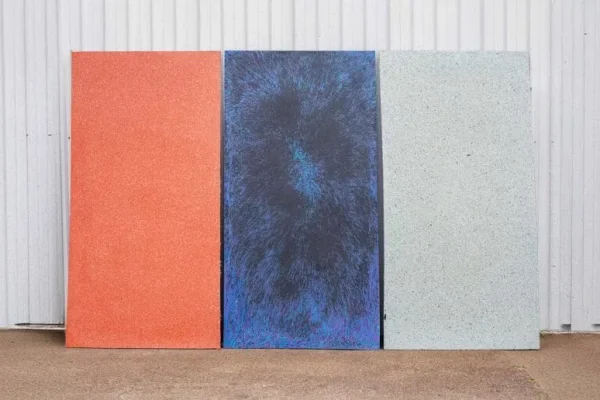
We call our 100% recycled HDPE panels the "Plywood Killer." Why? Because timber is inherently flawed in high-moisture Australian environments. It rots, it delaminates, it requires constant painting or sealing, and it is highly susceptible to termites.
When you look at recycled plastic sheets vs. marine plywood, the choice for a developer focused on ROI becomes clear:
- Zero Maintenance: Our panels never need painting, oiling, or staining.
- Waterproof: They can be submerged indefinitely with zero structural degradation.
- Termite Proof: Plastic isn't on the menu for pests.
- Durability: While timber panels often need replacing every 3-5 years in exposed conditions, HDPE panels are a "set and forget" solution.
For modular builders, this is a game-changer. Using a material that doesn't warp or degrade during transport or on-site storage reduces rework costs significantly.
Total Cost of Ownership (TCO): The Real ROI Calculation
Smart developers don't just look at the initial procurement cost; they look at the Total Cost of Ownership (TCO).
While the upfront cost of a high-quality recycled plastic panel might be slightly higher than the cheapest form-ply, the TCO over a 5-to-10-year period is dramatically lower. When you factor in the elimination of maintenance crews, the lack of replacement material costs, and the reduced labour for repairs, the "green" option actually becomes the cheapest option.
For a detailed breakdown of how this affects your budget, check out our 2026 Price Guide for recycled plastic sheets.
The ROI Drivers in 2026:
- Lower Insurance Premiums: Buildings using fire-retardant, rot-proof, and durable circular materials are increasingly seeing lower premiums compared to traditional timber-heavy builds.
- Faster Installation: Our panels come pre-finished. There is no waiting for paint to dry or sealants to cure. In the world of modular building, speed is profit.
- Resale Value: Property assets built with "future-proof" materials hold their value better as sustainability ratings (like Green Star and NABERS) become more stringent.

Modular Building: The Perfect Match for Circular Materials
Modular construction and circular materials are a match made in heaven. Both industries are built on the principles of efficiency, waste reduction, and precision.
In a factory setting, the ability to work with consistent, high-performance materials like 100% recycled HDPE allows for tighter tolerances and less on-site waste. Because these materials are infinitely recyclable, any offcuts from the manufacturing process can be sent back to us to be shredded and turned into new panels.
This creates a closed-loop system that is incredibly attractive to investors and government bodies. Developers are now using these panels for:
- External cladding and facades
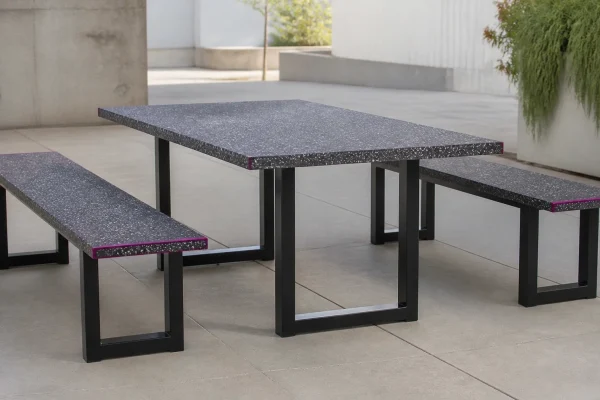
- Wet area cabinetry and benchtops
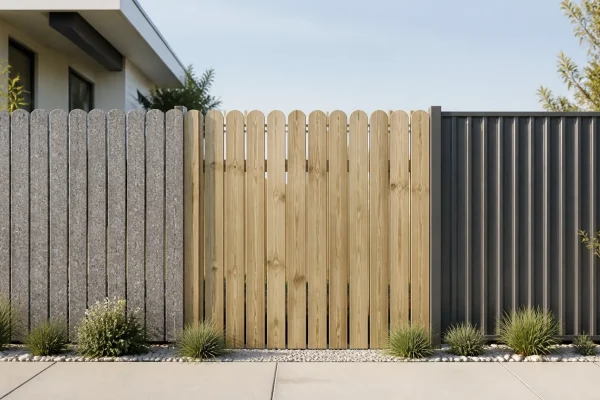
- Acoustic screening and fencing
- Sub-flooring in high-moisture regions

Embodied Carbon: Turning Compliance into Credits
In 2026, embodied carbon reporting is no longer optional for major projects. Every kilogram of carbon tied to your building materials must be accounted for.
By switching from carbon-intensive materials like traditional concrete or treated timber to Resourceful Living’s recycled panels, you aren't just reducing your footprint: you’re creating a data trail that adds value to the asset. We provide the BOQ data you need to satisfy the most rigorous embodied carbon reporting requirements for 2026 tenders.
Furthermore, there is the growing market of carbon credits. Builders using our 100% Australian recycled materials may be eligible for specific offsets. You can find out more in our builders' guide to claiming carbon credits.
The Logistics of Circularity: On-Site Solutions
One of the biggest hurdles for developers in the past was the logistics of waste management. How do you actually "be circular" on a busy construction site?
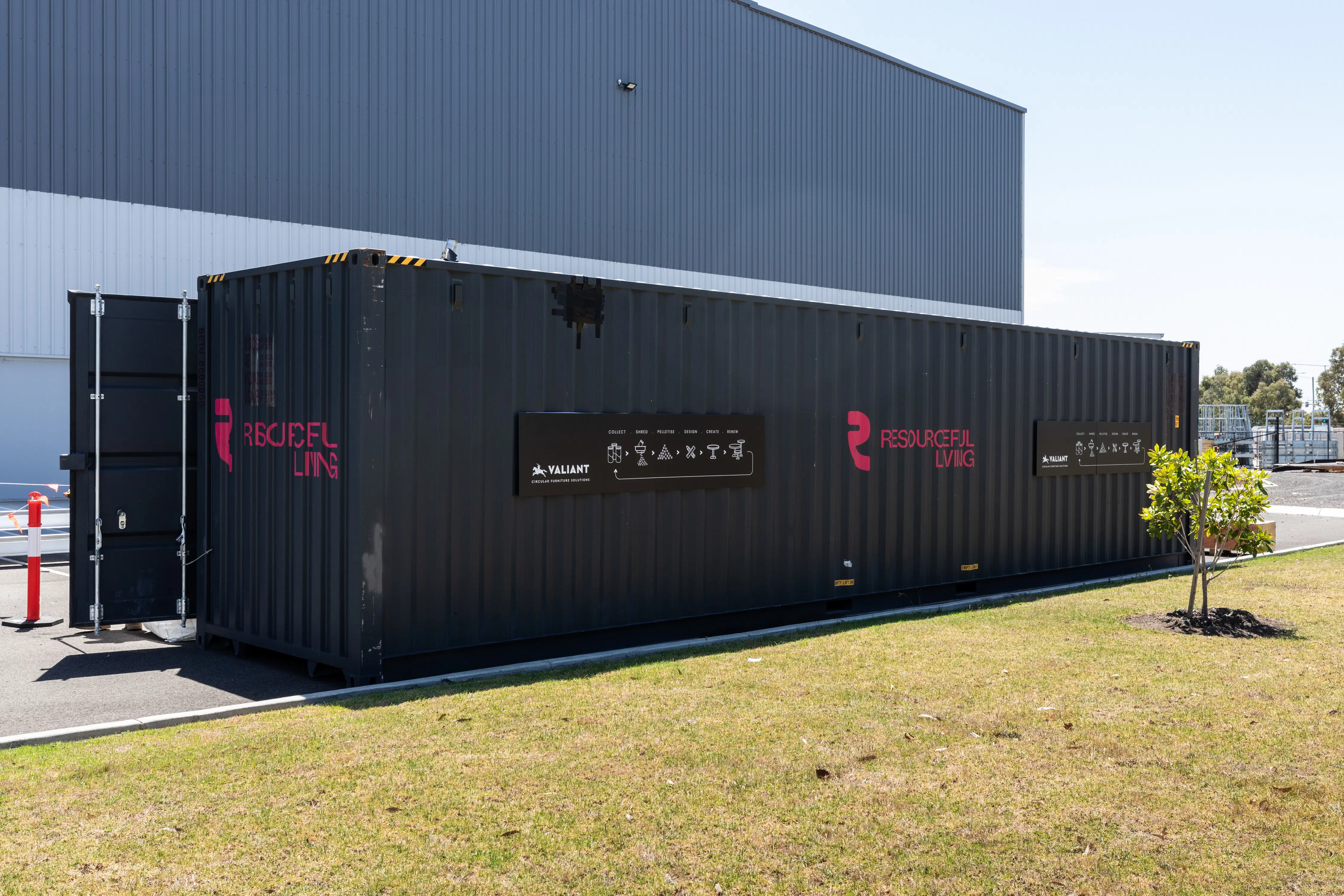
At Resourceful Living, we’ve solved this with our onsite mobile recycling units. We can bring the circular economy directly to your doorstep, processing waste on-site and ensuring that your project remains a zero-waste facility. This doesn't just look good on a report; it saves thousands in landfill levy fees, which have skyrocketed in the last two years.
Why Local Buy Status Matters
For developers working on local government projects, procurement is often the biggest hurdle. Being a Pre-Qualified Local Buy Supplier means that Resourceful Living is already vetted. When you specify our products, you are choosing a partner that local councils already trust. This speeds up the approval process and gives your bid an immediate edge over competitors using unvetted, imported materials.

Conclusion: The Choice is Yours
The 2026 property market doesn't reward those who do things "the way we've always done them." It rewards the innovators who recognise that circularity is the ultimate efficiency.
By replacing failing timber products with the "Plywood Killer," by embracing modular efficiency, and by focusing on Total Cost of Ownership, you aren't just building a more sustainable project: you're building a more profitable one.
Are you ready to give your next project the developer’s edge?
Let’s talk about how we can help you meet that 60% mandate and boost your ROI. Whether you need custom panels for a commercial fit-out or structural tubes for an infrastructure project, Resourceful Living has the Australian-made, 100% recycled solution.
- Explore our range: The Designer’s Lookbook for Recycled Plastic
- Compare materials: Recycled Plastic vs. Timber for 2026 Projects
- Get a quote: Contact our Sales Team today