For a long time, the Australian construction industry treated "sustainability" as a marketing exercise. A green leaf icon here, a vague mention of "recyclability" there, and a tick in a box for a procurement officer who didn't have the tools to dig deeper.
But the industry has shifted. As of Tuesday, 21 of April 2026, the era of the "Greenwash Checkbox" is officially dead.
We’ve moved into the era of Data-Driven Circularity. With the full rollout of the 2026 Environmentally Sustainable Procurement (ESP) Policy and the Green Building Council of Australia (GBCA) Circular Procurement Guide, the goalposts haven't just moved: the entire game has changed. For Tier 1 contractors and developers, "doing your bit" is no longer enough. You now have to prove it with hard, traceable data.
The Regulatory Reality Check: ESP 2026
The introduction of the Environmentally Sustainable Procurement Policy in 2026 has sent shockwaves through the supply chain. It’s no longer a suggestion; it’s a mandate for any project receiving government funding. The policy requires specific, measurable outcomes regarding embodied carbon and material circularity.
Similarly, the GBCA Circular Procurement Guide has redefined what "green" looks like. It’s moving the focus away from just "low carbon" toward "circular systems." This means specifiers are now looking at the entire lifecycle of a material:
- Where did it come from? (Local vs. Imported)
- How was it made? (Carbon intensity)
- Where does it go at the end? (Landfill vs. True Circularity)
If you can’t answer these three questions with verifiable data, your product: and your project: will struggle to meet the new eco-friendly building products standards in Australia for 2026.
Why Traceability is the New Transparency
The biggest hurdle for the construction industry has always been the "missing middle": the lack of visibility into the supply chain. You might buy a "recycled" product, but do you know where that waste was sourced? Was it shipped halfway across the world, negating its environmental benefits?
At Resourceful Living, we believe that transparency is worthless without traceability.
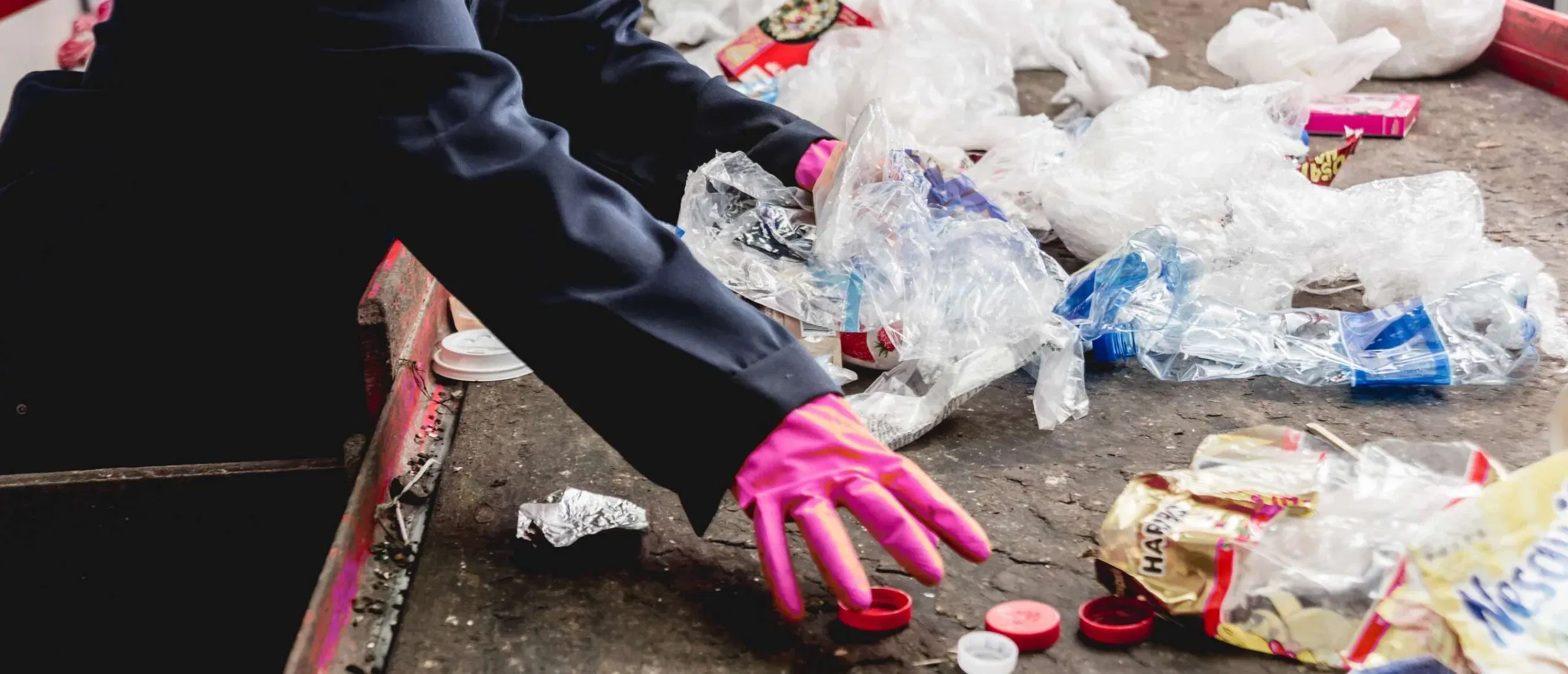
We don't just say our products are recycled; we show you the process. Our facility processes 100% Australian waste. We aren't importing plastic from overseas to pad our numbers. By keeping the waste local, we ensure that the environmental "credit" stays within the Australian ecosystem, directly supporting the sustainable construction solutions our industry desperately needs.
Meet the 'Plywood Killer': Redefining the Interior Fit-Out
For decades, plywood has been the default material for everything from hoarding and formwork to cabinetry and wall linings. But plywood has a dirty secret: it is often a high-carbon product, reliant on imported timber and toxic resins that make it nearly impossible to recycle at the end of its life.
We call our 100% recycled plastic panels the 'Plywood Killer'.
Why? Because they outperform traditional materials on almost every metric that matters in the 2026 landscape:
- Zero Glues or Resins: Unlike plywood or MDF, our panels are heat-pressed. There is no off-gassing and no toxic chemicals.
- Waterproof and Rot-Proof: They don't degrade like timber, meaning they last longer in demanding construction environments.
- Infinite Circularity: When the fit-out is done, the panels don't go to a skip. They come back to us.

When you spec recycled plastic panels and sheets, you aren't just choosing a material; you're choosing a data point for your circularity report.
Scaling Circularity: 1 Tonne Per Day
One of the biggest criticisms of recycled materials in the past was scale. Developers often argued that "boutique" recycling couldn't handle the volume required for major infrastructure or high-rise residential projects.
That argument is no longer valid. Resourceful Living currently has the capacity to process 1 tonne of plastic waste per day.
This isn't a pilot programme; it’s an industrial-scale operation. We are transforming everything from post-consumer milk bottles to industrial soft plastics into high-performance building materials.
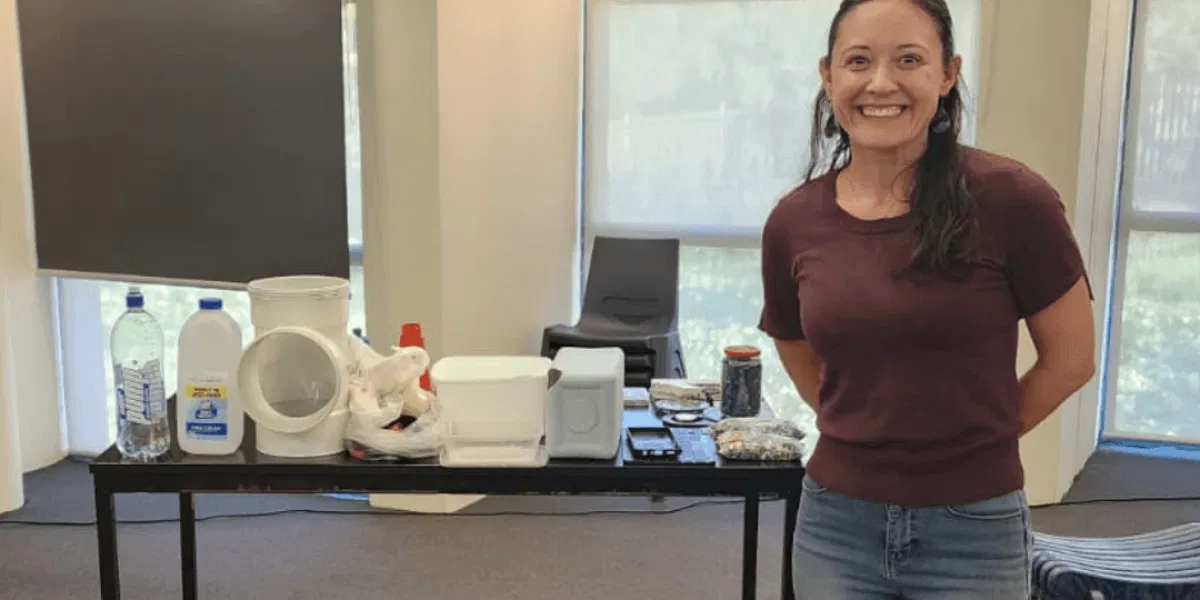
"Circularity in construction isn't about doing one thing perfectly; it's about doing the right things at a scale that moves the needle on national waste targets." : Jess Hodge, Resourceful Living.
The Take-Back Program: Closing the Loop for Real
The most significant shift in the GBCA Circular Procurement Guide is the emphasis on Product Stewardship. It’s no longer enough to sell a product and walk away. The manufacturer must have a plan for what happens when that product is no longer needed.
This is where the "checkbox" approach usually fails. Most companies will claim their product is "recyclable," but they won't actually take it back.
Resourceful Living operates a dedicated Take-Back Program. If you use our panels for temporary hoarding or a retail fit-out, we will take them back at the end of the project. We shred them, melt them, and turn them back into new panels.
This is true circularity. It removes the "waste" from the construction process entirely and provides the developer with the data needed to prove they’ve met their ESP obligations.

Action Steps for Specifiers and Contractors
If you are currently planning a project for the 2026-2027 window, you need to audit your materials list now. Here is how to move from "greenwash" to "data-driven":
- Demand Traceability Documentation: Ask your suppliers for the origin of their raw materials. If they can’t prove it’s 100% Australian waste, you are inheriting an offshore carbon debt.
- Evaluate End-of-Life: Does the supplier have a formal, contracted take-back program? If not, that material is destined for landfill, and your circularity score will reflect that.
- Swap High-Carbon Defaults: Look at your hoarding, cabinetry, and wet-area linings. Can you replace plywood or virgin plastics with recycled plastic products?
- Partner with Local Manufacturers: By choosing Australian-made and owned, you reduce transport emissions and support the local circular economy.
The Future is Accountable
The shift toward data-driven circularity is the best thing to happen to Australian construction in a generation. It levels the playing field, rewarding companies that are doing the hard work of local manufacturing and penalising those who rely on superficial marketing.
At Resourceful Living, we’re ready for this. We’ve built the infrastructure, we’ve secured the local supply chains, and we’ve proven the material performance.
The checkbox is gone. The data is here. It’s time to build something that actually lasts: not just the structure itself, but the ecosystem that supports it.
If you’re ready to move beyond the checkbox and start integrating true circularity into your next project, partner with us today. Let’s build a resourceful future, one tonne at a time.