If you’re working in the Australian construction or fit-out space right now, you’ve probably felt the shift. It’s mid-2026, and the "sustainability" talk has officially moved from the marketing department to the procurement office. The grace period is over.
Circular construction 2026 isn't just a buzzword anymore; it’s a set of hard rules that determine whether you win that next government or Tier 1 tender. The reality is that the Commonwealth Environmentally Sustainable Procurement (ESP) Policy has fundamentally changed how we source materials.
The biggest fear for most builders and project managers? The budget. There’s a common misconception that "going circular" means a 20% spike in material costs that eats your margin alive. But if you look at the recycled plastic vs timber comparison through a 10-year lens, the math actually swings in your favour.
Here’s how to navigate the new procurement landscape without blowing your budget.
1. The New Rules: What You Actually Need to Provide
As of July 2024, Commonwealth construction services contracts ≥ $7.5 million require a Supplier Environmental Sustainability Plan (SESP). By July 2025, this was extended to furniture, fittings, and equipment (FF&E) contracts ≥ $1 million.
In 2026, you're no longer just assessed on the "cheapest price wins" model. Tenders are now weighted heavily on:
- Recycled Content: What percentage is post-consumer waste?
- Traceability: Can you prove where that plastic came from, or is it just "ocean-bound" mystery mix?
- Embodied Carbon: How many emissions were generated during manufacturing and transport?
- End-of-Life: Do you have a verified take-back scheme, or is it heading to a skip bin in five years?
If you can't tick these boxes, you’re looking at a massive regulatory risk.

2. Recycled Plastic vs Timber: The ROI Reality
When you look at the upfront cost of a 2400mm x 1200mm sheet of marine plywood versus a 100% recycled plastic panel, the timber often looks cheaper on day one.
But that’s a trap.
In harsh Australian conditions: think coastal humidity, high-traffic retail zones, or wet-area fit-outs: timber starts to cost you money the moment it’s installed. It rots, it warps, it needs staining, and eventually, it needs replacing.
The Lifetime Cost Breakdown:
- Maintenance: Recycled plastic is zero-maintenance. No painting, no sanding, no chemical treatments.
- Durability: Our rHDPE panels are tested to last 5x longer than timber in high-moisture environments.
- Waste Management: Because we offer a free take-back program, you save up to 40% on end-of-life skip bin and landfill fees.
"Circular construction isn't just about 'saving the planet.' It's about building a resilient Australian economy where we stop throwing away $100 billion worth of resources every decade." : Industry Insight, 2026.

3. How to Meet "Recycled Content" Targets (Cheaply)
The easiest way to hit your ESP targets without re-engineering your entire project is to swap out "invisible" materials. You don't have to change the structural steel, but you can change:
- Site Hoarding: Use 100% recycled panels that can be reused on the next three jobs.
- Wet Area Cabinetry: Swap moisture-vulnerable MDF for recycled plastic sheets.
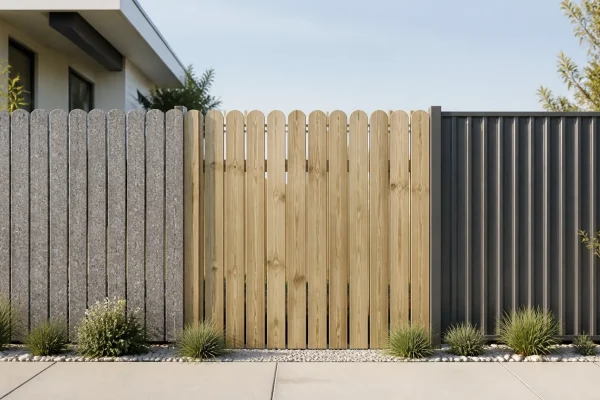
- Landscaping & Retaining: Replace rotting timber sleepers with maintenance-free, rust-effect recycled plastic.
By focusing on these high-impact areas, you drastically improve your circularity score while reducing your long-term Total Cost of Ownership (TCO).

4. Traceability: The "Anti-Greenwashing" Shield
In 2026, "greenwashing" is a legal liability. If you claim a material is recycled but can't prove the source, you risk breaching your SESP agreement.
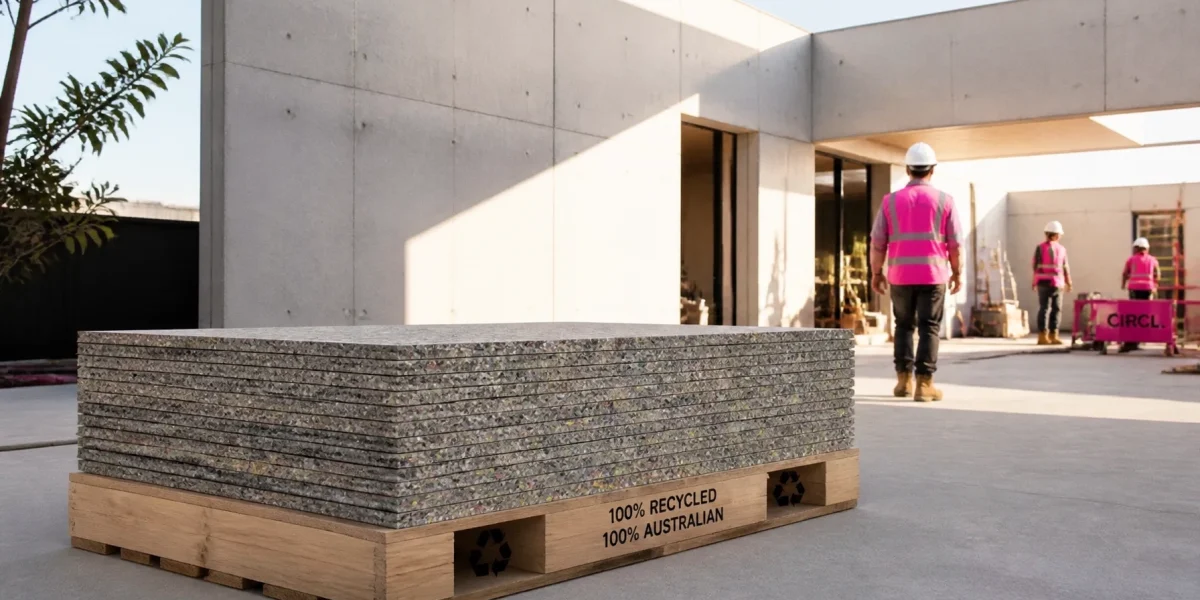
At Resourceful Living, we manage the end-to-end cycle. We collect 100% Australian plastic waste, shred it, and press it right here in our facility. This means we provide the data you need for NABERS and Green Star reporting:
- Origin: Local Australian post-consumer waste.
- Carbon Footprint: Minimal transport emissions (no overseas shipping).
- Certification: Ready-to-go data for your tender submissions.
5. Budget-Friendly Circularity: The 5-Step Action Plan
You don't need to overhaul your entire procurement strategy overnight. Use this checklist to pivot your next project:
- Audit Your Skip Bins: Identify what you’re currently throwing away that could be replaced by a circular material.
- Request EPDs and Traceability Reports: If your supplier can't tell you exactly where the waste came from, don't use them for a government tender.
- Switch to "Service" Thinking: Stop buying materials and start buying material loops. Look for suppliers with verified take-back programs.
- Compare Lifecycle, Not Unit Price: Use a TCO model to justify the investment to your stakeholders.
- Start Small: Test recycled plastic in a high-moisture or high-wear area first to prove the ROI.

The Bottom Line
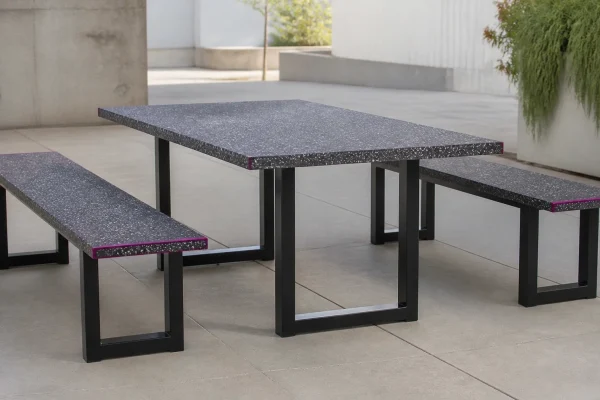
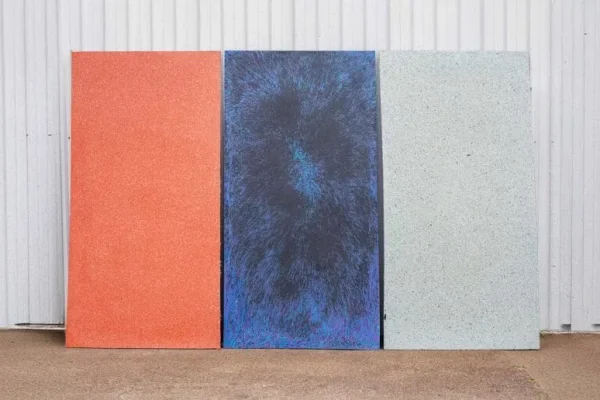
Circular construction in 2026 is no longer an "optional extra" for high-end boutique projects. It is the new baseline for doing business in Australia. By choosing locally-made, traceable materials like our 100% recycled plastic panels, you aren’t just meeting a compliance box: you’re building a more durable, profitable, and resilient future.
Ready to get your next tender over the line?
- Check out our 100% recycled plastic product range
- Learn more about our ESG Partner Program
- Contact Jess and the team for a custom project quote