
If you're operating in the Australian built environment today, the term "embodied carbon" is no longer just a buzzword for architects: it’s a line item on your balance sheet. As of May 2026, the industry has hit a turning point. We’ve reached the "Carbon Cliff."
For years, the focus was solely on operational carbon: the energy used to run a building. But as our electricity grid becomes greener with renewables, the spotlight has shifted to the materials themselves. The carbon "debt" you run up before a building is even finished is now the primary target of regulators and Tier 1 developers.
With NCC 2025 now active and NCC 2028 looming on the horizon, builders who fail to adapt to embodied carbon reporting in Australia aren't just being "un-eco-friendly": they’re actively de-risking their competitors and pricing themselves out of $100k+ tenders.
The Regulatory Shift: From "Voluntary" to "Non-Negotiable"
The National Construction Code (NCC) 2025 update introduced a voluntary pathway for commercial buildings to report embodied carbon. While the word "voluntary" might sound like you can ignore it, the reality on the ground is different.
Government procurement and Tier 1 contractors have already made these standards contractually mandatory. If you’re bidding on a major infrastructure project or a high-end commercial fit-out in 2026, you are likely already being asked for your NABERS Embodied Carbon data.
- NCC 2025: Establishes the framework (A1–A5 stages) and promotes the NABERS methodology.
- NCC 2028 Outlook: Ministers have already signaled that minimum performance standards will become mandatory.
- The Market Reality: "If not, why not?" procurement means if you choose a high-carbon material without a valid excuse, your bid goes to the bottom of the pile.
"Waiting for the 2028 mandate to start reporting is a strategic error. By the time it’s law, you’ll have lost three years of data, case studies, and tender wins to firms that are already circular-ready." : Jess Hodge, Owner of Resourceful Living.
Why Waiting is a $100k Risk
Why $100,000? It’s a conservative estimate of the value of just one lost medium-sized tender or the cost of last-minute carbon offsets needed to meet a Green Star v1.1 requirement.
1. Lost Tender Opportunities
Major developers are now required to disclose their Scope 3 emissions. If you can’t provide a verified carbon footprint for your materials, you become a "high-risk" partner. In a competitive market, a builder with an embodied carbon reporting strategy will beat an unprepared builder every single time.
2. The Green Star v1.1 Penalty
To achieve high Green Star ratings, projects now need a 10% to 20% reduction in embodied carbon compared to a reference building. If your supply chain is still relying on high-carbon virgin plastics or imported timber with massive transport emissions (Stage A4), you’ll be forced to buy expensive offsets or lose your rating.
3. Supply Chain Fragility
As the 2028 mandate approaches, everyone will rush for low-carbon materials at once. Builders who establish relationships with local, circular construction partners now are securing their supply chain against the inevitable price hikes and shortages of 2027.

Breaking Down the "A" Stages: Where Your Carbon Lives
To report effectively, you need to understand the lifecycle of your materials. The industry standard EN 15978 breaks this down into stages. For most builders, the "Upfront Carbon" (A1–A5) is the most critical:
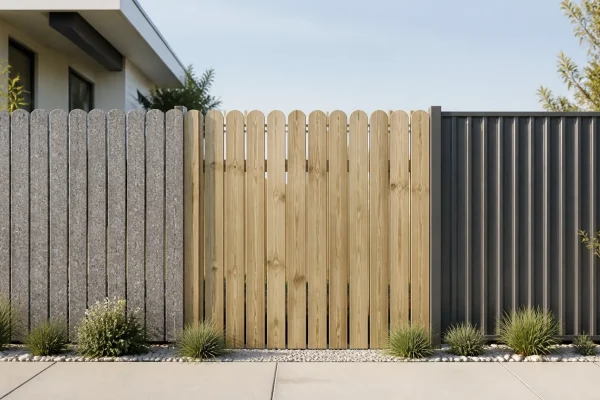
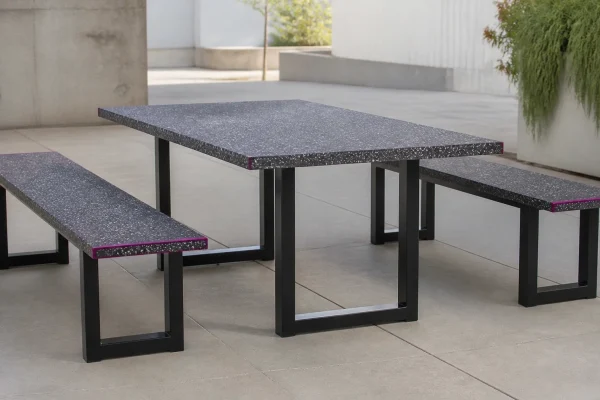
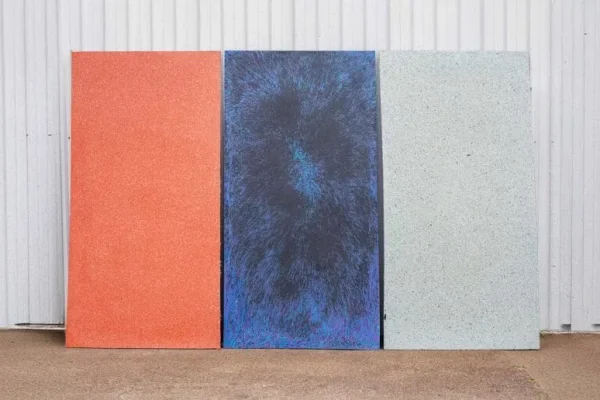
- A1–A3 (Product Stage): Extraction, transport to the factory, and manufacturing. This is where 100% recycled plastic panels shine, as they skip the carbon-heavy oil extraction phase.
- A4 (Transport): Getting the material to your site. This is why local Australian manufacturing is a massive advantage over imported "eco" materials.
- A5 (Construction): Waste and energy on-site.
By switching from traditional materials to recycled plastic sheets, you are essentially wiping out the "A1" (Extraction) debt entirely.
The "Easy Win": Swapping Materials for Immediate Impact
You don’t need to redesign your entire structural core to hit your targets. The most efficient way to lower your carbon intensity is through material substitution in non-structural areas:
| Traditional Material | Carbon Impact | Circular Alternative | Carbon Saving (approx.) |
|---|---|---|---|
| Virgin HDPE (Imported) | High | Resourceful Living Recycled Panel | 0.9–1.75 tons CO2 per ton |
| Marine Plywood | Medium/High | Recycled Plastic Board | Significant (No rot/replacement) |
| Concrete (Site Hoarding) | Very High | Recycled Plastic Barriers | High (Portable & Reusable) |
The Power of 1.75 Tons
For every ton of HDPE we recycle into our construction panels, we prevent up to 1.75 tons of CO2 from entering the atmosphere. When you’re compiling a NABERS report, these savings are directly attributable to your project's performance.

Circular Construction 2026: More Than Just "Recycling"
True circular construction isn't just about what a product is made of; it’s about where it ends up. The "Carbon Cliff" also involves End-of-Life (C1–C4) reporting.
If you specify a material that ends up in a landfill, you are responsible for those future methane emissions. However, if you specify materials from a partner with a take-back program, you can report a significantly lower lifecycle impact.
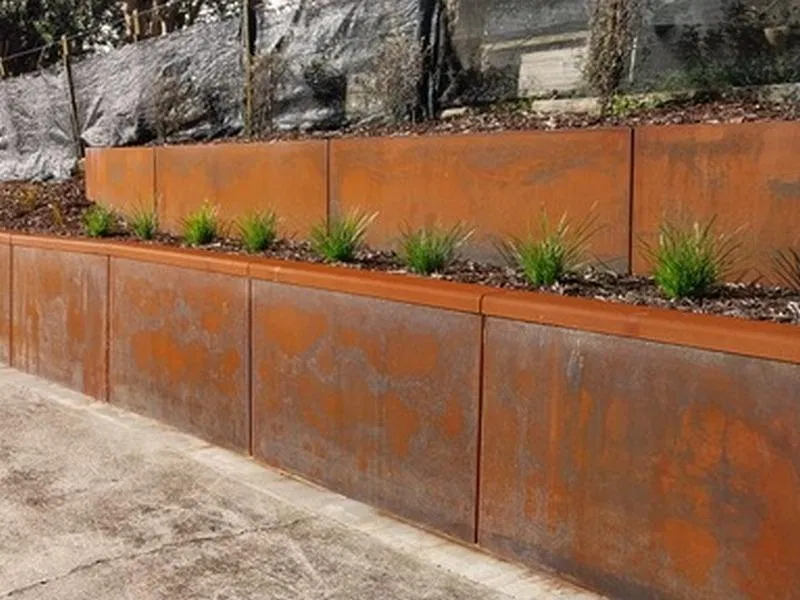
At Resourceful Living, we don't just sell you a panel; we offer a closed-loop partner program. When your project reaches the end of its life: whether that’s 5 years for a retail fit-out or 50 years for a retaining wall: we take the material back for free to remanufacture it. That is circularity in action.
Action Plan: 4 Steps to De-Risk Your Next Tender
Don't let the 2026 regulatory shift catch you off guard. Here is how to stay ahead:
- Request EPDs Today: Start asking every supplier for an Environmental Product Declaration. If they don't have one, they are a liability to your reporting.
- Prioritise Local Traceability: Transport carbon (Stage A4) can sneakily blow out your numbers. Using locally manufactured panels from 100% Australian waste reduces this risk.
- Conduct a "Material Swap" Audit: Look at your next project. Can the site hoarding, wet-area joinery, or landscaping be swapped for recycled plastic?
- Align with NABERS: Familiarise your team with the NABERS Embodied Carbon framework. It is the de facto standard for the industry.
Build for the Future, Not the Past
The transition to mandatory embodied carbon reporting in Australia is inevitable. You can either be the builder who is scrambled by the 2028 mandate, or you can be the leader who is winning tenders today by embracing circular construction 2026.
The "Carbon Cliff" is only dangerous if you’re standing still. By making the switch to 100% recycled, Australian-made materials, you’re not just saving the planet: you’re saving your business.
Ready to secure your next tender with low-carbon materials?
Explore our range of 100% recycled plastic panels or download our 2026 Circular Construction Guide to get started.