In the current Australian construction landscape, the push toward circularity and sustainability is no longer a niche preference: it is a commercial imperative. However, as the market for "green" materials expands, so do the pitfalls. Many project managers and developers are inadvertently sabotaging their sustainability targets by making surface-level material choices that fail under technical scrutiny.
Choosing a material because it looks "natural" or carries a generic "recycled" label isn't enough in 2026. To achieve a truly low-carbon, high-performance project, you must look beyond the marketing brochure and evaluate technical durability, local supply chain integrity, and end-of-life accountability.
Here are the 7 critical mistakes you must avoid when specifying sustainable materials for your next project.
1. Assuming Recycled Equals Low Quality
One of the most persistent myths in the Australian built environment is that recycled materials are structurally inferior or aesthetically "messy" compared to virgin alternatives. This assumption often leads specifiers back to carbon-intensive traditional materials like concrete or virgin timber.
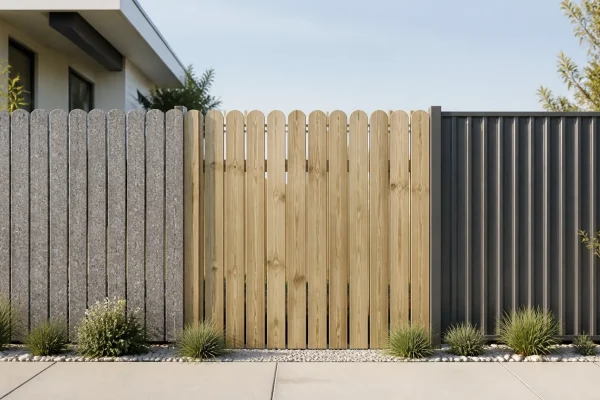
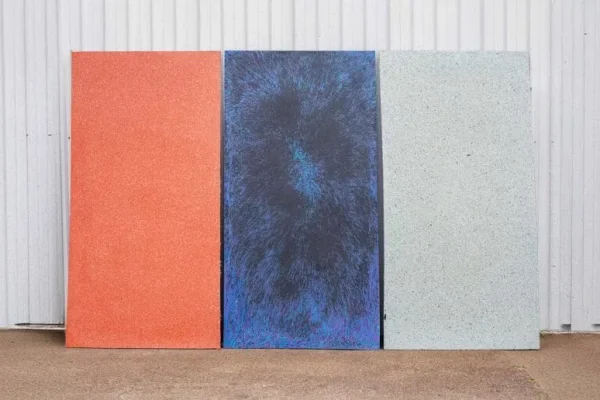
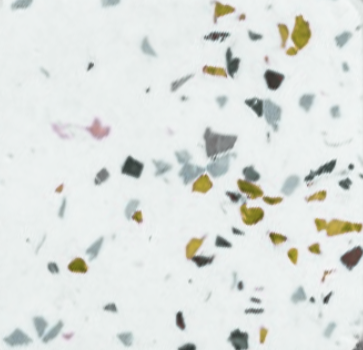
The reality is that modern manufacturing, such as the processes we use at Resourceful Living, produces 100% recycled plastic panels that are solid blocks with no additives or veneers. These panels are engineered for strength, high impact resistance, and weatherability.
"The quality of a recycled product is entirely dependent on the purity of the waste stream and the precision of the manufacturing process. 100% Australian recycled plastic is a high-performance material, not just a waste-reduction strategy."
✅ The Fix:
- Request technical data sheets for strength and UV resistance.
- Specify solid-core materials over hollow or veneered alternatives to ensure long-term structural integrity.
- Review real-world applications of recycled sheets in high-traffic retail or construction environments.

2. Ignoring Total Cost of Ownership (TCO)
A common error is making material selections based solely on the upfront procurement cost. While traditional timber or lower-grade composites might appear cheaper on the initial invoice, their Total Cost of Ownership (TCO) over a 20 or 50-year lifecycle is often significantly higher.
When you factor in the labor and material costs of regular sanding, staining, and eventual replacement due to rot or termite damage, "cheap" materials become a liability. Recycled plastic panels provide a "set and forget" solution that eliminates these recurring operational expenses.
💰 Comparison Table: Recycled Plastic vs. Traditional Timber
| Feature | 100% Recycled Plastic | Traditional Hardwood |
|---|---|---|
| Initial Cost | Moderate to High | Low to Moderate |
| Maintenance (20 yrs) | $0 (Zero Maintenance) | High (Oiling, Sanding, Repairs) |
| Pest Resistance | 100% Termite Proof | High Risk |
| Lifespan | 50+ Years | 15–20 Years (Exposed) |
3. Not Checking for Australian Sourcing and Traceability
The "sustainable" label loses its value if the material has been shipped halfway across the globe, racking up massive Scope 3 transport emissions. Furthermore, many imported recycled products have opaque supply chains, making it impossible to verify if the plastic was ethically sourced or actually recycled.
At Resourceful Living, we only use 100% Australian plastic waste. This directly supports the local environment and provides our clients with traceable data to meet their ESG (Environmental, Social, and Governance) targets.
📍 Why local sourcing matters:
- Reduced Transport Carbon: Drastically lower emissions from factory to site.
- Chain of Custody: Full visibility into where the waste came from.
- Support Local Industry: Strengthening Australia’s circular economy.

4. Overlooking End-of-Life Recycling Programs
True sustainability is circular, not linear. A mistake many specifiers make is choosing a material that is "recycled" but not recyclable at its end-of-life. If a panel is a composite of multiple plastics and glues, it often ends up in a landfill because it cannot be easily processed again.
Before you spec, ask the manufacturer: "What happens to this material in 30 years?"
Resourceful Living offers a take-back program, collecting our products free of charge at their end-of-life to be remanufactured into new sheets. This ensures your project never contributes to the landfill crisis.
🔄 Circular Checklist:
- Is the material 100% homogenous (e.g., all one type of plastic)?
- Does the supplier offer a formal take-back or buy-back program?
- Is the manufacturing site located within Australia for easy return?

5. Failing to Compare Embodied Carbon Correctively
Many projects fail to accurately report embodied carbon because they only look at the manufacturing phase. A comprehensive embodied carbon report must include the avoided emissions of landfill and the lifecycle savings of maintenance-free materials.
While timber stores carbon, the frequent application of chemical stains and the carbon cost of replacement cycles often tip the scales in favor of high-durability recycled plastics, especially in harsh Australian climates.
📉 Key Metric:
Our manufacturing facility processes 1 tonne of plastic per day, diverting massive volumes of waste from landfill and converting it into low-emission building materials with a faster turnaround than traditional suppliers.
6. Choosing Non-Durable Materials for Harsh Environments
Australia’s climate is brutal. UV radiation, high humidity, and salt air in coastal zones are the natural enemies of timber and metal. A common mistake is specifying timber for external cladding or signage in coastal projects, only to see it grey, warp, and rot within five years.
Recycled plastic is intrinsically weather-resistant. It does not absorb moisture, it is impervious to salt spray, and it contains UV stabilizers to prevent degradation. For infrastructure in coastal or high-exposure areas, comparing recycled plastic vs. concrete or timber usually reveals plastic as the superior structural choice for long-term durability.
7. Not Factoring in Maintenance Costs
If your sustainability strategy requires the client to apply chemical-heavy oils every 12 months just to keep the material functional, is it truly sustainable? Maintenance isn't just a cost issue; it’s an environmental issue.
Recycled plastic sheets require zero maintenance. No painting, no sealing, and no toxic preservatives. This makes them the ideal choice for:
- Kitchen and bathroom renovations (waterproof and hygienic).
- Retail displays and storage solutions.
- Acoustic and noise barriers.
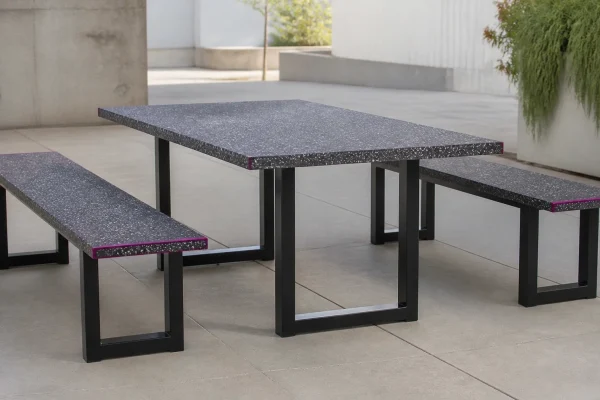
- Public infrastructure and furniture.
🚀 Conclusion: Specifying for a 2050 World
Avoiding these seven mistakes requires a shift from reactive purchasing to strategic specification. By prioritizing durability, local traceability, and genuine circularity, you ensure that your project remains a high-value asset for decades to come.
Ready to integrate high-performance recycled materials into your next project?
👉 View our 2026 Sustainable Building Materials Guide
👉 Compare Recycled Plastic vs. Timber Maintenance