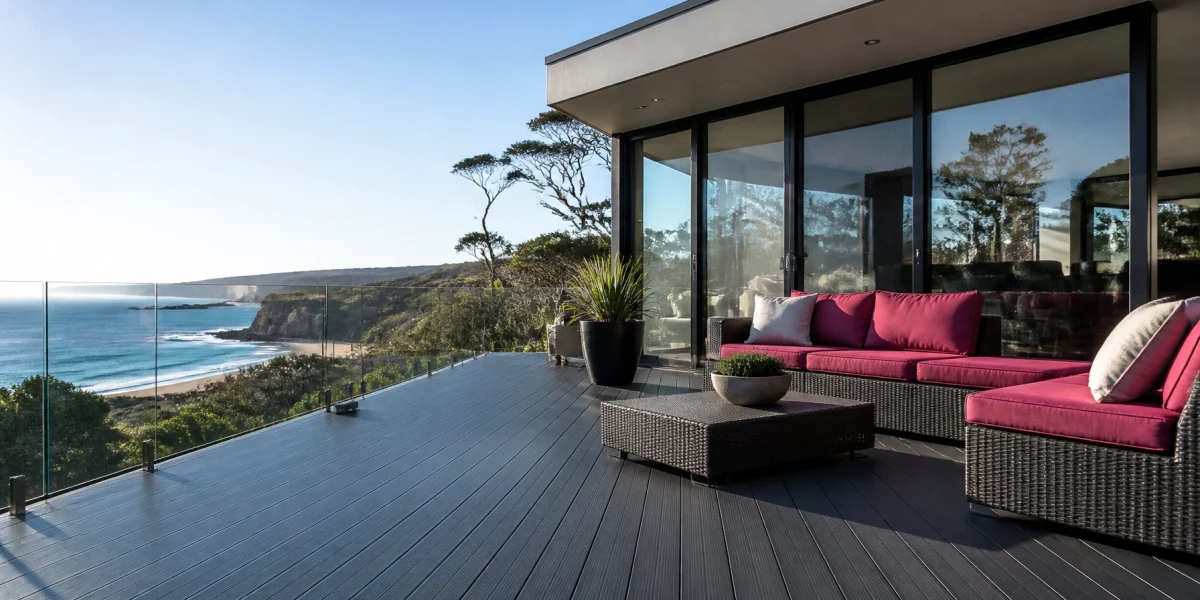
Australians have an enduring love affair with the outdoor deck. Whether it's a coastal veranda or a suburban backyard entertaining area, the deck is often the heart of the home or commercial space. However, as any asset manager or homeowner knows, maintaining a traditional timber deck in Australia’s harsh climate is a relentless battle against the elements.
With the rise of the circular economy, a new contender has emerged: recycled plastic decking. But does it actually hold up against the tried-and-true performance of Australian hardwoods? When you strip away the marketing fluff and look at the technical data, the winner for long-term value, durability, and sustainability becomes remarkably clear.
In this guide, we’ll dive deep into the material science, maintenance requirements, and environmental impact of both materials to help you decide which is the superior choice for your next project.
1. The Material Science: Timber vs 100% Recycled Plastic
To understand why one material outlasts the other, we have to look at their composition.
Traditional timber is a natural, porous material. Even high-density Australian hardwoods like Spotted Gum or Blackbutt are essentially bundles of cellulose fibres held together by lignin. These fibres naturally absorb and release moisture. In the Australian sun, this cycle of expansion and contraction leads to warping, cupping, and checking (surface cracks).
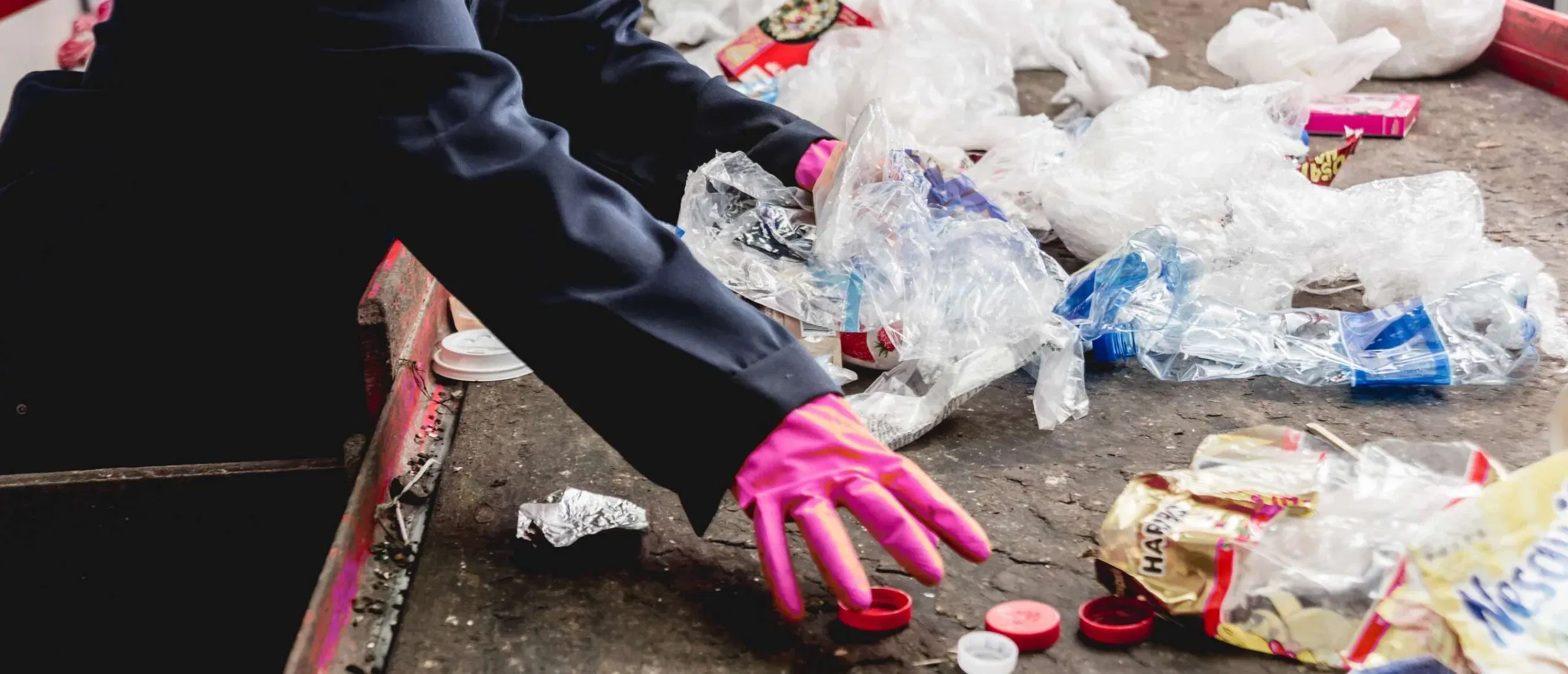
100% recycled plastic, on the other hand, is non-porous. At Resourceful Living, we transform post-consumer Australian plastic waste into solid, high-density panels. Unlike "composite" decking: which often mixes plastic with wood flour that can still rot: our material is solid plastic through and through.
Why Molecular Stability Matters
- Zero Moisture Absorption: Plastic does not absorb water. This means it cannot rot, and it provides no environment for mould or mildew to grow.
- Inert to Pests: Termites and marine borers, which can decimate a timber deck in years, have zero interest in recycled plastic.
- UV Resistance: High-quality recycled plastic is engineered with UV stabilisers to withstand the intense Australian sun without the structural degradation seen in timber.

2. Durability in the Australian Climate
Australia’s climate is arguably the toughest testing ground in the world for building materials. From the tropical humidity of Queensland to the dry heat of the Red Centre and the salt spray of our coastlines, your decking choice needs to be "Australia-proof."
Timber’s Vulnerabilities
Timber relies entirely on its surface coating for protection. Once that coating (oil or stain) breaks down: which happens in as little as six months in full sun: the wood is exposed. Once moisture enters the grain, the structural integrity begins a slow, irreversible decline.
The Recycled Plastic Edge
Recycled plastic decking is designed for high-performance longevity. Because it is a consistent, solid material, there is no "coating" to fail. The protection is built into the entire thickness of the board or panel.
"When we test our materials for strength and weather resistance, we aren't just looking at how they look on day one. We are looking at how they perform after a decade of UV exposure and rain. The data consistently shows that 100% recycled plastic maintains its structural load-bearing capacity long after timber has started to splinter and rot."
For a deeper dive into the technical data, see our comprehensive durability comparison.
3. The Maintenance Myth: Time vs Money
One of the most common misconceptions is that timber is "cheaper." While the upfront material cost of timber can be lower than high-quality recycled plastic, the Total Cost of Ownership (TCO) tells a different story.
The Timber Maintenance Cycle
To keep a timber deck safe and looking good, you must:
- Clean it thoroughly every 6–12 months.
- Sanding back any greyed or splintered areas.
- Re-oiling or staining at least once a year (or twice in high-exposure areas).
For a standard 40-square-metre deck, you could easily spend $400–$800 annually on materials and a full weekend of labour. Over 20 years, that’s $10,000 to $16,000 just in maintenance: often more than the original cost of the deck itself.
The Recycled Plastic Reality
Recycled plastic decking requires zero oiling, zero staining, and zero painting.
- Cleaning: A simple wash with a hose or a mild soapy scrub to remove dirt and dust.
- Labour: Virtually nil.
- Peace of Mind: You won't find yourself sanding splinters out of your children's (or your own) feet.

4. Sustainability: Why Local Waste Matters
Not all "sustainable" materials are created equal. Many timber products, even those with certifications, contribute to deforestation or involve long, carbon-heavy supply chains from overseas.
Similarly, many composite decking brands sold in Australia are imported from the US or China. This means a massive carbon footprint just to get the product to your site.
The Resourceful Living USP: 100% Australian
We believe in a closed-loop system.
- Traceable Source: We use 100% Australian plastic waste. We can trace exactly where our plastic comes from, helping you meet strict sustainability targets for Green Star or NCC 2025 compliance.
- Low Emissions: By manufacturing locally in Newcastle, we drastically reduce transport-related emissions. You can calculate your embodied carbon savings here.
- Take-Back Program: This is the ultimate proof of our circular philosophy. At the end of your deck's life (in 30, 40, or 50 years), we will collect the material free of charge and recycle it back into new products. Timber, especially treated pine, often ends up in landfill because the chemicals used to prevent rot make it toxic to burn or compost.
5. Comparison Table: At a Glance
| Feature | Traditional Timber | 100% Recycled Plastic |
|---|---|---|
| Lifespan | 10–20 years (with heavy maintenance) | 40+ years (with minimal care) |
| Maintenance | Annual sanding/oiling required | Soap and water only |
| Rot & Termites | Susceptible | 100% Resistant |
| Splintering | Common as it ages | None |
| UV Resistance | High (only if oiled) | Excellent (built-in) |
| Environmental Impact | High (deforestation/chemicals) | Positive (diverts local waste) |
| Upfront Cost | Lower | Moderate to Higher |
| Lifetime Cost | High (due to maintenance) | Low (one-off investment) |
6. Applications Beyond the Deck
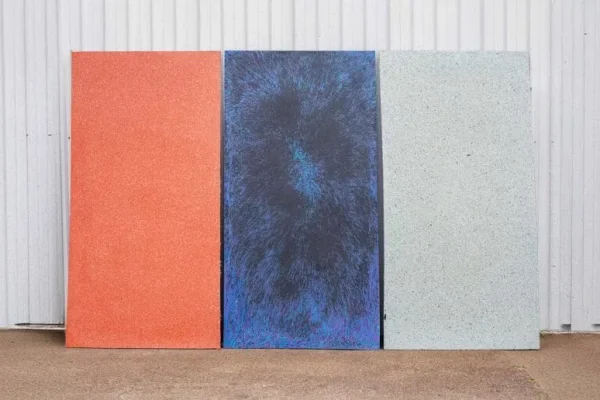
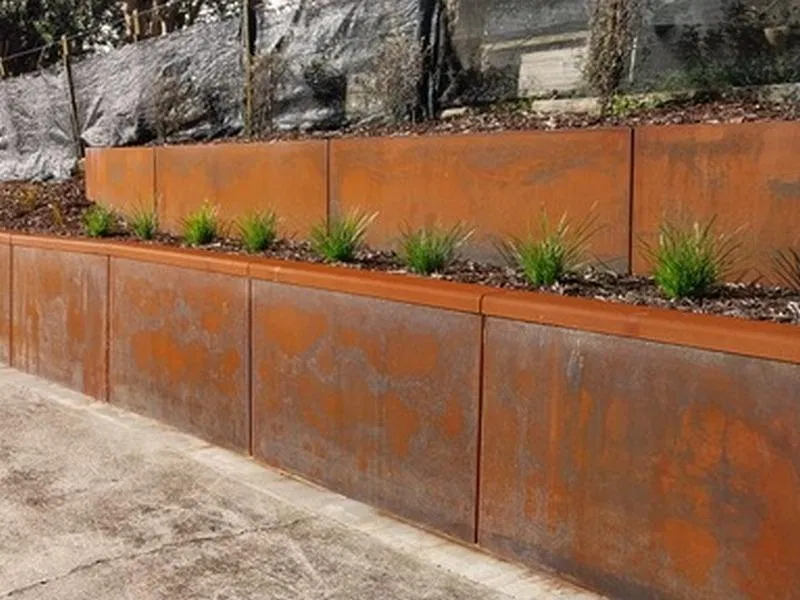
Because our material comes in standard 2400mm x 1200mm panels (with thicknesses from 3mm to 40mm), the applications for this durable "decking" material extend far beyond the floor. We see designers and builders using our recycled plastic for:
- Erosion control and retaining walls: Where moisture resistance is critical.
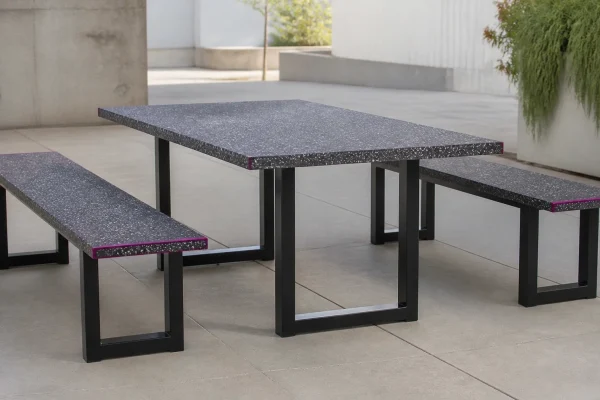
- Outdoor furniture: Creating bespoke pieces that match the deck.
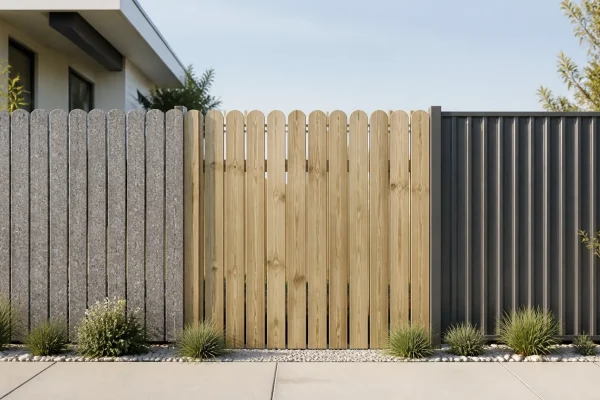
- Cladding and screening: For privacy that doesn't rot.
The Verdict: Which Actually Lasts Longer?
While a meticulously maintained hardwood deck can last 20 years, recycled plastic decking is the clear winner for longevity, performance, and environmental responsibility. It removes the "human error" factor of maintenance. If you forget to oil your timber deck for two years, it might be ruined. If you forget to "maintain" your recycled plastic deck for twenty years, it will still be structurally sound.
Ready to make the switch?
If you’re planning a project and need a material that saves you time, money, and the planet, our team is ready to help. We manufacture locally, meaning we offer faster product turnaround (manufacturing 1 tonne of plastic per day) and can custom-make panels to your specific requirements.
✅ Contact Resourceful Living today to request a sample or a quote for your next sustainable project.