In the current Australian construction landscape, the shift toward circular economy principles is no longer just a "green" preference: it’s a financial imperative. As we navigate 2026, asset managers and developers are facing a critical squeeze: rising labour costs for site maintenance and increasingly stringent sustainability reporting requirements.
When evaluating materials for your next project, the recycled plastic vs timber comparison is the most significant decision you’ll make for your long-term OpEx budget. While timber has historically been the "default" choice for everything from site hoardings to park furniture, the hidden costs of rot, UV degradation, and manual upkeep are now becoming too heavy to ignore.
At Resourceful Living, we’re seeing a massive shift in how the built environment sector views material value. It’s no longer about the lowest invoice price at the gate; it’s about the Total Cost of Ownership (TCO) over the next 10 to 20 years.
The Maintenance Trap: Why Timber is Bleeding Your 2026 Budget
Traditionally, timber is chosen because of its low upfront Capital Expenditure (CapEx). However, for anyone managing a portfolio of assets in 2026, timber represents a recurring "maintenance tax" that compounds every year.
The $24,000 Oiling Bill
Data from 2026 Australian asset management studies suggests that for every 30 square metres of timber installation, the annual maintenance cost (including labour, sanding, and oiling) sits between $900 and $2,400. Over a 10-year lifespan, you are looking at an additional $9,000 to $24,000 in maintenance outlay on top of the original construction cost.
Structural Failure and Replacement Cycles
Unlike 100% recycled plastic panels, timber is highly susceptible to the Australian climate.
- UV Degradation: Intensive sun exposure leads to splitting, warping, and silvering.
- Moisture and Rot: Constant exposure to humidity and rain facilitates fungal growth and internal rot.
- Pest Infestation: Termites and borers remain a constant threat to timber integrity, requiring expensive chemical treatments that eventually leach into the environment.
When timber fails, you aren't just paying for new materials; you’re paying for demolition, waste disposal fees, and new labour, often within just 5-7 years for high-exposure assets.

Why Recycled Plastic is the 2026 Champion of Circular Construction
Switching to 100% recycled plastic: specifically High-Density Polyethylene (HDPE): virtually eliminates the maintenance schedule. When we compare recycled plastic vs timber, the durability metrics aren't even close.
1. Zero Maintenance Required
Our panels and furniture require no sanding, no painting, and no oiling. Ever. The only maintenance required is an occasional wash with soapy water to remove surface dust. For a facilities manager, this means you can reallocate your maintenance budget toward higher-value improvements rather than just "keeping the lights on" for existing assets.
2. Impervious to the Elements
Because our material is a solid block of 100% recycled Australian plastic, it is naturally waterproof and chemically inert. It won't rot, it won't swell, and it is completely unappealing to pests. This makes it the ideal choice for high-moisture environments or areas prone to heavy use.
3. UV Stability and Colour Retention
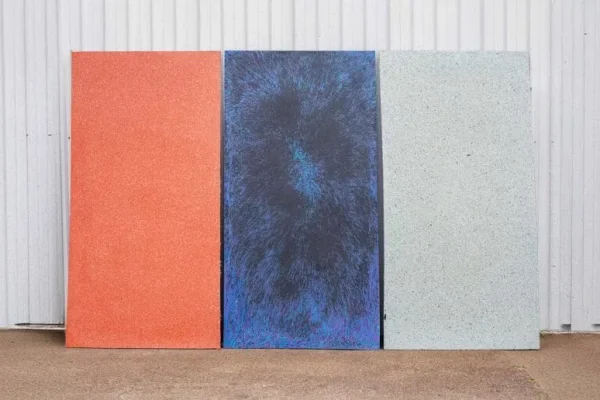
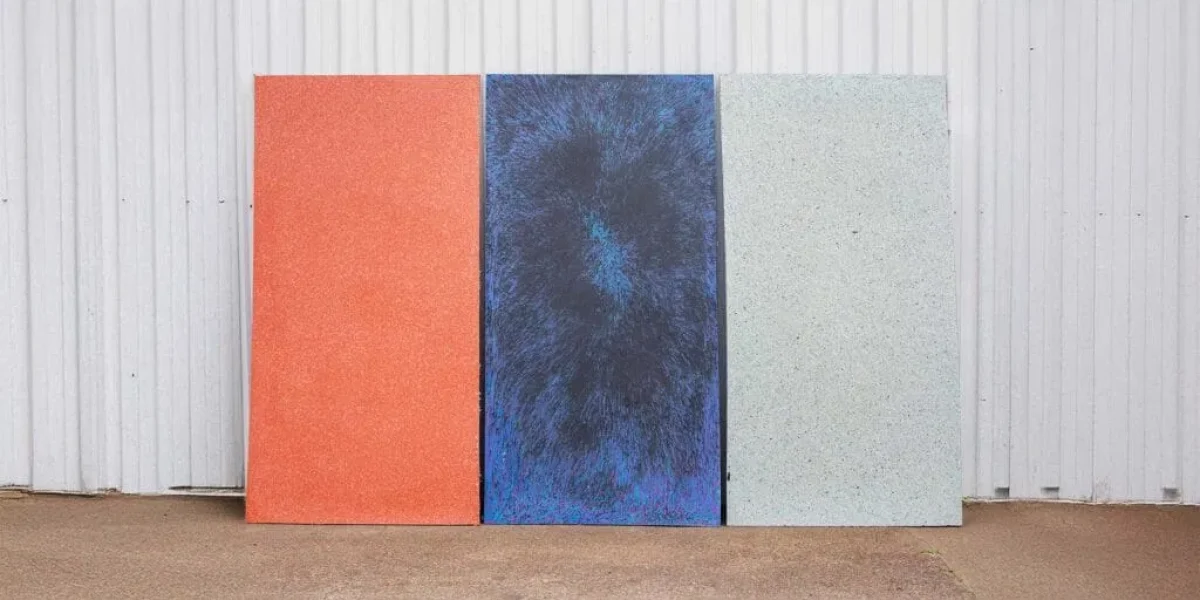
We manufacture our panels with high-quality recycled feedstocks that maintain their structural integrity under the harsh Australian sun. Whether you choose our terracotta, midnight blue, or speckled grey, the colour is integrated throughout the material, meaning scratches don't show as white marks, and there’s no paint to flake off.
"The shift from timber to recycled plastic isn't just about sustainability; it's about budget predictability. When you install a maintenance-free asset, you effectively delete a line item from your 10-year budget forecast." : Jess Hodge, Owner of Resourceful Living.
Data Face-Off: Recycled Plastic vs Timber (10-Year Outlook)
To help you justify the switch in your next 2026 construction tender, let’s look at the hard numbers for a standard commercial installation.
| Feature | Timber (Treated Hardwood) | Resourceful Living Recycled Plastic |
|---|---|---|
| Initial Cost | Lower (Baseline) | Higher (approx. 30–60% more) |
| Annual Maintenance | $1,200 – $2,500 (Labour + Materials) | $0 (Cleaning only) |
| Lifespan | 7–12 Years (Varies by maintenance) | 40+ Years (Tested durability) |
| End-of-Life | Landfill or incineration | 100% Recyclable (Take-back program) |
| Environmental Impact | Logging + Chemical treatments | Diverts Australian waste from landfill |
| Total 10-Year Cost | Upfront + ~$15k Maintenance | Upfront Cost ONLY |

The Resourceful Living Advantage: More Than Just a Material
Choosing the right partner for your circular procurement is just as important as the material itself. Here is why Resourceful Living is the preferred supplier for Australian asset managers:
100% Australian Plastic Waste
We only use plastic sourced right here in Australia. By choosing our panels, you are directly supporting the local environment and reducing the carbon footprint associated with imported materials. We manage the end-to-end recycling cycle, allowing us to provide full traceability for your sustainability reporting.
Bespoke Manufacturing & Custom Sizes
Standard sizes are 2400mm x 1200mm, with thicknesses ranging from 3mm to 40mm. However, we also specialise in bespoke products. Whether you need custom-sized wall cladding, specific retail displays, or industrial noise barriers, we can manufacture to your exact specifications.
The "Take-Back" Program
The biggest issue with timber is that at the end of its life, it’s often treated with chemicals (like CCA), making it hazardous waste. Our material is 100% recyclable. Through our take-back program, we collect our products at their end of life free of charge and remanufacture them into new sheets. This creates a truly closed-loop system for your organisation.

Practical Applications for Your 2026 Projects
While many think of recycled plastic only for small items, its structural performance makes it a superior replacement for timber in various built environment applications:
- Commercial Fit-outs: Use our 12mm or 19mm panels for wall linings and partitions that can withstand high traffic and heavy cleaning.
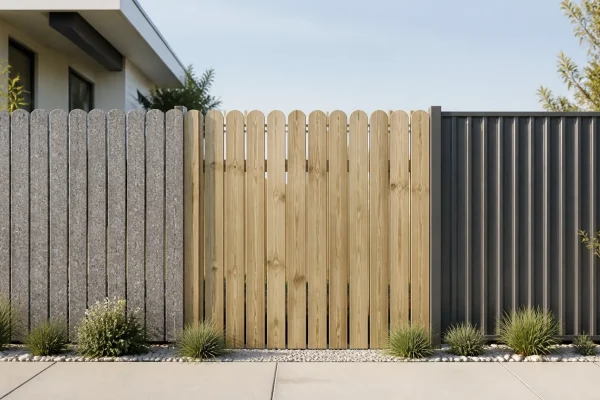
- Infrastructure: Noise barriers and site hoarding panels that won't degrade over years of exposure to road salt and exhaust.
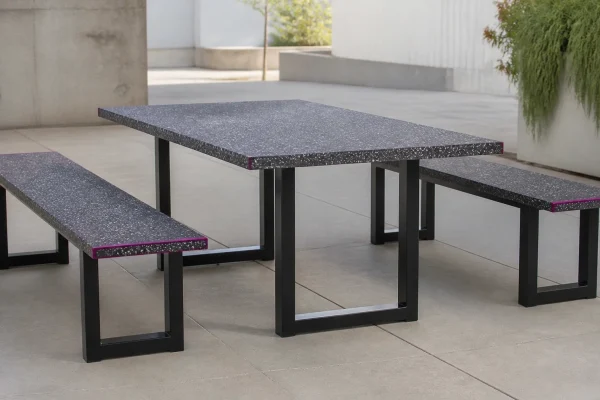
- Furniture: Sustainable tables and seating for common areas that remain graffiti-resistant and easy to clean.
- Construction: Temporary site protection and formwork that can be reused dozens of times more than traditional plywood.
Conclusion: Securing Your Maintenance Budget
The recycled plastic vs timber comparison ultimately comes down to one question: Do you want to pay for your materials once, or do you want to keep paying for them every year through maintenance and repairs?
As labour costs continue to rise in Australia, the "low-cost" timber option is becoming a liability. By investing in Resourceful Living's 100% recycled materials, you are securing a maintenance-free future, meeting your ESG targets, and contributing to a cleaner, more resourceful Australia.
Ready to protect your 2026 budget?
✅ Step 1: Audit your current timber assets and identify those with high maintenance costs.
✅ Step 2: Download our technical data sheets to compare strength and weather resistance.
✅ Step 3: Contact our team for a custom quote on your next project.