If you’re a builder, architect, or facility manager in Australia right now, you probably spent 2024 and 2025 getting your head around the NCC 2022 updates. But as we settle into 2026, there’s a new elephant in the room: the Moisture Audit.
For years, plywood and MDF have been the "go-to" for commercial wet areas, cabinetry, and partitions. They’re familiar. They’re easy to cut. And, frankly, they’re failing.
With the adoption of stricter standards like AS 3740:2021 (Waterproofing of domestic wet areas, now heavily informing commercial benchmarks) and the widespread use of AS-IICRC S500:2025 for water damage restoration, the industry is waking up to a harsh reality. Timber-based substrates are a liability.
In this recycled plastic vs timber comparison, we’re going to look at why your reliance on plywood might be the biggest risk to your 2026 projects, and how switching to 100% recycled plastic panels isn’t just a "green" choice, but a survival strategy for your bottom line.
1. The Death of the "Water-Resistant" Myth
Let’s be honest: "Water-resistant" plywood is like a "water-resistant" watch that stops working if you do the dishes. It sounds good on the box, but the reality is much soggier.
Timber is hygroscopic. By its very nature, it wants to drink. Even "Marine Grade" plywood relies on glues and veneers to keep moisture at bay. Once that barrier is breached, whether by a micro-crack in the grout, a poorly sealed screw hole, or a minor plumbing leak, the wood begins to swell, delaminate, and rot.
Why 2026 Audits Are Catching You Out
Modern moisture audits aren't just looking for visible mould; they are looking at structural integrity and substrate health. Under the current standards:
- Particleboard is out. It is no longer permitted as a water-resistant substrate in many wet area applications.
- Plywood is under the microscope. Auditors are increasingly flagging "hidden" rot that traditional inspections missed.
- Health Compliance. Mould isn't just an eyesore; it’s a litigation risk. If your substrate supports fungal growth (which timber does), you’re failing the audit.
"Plywood is moisture-tolerant, not moisture-proof. In a high-traffic commercial setting, you aren't just betting on the wood; you're betting on the person who applied the sealant to have had a perfect day." , Industry Insight.
2. Recycled Plastic Vs Timber Comparison: The Data
When we put our 100% recycled plastic panels up against traditional timber, the performance gap isn't just wide, it's a canyon.

Absorption Rates & Swelling
- Plywood: Can absorb 10%–20% of its weight in water, leading to thickness swelling and structural failure.
- Resourceful Living Sheets: 0.0% water absorption. Our panels are solid blocks of 100% recycled Australian plastic. There are no veneers to peel and no core to rot.
Maintenance and Lifespan
While plywood often requires replacement every 7–10 years in high-moisture environments (think gym showers or public amenities), our recycled plastic material is designed for a 50-year lifespan.
It doesn't need painting. It doesn't need sealing. It doesn't need the frantic "Oh no, the cleaners used too much water" panic. You can literally hose it down with high-pressure cleaners and industrial chemicals, and it will look exactly the same as the day it was installed.
3. The 2026 Compliance Advantage: "Audit-Proofing" Your Build
By choosing recycled plastic for your office fit-outs or commercial wet areas, you are essentially buying insurance against future failures.
Zero VOCs and No Mould
Timber products, especially those using cheap resins and glues, can off-gas VOCs (Volatile Organic Compounds). More importantly, wood provides the perfect "buffet" for mould.
Our plastic panels are inert. Mould cannot eat plastic. When an auditor walks into a bathroom lined with Resourceful Living sheets, the "moisture risk" section of their report stays blank.
Traceability and "Evidence of Suitability"
Under NCC Part A5, you need to prove your materials are fit for purpose. At Resourceful Living, we manage the end-to-end recycling and manufacturing cycle. We know exactly where our plastic comes from (100% Australian post-consumer waste), and we can provide the data sheets you need to breeze through compliance.

4. Cost Effectiveness: Thinking Beyond the Initial Invoice
We get it. Plywood is cheap. Or at least, it looks cheap on the initial quote. But as many builders are realising, the "Timber Tax" is paid in the long term.
Consider the Lifecycle Costs:
- Installation Speed: Our panels are 2400mm x 1200mm and come in thicknesses from 3mm to 40mm. They are solid through-and-through, meaning you can CNC, drill, and screw into them just like timber, but without the need for edge-banding or protective coatings.
- Zero Maintenance: No repainting or resealing over a 50-year period.
- Remanufacturing: When you eventually want to change the look (maybe in 2076?), we offer a free take-back program. We collect our products and remanufacture them back into new sheets. This isn't just "recycling": it's a true circular economy.
Builders who cut material costs without cutting corners are increasingly moving away from timber for high-wear areas because the replacement cost of one failed plywood install wipes out the "savings" of ten others.
5. Aesthetics: Sustainable Doesn't Mean "Scrap"
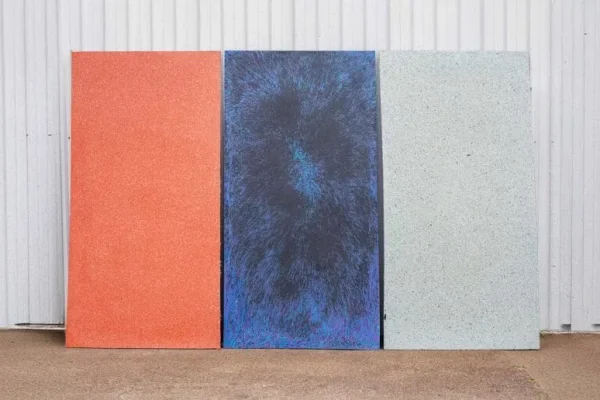
Gone are the days when recycled plastic meant "patchy grey boards." Our panels come in 6 popular standard colours: like the earthy 'Ochre' or the deep 'River': and we offer custom manufacturing for bespoke projects.

These panels offer a unique, premium aesthetic that timber simply cannot match. The speckled, "terrazzo-style" finish tells a story. It tells your clients that you are building green while choosing a material that is technically superior to the status quo.
6. How to Make the Switch (Your 3-Step Implementation Guide)
If you're ready to stop worrying about the 2026 moisture audit, here is how you integrate Resourceful Living panels into your next project:
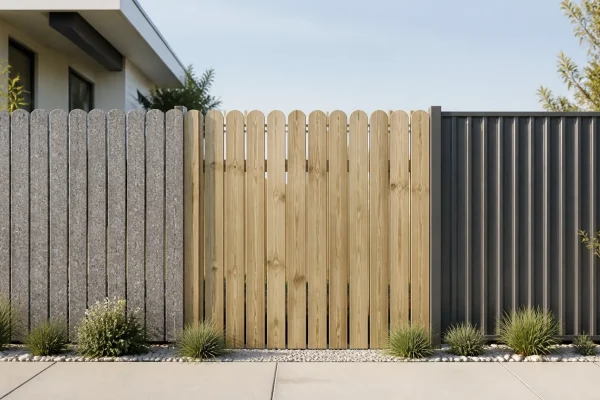
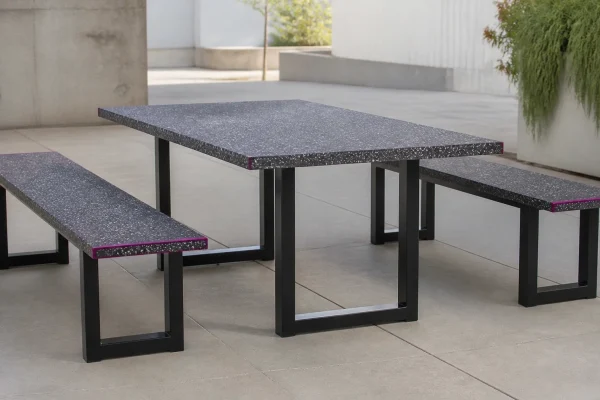
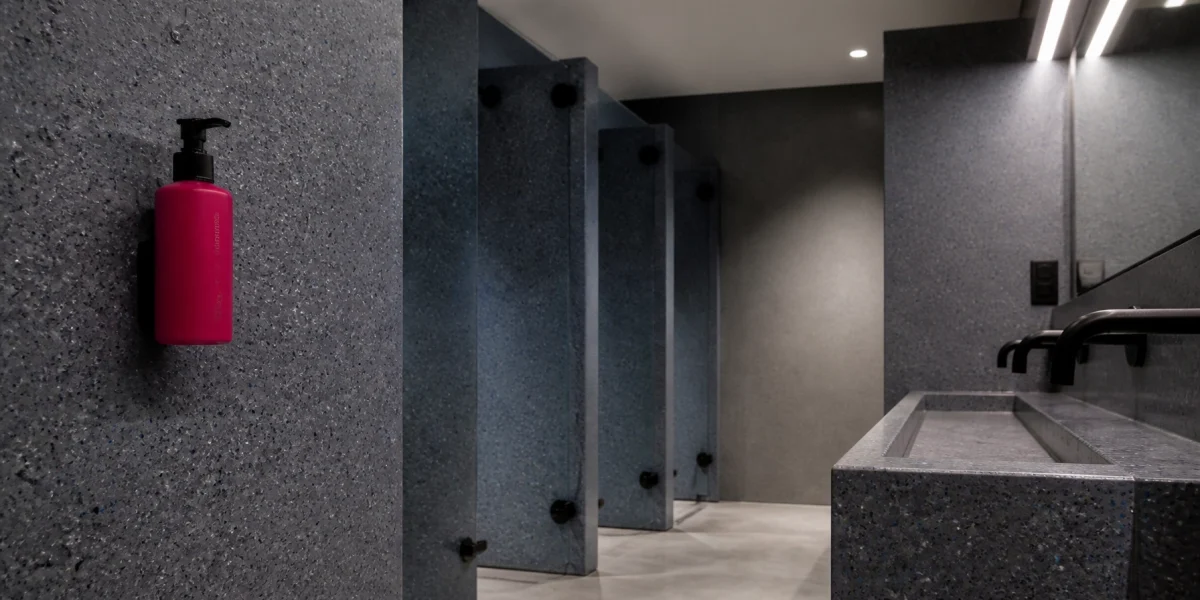
- Identify High-Risk Zones: Start with areas where timber is most likely to fail: shower partitions, vanity carcasses, commercial kitchen kickboards, and outdoor seating.
- Review the Specs: Download our technical data. Check the strength, weather resistance, and thermal movement specifications to ensure they meet your structural requirements.
- Order Your Custom Sizes: While our standard sheet is 2400mm x 1200mm, we manufacture 7 days a week with a 1 tonne-per-day capacity. We can produce custom thicknesses and sizes to minimise waste on your site.
The Verdict: Don't Let Plywood Sink Your Reputation
In the recycled plastic vs timber comparison, timber is a legacy material trying to survive in a high-performance, high-accountability world. It was fine for 1996, and it was "okay" for 2016. But in 2026? It’s a liability.
By choosing Resourceful Living, you aren't just swapping one board for another. You’re choosing a 100% Australian-made, rot-proof, zero-maintenance solution that helps you meet sustainability targets while protecting your project from moisture failure.
Ready to audit-proof your next build? Learn more about our lifecycle process or get in touch for a sample pack of our high-performance panels today.