If you’ve been on a site lately, you’ve probably noticed the conversation shifting. It’s no longer just about getting the job done fast; it’s about making sure the materials we use actually last longer than the warranty period. For a long time, timber was the “go-to” for everything from decking to kitchen carcasses. But as we move into 2026, the recycled plastic vs timber comparison is becoming a daily debate for builders, architects, and renovators across Australia.
In high-moisture environments: think coastal walkways, erosion control, and even those high-end bathroom renos: timber is starting to feel like a liability. Between the constant sanding, staining, and the inevitable rot, builders are looking for a better way. At Resourceful Living, we’re seeing a massive surge in professionals ditching the wood for high-performance recycled plastic panels.
Let’s dive into why this switch is happening and why it’s a total game-changer for your next project.
The Moisture Problem: Why Timber is a Risk
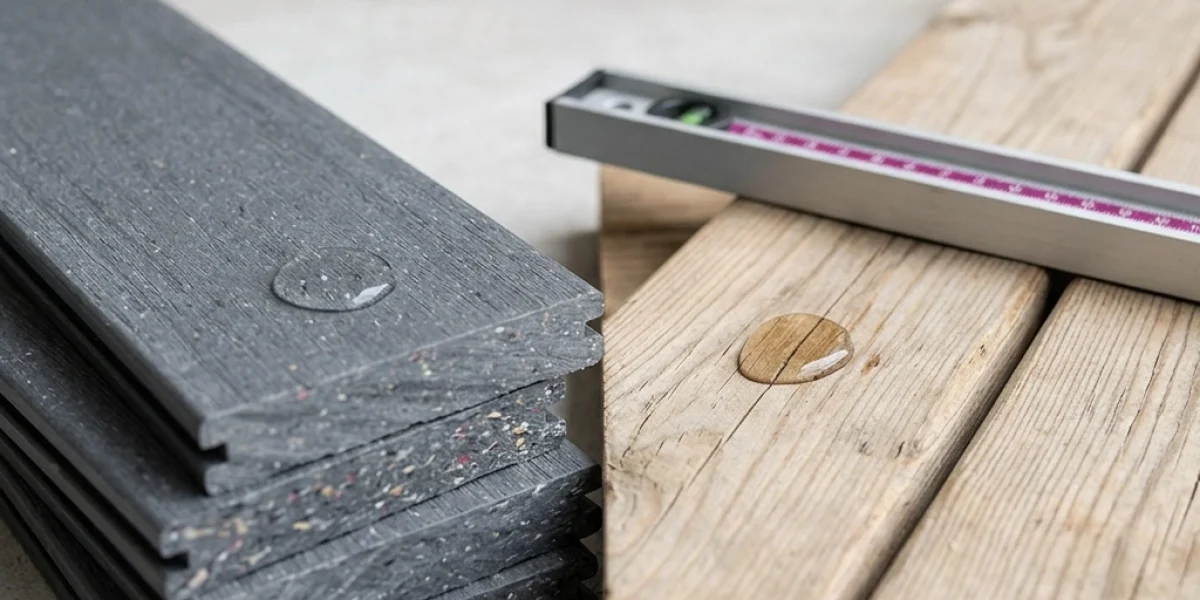
Timber is a beautiful, natural material, but let’s be real: it’s essentially a sponge. In high-moisture areas, wood fibers absorb water, which leads to a host of structural headaches.
- Rot and Decay: Once moisture settles in, fungi take over. Even treated timber eventually succumbs to the “wet rot” that can compromise the structural integrity of a project.
- Warping and Swelling: If you’ve ever seen a timber deck “cup” or a bathroom cabinet door that won’t shut properly after a humid summer, you know the struggle.
- The Maintenance Loop: To keep timber looking decent in a wet environment, you’re looking at a cycle of sanding, oiling, and staining every 12 to 18 months. Who actually has time for that?
When you’re dealing with erosion control or public infrastructure, these issues aren’t just annoying; they’re expensive. Replacing rotted timber sleepers every few years is a massive drain on budgets and resources.
The Recycled Plastic Alternative: Built for the Wet
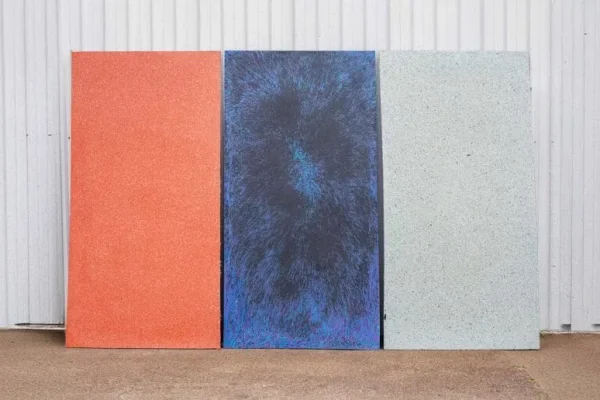
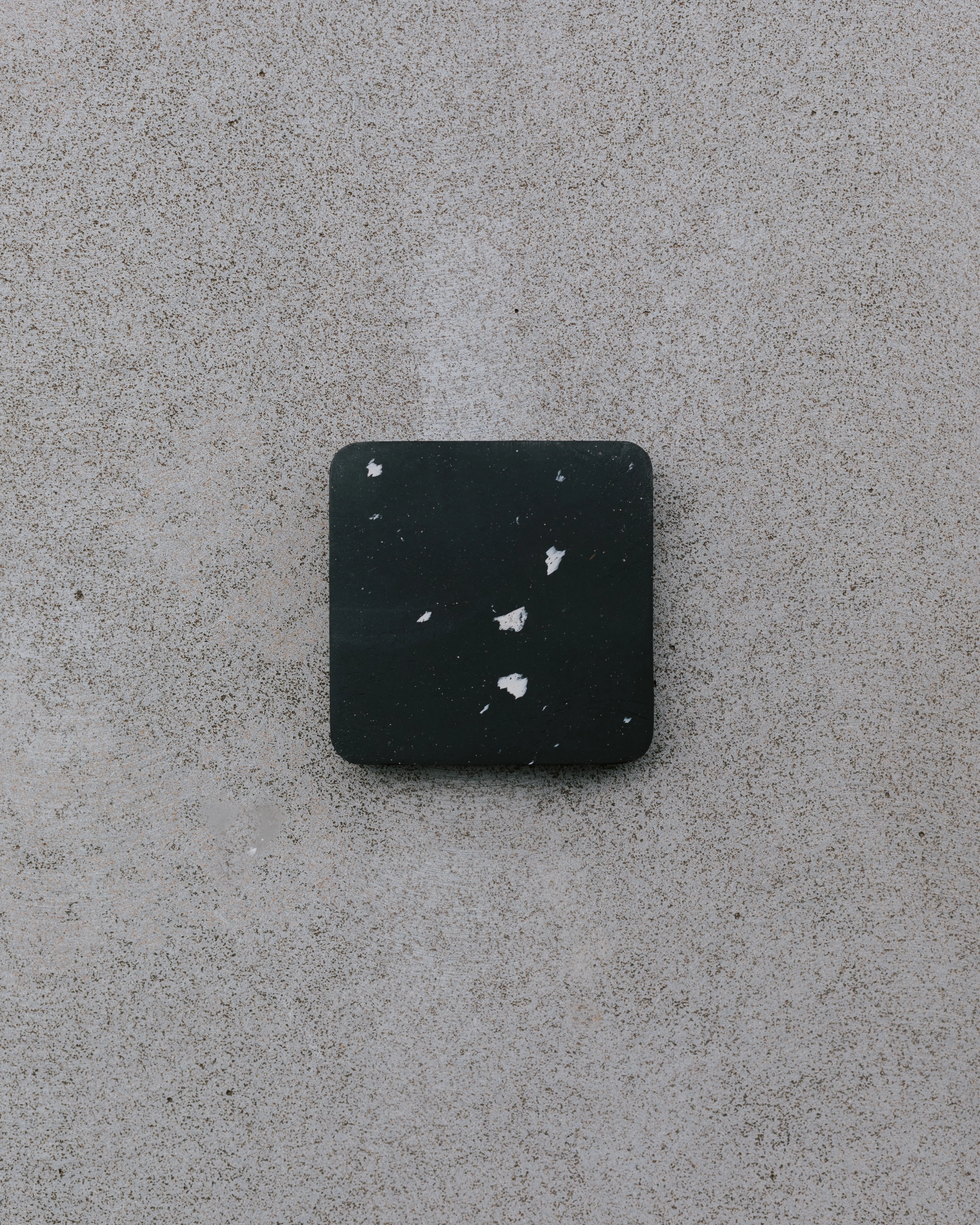
Recycled plastic panels, like our N70 White Confetti or marbled sheets, are engineered to ignore water entirely. Because the material is non-porous, it doesn’t matter if it’s submerged in a swamp or sitting in a steamy bathroom: it stays exactly the same shape it was when it left our factory.
1. Zero Rot, Zero Warping
The biggest win in the recycled plastic vs timber comparison is the lack of organic matter. No organic matter means nothing for fungi to eat. You can install these panels in the dampest corners of a renovation and walk away knowing they will never rot, warp, or swell.
2. Maintenance-Free Living
Forget the stains and the sealants. Recycled plastic requires zero maintenance. No painting, no sanding, and no toxic chemicals needed to keep it from falling apart. For a builder, this means fewer callbacks. For a client, it means a product that looks as good in year 10 as it did on day one.
3. The 50+ Year Lifespan
While a treated timber post might give you 10 to 15 years in the ground before it starts to get “spongy,” our recycled plastic materials are designed for the long haul. We’re talking a 50+ year lifespan. When you factor in that you aren’t replacing the material three times over that period, the recycled plastic vs timber comparison becomes a financial no-brainer.
High-Moisture Use Cases: Where Plastic Wins
We’re seeing builders specify recycled plastic in areas where timber used to fail prematurely.
Kitchen and Bathroom Renovations
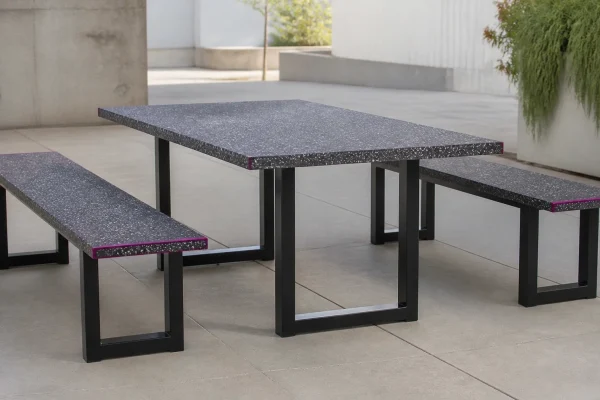
Standard MDF or timber-based boards in bathrooms eventually blow out at the edges due to steam. Our 100% recycled plastic panels are being used for vanities, shelving, and even wall linings. They handle the humidity like a pro and provide a unique, high-end aesthetic that stands out from the “off-the-shelf” flatpack look. Check out how they compare to other surfaces in our recycled plastic benchtops vs engineered stone guide.
Erosion Control and Landscaping
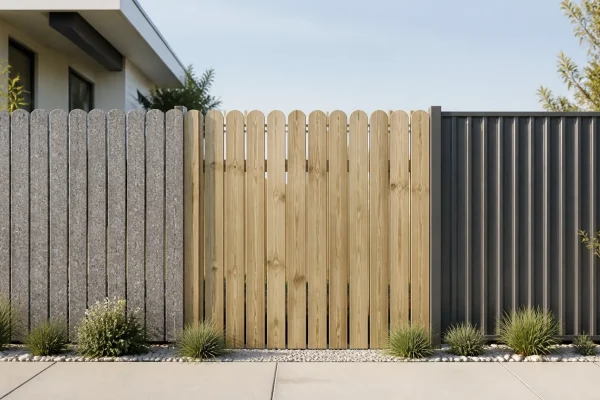
In 2026, climate resilience is a major part of any tender. For retaining walls or erosion control, recycled plastic doesn’t leach chemicals into the soil like ACQ or CCA-treated timber does. It’s a cleaner, tougher, and more sustainable way to manage land.
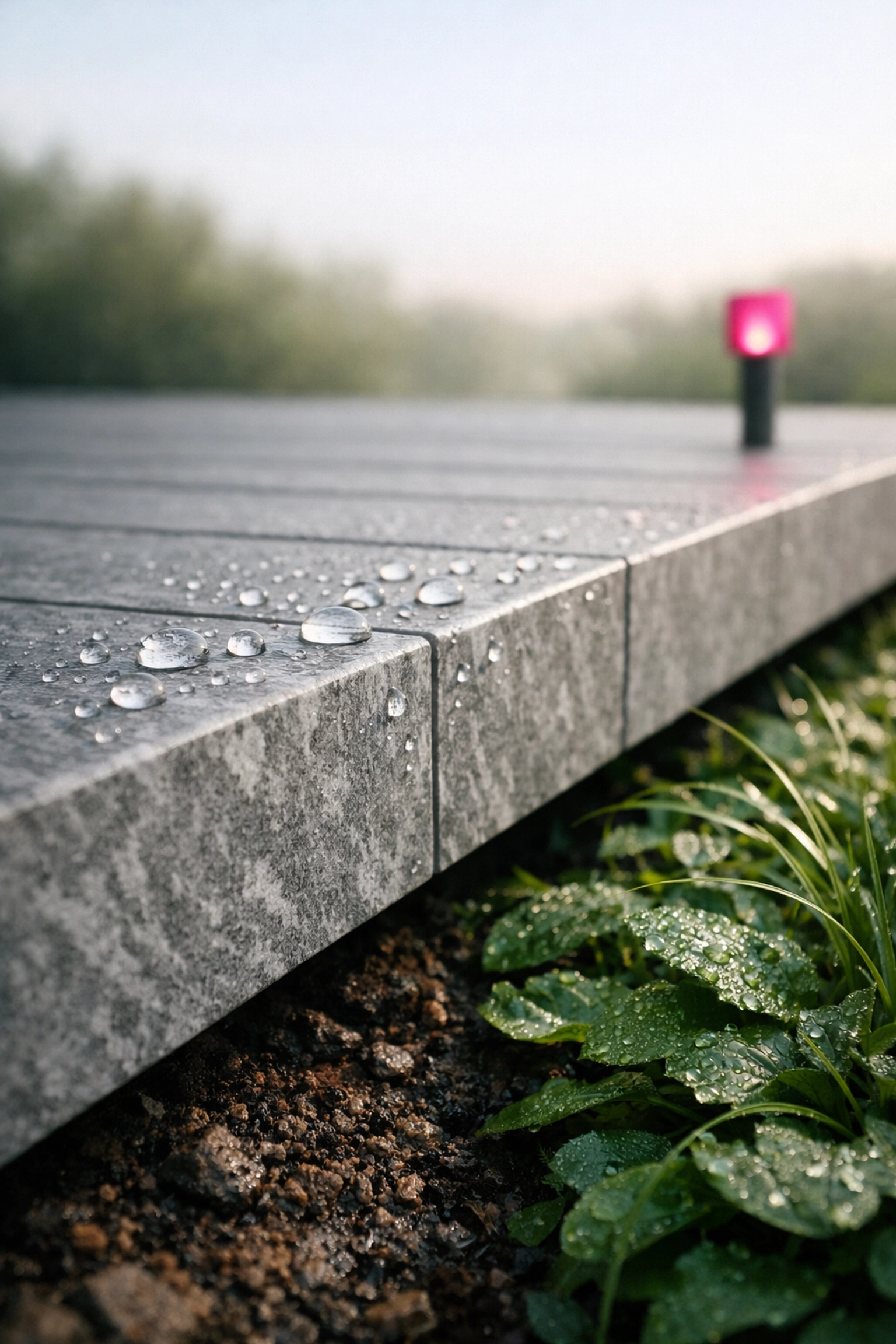
Suggested Image: A close-up of a recycled plastic retaining wall or boardwalk in a coastal or garden setting.
Why It’s a “Smart Investment” (Not Just an Eco-Choice)
I often tell my clients that choosing recycled plastic isn’t just about being a “greenie”: it’s about being smart with your money.
“Recycled plastic isn’t just a sustainable choice, it’s a smart investment. By transforming what was once discarded into durable, cost-effective materials, we’re proving that sustainability and high-end performance go hand-in-hand.” : Jess Hodge, Resourceful Living
When you look at the Life Cycle Cost (LCC), timber is actually more expensive. You have the initial purchase, the labour for staining, the cost of the stain itself, and then the full replacement cost 15 years down the line. Recycled plastic has a higher upfront cost, but your maintenance and replacement costs are zero.
Plus, with the new Embodied Carbon Reporting requirements hitting Australian tenders in 2026, using recycled materials helps you ace your procurement goals. If you’re stressed about the paperwork, take a look at our 3-minute guide for busy builders.
The Circularity Factor: Closing the Loop
One of the coolest things about our panels is that they aren’t just made from waste; they are designed to never become waste. Unlike timber that’s been treated with chemicals (which usually ends up in a special category of landfill), our plastic is 100% recyclable.
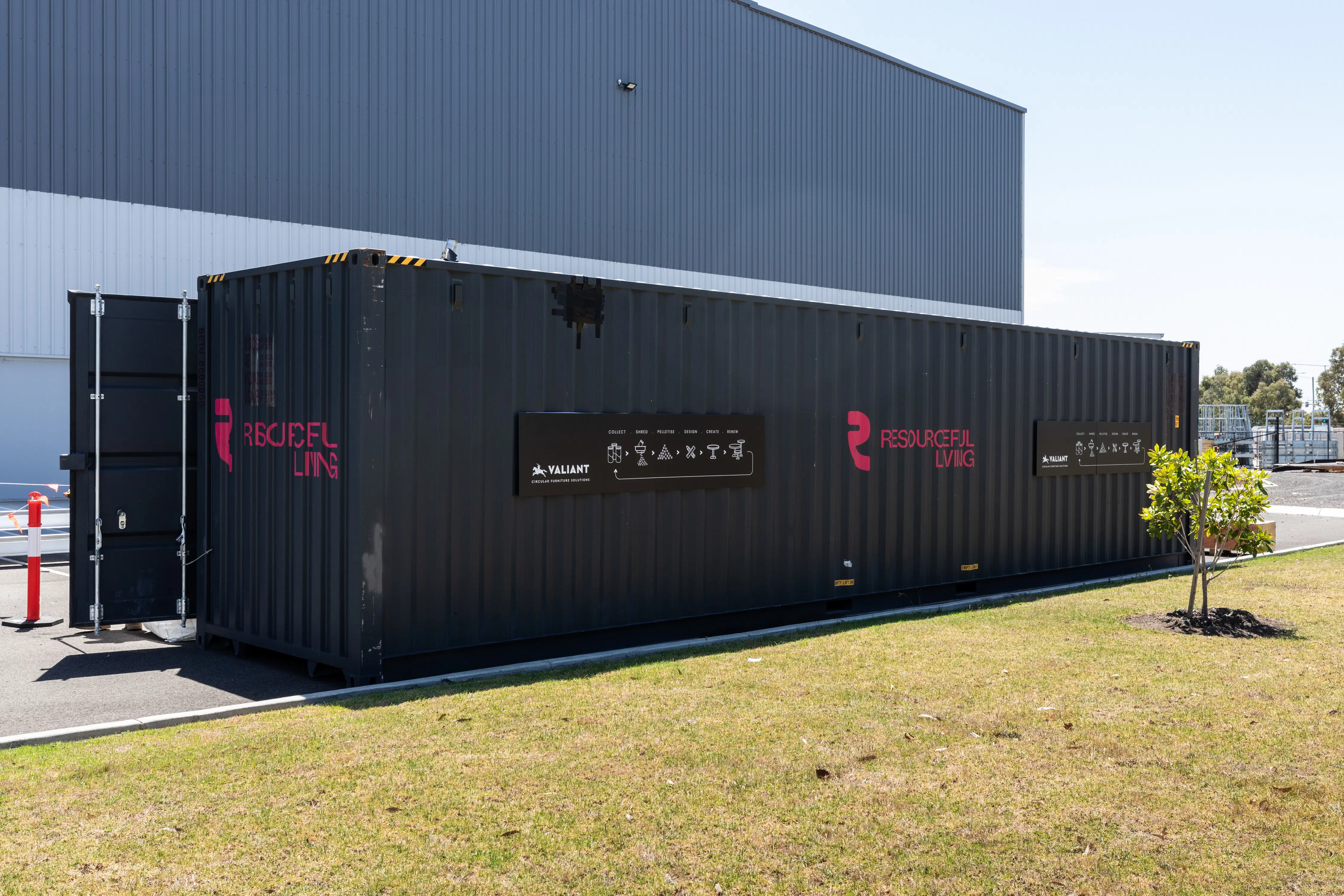
At Resourceful Living, we offer a take-back program. When your project reaches its end of life: decades from now: we’ll take the material back and turn it into something new again. It’s a truly circular system that keeps Australian plastic out of our oceans and in the economy.
Quick Comparison Table: Timber vs. Recycled Plastic
| Feature | Treated Timber | Resourceful Living Recycled Plastic |
|---|---|---|
| Moisture Resistance | Absorbs water, swells, warps | 100% waterproof |
| Rot Resistance | Susceptible to fungi/decay | Immune to rot |
| Maintenance | Annual staining/sanding | Zero maintenance |
| Lifespan | 10–15 years (outdoor) | 50+ years |
| Pest Resistance | Requires chemical treatment | Naturally termite-proof |
| End of Life | Landfill (often toxic) | 100% Recyclable (Take-back) |
How to Switch Your Specs
Making the switch for your 2026 projects is easier than you think. You don’t need special tools; recycled plastic can be cut, drilled, and routed just like timber.
- Identify High-Moisture Zones: Look for areas where you’ve had timber failure in the past.
- Check Your Tenders: See if there are points for “Circular Procurement” or “Recycled Content.”
- Choose Your Style: We have everything from solid tones to crazy “confetti” patterns that make a statement. You can see the range in our product sitemap.
- Local Sourcing: Ensure you are using locally manufactured materials to reduce transport emissions and support Aussie jobs.
Final Thoughts
The recycled plastic vs timber comparison really comes down to one thing: peace of mind. As a builder, you want to walk away from a job knowing it won’t rot out in five years. By choosing a material that thrives in moisture, you’re delivering a better product to your client and doing your bit for the planet.
Ready to see how these panels feel in your hands? Give us a buzz or check out our latest sustainable building materials guide to learn more about how we’re changing the construction game in Australia. Let’s build something that actually lasts.