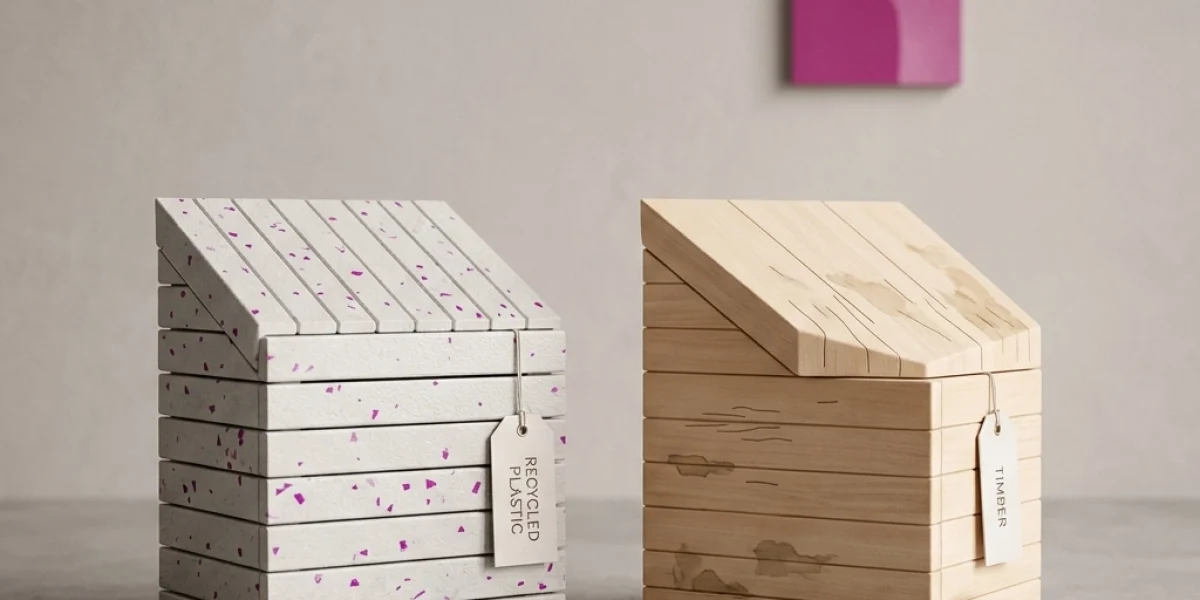
When you're looking at a project quote, it’s easy to get tunnel vision on the bottom line. Timber often wins the "cheapest upfront" award, and for decades, it’s been the default choice for Australian builders and facility managers. But if you’ve ever had to manage a maintenance budget over a five or ten-year cycle, you know that the initial purchase price is only a tiny fraction of the total cost of ownership.
In the industry, we call this the "timber trap." You save 20% today, but you pay for it 300% over the next decade in labour, chemicals, and eventual replacement.
This recycled plastic vs timber comparison isn't just about being "eco-friendly": though that’s a massive part of it: it’s about cold, hard economics. If you're tired of seeing your maintenance budget swallowed by sanding, oiling, and replacing rotted boards, it’s time to look at the data.
The Timber Trap: Why "Cheap" Costs So Much
Timber is a natural, cellular material. While it looks great on day one, it begins to degrade the moment it hits the Australian sun and rain. To keep it functional, you enter a relentless cycle of maintenance.
The Standard Timber Maintenance Schedule:
- Every 12–24 Months: Deep cleaning, sanding back greyed fibres, and reapplying oils or stains.
- Every 3–5 Years: Checking for structural rot, especially around fasteners and joints.
- Every 7–10 Years: Partial or full replacement of boards that have succumbed to termites, moisture, or UV degradation.
When you factor in the cost of professional labour and the rising price of high-quality stains, that "cheap" timber installation starts to look incredibly expensive. For a typical commercial walkway or recycled plastic crowd barrier, the maintenance costs can exceed the original purchase price in as little as five years.
The Zero-Maintenance Reality of Recycled Plastic
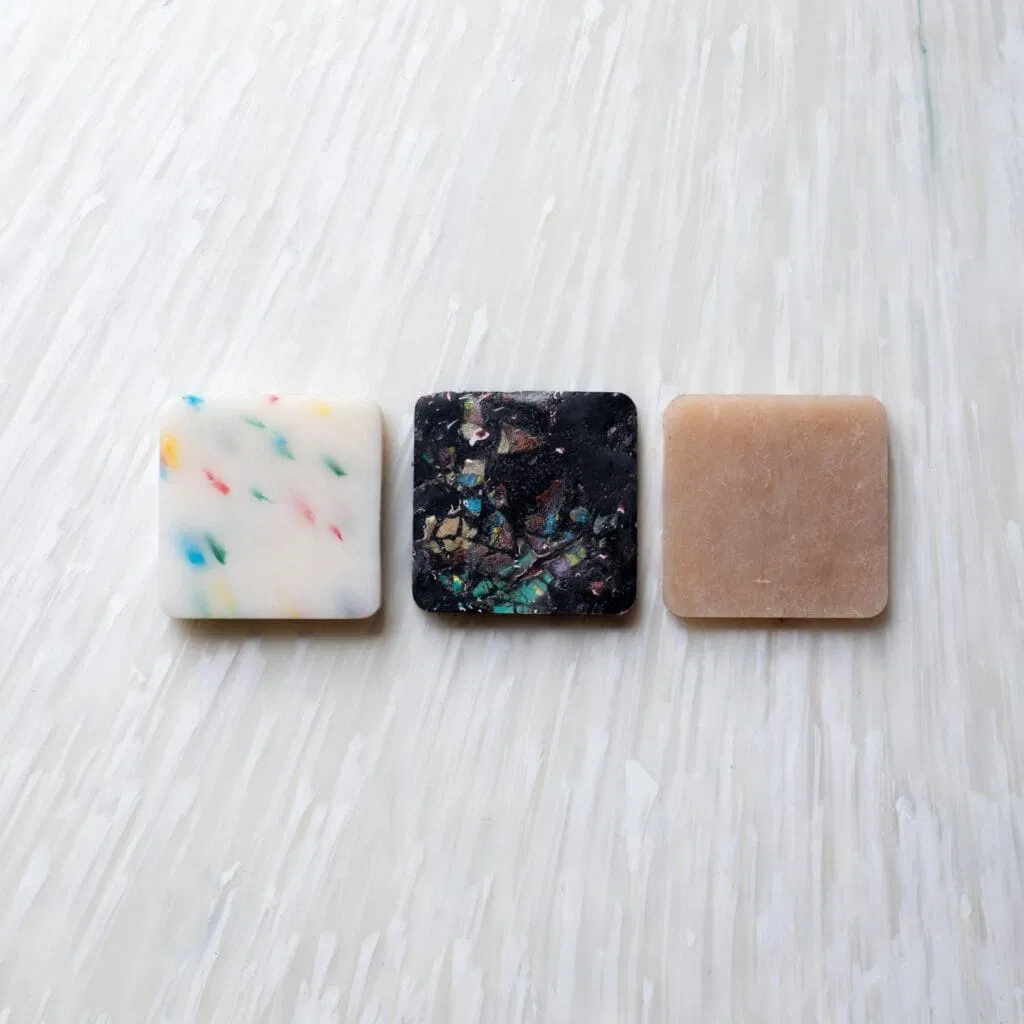
Now, let’s look at the alternative. High-density recycled plastic panels and profiles are engineered to be inert. They don't react to moisture, they don't provide a food source for termites, and they don't "grey out" in the sun in the same way wood does.
The Plastic Maintenance Schedule:
- Whenever it gets dirty: Hose it down.
- That’s it.
Because the colour is often integrated throughout the material, there’s no paint to flake or stain to peel. For facility managers, this represents a massive shift from reactive maintenance to predictable performance. You can reallocate those labour hours to actual improvements rather than just fighting the decay of your existing assets.
The "5x Rule": Why Moisture is the Dealbreaker
In Australia’s high-humidity and coastal environments, moisture is the enemy of construction. This is where the recycled plastic vs timber comparison becomes a slaughter.
We often talk about the "5x Rule" in moisture-heavy environments. In applications like formwork, marine decking, or ground-contact landscaping, recycled plastic typically outlasts plywood and treated pine by at least five times the lifespan.
While plywood delaminates and warps when wet, recycled plastic formwork sheets remain structurally sound and dimensionally stable. They don't absorb water, meaning they don't get heavier, they don't rot, and they don't lose their grip on fasteners.
"Switching from timber to recycled plastic isn't just a sustainability win; it's a strategic move to kill off recurring maintenance costs that have been bleeding budgets dry for years." : Resourceful Living Engineering Team
The Hidden Danger: CCA Chemicals and Disposal Costs
We need to talk about the "dirty secret" of the timber industry: CCA (Copper Chrome Arsenic).
To make timber survive outdoors, it's often pumped full of heavy metals and pesticides. While this extends the life of the wood, it creates a massive headache for your future self.
- Safety: Handling CCA-treated timber requires PPE, and the dust is toxic.
- Disposal: Because of the chemical treatment, CCA timber is often classified as hazardous waste. You can't burn it, and you can't mulch it. When it eventually fails, you'll pay a premium for its disposal at a landfill.
Recycled plastic, specifically the 100% Australian waste materials we use at Resourceful Living, contains no toxic chemicals. It is safe to handle, safe for the environment, and: most importantly: it is circular. When a plastic panel eventually reaches the end of its multi-decade life, it can be ground down and manufactured into a new product again.
10-Year Cost Projection: A Side-by-Side Comparison
Let’s break down a hypothetical 100m² installation of a deck or walkway over a decade.
| Cost Factor | Treated Timber (Hardwood) | Recycled Plastic Panels |
|---|---|---|
| Initial Purchase | $6,000 | $9,000 |
| Installation Labour | $4,000 | $4,000 |
| Year 2 Maintenance | $1,200 (Clean & Oil) | $0 |
| Year 4 Maintenance | $1,200 (Clean & Oil) | $0 |
| Year 6 Maintenance | $2,500 (Sanding & Repairs) | $0 |
| Year 8 Maintenance | $1,200 (Clean & Oil) | $0 |
| Year 10 Replacement | $12,000 (Full replacement + Disposal) | $0 |
| TOTAL 10-YEAR COST | $28,100 | $13,000 |
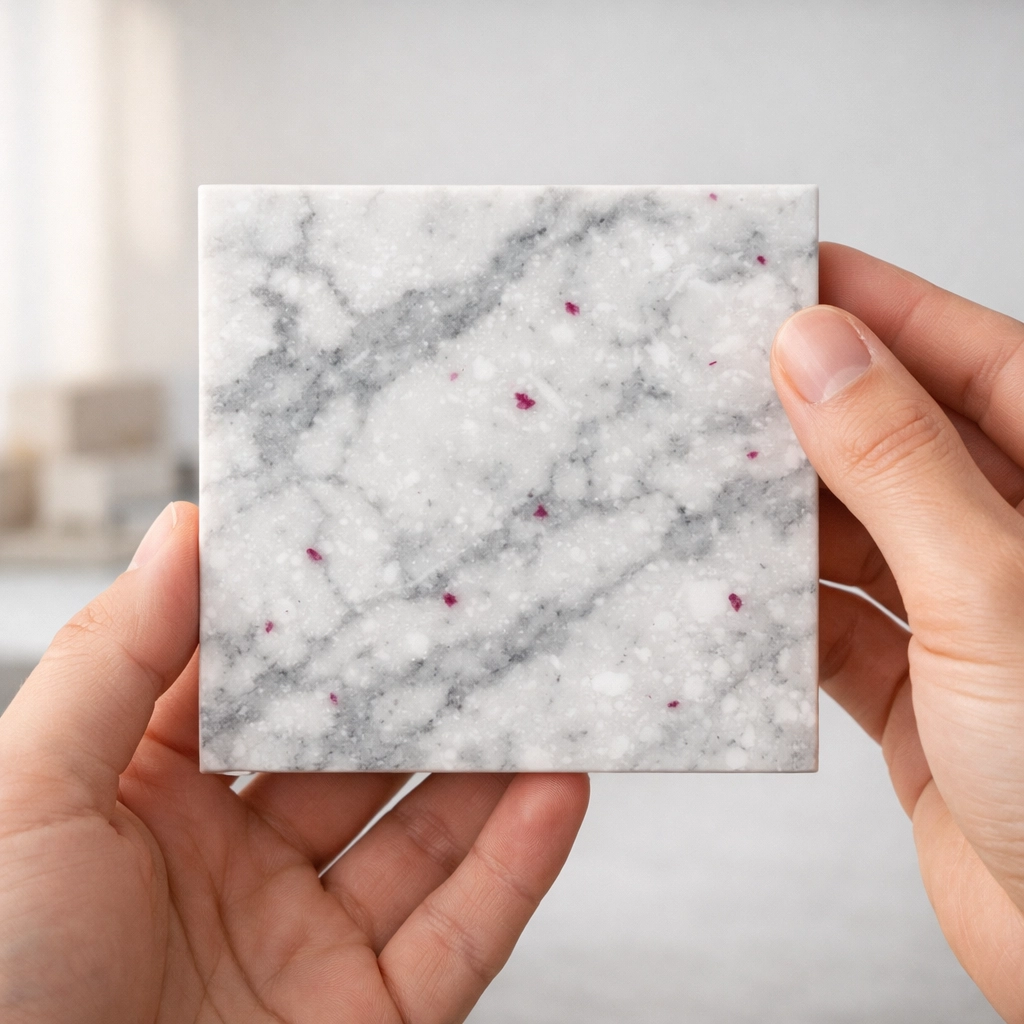
The math is clear. While you might pay a $3,000 premium on day one for recycled plastic products, you've saved over $15,000 by year ten. That is money that stays in your budget for other projects.
Performance in the Field: Beyond the Spreadsheet
It’s not just about the money. Recycled plastic offers physical properties that timber simply can't match:
- No Splinters: Critical for public spaces, schools, and parks.
- Consistent Dimensions: Unlike timber, which warps and bows, plastic panels stay flat and true.
- Vandal Resistance: Graffiti is much easier to remove from non-porous plastic than it is from porous wood.
- UV Stability: We use high-grade additives to ensure our recycled plastic samples maintain their integrity even under the harsh Australian sun.
How to Make the Switch in Your Next Project
If you’re ready to stop the "timber bleed" in your budget, here is how to transition:
- Identify High-Impact Zones: Start with areas that have high moisture exposure or high foot traffic. These are where timber fails first.
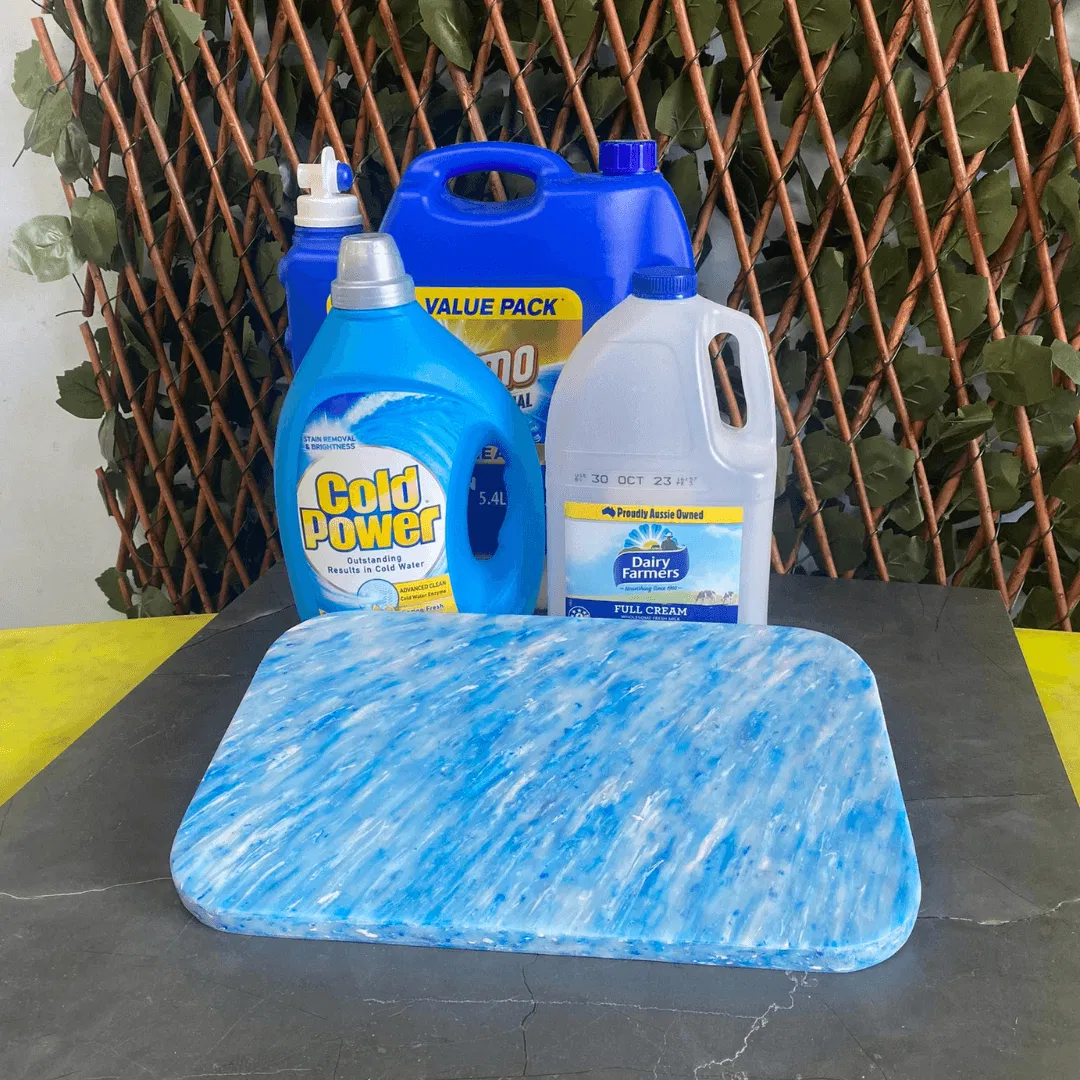
- Request a Sample: See the texture and durability for yourself. You can order a sample pack here.
- Specify Locally Made: Ensure you are getting 100% Australian recycled plastic. Not only does this support local industry, but it also ensures the material is formulated for our specific climate.
- Calculate Lifecycle, Not Line Item: When presenting to stakeholders, always show the 5-year and 10-year cost projections. The "upfront cost" argument disappears when the ROI is this clear.
The Verdict: Recycled Plastic Wins
In the recycled plastic vs timber comparison, timber wins on nostalgic charm and initial price. However, for anyone responsible for a budget, a maintenance schedule, or a sustainability target, recycled plastic is the undisputed heavyweight champion.
By choosing recycled plastic, you aren't just buying a building material; you're buying back your time and your budget for the next twenty years. You’re also preventing thousands of kilos of plastic from entering landfills and ensuring that you don't leave a legacy of CCA-treated waste for the next generation.
Ready to see how our panels can fit into your next project? Whether it's for industrial formwork or bespoke landscape edging, we've got the durable, zero-maintenance solution you've been looking for.