When you're calculating the budget for a commercial project or local infrastructure, the upfront cost of materials is only the tip of the iceberg. Traditionally, timber has been the "go-to" for its low initial price point and natural aesthetic. However, for anyone managing assets over a 50-year horizon, timber is often a financial liability disguised as a bargain.
In the Australian climate: where the sun is brutal, moisture levels fluctuate, and termites are a constant threat: timber requires a relentless cycle of sanding, oiling, and eventual replacement. At Resourceful Living, we’ve analysed the data, and the results are clear: 100% recycled plastic materials are up to 80% cheaper than timber over a 50-year lifespan.
This post breaks down the technical and financial reasons why specifying recycled plastic sheets for your next project isn't just a win for the environment: it’s a critical decision for your bottom line.
1. The Hidden Maintenance Debt of Timber
Timber is a biological material. From the moment it is installed in an outdoor or high-traffic environment, it begins to degrade. To slow this process, asset managers must commit to a "maintenance debt" that accumulates every single year.
The Standard Timber Maintenance Schedule:
- Years 1–50: Annual or biennial oiling or staining to prevent UV cracking and moisture ingress.
- Every 5 Years: Deep sanding to remove weathered surface layers and restore appearance.
- Years 15–25: Significant structural inspections and partial replacement of elements affected by rot or termite damage.
- Year 25–30: In most Australian conditions, a full replacement of softwood timber is required, effectively doubling the initial capital expenditure.
"Over a 20-year period, the cumulative maintenance costs for timber can exceed the original purchase price. When you stretch that to 50 years, you aren't just buying the material once: you're paying for it three or four times over in labour and coatings." : Industry Insight.
2. Why Recycled Plastic Has "Zero" Maintenance
Unlike timber, our 100% recycled plastic panels are solid blocks of high-density material with no additives or veneers. They are chemically inert, meaning they don’t react to the environment in the same way organic matter does.

Key Durability Metrics:
- ✅ Termite Proof: Plastic provides zero nutritional value to pests. No chemical treatments are required.
- ✅ Rot & Mould Resistant: Our materials do not absorb moisture. They can be submerged or installed in high-humidity areas without swelling or losing structural integrity.
- ✅ UV Stability: Engineered for the Australian sun, our panels resist the "greying" and splintering effect common in timber.
- ✅ Zero Coatings: There is no need for oiling, painting, or sealing. Ever.
By removing the need for professional sanding and expensive oils, the only maintenance required is an occasional wash with a high-pressure hose to remove surface dust.
3. The 50-Year Cost Comparison (Timber vs. Recycled Plastic)
To understand the Return on Investment (ROI), we have to look at the Total Cost of Ownership (TCO). While recycled plastic has a higher upfront cost (typically 1.5x to 2x that of treated timber), the maintenance savings flip the script within the first decade.
| Cost Element (Per Project) | Treated Timber (50 Years) | Recycled Plastic (50 Years) |
|---|---|---|
| Initial Purchase & Install | $10,000 | $18,000 |
| Annual Oiling/Sealing | $15,000 ($300/yr avg) | $0 |
| Sanding & Refurbishment | $8,000 (every 5 years) | $0 |
| Mid-Life Replacement | $12,000 (at year 25) | $0 |
| Disposal Fees (End of Life) | $2,000 (Landfill) | $0 (Free Take-Back) |
| TOTAL 50-YEAR COST | $47,000 | $18,000 |
| SAVINGS | Baseline | 61.7% Reduction |
Note: In many high-use commercial applications, the savings reach 80% when factoring in the rising cost of skilled labour for maintenance.
4. Performance in the Australian "Built Environment"
When we talk about the recycled plastic vs timber comparison, we have to address the specific pain points of Australian construction. From coastal salt spray to the 40°C heat of the interior, timber struggles to maintain its dimensions.

Structural Stability
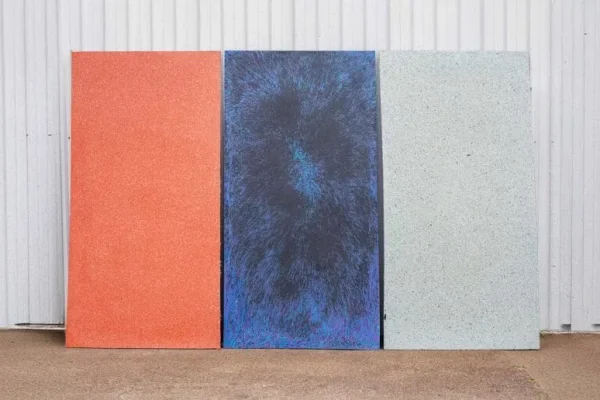
Timber is prone to warping, cupping, and splitting as it dries and re-hydrates. This creates safety hazards (splinters) and aesthetic failures. Our 2400mm x 1200mm panels remain dimensionally stable, making them ideal for:
- Commercial Kitchen & Bathroom Renovations: Where moisture usually kills timber cabinetry.
- Retail Displays & Storage: Where durability under heavy use is paramount.
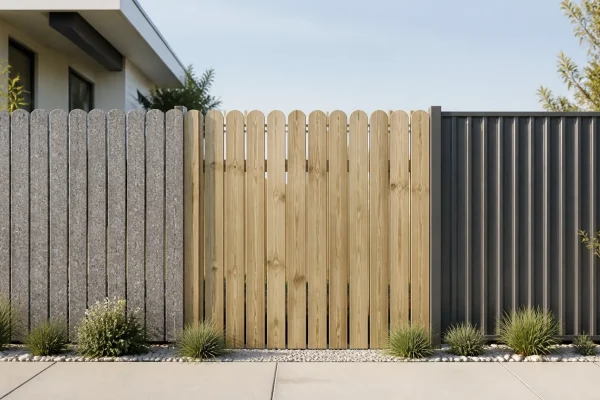
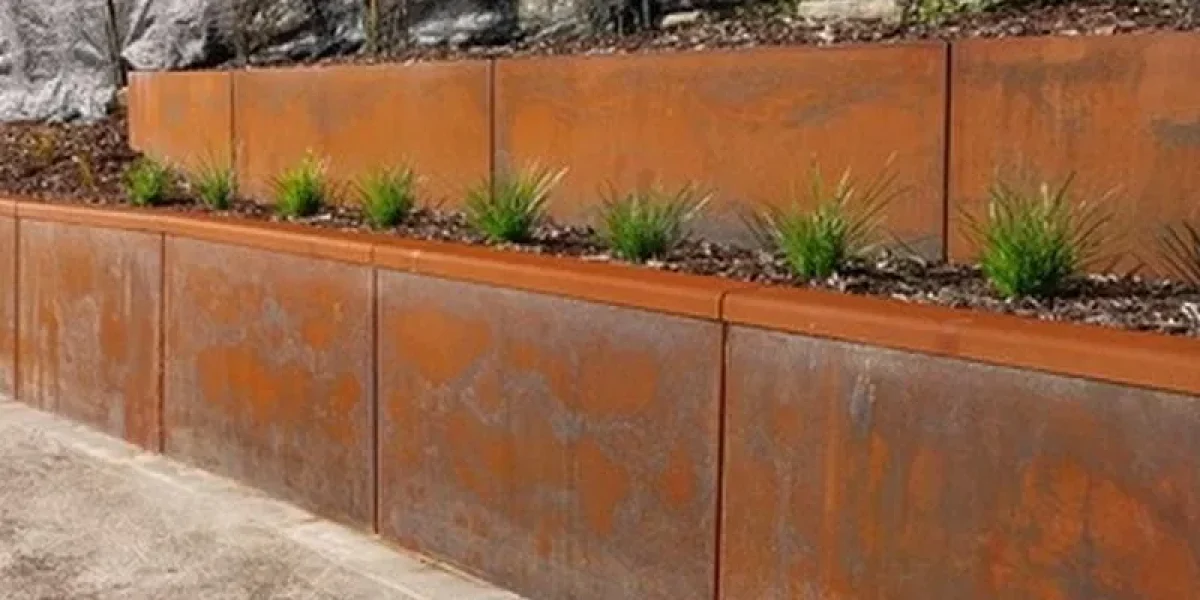
- Erosion Control & Noise Barriers: Where the material is in direct contact with soil or exposed to the elements 24/7.
5. Environmental ROI: The Circular Advantage
Choosing recycled plastic isn't just a financial decision; it's a strategic move to meet sustainability targets and reduce embodied carbon. At Resourceful Living, we manage the entire lifecycle of our products.

- 100% Australian Waste: We don't import plastic. We use local waste, directly cleaning up the Australian environment.
- Carbon Emissions: Our panels have significantly lower carbon emissions compared to traditional materials that require heavy processing or global shipping.
- The Take-Back Program: We offer a unique circular solution. At the end of its 50+ year life, we will collect our products free of charge to remanufacture them into new items. This eliminates future disposal costs and landfill levies.
6. How to Switch: A Specifier’s Checklist
If you are ready to stop the "maintenance bleed" on your next project, follow these steps to ensure you’re getting the best high-performance material:
- Verify the Source: Ensure the material is 100% recycled plastic. Many competitors use "WPC" (Wood Plastic Composite), which can still rot because it contains wood fibres.
- Check the Thickness: Our panels range from 3mm to 40mm. Ensure you specify the correct thickness for structural vs. decorative use.
- Confirm Traceability: Ask for proof of where the plastic was sourced. At Resourceful Living, we can trace the plastic source, helping you meet Green Star and NCC compliance.
- Plan for the Take-Back: Include our stewardship programme in your project’s waste management plan to boost your sustainability credentials.
7. Lock In Pricing and Faster Supply
For builders, timing matters just as much as material performance. If you want to lock in current pricing and avoid the delays that often come with imported timber supply chains, now is the time to act.
Because our manufacturing runs 24/7, we can turn around panel orders faster than imported timber alternatives that rely on shipping schedules, port delays, and offshore stock availability. That means you can keep your programme moving with a local supplier built for faster fulfilment.
Buy Now: Direct Builder CTA
✅ Need panels for an upcoming project?
Request a Quote to secure current pricing and speak with our team about the right panel size, thickness, and colour for your job.
If you're pricing a build right now, don't wait for imported timber lead times to blow out your schedule. Lock in your recycled plastic panel order while current pricing is available.
Final Thoughts
The "cheap" price of timber is an illusion. When you account for the labour, chemicals, and replacements required over five decades, it becomes one of the most expensive materials you can specify.
By switching to 100% Australian recycled plastic, you aren't just saving money: you’re investing in a maintenance-free future.
Ready to move now? Request a Quote to lock in current pricing, or contact our team today to request a sample pack for your next project.