For decades, the Australian infrastructure sector has relied on a single "default" material: concrete. It’s heavy, familiar, and everywhere. However, as we move into 2026, the landscape for civil engineers and local councils has fundamentally shifted.
The pressure to meet Net Zero targets, manage tightening maintenance budgets, and adhere to the National Construction Code (NCC) 2025 requirements for material traceability means "the way we’ve always done it" is no longer the most efficient or cost-effective path.
When comparing Recycled High-Density Polyethylene (rHDPE) to traditional concrete for non-primary structural applications: such as noise barriers, bollards, and erosion control: the data reveals a clear winner in logistics, durability, and lifecycle value.
The Weight Problem: Logistics and Site Efficiency
The most immediate difference between these two materials is density. Standard concrete sits at approximately 2,400 kg/m³, whereas Resourceful Living’s recycled plastic panels have a density of 950–980 kg/m³.
This ~60% reduction in weight isn't just a technical footnote; it transforms your entire project logistics:
- Transport Costs: You can transport more material per load, significantly slashing fuel consumption and logistics overheads.
- Site Safety: Lighter materials reduce the risk of manual handling injuries and the requirement for heavy lifting machinery.
- Installation Speed: In many cases, recycled plastic components can be installed with smaller crews and lighter equipment, or even manually in tight-access areas where a crane cannot reach.
Expert Insight: "While concrete is built for compressive strength in skyscrapers, its weight makes it a logistical liability for civil assets. Recycled plastic offers the 'toughness' required for infrastructure without the 'dead weight' of stone and cement."
Head-to-Head: Material Performance Metrics
When specifying for 20-year or 50-year asset strategies, you need to look beyond the initial pour. Below is a direct comparison based on our 2026 product testing data.
| Feature | Standard Concrete | Resourceful Living rHDPE |
|---|---|---|
| Weight | ~2,400 kg/m³ (Extremely Heavy) | ~950 kg/m³ (Lightweight/Floats) |
| Water Absorption | 3% – 10% (Porous) | 0.0% (Fully Waterproof) |
| Chemical Resistance | Low (Susceptible to salts/acids) | High (Inert to most chemicals) |
| Maintenance | High (Sealing, patching, cracking) | Zero (No rot, rust, or spalling) |
| End-of-Life | Downcycled (Rubble/Landfill) | 100% Recyclable (Take-back program) |
| Installation | Days/Weeks (Curing required) | Hours/Days (Instant assembly) |
1. Embodied Carbon: Beyond the Surface
Cement production is responsible for roughly 8% of global CO2 emissions. While low-carbon concrete mixes are entering the market, they often still rely on non-renewable mineral extraction.
In contrast, our 100% recycled panels divert Australian plastic waste from landfill. By replacing concrete elements with rHDPE, projects can see an embodied carbon reduction of up to 60% per tonne of material used. Furthermore, using recycled plastic as void formers in remaining concrete structures can reduce total concrete volume by up to 40%, compounding your sustainability credits.
2. Durability in Harsh Environments
Australia’s coastal and high-UV environments are brutal on concrete. Concrete is naturally porous; moisture ingress leads to the corrosion of internal steel reinforcement: commonly known as concrete cancer.
Our rHDPE panels are UV-stabilised and chemically inert. They will not rot, swell, or crack under salt spray or chemical exposure. For erosion control and noise barriers in coastal zones, this translates to an asset that looks and performs the same in Year 20 as it did on Day 1.

Specific Infrastructure Applications for 2026
Where should you be making the switch? While concrete remains the only choice for heavy-duty load-bearing foundations, recycled plastic is the superior choice for:
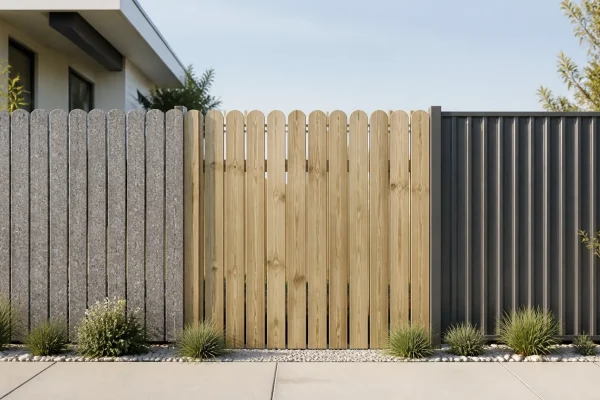
Noise Barriers and Acoustic Fencing
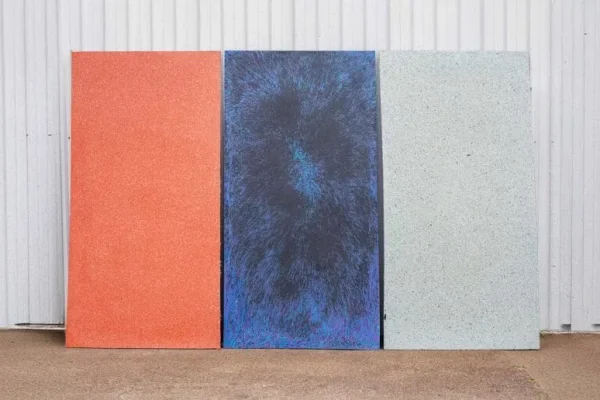
Our 2400mm x 1200mm panels are solid blocks of 100% recycled plastic (no veneers or hollow cores). They provide excellent density for sound attenuation without the brittleness of pre-cast concrete. If a vehicle impacts a plastic barrier, it deforms rather than shattering, making it safer and easier to repair.
Bollards and Signage
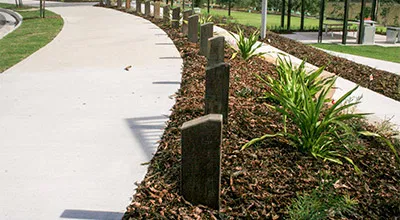
Traditional concrete bollards chip and degrade. Our recycled plastic bollards are coloured all the way through: meaning they never need painting and don't show scratches.
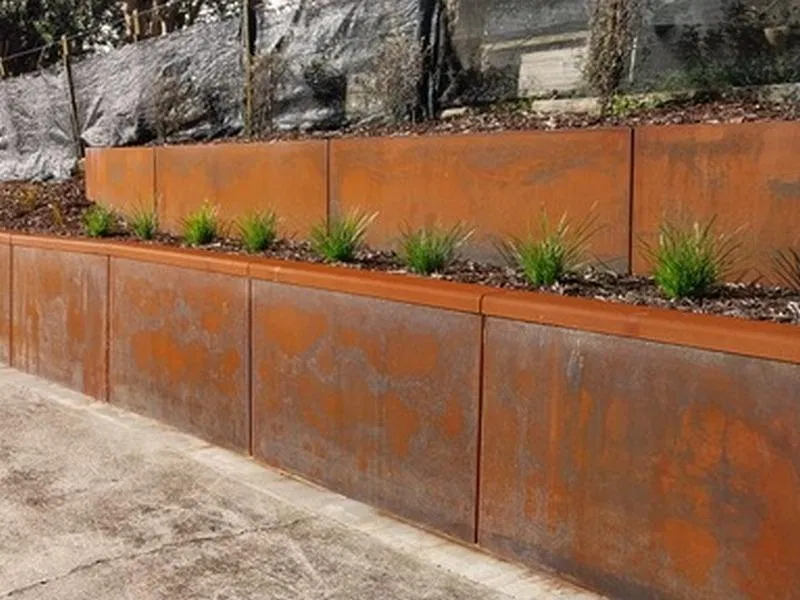
Erosion Control and Retaining Walls
For non-structural landscaping and erosion control, our recycled plastic garden edging and panels offer a "fit and forget" solution. They are completely impervious to moisture, making them ideal for ground-contact applications where even treated timber or concrete would eventually fail.
The Verdict: Choosing for the Long Term
If you are managing a 2026 infrastructure tender, the choice between recycled plastic and concrete shouldn't be based on habit.
Choose Concrete for:
- Heavy structural foundations and footings.
- High-rise primary load-bearing structures.
- Heavy-duty highway bridge decks.
Choose Resourceful Living Recycled Plastic for:
- Noise barriers and acoustic cladding.
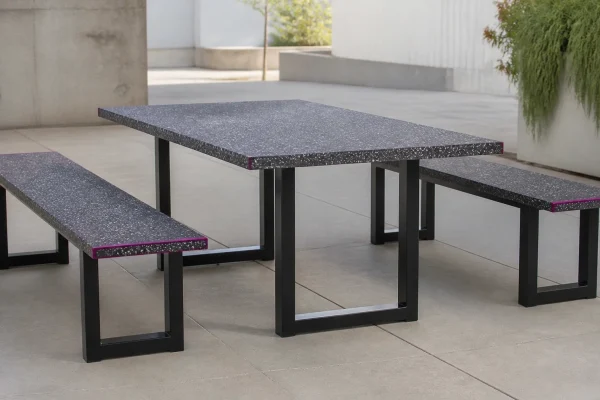
- Bollards, signage, and public furniture.
- Erosion control and non-structural retaining walls.
- Any application where zero maintenance and low embodied carbon are project KPIs.
By integrating circular construction principles, you aren't just building an asset; you're solving a waste problem. Every tonne of our material represents a direct diversion of local Australian plastic from landfill, traceable and tested for industrial use.
Your Next Steps:
- Review your specs: Identify non-structural concrete elements in your current designs.
- Compare the ROI: Factor in the 80% reduction in lifetime maintenance costs for recycled plastic.
- Check Compliance: Ensure your materials meet the latest embodied carbon reporting requirements using our 5-step guide.
Ready to spec 100% Australian recycled plastic for your next project? Contact our team for technical data sheets or a custom quote on our 2400mm x 1200mm industrial panels.