As we move further into 2026, Australian project managers and engineers are facing a "perfect storm" of rising material costs, stricter embodied carbon reporting, and tightening maintenance budgets. The traditional default for structural applications, concrete, is increasingly being scrutinised not just for its carbon footprint, but for the long-term financial liability it creates through maintenance, remediation, and eventual failure.
In the debate of recycled plastic vs concrete structural, the "better" material isn't always the strongest on Day 1; it’s the one that delivers the highest Total Value of Ownership (TVO) over its 20-year lifecycle.
At Resourceful Living, we've seen a massive shift in how local councils and private developers allocate their 2026 budgets. They’re moving away from high-maintenance traditional materials and toward high-performance, 100% recycled plastic solutions.
The Hidden Cost of Concrete: The "Concrete Cancer" Tax
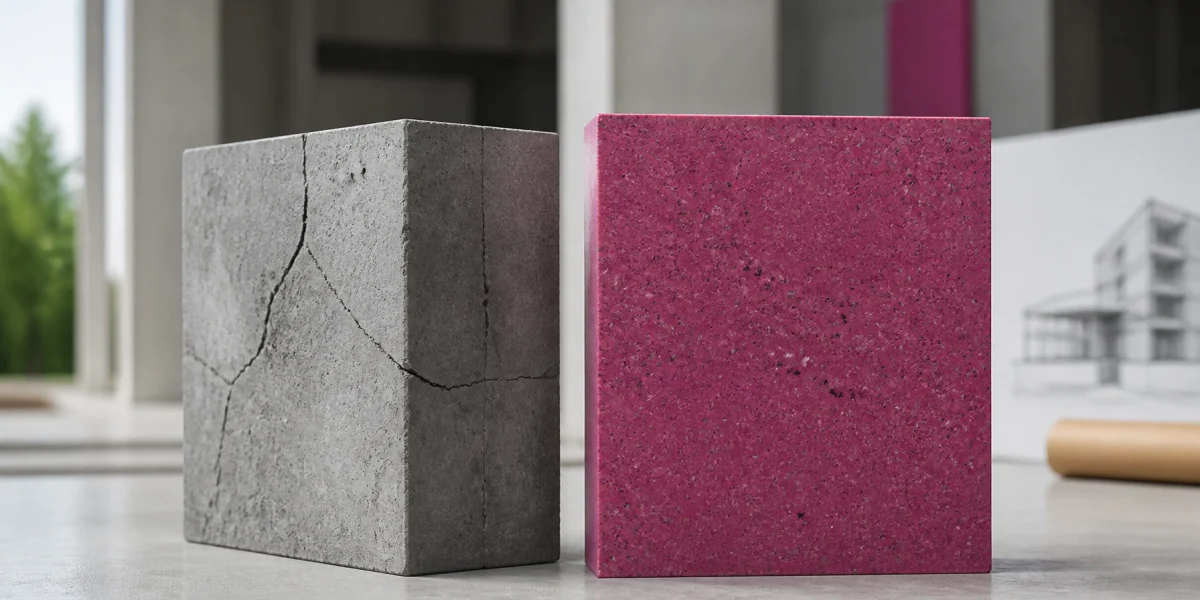
For decades, concrete has been the bedrock of Australian infrastructure. However, in 2026, we’re seeing the cumulative cost of maintaining those assets. Concrete is inherently porous and susceptible to chloride ingress, carbonation, and reinforcement corrosion, commonly known as "concrete cancer."
For structures in coastal or high-moisture environments, the maintenance cycle is relentless:
- Year 5-10: Initial hairline cracks appear due to thermal expansion and shrinkage.
- Year 10-15: Water reaches the steel reinforcement, causing it to rust and expand.
- Year 15+: Spalling occurs, requiring expensive high-pressure water blasting and polymer-modified mortar repairs.
Concrete requires regular sealing, patching, and structural inspections. When you factor in the labour costs of 2026, which have risen significantly due to specialised skill shortages, the "cheap" initial price of concrete often doubles or triples over a 20-year span.
Why Recycled Plastic is the 2026 "Budget Hero"
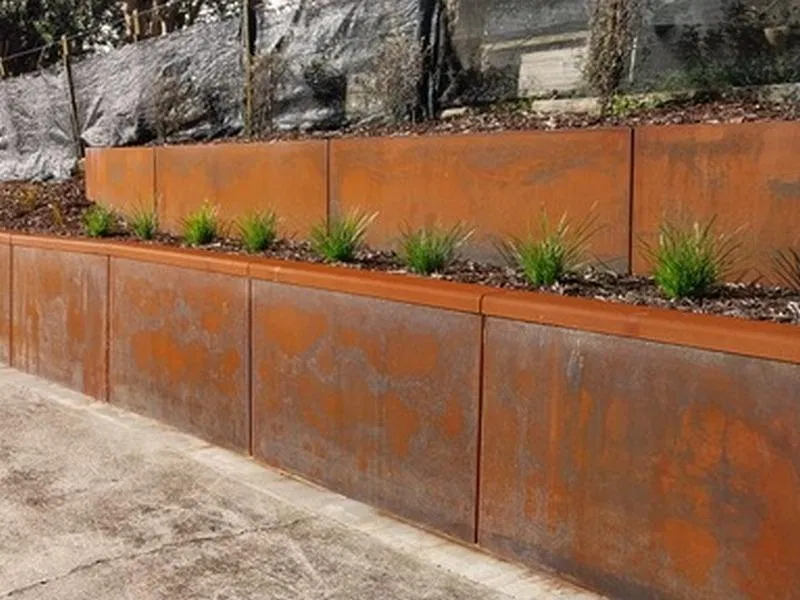
When we compare recycled plastic vs concrete structural performance in non-critical or secondary structural roles (like retaining walls, noise barriers, and fenders), recycled plastic wins on nearly every maintenance metric.
Our 100% recycled plastic panels are manufactured from high-density polyethylene (HDPE) and other locally sourced Australian waste. Unlike concrete, they are chemically inert and completely impervious to moisture.
1. Zero Corrosion or Rot
Recycled plastic does not rust, spall, or decay. In marine or high-humidity environments where concrete rebar fails, our plastic panels remain structurally sound without any protective coatings or chemical treatments. This eliminates the need for periodic resealing, a major win for your maintenance budget.
2. UV Stability and Colour Fastness
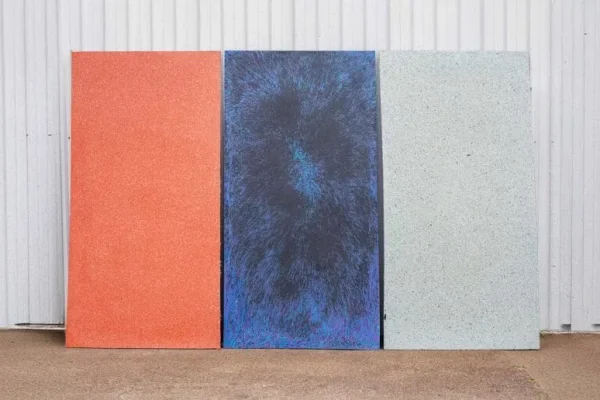
Modern manufacturing techniques allow us to integrate UV stabilisers directly into the material. Unlike painted concrete or steel which flakes and requires repainting, the colour in Resourceful Living panels is consistent throughout the entire solid block of plastic.
3. Faster Turnaround and Installation
Concrete requires formwork, curing time, and often heavy lifting equipment. We manufacture 1 tonne of plastic per day and can produce custom sizes (up to 40mm thick) that are lightweight enough to be handled by smaller teams, significantly reducing the on-site labour component of your budget.
"In 2026, the most successful projects aren't those that save 5% on initial materials, but those that save 80% on maintenance over the next decade. Recycled plastic is the primary tool for achieving that shift." , Jess Hodge, Resourceful Living.
Data Comparison: Recycled Plastic vs Concrete Structural
| Feature | Structural Concrete | 100% Recycled Plastic (Resourceful Living) |
|---|---|---|
| Initial Cost | Moderate | Moderate to High |
| Maintenance Need | High (Sealing, Patching) | Near Zero |
| Moisture Resistance | Porous (prone to ingress) | 100% Waterproof |
| Carbon Footprint | Very High (Cement production) | Low (Diverts waste from landfill) |
| End of Life | Landfill or low-grade rubble | 100% Recyclable (Take-back program) |
| Installation Speed | Slow (Curing required) | Fast (Ready to install) |
| Durability in Salt | Poor (Rebar corrosion) | Excellent |

Understanding the "Structural" Boundary
It’s important to be realistic about material properties. In the recycled plastic vs concrete structural debate, concrete still holds the crown for primary load-bearing elements like bridge pylons or multi-storey floor slabs due to its extreme compressive strength.
However, for Secondary Structural and Civil Applications, recycled plastic is the superior choice. These include:
- Retaining Walls: Our retaining wall panels handle soil pressure effectively without the risk of cracking under freeze-thaw or moisture cycles.
- Noise Barriers: Dense recycled plastic provides excellent acoustic insulation and is graffiti-resistant.
- Wharf Fenders: In marine environments, plastic's flexibility allows it to absorb impacts that would cause concrete to crack and spall.
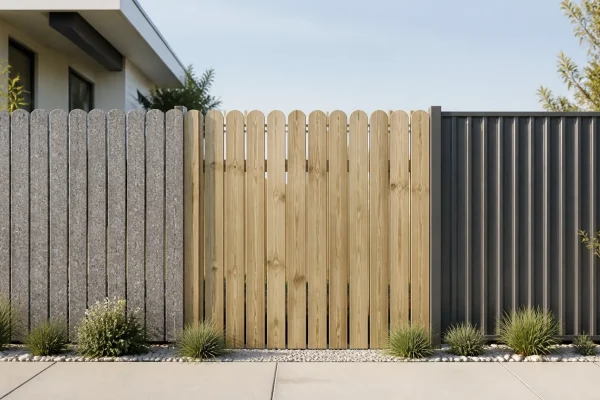
- Retail and Storage Fit-outs: For heavy-duty industrial shelving or protective wall cladding, 40mm recycled sheets offer a durability concrete simply can't match in a thin profile.

The 2026 Circular Advantage: Why Tenders Care
In 2026, winning a government or large commercial tender often requires a high recycled content percentage. Using concrete, even "green" concrete, still involves massive carbon emissions during production.
Resourceful Living products help you hit these targets instantly. We use 100% Australian plastic waste, meaning you can trace the material back to the local community. This isn't just good for the planet; it's a critical metric for your ESG (Environmental, Social, and Governance) reporting.
Our Take-Back Program
A major hidden liability of concrete is the cost of demolition and disposal. At the end of its life, concrete is often "down-cycled" into road base or sent to landfill.
Resourceful Living offers a free take-back program. At the end of the product's life (which could be 50+ years away), we collect it and remanufacture it into new panels. This removes the "disposal" line item from your future budget entirely.

Decision Checklist: Concrete or Recycled Plastic?
If you're finalising your 2026 project specs, ask yourself these four questions:
- Is the environment corrosive? If yes (coastal, chemical, or high moisture), Recycled Plastic is your best bet to avoid "concrete cancer" repair costs.
- What is the load requirement? If it’s a primary structural slab or column, stick with Concrete. If it’s cladding, a barrier, or a non-critical wall, Recycled Plastic offers better long-term value.
- Are there strict carbon targets? Recycled Plastic provides a much higher "sustainability score" for tenders.
- What is the "End of Life" plan? If you want a circular solution that avoids future landfill levies, choose a material with a Take-back program.
Conclusion: Making the 2026 Budget Work Harder
The comparison of recycled plastic vs concrete structural performance reveals a clear trend: we are moving away from "brute force" materials and toward "intelligent" materials.
Concrete will always have its place in heavy engineering, but for the hundreds of secondary structural elements that make up our built environment, it is a maintenance liability. By switching to Resourceful Living’s 100% recycled plastic panels, you aren't just saving the environment: you’re protecting your maintenance budget from the inevitable costs of repair and remediation.
Ready to see how recycled plastic fits into your next project?
Explore our 6 popular colours or contact us for custom 24/7 manufacturing in Australia.