As we move toward the 2026 deadline for more stringent circular economy mandates in Australia, the construction industry is facing a critical pivot. Infrastructure projects: ranging from high-speed rail noise barriers to civil support structures: are no longer just about meeting load-bearing requirements. They are now evaluated on embodied carbon, end-of-life viability, and long-term maintenance costs.
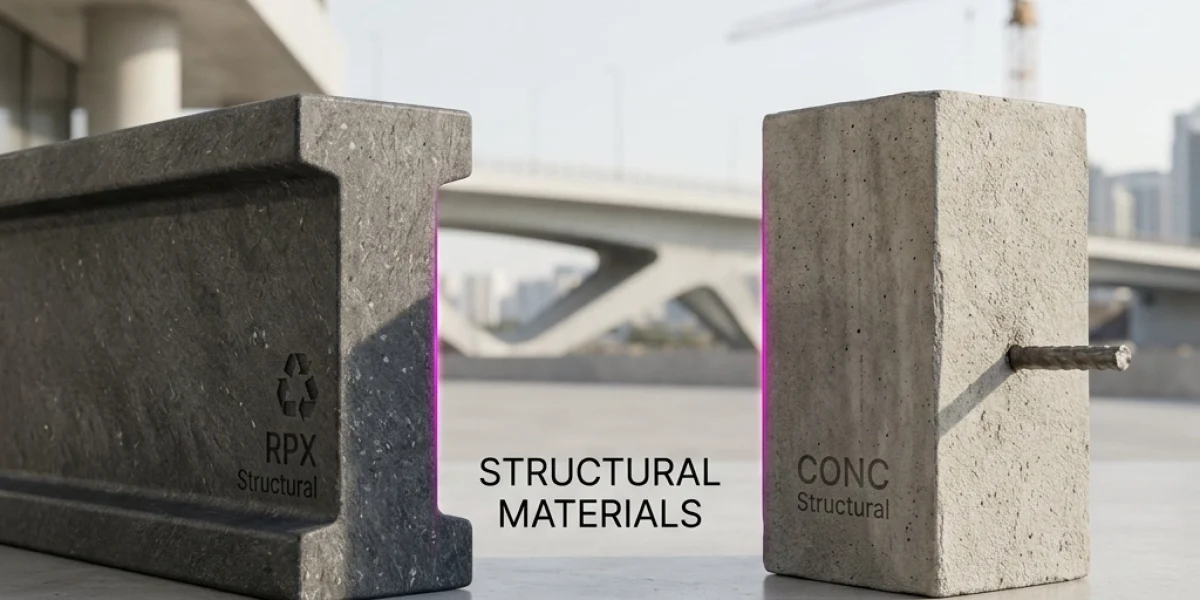
The traditional heavyweight, concrete, is being challenged by high-performance recycled plastic panels. While concrete has been the default for decades, the shift toward sustainable building materials is uncovering significant performance advantages in recycled polymers that concrete simply cannot match.
In this guide, we’ll break down the technical metrics of recycled plastic vs concrete structural applications to help you determine which is the smarter investment for your next tender.
Why the Comparison Matters in 2026
Infrastructure isn’t just about building for today; it’s about building for a decade of extreme weather and strict environmental reporting. By 2026, many Australian government tenders will require detailed embodied carbon reporting.
Choosing between concrete and recycled plastic now involves calculating more than just the price per unit. It involves looking at logistics, durability in high-moisture environments, and circularity.
“Recycled plastic isn’t just a sustainable choice, it’s a smart investment. By transforming what was once discarded into durable, cost-effective materials, we’re proving that sustainability and high-end performance go hand-in-hand.” : Jess Hodge, Resourceful Living
Key Technical Metrics: A Side-by-Side Comparison
When evaluating materials for infrastructure like noise walls, retaining barriers, or drainage supports, the following table highlights the core differences:
| Feature | Concrete (Traditional) | Recycled Plastic (Resourceful Living) |
|---|---|---|
| Density | ~2,400 kg/m³ | ~950–980 kg/m³ |
| Water Absorption | Porous (absorbs moisture) | 0% (Completely waterproof) |
| Chemical Resistance | Low (susceptible to acids/salts) | High (Inert to most chemicals) |
| Embodied Carbon | High (Cement production) | Low (Saves plastic from landfill) |
| End of Life | Crushed for road base (Downcycled) | 100% Recyclable (Closed-loop) |
| Maintenance | High (Spalling, cracking, staining) | Zero (Self-coloured, no rot) |

1. Density and Weight: The Logistics Game-Changer
One of the most immediate advantages of recycled plastic over concrete is the density profile. Concrete is incredibly heavy, averaging 2,400kg per cubic metre. This weight necessitates heavy machinery for installation, high transport costs, and significant structural footings.
Recycled plastic, specifically High-Density Polyethylene (HDPE) or Polypropylene (PP) sheets, has a density of roughly 950kg/m³. This means:
- Lower Transport Emissions: You can move more material per truckload, immediately reducing your project’s Scope 3 emissions.
- Site Safety: Lighter panels are easier to handle on-site, reducing the risk of manual handling injuries and the need for heavy cranes in tight spaces.
- Faster Installation: Infrastructure projects can be completed in shorter windows, a critical factor for road and rail works.
2. Water Resistance and Chemical Inertness
Concrete is inherently porous. Over time, water ingress leads to the “concrete cancer” or spalling: where the internal steel reinforcement rusts and expands, cracking the concrete from the inside out. This is a primary failure point for Australian coastal infrastructure.
Recycled plastic is 100% waterproof. It does not rot, swell, or support the growth of mould and mildew. For noise barriers located in high-moisture areas or support structures in contact with soil, plastic offers an indefinite lifespan without the need for expensive sealants or waterproof membranes.
Furthermore, recycled plastic is chemically inert. In civil engineering, soil acidity or salt spray can degrade concrete structures over time. Our panels remain unaffected, maintaining their structural integrity and appearance for decades.
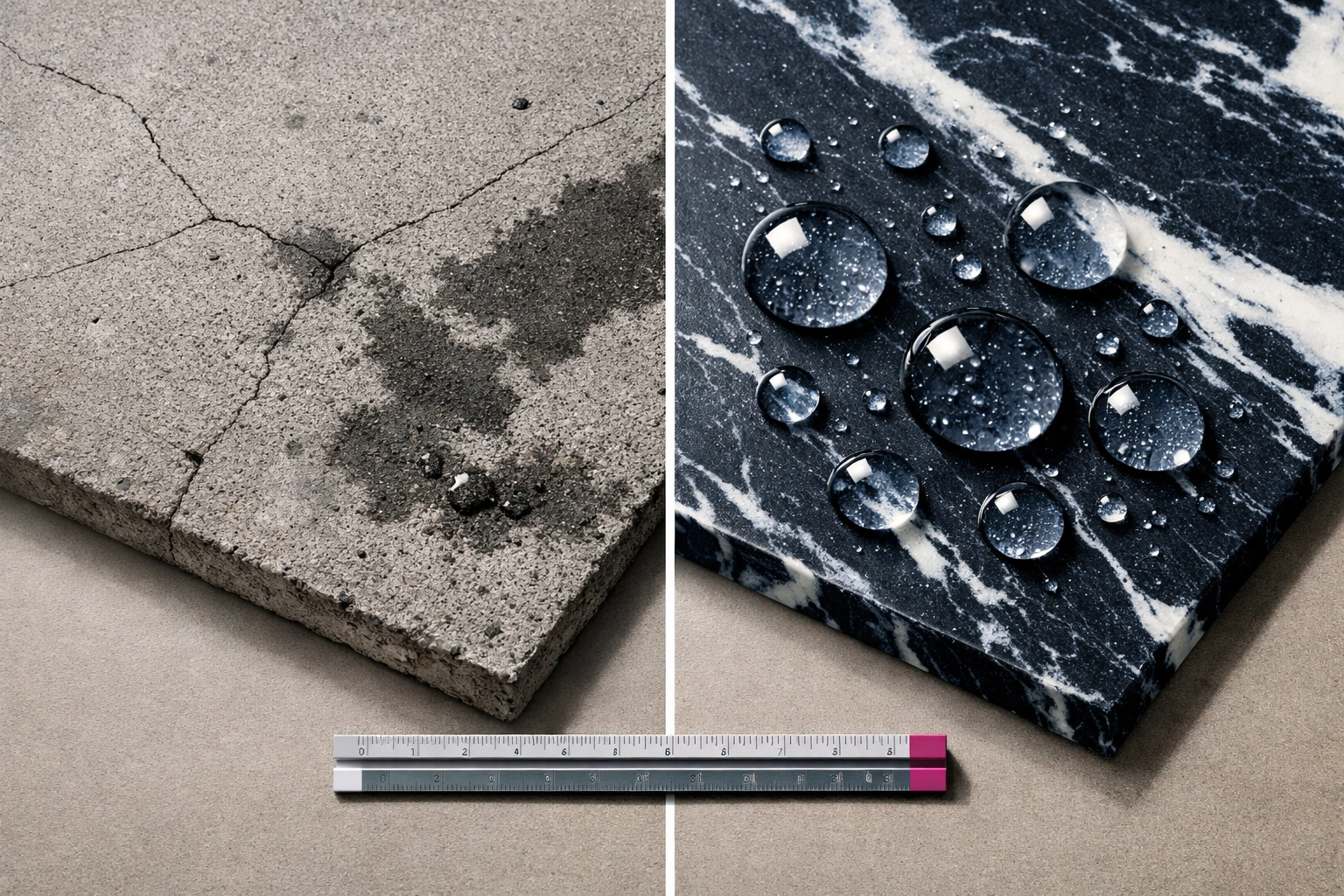
Suggested Image: An infographic comparing the lifecycle of concrete vs. recycled plastic in high-moisture environments.
3. Strength, Durability, and Rigorous Testing
A common myth is that recycled plastic is “too soft” for structural use. While concrete has higher compressive strength, recycled plastic offers superior impact resistance and flexibility.
In infrastructure like noise walls, the material must withstand wind loads and potential impacts from debris. Concrete is brittle; when it fails, it cracks or shatters. Recycled plastic panels can absorb impact energy without catastrophic failure.
At Resourceful Living, we don’t just guess. Our materials undergo testing for:
- Tensile Strength: Ensuring the panels can handle the stresses of civil applications.
- UV Stability: Critical for the harsh Australian sun to ensure the material doesn’t become brittle over time.
- Thermal Expansion: We provide the data builders need to design proper expansion joints, ensuring the structure remains stable across seasons.
For more on how to vet these materials, check out our guide on what to ask recycled plastic manufacturers before you buy.
4. The Carbon Question: Meeting 2026 Procurement Targets
Sustainability is no longer a “nice to have.” In the 2026 construction landscape, circular procurement is a requirement.
Concrete is one of the most carbon-intensive materials on earth due to the heat required to produce cement. Even “green concrete” only reduces the footprint by a certain percentage.
In contrast, using 100% Australian recycled plastic effectively sequesters carbon that would otherwise be released or buried. Every tonne of our recycled plastic sheets represents:
- Waste Diversion: Thousands of plastic bottles or industrial scraps kept out of Australian landfills.
- Energy Savings: Manufacturing from recycled pellets uses significantly less energy than creating virgin plastic or cement.
- Local Impact: Our materials are manufactured right here, supporting the local economy and reducing the carbon miles associated with imported building products.

The “Take-Back” Advantage: A Truly Circular Solution
The biggest flaw in the “Recycled Plastic vs Concrete Structural” debate is what happens at the end of the project’s life. When a concrete barrier is demolished, it is usually downcycled into low-grade road base or sent to a landfill.
Resourceful Living offers a closed-loop take-back program. When your infrastructure project reaches its end of life: whether that’s in 20 years or 50: we take the panels back. We then remanufacture them into brand-new panels.
This ensures that the material never becomes waste. This is a massive advantage for developers looking to ace their next tender by proving a genuine commitment to circularity.
Applications for 2026 Infrastructure
Where should you spec recycled plastic instead of concrete?
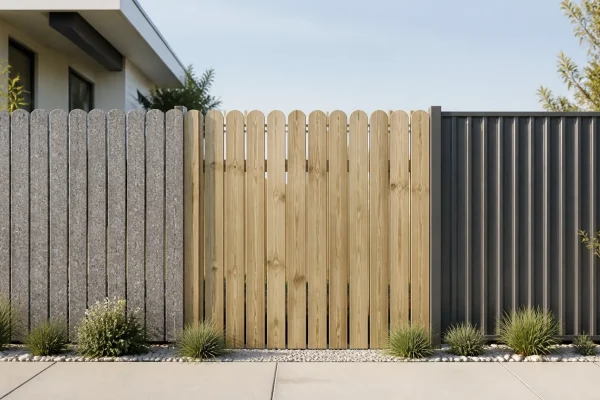
- Noise Barriers: Excellent sound attenuation properties and much easier to mount on elevated rail or bridge structures due to weight savings.
- Retaining Walls: Perfect for garden beds, parklands, and non-load-bearing civil boundaries.
- Protection Screens: Ideal for electrical or utility enclosures where non-conductivity is a safety requirement.
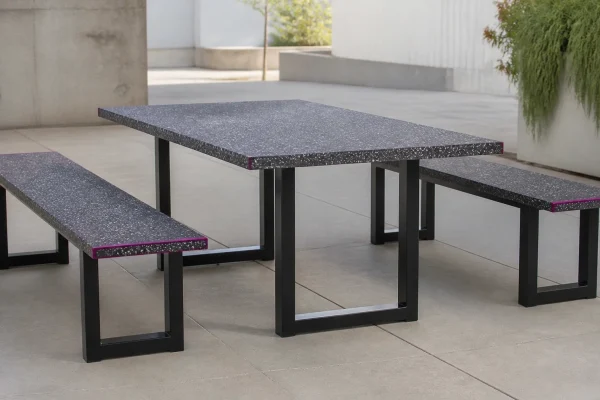
- Commercial Merchandising: Durable enough for the heavy-duty needs of retail and event infrastructure.

Making the Decision: A Smart Investment
While concrete will always have its place in heavy load-bearing foundations, recycled plastic is the clear winner for modern, sustainable, and low-maintenance infrastructure. It solves the pain points of weight, moisture damage, and carbon reporting in one go.
If you are currently preparing a Bill of Quantities (BoQ) for a 2026 project, consider the long-term value. Reduced maintenance, lower transport costs, and a guaranteed end-of-life solution make recycled plastic panels the most future-proof choice for Australian builders.
Next Steps for Procurement Teams:
- Review your carbon targets: Use our 3-minute guide on embodied carbon to see where you can make the biggest impact.
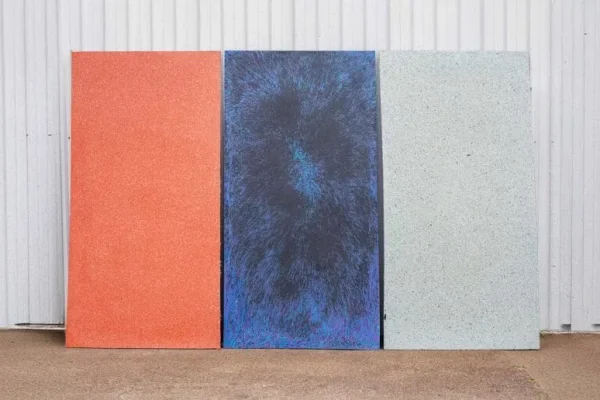
- Request a sample: See the durability and finish of our panels for yourself.
- Confirm traceability: Ensure your recycled plastic is actually Australian waste, not imported filler.
Ready to specify recycled plastic for your structural project? Contact Jess and the team at Resourceful Living today to discuss technical specs and circular solutions for your next tender.