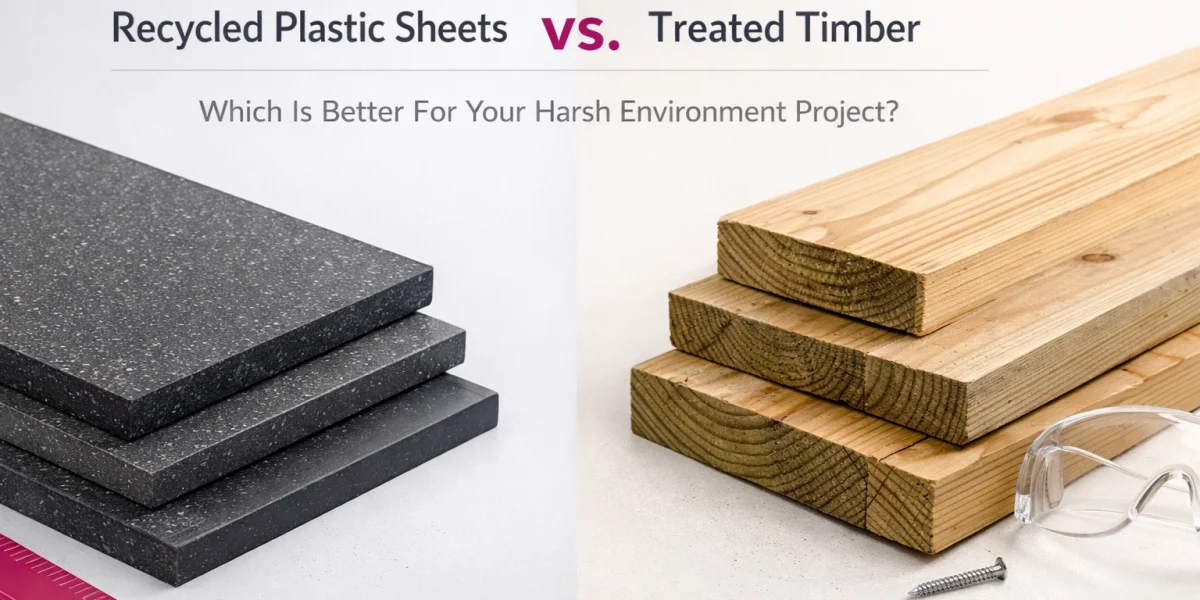
If you have ever worked on a project near the coast, in a high-humidity industrial zone, or anywhere that gets a regular soaking, you know the "Timber Headache." You install a beautiful set of treated pine sleepers or marine-ply panels, and within five years, the edges are fraying, the salt has crystallised in the grain, and the rot has begun its slow, inevitable crawl.
In 2026, the construction and manufacturing industries in Australia are reaching a tipping point. We are moving away from materials that require constant "nursing" and toward circular solutions that actually work. The big question we get asked here at Resourceful Living is simple: Is it time to ditch treated timber for recycled plastic sheets?
If you are looking for durability, low maintenance, and a serious boost to your ESG reporting, the answer is a resounding "yes." Let’s break down exactly why recycled HDPE (High-Density Polyethylene) is outperforming traditional timber in the harshest Australian environments.
The Moisture Problem: Porous vs. Non-Porous
The fundamental flaw of timber: even the high-end treated variety: is that it is naturally porous. Wood is a biological material designed to transport water. Even when it’s dead and "treated" with chemicals, those microscopic straw-like structures remain. They pull in moisture, which causes the wood to swell, and when it dries out, it shrinks. This constant movement leads to warping, splitting, and eventually, structural failure.
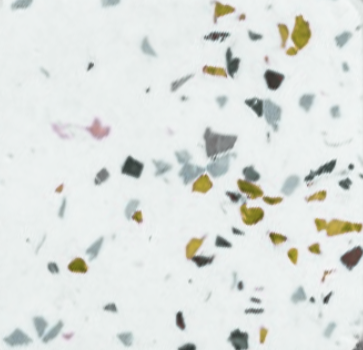
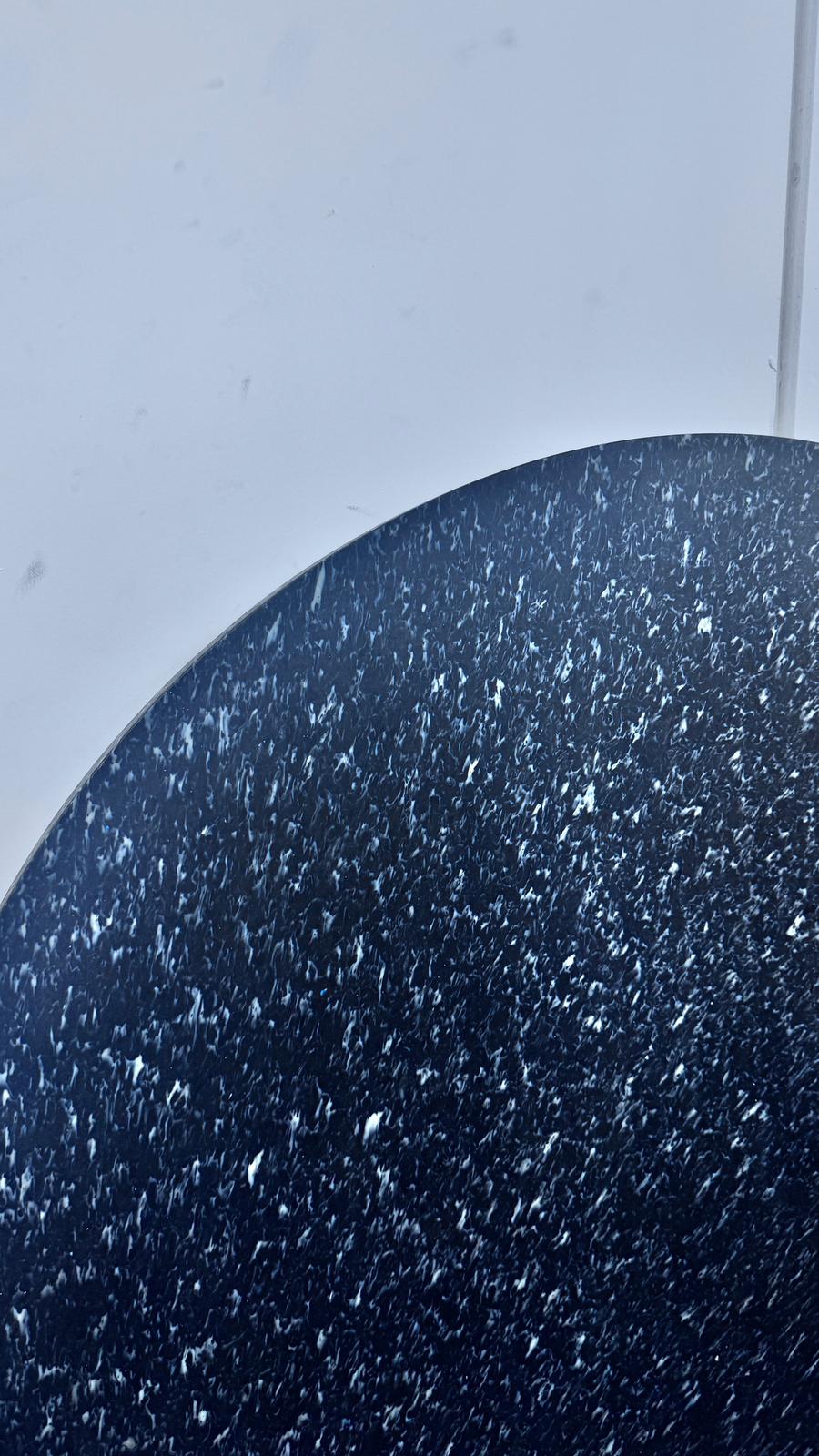
Recycled plastic sheets are entirely non-porous. Because they are manufactured from 100% recycled Australian plastic waste (like milk bottles and detergent containers), the material is chemically bonded into a solid, inert mass.
- Zero Water Absorption: Water simply sits on the surface or runs off. It cannot seep into the core.
- No Swelling: Because there is no absorption, there is no internal pressure forcing the material to change shape.
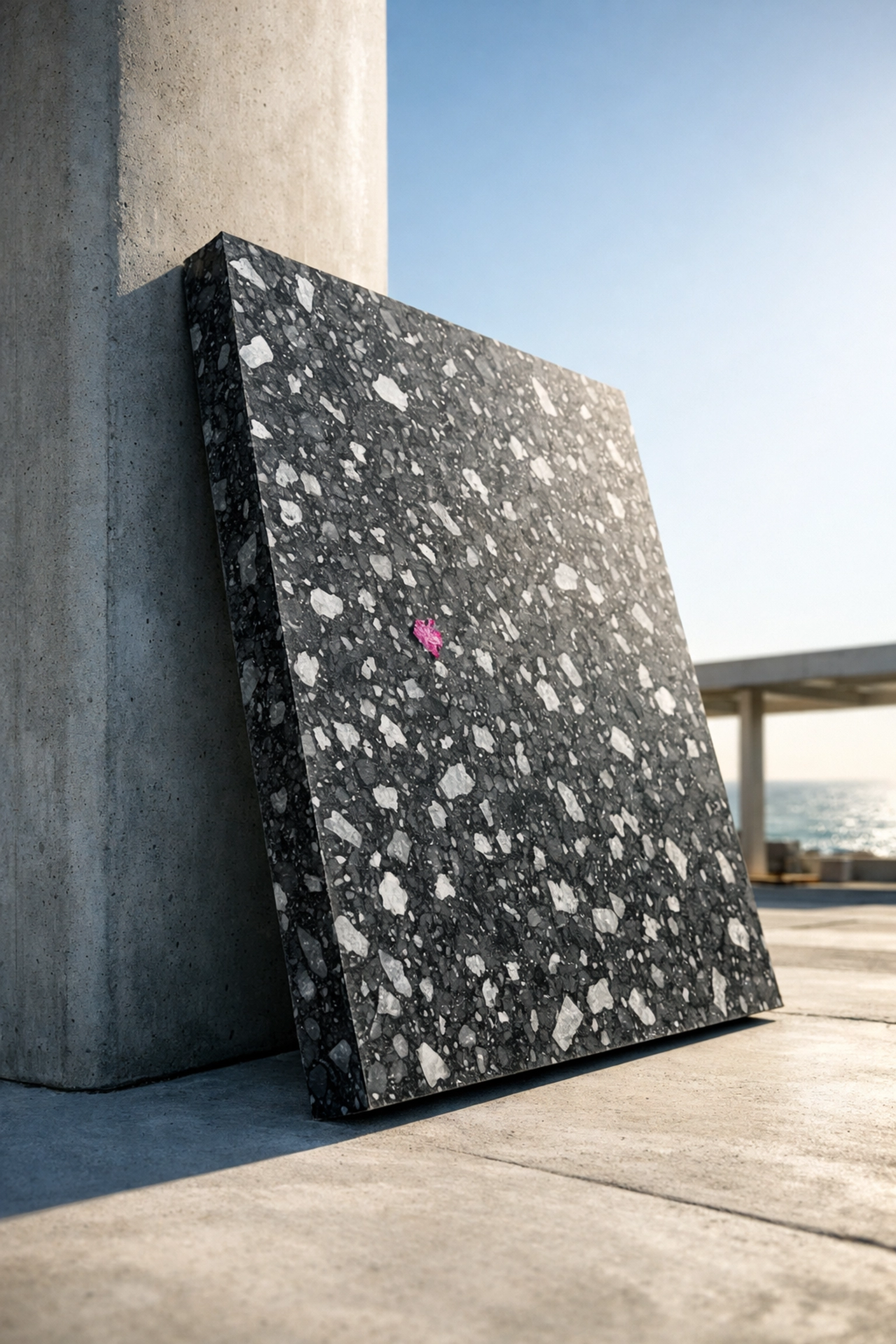
- Salt Resistance: In coastal environments, salt spray is a silent killer for timber. It gets into the grain and expands as it crystallises. Recycled plastic is completely unaffected by salt, making it the gold standard for jetties, boardwalks, and coastal signage.
Chemical Leaching: A Hidden Risk
To make timber survive outdoors, it has to be pumped full of preservatives. Historically, this meant CCA (Chromated Copper Arsenate). While modern treatments like ACQ are safer, they still involve heavy metals and fungicides designed to kill off anything that tries to eat the wood.
Over time, especially in wet environments, these chemicals can leach into the surrounding soil or water. If you are building in a sensitive ecosystem or a public park, this is a liability you probably don’t want.
In contrast, our recycled plastic panels are chemically inert. There are no toxins to leach out. They don’t need to be painted, stained, or resealed with oil every twelve months to maintain their integrity. You install them once, and they stay exactly as they are.
Durability and "The Repetition Factor"
In the construction world, we often talk about "repetitions." If you are using plywood for formwork or temporary hoarding on a site, you might get 5 or 6 uses before the board is trash.
Recent industry data suggests that recycled plastic boards can deliver 40 to 60 repetitions in these same demanding applications. When you look at it through that lens, the "cheaper" timber option starts looking incredibly expensive.
Why HDPE Wins on Site:
- Impact Resistance: Timber splinters under heavy impact. Recycled HDPE is flexible enough to absorb shocks without cracking.
- Termite Proof: Termites are a billion-dollar problem in Australia. They simply cannot eat plastic.
- UV Stability: While raw plastic can degrade in the sun, our panels are engineered with UV additives to ensure they last over a decade in direct Australian sunlight without becoming brittle.
Maintenance: The Silent Profit Killer
When a project manager calculates the cost of a project, they often focus on the "Line 1" cost: the price of the material at the gate. But the real cost is the Total Cost of Ownership (TCO).
- Timber Maintenance: Every 1–2 years, timber in harsh environments needs cleaning, sanding, and re-coating. You have to factor in labour, the cost of the stain/oil, and the downtime of the asset.
- Recycled Plastic Maintenance: A pressure wash once a year to get the dust off. That’s it.
If you're interested in how this shift is affecting the broader market, you might want to read our deep dive on why traditional building materials are being replaced in 2026.
Environmental Impact and ESG
This is where the conversation moves from "practicality" to "responsibility." Every cubic metre of treated timber used is a resource that will eventually end up in a landfill because the chemicals inside make it difficult to recycle or burn safely.
By choosing recycled plastic sheets for construction, you are:
- Diverting Waste: Using 100% Australian post-consumer plastic that would otherwise be sitting in a hole in the ground.
- Reducing Embodied Carbon: Plastic recycling generally has a much lower carbon footprint than the intensive harvesting, transport, and chemical treatment required for "harsh environment" timber.
- Closing the Loop: Our panels are part of a take-back program. When the project is eventually decommissioned in 30 or 40 years, that plastic can be ground down and turned into a new panel.
Comparison Table: At a Glance
| Feature | Treated Timber | Recycled Plastic Sheets (HDPE) |
|---|---|---|
| Water Resistance | Porous (Absorbs water) | Non-porous (Hydrophobic) |
| Rot Resistance | Moderate (Depends on treatment) | Absolute (Cannot rot) |
| Maintenance | High (Oiling, Sanding) | Zero to Low (Pressure wash) |
| Chemical Content | High (Arsenic, Copper, etc.) | None (Inert) |
| Lifespan (Wet) | 5–15 years | 40+ years |
| End of Life | Landfill (Contaminated) | 100% Recyclable |
| Termite Proof | No (Unless heavily treated) | Yes |
The "But is it easy to work with?" Question
One of the biggest myths we hear is that you need specialised tools to work with recycled plastic panels. You don’t.
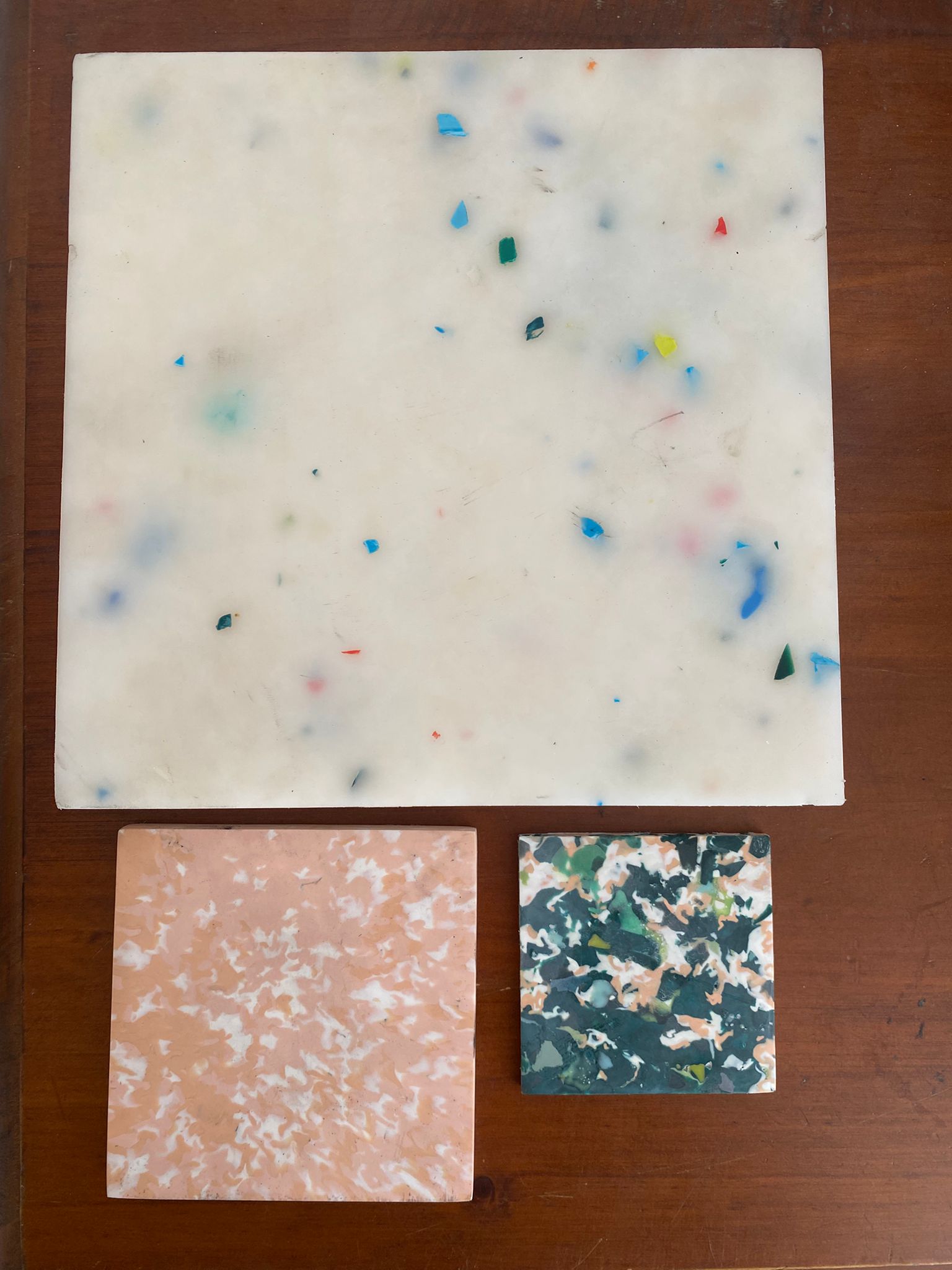
You can cut, drill, and screw into our HDPE sheets using standard woodworking tools. In fact, many builders prefer it because there is no grain to worry about. It won't split when you screw near the edge, and you don’t get the nasty chemical-laden dust that comes from cutting CCA timber (though we still recommend a mask for any dust!).
Whether you are designing a retail display or a heavy-duty industrial retaining wall, the material handles beautifully.
Making the Switch for Your Next Tender
If you are putting together a bid for a government or commercial project in 2026, you've likely noticed the new focus on embodied carbon and circular economy metrics.
Using a 100% recycled Australian product doesn't just give you a better technical result; it gives you a competitive edge in the tender process. You can demonstrate a clear life-cycle environmental impact and align with Australia’s new embodied carbon rules.
Final Verdict
Treated timber has served the industry for decades, but it belongs to an era of "disposable" construction. In harsh environments: where salt, moisture, and high traffic are constants: timber is a high-maintenance liability.
Recycled plastic sheets offer a "set and forget" solution. They are tougher, cleaner, and significantly more sustainable. At Resourceful Living, we believe that if you can use a waste product to build something that lasts longer than the virgin alternative, it’s a win for your bottom line and a win for the planet.
Ready to see the material for yourself? Check out our range of durable, weather-resistant panels and let's get your next harsh environment project built to last.