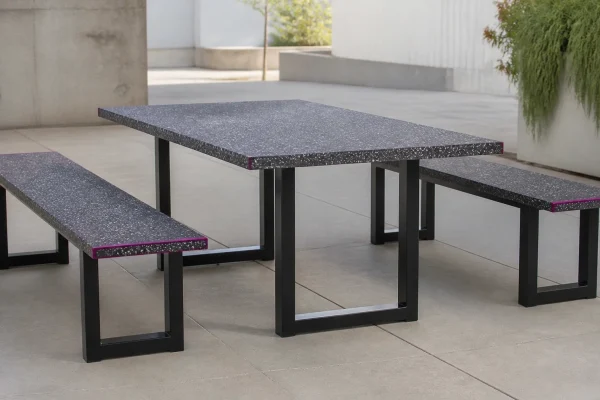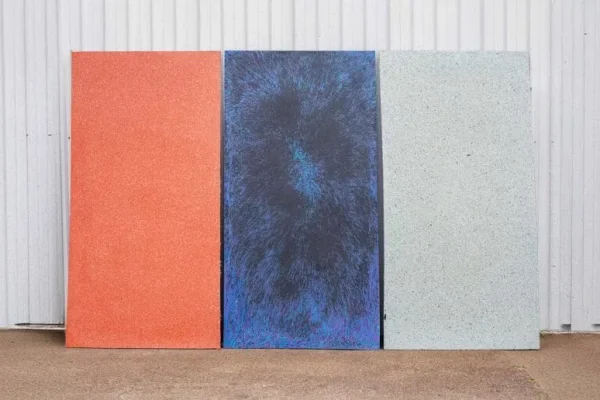
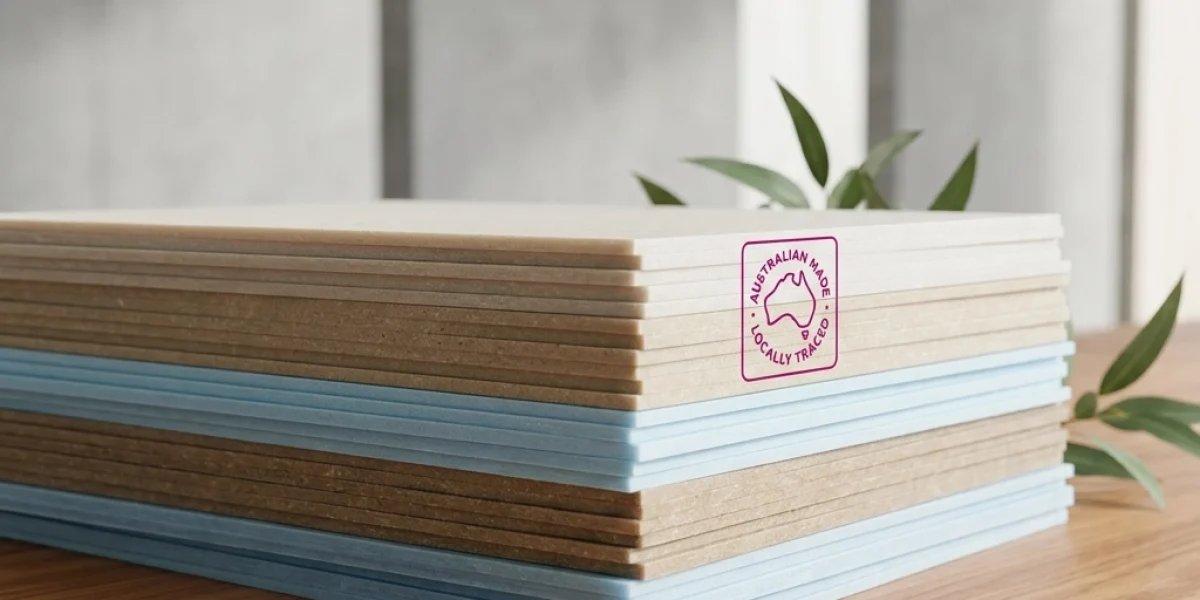
If you’re working in construction, architecture, or commercial fit-outs in 2026, you’ve probably noticed that "sustainability" has become the loudest word in the room. Every second supplier is claiming their products are "eco-friendly," "green," or "circular." But as we move further into a decade defined by stricter reporting and carbon accountability, a simple label isn't enough anymore.
Greenwashing is the biggest hurdle for professionals trying to do the right thing. It’s easy to slap a recycling logo on a product, but it’s much harder to prove exactly where that material came from, how it was processed, and where it will end up in ten years.
When it comes to recycled plastic sheets Australia, the "local" part isn't just about supporting the economy: it’s your primary defense against greenwashing. At Resourceful Living, we believe that if you can’t trace it, you can’t trust it.
The Reality of the "Recycled" Label in 2026
Not all recycled plastic is created equal. A significant portion of the "sustainable" materials sold in Australia are actually imported from overseas. While using recycled content is a step in the right direction, the carbon footprint of shipping heavy plastic sheets halfway across the globe often negates the environmental benefits.
Furthermore, international supply chains for recycled plastic can be notoriously opaque. It’s difficult to verify the working conditions, the energy sources used during manufacturing, or the actual percentage of post-consumer waste vs. virgin plastic fillers.
By focusing on recycled plastic sheets Australia made, you’re choosing a path of radical transparency. You’re ensuring that the waste being diverted from landfills is our own, and the energy used to transform it is subject to Australian environmental standards.
1. Source Verification: Where Does the Waste Actually Come From?
The first question you should ask any supplier is: "Where did this plastic live its first life?"
Many imported panels use industrial scrap, which is essentially just clean offcuts from factory floors. While it’s good to recycle these, they haven't lived a "post-consumer" life. At Resourceful Living, we only use 100% Australian plastic waste. This includes:
- Post-consumer milk bottles (HDPE)
- Commercial soft plastics
- Site-specific waste collected via our on-site shredding programs
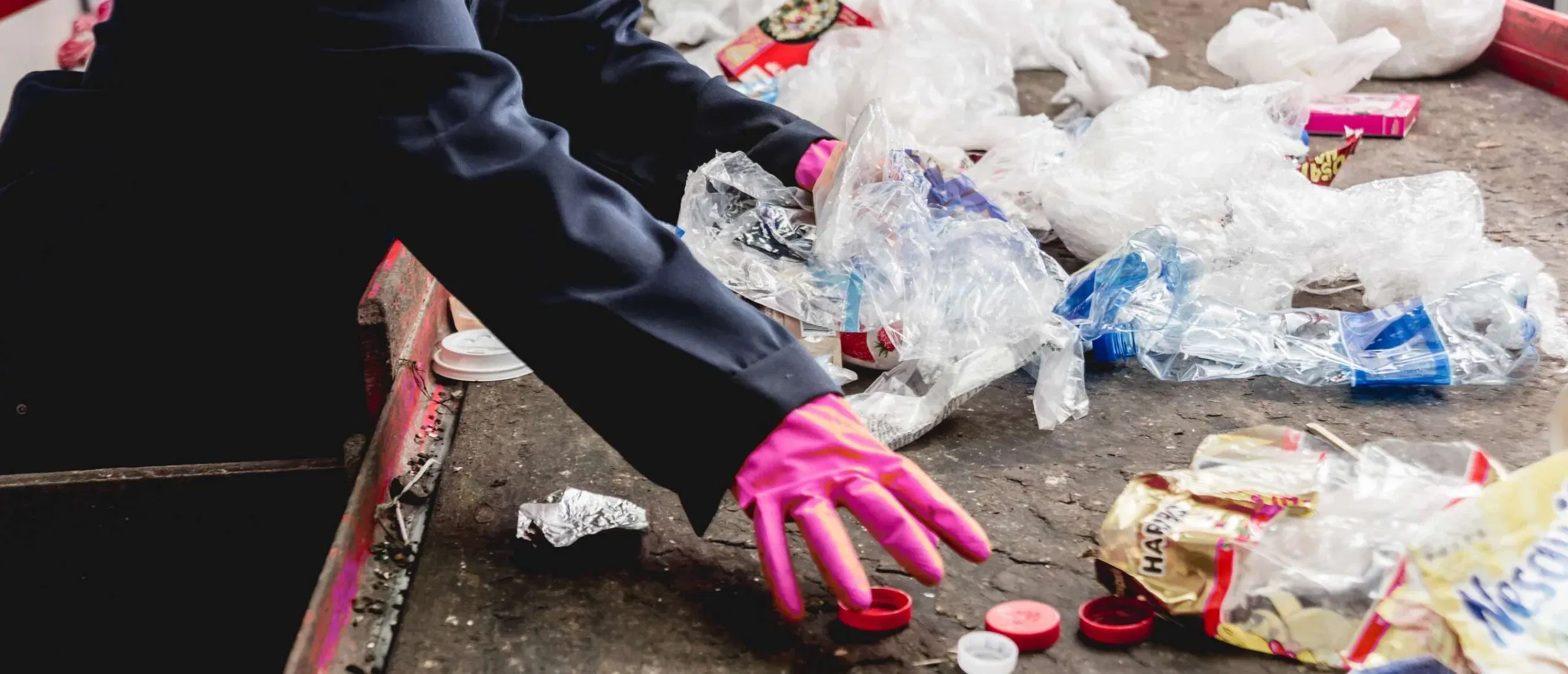
When you specify materials for a project, having a clear "Source of Truth" for your waste stream is vital for embodied carbon reporting. Knowing your material started as a milk bottle in Newcastle or a detergent tub in Melbourne provides a level of traceability that imported alternatives simply can't match.
2. Manufacturing Transparency and the Local Energy Profile
Greenwashing often hides in the manufacturing process. A product might be made of recycled material, but if the factory making it is powered by high-emission coal or lacks modern filtration systems, the "green" claim starts to look a bit thin.
Manufacturing recycled plastic sheets in Australia allows for:
- Direct Auditing: You can literally visit the facility (we love visitors at Resourceful Living!) to see the process in action.
- Local Energy Compliance: Australian manufacturers are moving rapidly toward renewable energy integration.
- Ethical Labour: You are guaranteed that the people making your materials are working under fair Australian labour laws.
Transparency in manufacturing isn't just a feel-good metric; it’s a procurement requirement. As circular construction in 2026 becomes the standard, builders and designers are being asked to provide more than just a spec sheet: they need the story behind the sheet.
3. Chain of Custody: AU Waste to AU Site
The "Chain of Custody" (CoC) refers to the chronological documentation or paper trail that records the sequence of custody, control, transfer, and analysis of materials.
In a local circular economy, the CoC is short and robust.
- Collection: Waste is gathered from Australian households or businesses.
- Processing: The plastic is washed, shredded, and dried locally.
- Manufacturing: Shredded plastic is pressed into high-density sheets.
- Delivery: The finished product is shipped a few hundred kilometres to your site, not thousands of nautical miles.
Compare this to an imported product where the CoC might involve three different countries and four different shipping companies. Every hand the material passes through is a potential gap in the data. For high-stakes projects, this lack of clarity is a major risk.
"True circularity isn't just about what a product is made of; it's about the distance it travels and the transparency of the hands it passes through." : Resourceful Living Design Team
4. Why the National Framework Matters
The Australian Government has introduced the National Framework for Recycled Content Traceability (NFRCT). This is a game-changer for our industry. It's designed specifically to tackle greenwashing by providing a voluntary system for businesses to track and verify recycled materials.
By choosing suppliers who align with these standards, you are protecting your project from future litigation or "greenwashing" accusations. If you are aiming for specific certifications, like the Classic Galleria Seat 100% Recycled HDPE data sheet requirements, local traceability is your best friend.
5. End-of-Life: The Final Piece of the Puzzle
A product is only truly circular if it has a plan for when it's no longer needed. This is the ultimate "greenwashing" test. Many suppliers claim their products are "recyclable," but do they actually have a program to take them back?
Resourceful Living offers End-of-Life Take-Back programs. Because we know exactly what went into our recycled plastic sheets, we can safely shred them and turn them back into new sheets at the end of their lifecycle: whether that’s in 10 years or 50.
If you buy an imported composite material, the chances of being able to recycle it locally are slim to none. Most end up in Australian landfills because the local recycling infrastructure isn't set up to process unknown chemical additives often found in cheap imported "recycled" plastics.
Case Study: Construction Site Hoarding
When a project is finished, what happens to the temporary walls or signage?
- Imported Plywood/Plastic: Usually ends up in a skip bin.
- Resourceful Living Panels: Can be returned to us, shredded, and repurposed into furniture or new building materials for your next project.
How to Verify Your Supplier: 5 Questions to Ask
If you’re comparing recycled plastic sheets Australia options, don't just look at the 2026 price guide. Ask these five questions to flush out potential greenwashing:
- "Can you provide a certificate of origin for the raw plastic waste?" (If they can't tell you which city or region it came from, it’s a red flag).
- "Is the manufacturing facility located in Australia, and can I visit it?"
- "What percentage of the sheet is actually post-consumer waste vs. factory offcuts?"
- "Do you have a formal take-back program for the material at the end of its life?"
- "How does this material compare to timber or concrete in high-moisture environments?" (Check out our timber comparison for more on this).
The Data Doesn't Lie
Specifying sustainable building materials in 2026 isn't just about "doing good": it's about compliance and data integrity. With the rise of carbon credits and mandatory reporting, builders are now looking at how to claim carbon credits using verified materials.
Imported materials often come with "estimated" data that doesn't hold up under the scrutiny of an Australian audit. Local sheets, backed by local data, provide the certainty you need for your BOQ and tender submissions.
Final Thoughts: Protecting Your Reputation
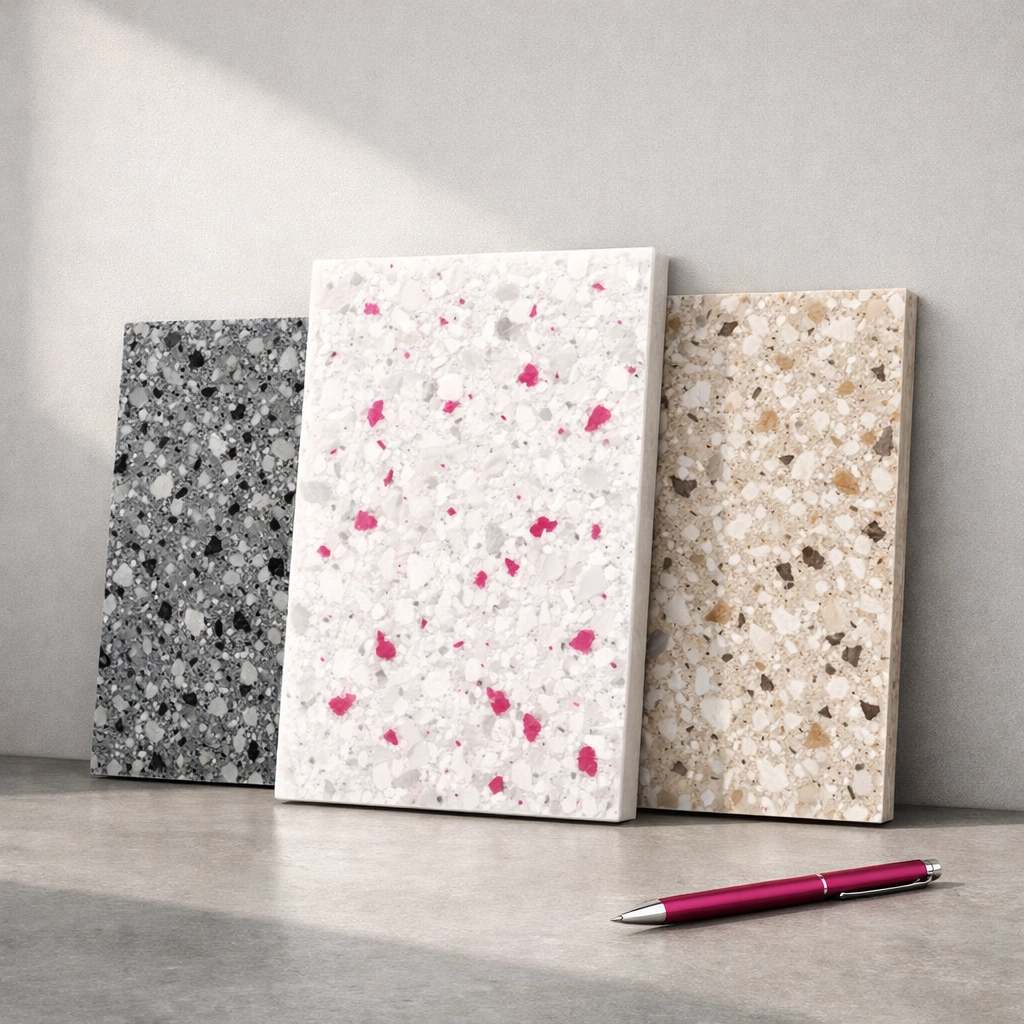
In the end, your reputation as a builder, architect, or designer is tied to the materials you choose. When you choose recycled plastic sheets Australia produced by Resourceful Living, you’re choosing a product that is:
- Traceable: From Aussie bin to Aussie site.
- Durable: Built for our harsh climate.
- Accountable: Backed by a team you can actually pick up the phone and talk to.
Ready to see the difference that real traceability makes? Browse our Designers Lookbook for inspiration on how to use these traceable materials in your next commercial fit-out.
Don't let greenwashing put your project at risk. Stick to local, stick to traceable, and let's build something that actually lasts.
Need more info for your tender?
Check out these resources to get your specs right the first time: