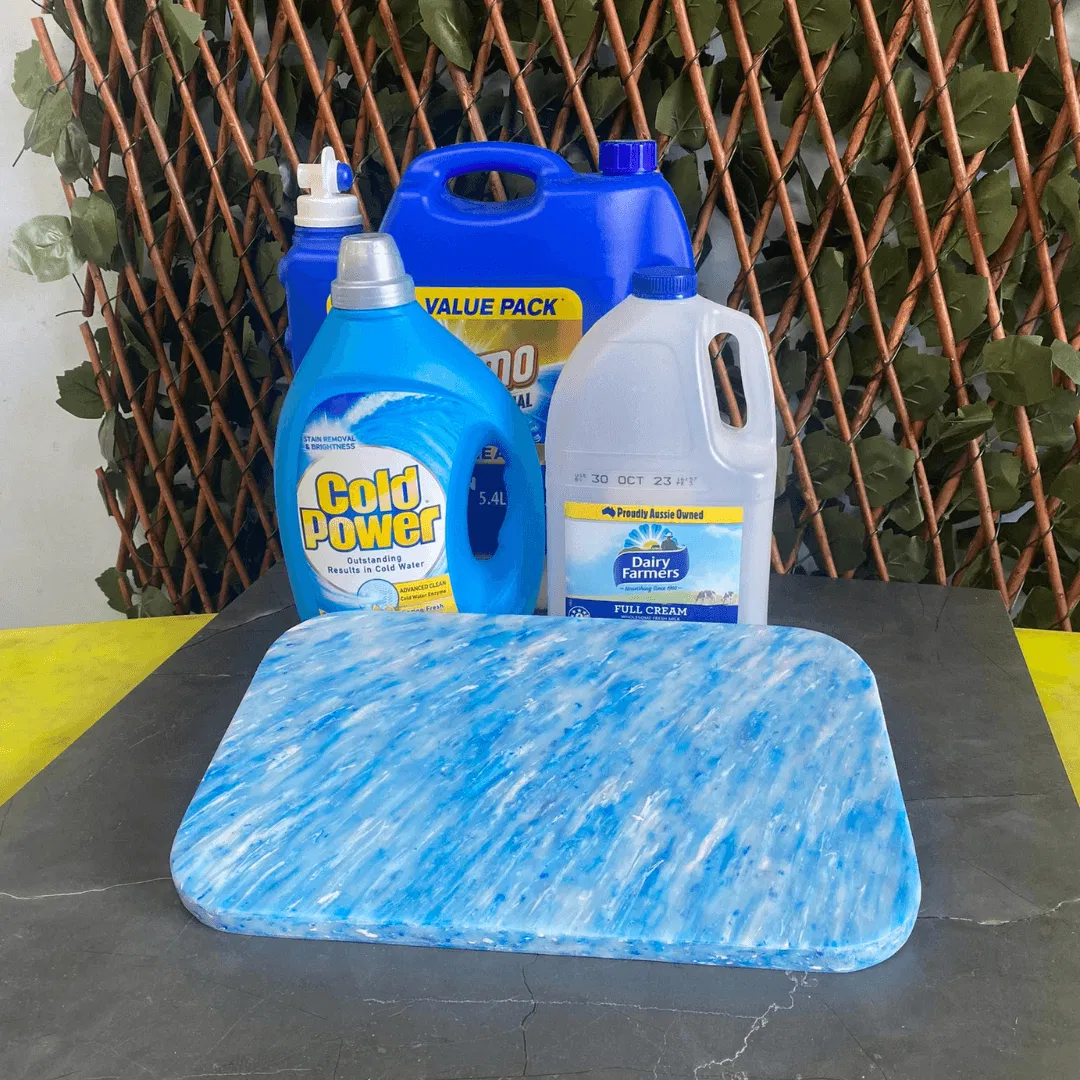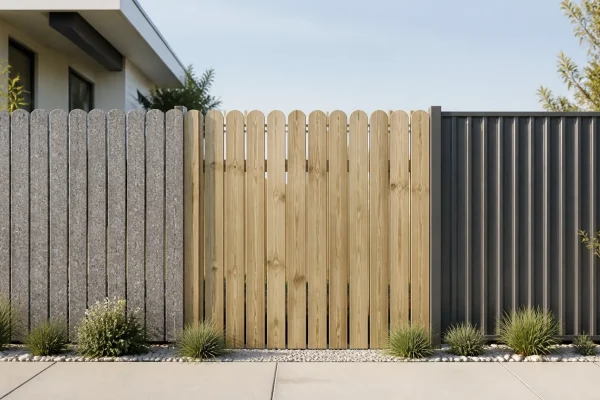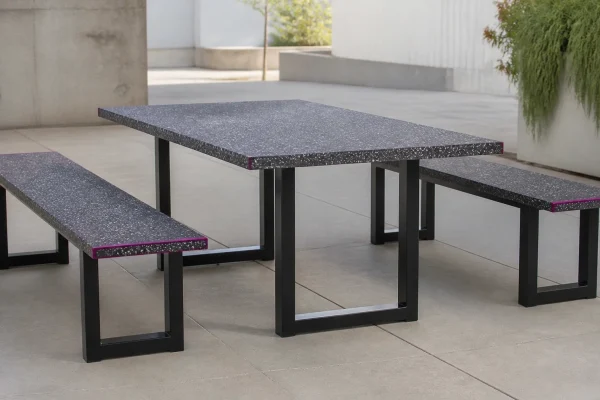
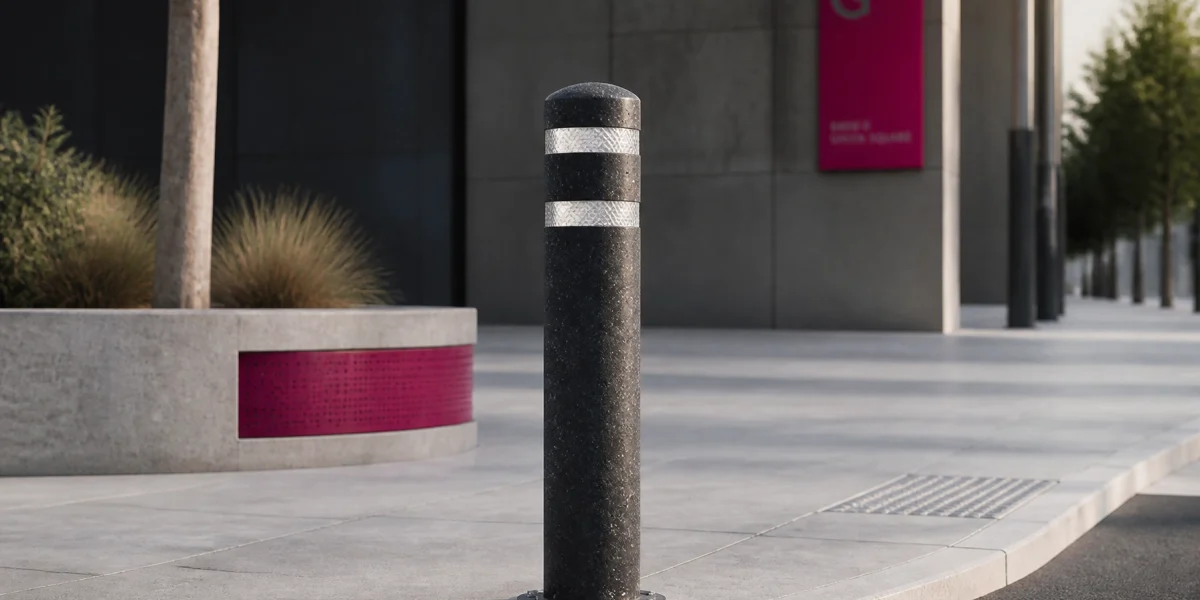
In 2026, the mandate for circular procurement in Australian local government has moved from a "nice-to-have" to a non-negotiable KPI. As councils strive to meet Net Zero targets and align with the Environmentally Sustainable Procurement Policy (ESPP), the selection of street furniture, infrastructure, and wayfinding signage has come under intense scrutiny.
Traditional materials like timber, steel, and concrete are increasingly viewed through the lens of their embodied carbon and high-maintenance lifecycles. For specifiers, the challenge is finding a replacement that matches the structural integrity of these materials while offering a truly circular end-of-life solution.
At Resourceful Living, we provide the data-driven resolution to this dilemma. Our 100% recycled Australian plastic products, from solid bollards to custom signage panels, are engineered for the harsh Australian climate while ensuring zero plastic waste returns to landfill.
The Shift to Recycled Materials: Why Now?
The transition to recycled plastic bollards and signage isn't just about environmental optics; it's an asset management strategy. Traditional timber bollards are prone to rot, termite infestation, and splintering, requiring replacement every 5–10 years. Steel bollards, while strong, are susceptible to corrosion in coastal environments and require regular repainting to maintain visibility and aesthetics.
Recycled plastic provides the solution by being:
- Impermeable to moisture: No rot, no warping, and no cracking.
- Chemically inert: Resistant to salt spray, making it ideal for coastal councils.
- UV-stabilised: Designed to withstand the intense Australian sun without degradation.
- Maintenance-free: No sanding, oiling, or painting is ever required.
"The true value of a sustainable material lies in its 20-year maintenance budget. If you aren't spec'ing for durability, you aren't spec'ing for sustainability." , Industry Specifier Insight
Technical Specifications: Recycled Plastic Bollards
When drafting tenders or selecting products for public domain upgrades, technical performance is paramount. Our bollards are manufactured from 100% post-consumer Australian plastic waste, primarily high-density polyethylene (HDPE).
📐 Typical Physical Dimensions
For most Australian council applications, the following specifications are the industry standard for recycled plastic bollards:
| Metric | Specification |
|---|---|
| Material | 100% Recycled Australian HDPE |
| Profile | Square or Round |
| Standard Diameters | 90mm, 125mm, 150mm, 200mm |
| Above Ground Height | 900mm – 1200mm |
| Total Length | 1200mm – 1800mm (includes in-ground portion) |
| Weight | ~15kg to 45kg depending on diameter |
🛠️ Installation Requirements
To ensure stability and public safety, in-ground recycled plastic bollards should be installed with a concrete footing (typically 400mm x 400mm x 400mm). Unlike timber, the plastic will not absorb moisture from the concrete, preventing the "heaving" often seen with natural materials.
Wayfinding and Signage: Beyond the Standard Sheet
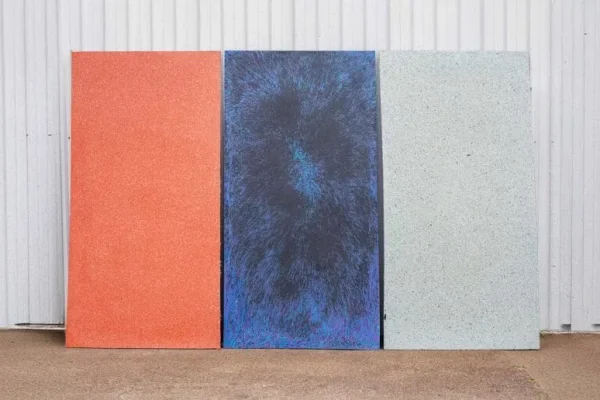
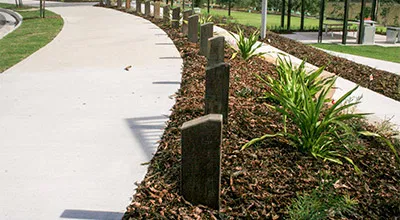
Signage in public parks and urban centres must be both functional and vandal-resistant. Resourceful Living's 100% recycled plastic panels, such as our Ochre, Lumen, and River colourways, provide a durable substrate for council wayfinding.
Customisation & Branding
Our panels can be CNC routed to include:
- Council logos and branding.
- Directional arrows and map details.
- Braille and tactile elements for accessibility.
- Recesses for reflective tape to meet Australian road safety standards.
Because our material is solid-core (not a veneer or composite), any routing or engraving reveals a consistent colour throughout the sheet, ensuring the signage remains legible even if the surface is scratched or weathered.
Comparing the Data: Recycled Plastic vs. The Alternatives
When evaluating materials for your next project, it's essential to look at the Long-Term Value (LTV).
| Feature | Recycled Plastic | Treated Timber | Steel |
|---|---|---|---|
| Life Expectancy | 40+ Years | 10–15 Years | 15–20 Years |
| Maintenance | Zero | High (Oiling/Sanding) | Medium (Painting) |
| Termite Resistant | ✅ Yes | ❌ No | ✅ Yes |
| Embodied Carbon | Low | Low (but non-recyclable) | High |
| Circular End-of-Life | ✅ Yes (Take-back) | ❌ No (Landfill) | ✅ Yes (Scrap) |
By choosing recycled plastic, you are directly reducing the embodied carbon of your infrastructure project. For a detailed breakdown on these metrics, see our guide on calculating embodied carbon for construction tenders.
Closing the Loop: The Resourceful Living Take-Back Program
The most significant advantage of our product suite is our commitment to a circular economy. We don't just sell you a product; we manage its entire lifecycle.
At the end of its functional life: whether in 20, 30, or 40 years: we offer a free take-back program. We collect the old bollards or signage and remanufacture them into new 100% recycled plastic sheets. This ensures that the plastic waste originally diverted from Australian kerbsides never reaches a landfill, helping you hit 100% circularity targets.

Specifier’s Implementation Checklist
When including recycled plastic bollards or signage in your next project, use this checklist to ensure compliance and quality:
- Verify Source Material: Ensure the product is made from 100% Australian plastic waste. Avoid imported "recycled" plastics that contribute to higher transport emissions.
- Confirm Traceability: Can the supplier trace the plastic back to the source? This is critical for ESG reporting.
- Check for Additives: High-quality recycled plastic should be a solid block of HDPE without fillers or veneers that can delaminate over time.
- UV Performance: Ensure the material is UV-stabilised for Australian conditions to prevent fading or becoming brittle.
- Review the Take-Back Policy: Confirm the manufacturer has a documented process for recycling the product at its end-of-life.
Partner with Resourceful Living
Choosing the right materials today defines the sustainability of our communities tomorrow. By specifying Resourceful Living for your council's bollards and signage, you're not just buying a product; you're investing in a local, circular future.
We manufacture 1 tonne of recycled plastic per day at our Australian facility, ensuring faster turnaround times and 100% traceable materials.
Ready to spec your next project?
- Download our Technical Data Sheets
- Compare Recycled Plastic vs. Timber Performance
- Contact our team for a custom quote