For decades, engineered stone was the undisputed king of the Australian kitchen and retail counter. It was the go-to for anyone wanting a high-end look without the price tag of solid marble. However, as we move through 2026, the landscape has shifted dramatically.
With the 2024 ban on high-silica engineered stone and a growing demand for sustainable retail fitouts, designers and homeowners are looking for alternatives that don't just look good, but actually do good.
At Resourceful Living, we’ve seen a massive surge in interest for recycled plastic benchtops in Australia. But how do they actually stack up against the traditional "stone" standard? If you’re weighing up materials for your next project, this honest comparison will give you the data you need to choose the right surface for your budget, your health, and the planet.
1. The Safety Factor: The Silica Crisis vs. Zero-Risk Plastic
The most significant driver behind the move away from engineered stone is health. Traditional engineered stone can contain up to 97% crystalline silica. When this material is cut, ground, or polished, it creates a fine dust that, if inhaled, leads to silicosis: a terminal lung disease.
In contrast, recycled plastic panels are made from 100% post-consumer HDPE, LDPE, or Polypropylene.
- Engineered Stone: Requires specialized high-level PPE, water-suppression cutting, and strict exclusion zones. Even with these, the risk to tradespeople is significant.
- Recycled Plastic: Contains zero silica. It can be cut, routed, and sanded using standard woodworking tools without the risk of terminal illness. For a residential renovator or a retail shopfitter, this means you can make on-site adjustments safely and easily.
"The shift toward silica-free materials isn't just a regulatory checkbox; it’s a fundamental duty of care for everyone in the construction supply chain."
2. Sustainability and the Circular Economy
When we talk about sustainable retail fitouts, we have to look at the lifecycle of the material. Most engineered stone is a "linear" product: it is mined, manufactured using resins (often petrol-based), used, and then sent to a landfill where it stays forever.
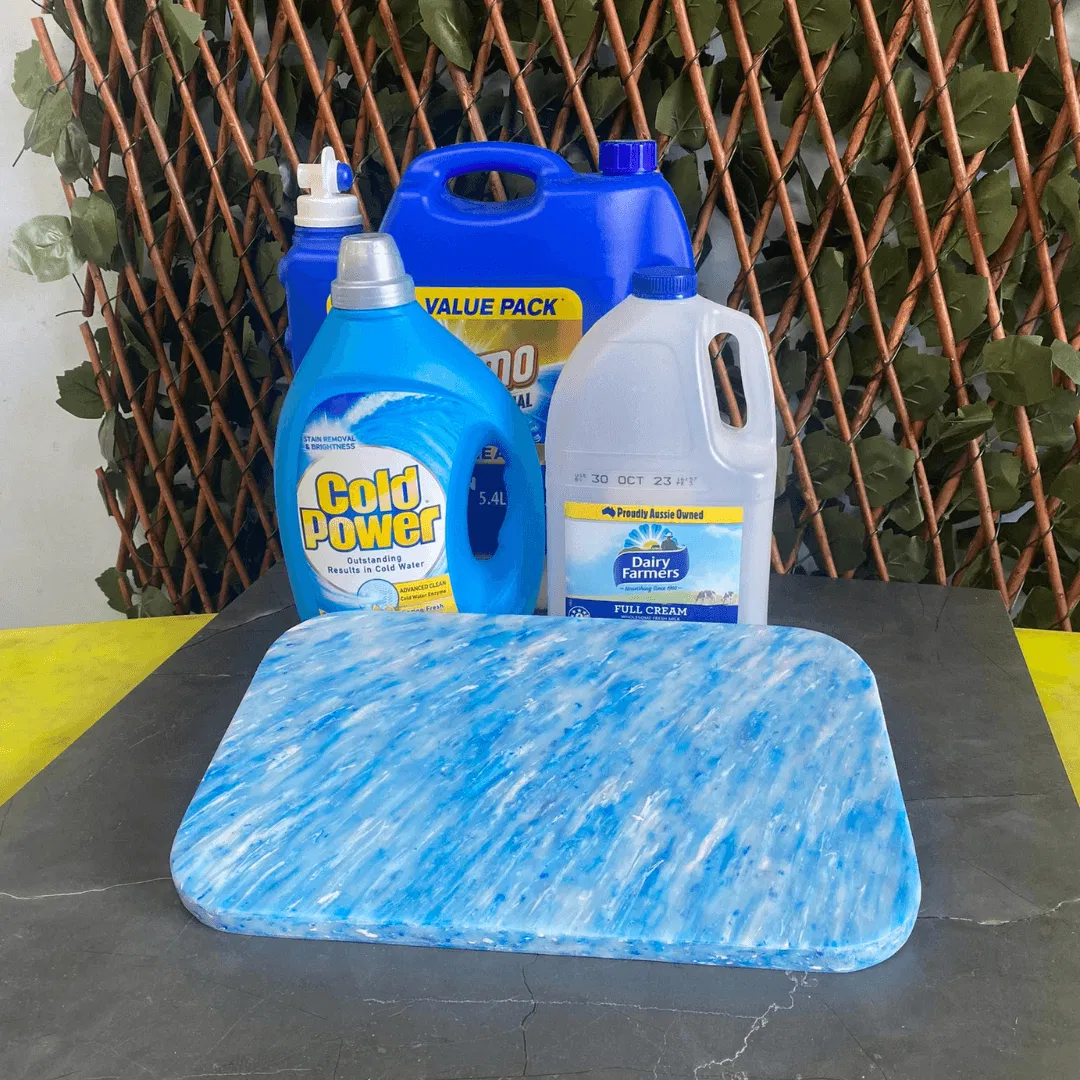
Our recycled plastic benchtops are a core component of the circular economy.
- Resource Sourcing: We use 100% Australian plastic waste, diverted from local landfills. This includes everything from milk bottles to detergent tubs. You can learn more about our manufacturing procedure and lifecycle here.
- Embodied Carbon: Engineered stone has high embodied carbon due to mining and international shipping. Recycled plastic has a significantly lower footprint, especially when manufactured locally in the Hunter Valley.
- End-of-Life: If you decide to renovate again in 10 years, you don't throw our panels in the bin. We take them back and recycle them into new panels. It is a closed-loop system.
3. Durability and Performance: Real-World Use
"Is it as tough as stone?" This is the question we get most often in Sales. The answer is: It’s different, but equally capable in the right settings.
Heat Resistance
Engineered stone can handle moderate heat but can crack under thermal shock. Recycled plastic is a thermoplastic. This means it has a lower melting point. You cannot take a pan straight from the stove and put it on a plastic benchtop. However, for retail counters, office desks, and bathroom vanities, this is rarely an issue.
Impact and Scratches
Engineered stone is very hard, which makes it brittle. If you drop a heavy pot on the edge, it can chip or crack. Recycled plastic is highly impact-resistant. It has a slight "give" that prevents chipping. While it can be scratched more easily than quartz, it has a secret weapon: it is repairable.

Stain Resistance
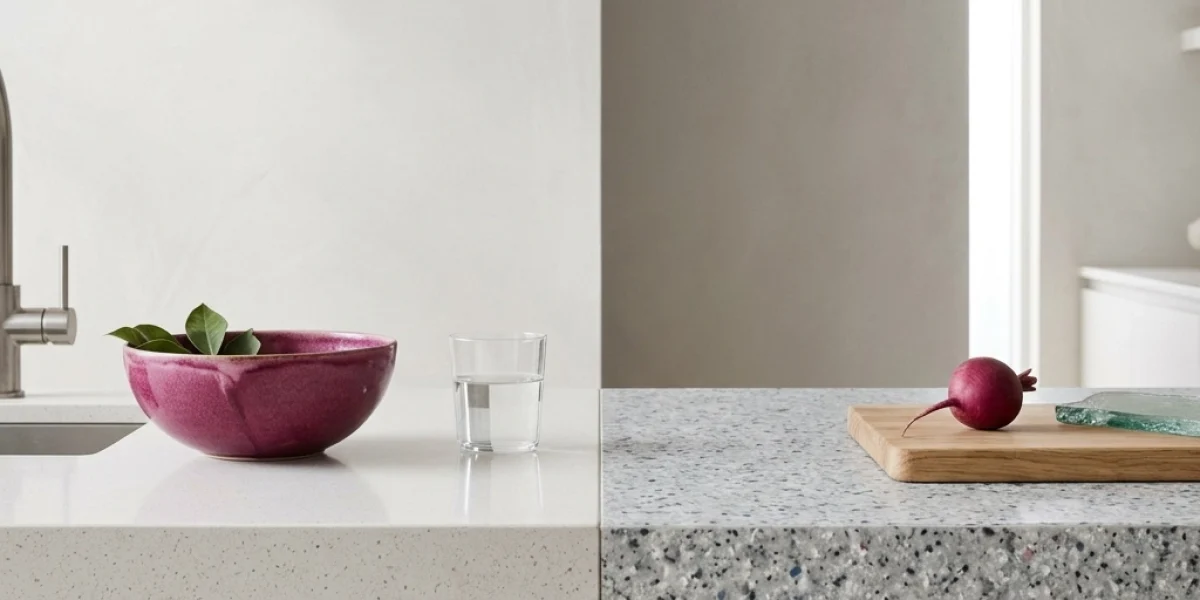
Both materials are non-porous. Unlike natural marble, neither will soak up red wine or beetroot juice. This makes recycled plastic benchtops in Australia an excellent choice for high-traffic commercial environments.
4. Installation: Why Your Tradie Will Thank You
One of the hidden costs of engineered stone is the installation. Because it is incredibly heavy (roughly 3x the weight of plastic) and brittle, it requires professional stonemasons and reinforced cabinetry.
The Recycled Plastic Advantage:
- Weight: Our panels are lightweight and easy to manoeuvre. A single person can often handle smaller sections, and two people can easily install a full-length counter.
- Workability: You can use a standard circular saw, jigsaw, or CNC machine. This allows for 7-day fast-track commercial fit-outs because you aren't waiting weeks for a stonemason to template and cut off-site. Check out our guide on fast-tracking your fit-out here.
- Seamless Joins: Using plastic welding techniques or specific adhesives, you can achieve nearly invisible joins, similar to solid surface materials like Corian.
5. Maintenance and The "Forever" Finish
When engineered stone scratches or chips, you usually have to live with it or pay a specialist hundreds of dollars to attempt a resin repair that often doesn't match.
With Resourceful Living panels, the colour goes all the way through. If you get a deep scratch or a scuff in a busy retail environment, you can simply sand it back and buff it out. Your benchtop can look brand new after 10 minutes of maintenance.
For a deep dive into keeping your surfaces pristine, see our ultimate fix list for recycled plastic panels.
6. Comparison Table: At a Glance
| Feature | Engineered Stone | Recycled Plastic (Resourceful Living) |
|---|---|---|
| Silica Content | High (Up to 97%) | 0% (Safe) |
| Sustainability | Low (Mining/Resins) | High (100% Recycled/Circular) |
| Weight | Very Heavy | Lightweight (Easy Install) |
| On-Site Cutting | Dangerous/Restricted | Safe/Easy |
| Repairability | Difficult/Professional | Easy (Sand & Buff) |
| Chemical Resistance | High | High |
| Origin | Mostly Imported | 100% Australian Made |
7. Cost and ROI
Let’s talk money. In 2026, the cost of engineered stone has risen due to increased insurance premiums for installers and stricter safety regulations.
While the upfront material cost of high-quality recycled plastic sheets is comparable to mid-range stone, your total project cost is often lower because:
- Lower Shipping Costs: Due to reduced weight.
- Faster Installation: Less labour time on site.
- No Specialist Sub-Contractors: Your standard carpenter can do the job.
Furthermore, for businesses focused on ESG (Environmental, Social, and Governance) reporting, the ability to claim carbon credits or report on diverted waste provides a financial "bonus" that stone simply cannot match. You can read more about claiming carbon credits here.

8. Aesthetics: The "Eco" Look
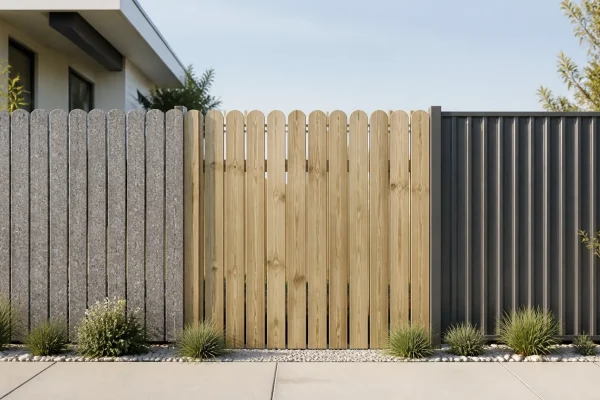
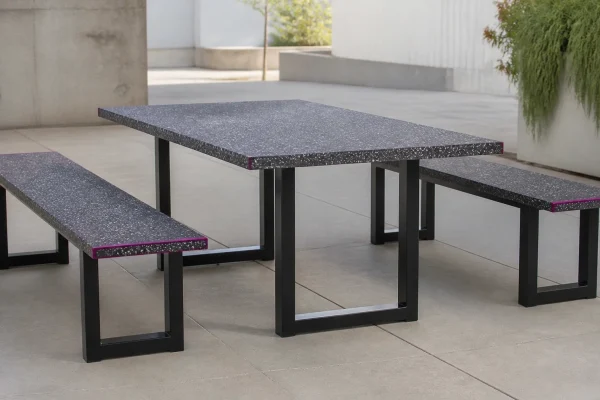
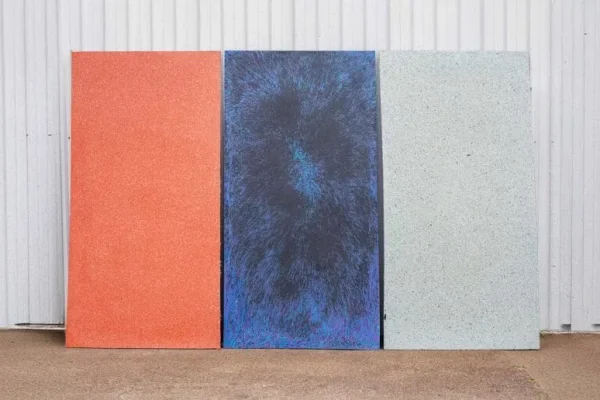
Gone are the days when recycled products looked like "trash." Modern manufacturing allows us to create stunning, marbled, and speckled patterns that fit any design brief: from minimalist Scandi to bold industrial.
For sustainable retail fitouts, the aesthetic of recycled plastic tells a story. When a customer walks up to a counter and sees the unique flecks of colour, it starts a conversation about your brand’s commitment to the environment. It’s a physical manifestation of your values.
The Verdict: Which Should You Choose?
Choose Engineered Stone if:
- You are doing a high-end kitchen where heat resistance (putting hot pots on the bench) is the absolute priority.
- You have the budget for specialist stonemasons and the necessary safety protocols.
Choose Recycled Plastic Benchtops if:
- Safety is a priority: You want a silica-free environment for your family or workers.
- Sustainability is a core value: You want to support the Australian circular economy and keep plastic out of the ocean.
- You need a fast turnaround: You want to cut and install on-site without waiting for templates.
- High-traffic durability: You need a surface that is impact-resistant and easily repairable.
At Resourceful Living, we believe the future of Australian building materials is circular. By choosing recycled plastic over traditional stone, you aren't just getting a beautiful, durable benchtop: you’re helping solve Australia's waste crisis, one worktop at a time.
Ready to see the material for yourself? Check out our 2026 Price Guide or contact us today to discuss how we can help with your next sustainable fit-out.